When a doctor finds a tumour, it can feel frightening. However, not every tumour means cancer. Understanding the difference between benign vs malignant tumours can help you make sense of a diagnosis and ask the right questions. This article explains what each type is, how they differ, and what steps you should take next.
What Does “Tumour” Actually Mean?
Many people assume that a tumour automatically means cancer. In fact, that is not true. In medicine, a tumour — also called a neoplasm — simply refers to an abnormal mass of tissue that grows in an uncontrolled way.
Tumours come in two main types: benign (non-cancerous) and malignant (cancerous). There is also a third category called pre-malignant tumours. These are not yet cancerous, but they carry a higher risk of becoming so over time.
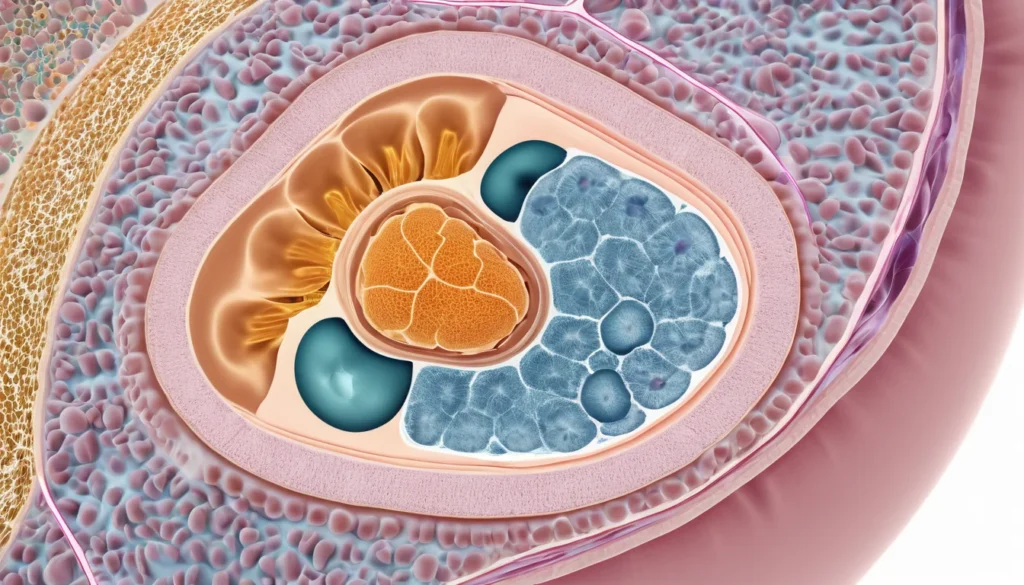
A specialist confirms the type of tumour through a histopathology report. This is a lab test that examines tumour cells under a microscope. It is the most accurate way to know what kind of tumour you have.
Benign Tumours: What You Need to Know
Benign tumours grow locally and do not spread to other parts of the body. In most cases, they do not cause serious health problems. However, they are not always harmless.
When a benign tumour grows large enough, it can press on nearby tissue or organs. In those cases, a doctor may recommend surgical removal. In rare cases, a benign tumour can change over time and become pre-malignant. This is why regular monitoring matters.
Common Types of Benign Tumours
Benign tumours appear more often in younger patients. Women are at higher risk for one very common type: uterine fibroids. These often develop in the years leading up to menopause.
Other common benign tumour types include:
Nodules — small growths, usually 3 cm or less in diameter
Cysts — fluid-filled sacs
Lipomas — soft lumps made of fatty tissue
Fibroadenomas and fibromas — growths made of fibrous or glandular tissue
Papillomas — small outgrowths on the surface of skin or internal membranes
Haematomas — collections of blood that may feel like a bruise or lump after an injury
Haemangiomas — overgrowth of blood vessels, often appearing as a red birthmark
Malignant Tumours: What You Need to Know
Malignant tumours are cancerous. They are more dangerous because they can invade nearby tissues and spread to other parts of the body. This spreading process is called metastasis.
Malignant tumours most commonly spread to the bones, brain, liver, and lungs. They travel through the bloodstream or the lymphatic system. When a tumour spreads beyond its original location, the new growth is called a secondary tumour.
In early stages, surgeons can often remove malignant tumours. However, the risk of the cancer coming back cannot be completely eliminated. For this reason, treatment usually also includes chemotherapy and radiation therapy. These help destroy any remaining cancer cells in the body. You can learn more about cancer treatment options from Health Canada’s official health resources.
Common Types of Malignant Tumours
Doctors classify malignant tumours based on the type of cell where the cancer begins. The main types include:
Carcinoma — cancer that starts in epithelial cells (skin or the lining of organs). This is the most common type.
Sarcoma — cancer that begins in connective tissue, such as bone, muscle, or fat
Blastoma — cancer that develops from embryonic tissue, more common in children
Lymphoma — cancer of the blood and lymphatic system cells
Similarities Between Benign and Malignant Tumours
When comparing benign vs malignant tumours, it helps to understand that they share a few important traits. Knowing these can prevent dangerous assumptions.
Both can grow very large. Size alone does not tell you whether a tumour is cancerous. Medical records include cases of ovarian tumours larger than 45 kilograms that were benign.
Both can be life-threatening. Even benign brain tumours can be deadly. They can press on the brain, damage nearby structures, and cause paralysis, speech problems, or in severe cases, death.
Both can come back after surgery. If any tumour cells remain after removal, both types can regrow in the same location.
Key Differences Between Benign and Malignant Tumours
The differences between benign vs malignant tumours are far more numerous than the similarities. These differences reflect the true danger that malignant tumours can pose.
Growth Rate
Malignant tumours generally grow much faster than benign ones. However, there are exceptions. Some cancers grow slowly, while some benign tumours can grow quickly. Growth rate alone is not a reliable way to diagnose cancer.
Ability to Spread (Metastasis)
This is one of the most important differences. Benign tumours stay in one place and only grow locally. Malignant tumours, on the other hand, can spread throughout the body via the bloodstream or lymphatic system. According to the Mayo Clinic, metastasis is what makes cancer particularly difficult to treat.
Where Recurrence Happens
If a benign tumour comes back after removal, it tends to regrow in the same spot. Malignant tumours are different. They can recur anywhere in the body, depending on the type of cancer and how far it has spread.
Cell Adhesion
Benign tumour cells produce special proteins called adhesion molecules. These keep the cells stuck together in one mass. Malignant cells do not produce these molecules. As a result, they can break away and travel freely through the body.
Tissue Invasion
Malignant tumours actively push into and destroy surrounding tissue. Benign tumours do not invade in this way. They may press on nearby organs as they grow, but they do not penetrate them.
Cell Appearance
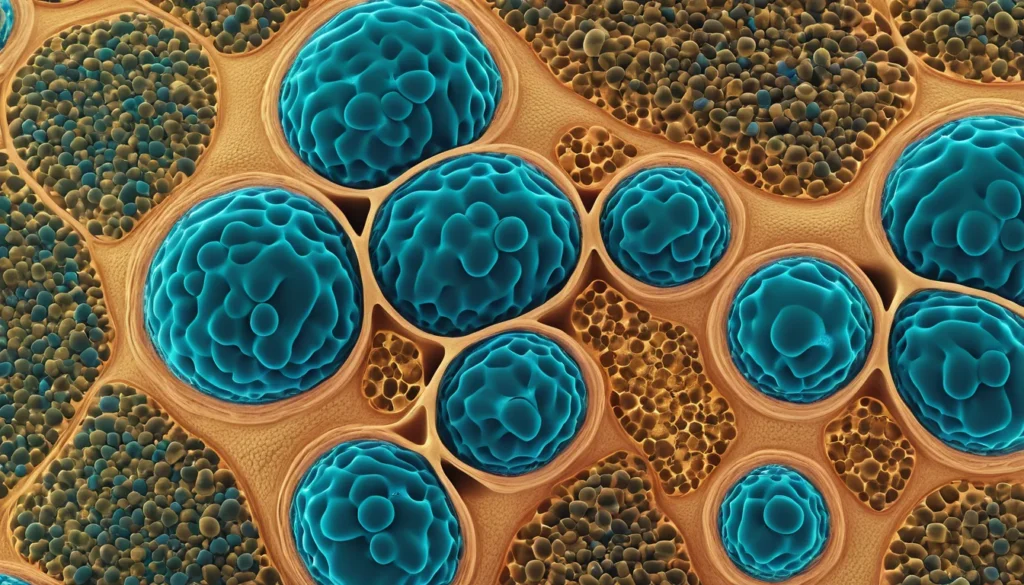
Under a microscope, cancer cells look clearly different from normal cells. Malignant cells often have larger, darker nuclei. Benign tumour cells look much closer to healthy tissue. This is a key factor in a histopathology diagnosis.
Treatment Effectiveness
Benign tumours can usually be fully treated with surgery alone. Malignant tumours often require a combination of surgery, chemotherapy, and radiation therapy. Treatment plans depend on the cancer type and stage. The World Health Organization (WHO) provides global guidelines on cancer treatment approaches.
Risk of Recurrence
Benign tumours rarely return after surgical removal. Malignant tumours have a much higher rate of recurrence. This happens because cancer cells may have already spread through the body before the original tumour was removed.
When to See a Doctor
If you notice an unexplained lump, unusual growth, or persistent pain, do not wait. See your family doctor as soon as possible. Early detection makes a significant difference in treatment outcomes for both benign and malignant tumours.
If you do not have a family doctor, a walk-in clinic is a good first step. Your provincial health plan covers most initial assessments. From there, your doctor can refer you to the right specialist if needed.
Always speak to a qualified healthcare provider before drawing any conclusions from your own research. Only a doctor can properly evaluate your symptoms and order the right tests.
Frequently Asked Questions
What is the main difference between benign and malignant tumours?
The key difference between benign vs malignant tumours is the ability to spread. Benign tumours stay in one place and do not invade nearby tissue. Malignant tumours can spread through the bloodstream or lymphatic system to other parts of the body.
Can a benign tumour turn into cancer?
In rare cases, a benign tumour can become pre-malignant, meaning it develops the potential to turn cancerous. This is why doctors recommend regular monitoring even after a tumour is identified as benign. Early follow-up is an important part of care.
How do doctors know if a tumour is benign or malignant?
The most reliable way to tell the difference is through a histopathology report. A specialist examines tumour cells under a microscope to identify whether they are cancerous. Imaging tests like MRIs and CT scans also help guide the diagnosis.
Are benign tumours dangerous?
Most benign tumours are not life-threatening, but some can be serious depending on their location. For example, a benign brain tumour can press on critical structures and cause severe neurological damage. Size and location both play a role in how dangerous a benign tumour can be.
Does finding a tumour always mean you have cancer?
No. Finding a tumour does not automatically mean you have cancer. Many tumours are benign and do not pose a serious health risk. A proper medical evaluation, including laboratory testing, is needed to determine what type of tumour it is.
Can benign tumours come back after surgery?
Benign tumours rarely return after they are fully removed. However, if some tumour cells remain after surgery, there is a chance of regrowth in the same area. Your doctor will recommend follow-up appointments to monitor for any signs of recurrence.
Key Takeaways
A tumour is not automatically cancer. It can be benign (non-cancerous) or malignant (cancerous).
When comparing benign vs malignant tumours, the most important difference is the ability to spread to other parts of the body.
Benign tumours grow locally and rarely return after removal. Malignant tumours can spread and have a higher rate of recurrence.
Both types can be dangerous depending on their size and location.
A histopathology report is the most accurate way to diagnose a tumour type.
Treatment for malignant tumours often combines surgery, chemotherapy, and radiation therapy.
If you find an unexplained lump or growth, see your family doctor or visit a walk-in clinic. Your provincial health plan covers initial assessments.
Always consult a qualified healthcare provider for a proper diagnosis and treatment plan.