Benign tumours are abnormal growths of cells that do not spread to other parts of the body the way cancer does. However, that does not mean they are always harmless. Some benign tumours can press on nerves or blood vessels and cause serious problems. In this article, we explain what benign tumours are, what causes them, the most common types, and when you should talk to your family doctor or visit a walk-in clinic.
What Are Benign Tumours?
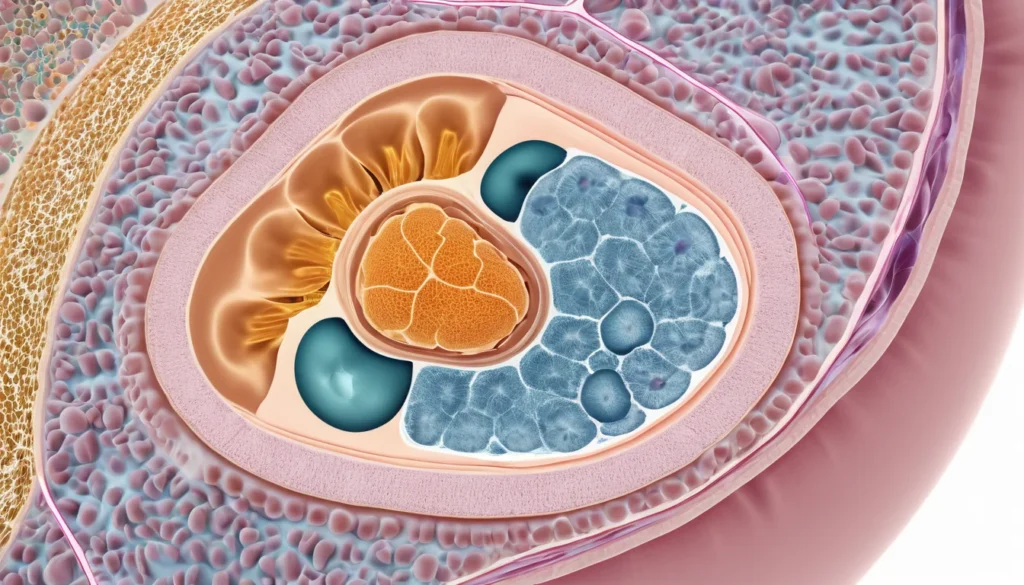
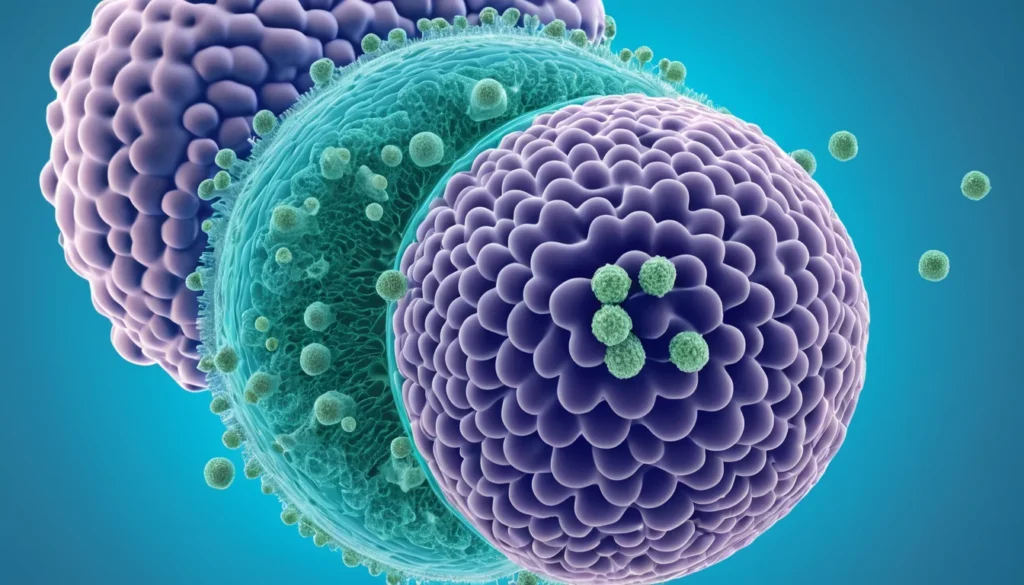
A tumour is any abnormal growth of cells in the body. Not all tumours are cancer. Benign tumours do not invade nearby tissue and do not spread — or metastasize — to other parts of the body. Malignant tumours, on the other hand, are cancerous and can spread.
However, benign tumours can still be serious. For example, a benign tumour growing near a vital blood vessel or nerve can cause significant health problems. Therefore, some benign tumours require treatment, while others simply need to be monitored over time.
For more information on how tumours are classified, visit Health Canada’s official health resources.
What Causes Benign Tumours?
In many cases, doctors do not know exactly what causes a benign tumour to form. However, certain factors may increase the risk. These include exposure to environmental toxins, radiation, local injury or trauma, chronic inflammation, and infections.
Stress and poor diet have also been linked to abnormal cell growth in some studies. In addition, some benign tumours may be connected to inherited conditions passed down through families. If you have a family history of unusual growths, it is worth discussing this with your family doctor.
Can Benign Tumours Turn Into Cancer?
This is one of the most common questions Canadians ask about benign tumours. The short answer is: rarely, but yes — it can happen. The risk depends heavily on the type of tumour.
For example, adenomas in the colon can sometimes become cancerous. However, fewer than 1 in 10 colon adenomas ever turn malignant. Certain moles — known as dysplastic nevi — can also develop into melanoma, a serious form of skin cancer. Therefore, regular skin checks are important.
Not all benign tumours carry this risk. Many, like lipomas and hemangiomas, almost never become cancerous. Your doctor can help you understand the specific risk level for your type of growth. According to the Mayo Clinic, regular monitoring is often the best first step for low-risk benign tumours.
Common Types of Benign Tumours
There are many different types of benign tumours, each growing from a different kind of tissue in the body. Here are the most common ones Canadians should know about.
Adenomas
Adenomas grow from the thin layer of tissue that covers organs and glands. A common example is a polyp found in the colon during a colonoscopy. Adenomas can also grow in the liver, thyroid, or adrenal glands.
Most adenomas can be removed with surgery. Although the chance of becoming cancerous is low, colon adenomas should always be monitored. Your provincial health plan may cover regular colonoscopies if you are at higher risk.
Fibroids (Fibromas)
Fibromas are tumours that grow in fibrous or connective tissue. They most commonly develop in the uterus, where they are called uterine fibroids. Uterine fibroids are not cancerous, but they can cause heavy vaginal bleeding, pelvic pain or pressure, and bladder problems.
Another type of fibrous tumour is called a desmoid tumour. These can grow into nearby tissue and may need to be surgically removed. Talk to your family doctor if you experience unusual pelvic symptoms.
Hemangiomas
Hemangiomas are a build-up of blood vessel cells in the skin or internal organs. They often appear on the head, neck, or trunk and may look red or bluish in colour. Most hemangiomas disappear on their own without any treatment.
However, if a hemangioma interferes with vision, hearing, or eating — especially in infants — treatment may be needed. Corticosteroids or other medications are commonly used in these cases.
Lipomas
Lipomas grow from fat cells and are the most common type of benign tumour in adults. They are typically found on the neck, shoulders, back, or arms. Lipomas feel soft to the touch, grow slowly, and are usually round and moveable under the skin.
Most lipomas do not need treatment. However, if a lipoma becomes painful or grows quickly, your doctor may recommend removal through surgery or liposuction. A related type called a lipoblastoma can appear in young children.
Meningiomas
Meningiomas develop from the membrane surrounding the brain and spinal cord. About 9 out of 10 are benign. Most grow very slowly and may not cause symptoms for years.
When symptoms do appear, they can include headaches, weakness on one side of the body, seizures, personality changes, and vision problems. Treatment depends on the location and size of the tumour. In some cases, doctors will simply watch the tumour with regular imaging scans. Surgery or radiation therapy may be used when necessary.
Myomas
Myomas are tumours that grow from muscle tissue. Leiomyomas grow from smooth muscle found in organs like the stomach and uterus. In the uterus, they are often called fibroids. A rare benign tumour of skeletal muscle is called a rhabdomyoma.
These tumours may simply be monitored over time. In some cases, medication can shrink them, or surgery can remove them entirely. Your family doctor or specialist can recommend the right approach based on your situation.
Moles (Nevi)
Moles — also called nevi — are benign growths on the skin. They range in colour from pink and tan to brown or black. Most Canadians develop new moles up to around age 40, and most are completely harmless.
However, some moles called dysplastic nevi look different from normal moles and carry a higher risk of turning into melanoma. Check your moles regularly for changes in size, shape, colour, or border. If anything looks unusual, see a healthcare provider promptly.
Nerve Tumours (Neuromas and Neurofibromas)
Nerve tumours grow from nerve tissue and can appear almost anywhere in the body. Common types include neuromas, neurofibromas, and schwannomas. Neurofibromas are more common in people who have an inherited condition called neurofibromatosis.
Surgery is the most common treatment for benign nerve tumours. Most can be successfully removed without lasting damage.
Osteochondromas
Osteochondromas are the most common type of benign bone tumour. They usually appear as a painless lump or bump near a joint, such as the knee or shoulder. Often, doctors will simply monitor this type of tumour using X-rays over time.
Surgery may be needed if the tumour causes pain or puts pressure on nearby nerves or blood vessels. These tumours are most often found in children and young adults.
Papillomas
Papillomas are growths that develop from skin or mucous membrane tissue. They can appear on the skin, cervix, breast ducts, or the inner lining of the eyelid. Some papillomas result from direct contact with a viral infection, such as human papillomavirus (HPV).
Some papillomas disappear on their own. Others may require surgery, especially if a doctor needs to rule out cancer. HPV-related papillomas can be partially prevented through vaccination, which is available through most provincial health programmes in Canada.
How Are Benign Tumours Treated?
Many benign tumours do not need treatment at all. Instead, your doctor may choose a “watchful waiting” approach, using regular imaging or physical exams to monitor any changes. This is a common and safe strategy for slow-growing, low-risk tumours.
When treatment is needed, options may include surgery to remove the tumour, corticosteroid medications to shrink it, or radiation therapy for tumours that cannot be surgically removed. The right treatment depends on the type, size, and location of the tumour, as well as your overall health. Your healthcare provider will guide you through your options. You can also find helpful general information through the World Health Organization’s cancer resources.
When to See a Doctor
You should contact your family doctor if you notice any new or unusual lumps on your body, or if an existing lump changes in size, shape, or colour. Do not wait to see if it goes away on its own — early assessment is always the safest choice.
If you do not have a family doctor, a walk-in clinic is a great first step. Most provinces also offer nurse practitioner clinics and telehealth services that can help you get an initial assessment quickly. Your family doctor can refer you to a specialist if needed, and many diagnostic tests — like ultrasounds or biopsies — are covered under provincial health plans.
Skin checks are especially important. Ask your healthcare provider to examine any moles that look unusual, have uneven borders, or have changed recently. For women, regular gynecological exams can help catch uterine fibroids or cervical papillomas early.
Frequently Asked Questions About Benign Tumours
Can benign tumours turn into cancer?
In rare cases, yes — some benign tumours can become malignant over time. For example, certain colon adenomas and atypical moles carry a small risk of turning cancerous. However, most benign tumours never become cancer, and regular monitoring by your doctor can catch any changes early.
What is the difference between a benign tumour and a malignant tumour?
A benign tumour does not invade nearby tissue and does not spread to other parts of the body. A malignant tumour — or cancer — can invade surrounding tissue and spread through the bloodstream or lymphatic system. Benign tumours are generally less dangerous, but they can still cause problems depending on their size and location.
Do benign tumours need to be removed?
Not always. Many benign tumours are simply monitored with regular check-ups and imaging. However, removal may be recommended if the tumour is causing pain, pressing on nearby organs or nerves, growing quickly, or if there is any concern about cancer. Your doctor will recommend the best approach for your specific situation.
What causes benign tumours to form?
The exact cause of most benign tumours is unknown. Possible contributing factors include radiation exposure, environmental toxins, infections, chronic inflammation, physical injury, and genetic conditions. In some cases, benign tumours run in families due to inherited gene changes.
Are benign tumours covered under Canadian provincial health plans?
In most cases, yes. Diagnostic tests like ultrasounds, MRIs, and biopsies used to evaluate benign tumours are typically covered under provincial health insurance plans. Surgical removal may also be covered when it is medically necessary. Check with your provincial health authority or family doctor for details specific to your province.
What are the most common types of benign tumours in adults?
Lipomas — fatty lumps under the skin — are the most common benign tumours in adults. Other frequent types include uterine fibroids, moles (nevi), meningiomas, and colon polyps (adenomas). Most of these are manageable and respond well to treatment when needed.
Key Takeaways
Benign tumours are abnormal cell growths that do not spread to other parts of the body like cancer does.
Most benign tumours are not dangerous, but some can cause serious problems by pressing on nerves, blood vessels, or organs.
In rare cases, certain benign tumours — like colon adenomas or atypical moles — can become malignant over time.
Common types include lipomas, fibroids, adenomas, hemangiomas, meningiomas, and papillomas.
Treatment is not always necessary. Watchful waiting, medication, or surgery are all options depending on the situation.
Regular skin checks and medical exams are the best way to catch any changes early.
If you notice a new or changing lump, see your family doctor or visit a walk-in clinic. Many diagnostic tests are covered under your provincial health plan.
This article is for informational purposes only and is not a substitute for professional medical advice. Always consult your family doctor or a qualified healthcare provider if you have concerns about any unusual growths or symptoms.