Bee pollen has been used as a natural health supplement for thousands of years. Many nutritionists call it one of nature’s most complete foods, packed with vitamins, minerals, and protein. However, is bee pollen truly safe for everyone? This article breaks down the real benefits, the genuine risks, and exactly who should speak with a doctor before trying it.
What Is Bee Pollen?
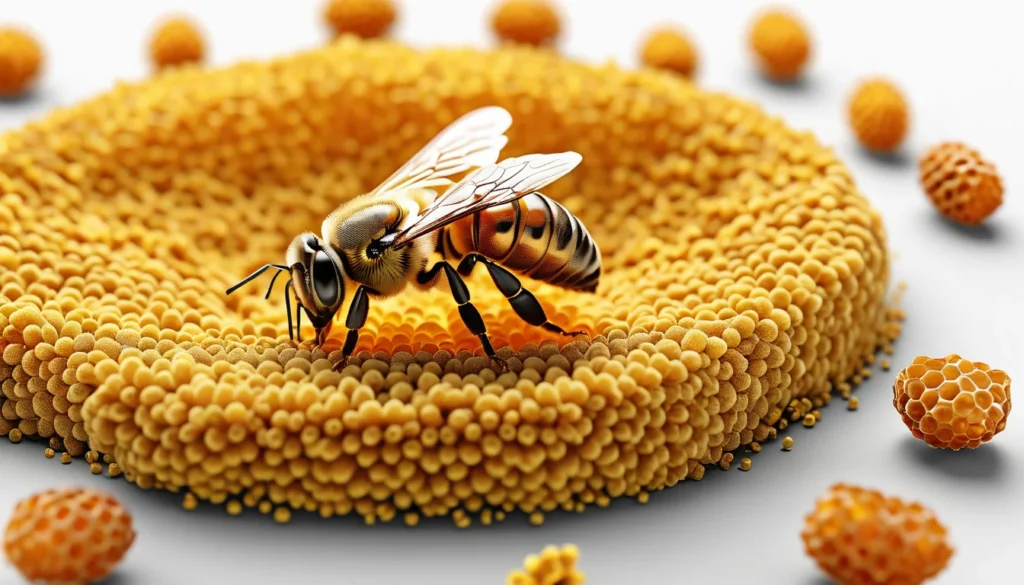
Bee pollen is not honey, and it is not beeswax. It forms when honeybees collect pollen from flowering plants and mix it with their own nectar and enzymes. The result is a nutrient-dense substance that bees carry back to the hive.
You can find bee pollen in many Canadian health food stores and some pharmacies. It comes in several forms, including raw granules, powder, capsules, and tablets. Capsules and tablets often combine bee pollen with other bee products, such as propolis or honey.
Polyfloral bee pollen — pollen gathered from many different plant species — is generally considered the most nutrient-rich variety. It offers the widest range of vitamins and minerals.
Bee Pollen Nutrition: What’s Actually Inside?
From a nutritional standpoint, bee pollen is remarkably dense. Just 30 grams contains roughly 28 calories, 7 grams of carbohydrates, and about 25% high-quality protein. That is approximately twice the protein content found in beef, gram for gram.
Its overall composition breaks down like this:
55% carbohydrates
35% protein
3% vitamins and minerals
2% fatty acids
5% other nutrients
Bee pollen is especially rich in B vitamins, including B1, B2, B3, B6, and B12. It also contains antioxidants such as beta-carotene, vitamin C, and vitamin E, as well as folic acid and provitamin A.
Key minerals found in bee pollen include calcium, phosphorus, potassium, iron, magnesium, and iodine. It also contains enzymes, co-enzymes, essential amino acids, and even trace hormones. For this reason, some researchers consider it one of the most nutritionally complete natural foods available. Healthline provides a detailed breakdown of bee pollen’s nutritional profile for those who want to explore the science further.
Is Bee Pollen Good for Vegetarians?
Because bee pollen is so high in complete protein and essential amino acids, it can be a useful supplement for people following a vegetarian diet. However, it is not vegan, since it is an animal-derived product. If you follow a vegan diet, you will want to find plant-based protein alternatives instead.
Potential Health Benefits of Bee Pollen
Researchers have studied bee pollen for decades. While the evidence is still growing, several potential benefits have been identified. It is important to note that many studies are small or conducted on animals. More large-scale human trials are needed before firm conclusions can be drawn.
That said, here are the benefits most commonly associated with bee pollen:
Digestive support: Bee pollen may help regulate bowel movements, easing both chronic constipation and diarrhoea.
Immune system support: Its antioxidant content may help strengthen the body’s natural defences.
Improved circulation: Some evidence suggests bee pollen supports healthy blood flow.
Cholesterol management: Early research points to a possible role in reducing LDL (bad) cholesterol levels.
Athletic performance: Some athletes use bee pollen to support endurance and recovery, though evidence remains limited.
Weight management: Bee pollen may support fat metabolism and help with appetite control.
Reduced chemotherapy side effects: A small number of studies suggest bee pollen may help lessen certain side effects of cancer treatment, though this area needs much more research.
Bee pollen has also been used in some topical skin products. For example, certain creams designed to soothe skin rashes in infants contain bee pollen as an ingredient. However, always check with your child’s doctor or paediatrician before applying any such product to a baby’s skin.
What Do Health Experts Actually Say?
Many nutritionists speak positively about bee pollen’s nutrient density. However, most healthcare professionals remain cautious about recommending it for specific medical conditions. WebMD notes that while bee pollen shows promise, more clinical evidence is needed to confirm many of its claimed benefits. The difference between a genuine therapeutic effect and a placebo effect has not always been clearly established in existing studies.
Who Should Avoid Bee Pollen?
This is a critical section. Not everyone can safely take bee pollen, and for some people, it can cause serious harm. It is not simply a harmless natural product.
People with Allergies
If you have known food allergies, seasonal allergies, or a history of allergic reactions, you should be very careful. Bee pollen can trigger significant allergic responses. These reactions can range from mild skin irritation to life-threatening anaphylaxis.
Symptoms of a bee pollen allergic reaction may include:
Itching or hives on the skin
Shortness of breath or wheezing
Swelling of the throat (which can block the airway)
Anaphylactic shock, a severe and potentially fatal reaction
People with atopic conditions — such as eczema, hay fever, or asthma — face a higher risk of reacting badly to bee pollen. If you fall into this group, speak with your allergist or family doctor before even trying a small amount.
Pregnant and Breastfeeding Women
Bee pollen is not considered safe during pregnancy. Health experts recommend avoiding it entirely while pregnant, regardless of its nutritional content. The same caution applies during breastfeeding.
There are two main reasons for this concern. First, bee pollen may stimulate uterine contractions, which could be harmful during pregnancy. Second, bee pollen — especially if not properly stored — can contain pesticide residues, artificial fertilisers, fungi, or bacteria. These contaminants could be passed to a developing baby or an infant through breast milk.
People Taking Blood Thinners
Bee pollen may interact with certain medications, particularly blood-thinning drugs such as warfarin. If you take any prescription medication, always check with your pharmacist or doctor before adding a new supplement. This is easy to do at most Canadian walk-in clinics or through a quick call to your provincial health line.
How to Choose a Safe Bee Pollen Supplement in Canada
Not all bee pollen products are created equal. Quality and safety can vary widely between brands. Here are a few tips to help you choose wisely.
Look for Health Canada approval: Check that the product has a Natural Product Number (NPN) on the label. This means Health Canada has reviewed it for safety and quality. Learn more about how Health Canada regulates natural health products on their official website.
Buy from reputable sources: Purchase from established health food stores or licensed pharmacies rather than unregulated online sellers.
Check storage conditions: Bee pollen should be kept cool and dry. Improperly stored pollen can harbour bacteria or mould.
Start with a very small amount: If your doctor approves, begin with just a few granules to test for any allergic reaction before taking a full dose.
Choose polyfloral varieties: These tend to offer a broader range of nutrients compared to monofloral types.
When to See a Doctor About Bee Pollen
Before adding bee pollen to your daily routine, it is always a good idea to talk to your family doctor or a naturopathic doctor. This is especially important if you have any existing health conditions or take prescription medications.
You should seek immediate medical attention if you experience any signs of an allergic reaction after taking bee pollen. These include sudden hives, difficulty breathing, swelling of the face or throat, or dizziness. Go to your nearest emergency room or call 911 right away.
If you do not have a family doctor, a walk-in clinic is a convenient option available in most Canadian cities and towns. Many provincial health plans cover consultations about supplements and natural health products. Your pharmacist is also an excellent, no-appointment-needed resource for checking supplement safety and drug interactions.
Frequently Asked Questions About Bee Pollen
Is bee pollen safe to take every day?
For most healthy adults without allergies, small daily amounts of bee pollen appear to be safe. However, long-term safety has not been fully established through large clinical studies. Always check with your family doctor or pharmacist before making it part of your daily routine.
Can bee pollen cause an allergic reaction?
Yes, bee pollen can cause allergic reactions, sometimes severe ones. People with hay fever, asthma, or existing food allergies are at the greatest risk. Reactions can include hives, shortness of breath, throat swelling, and in rare cases, anaphylaxis, which is a medical emergency.
What is the difference between bee pollen and honey?
Bee pollen and honey are completely different products, even though both come from bees. Honey is made from flower nectar and is mainly sugar. Bee pollen is a protein and nutrient-rich substance collected from plant flowers and mixed with bee enzymes, offering a very different nutritional profile.
Is bee pollen safe during pregnancy?
No, health experts generally advise against taking bee pollen during pregnancy or while breastfeeding. It may stimulate uterine contractions, and improperly stored pollen can contain contaminants such as pesticides or bacteria that could harm a developing baby.
Does bee pollen help with weight loss?
Some early research suggests bee pollen may support fat metabolism and help with appetite regulation, which could assist weight management. However, it is not a proven weight-loss treatment on its own. A balanced diet and regular physical activity remain the most effective strategies for healthy weight management.
Where can I buy bee pollen in Canada?
Bee pollen supplements are widely available at Canadian health food stores, natural health retailers, and some pharmacies. Always look for products with a Health Canada Natural Product Number (NPN) on the label to ensure they meet Canadian safety and quality standards.
Key Takeaways
Bee pollen is one of nature’s most nutritionally complete foods, rich in protein, B vitamins, antioxidants, and essential minerals.
It may offer benefits for digestion, immunity, circulation, and cholesterol levels, but large-scale human studies are still limited.
Bee pollen can cause serious allergic reactions, including anaphylaxis, particularly in people with existing allergies or atopic conditions.
It is not safe during pregnancy or breastfeeding.
Always look for a Health Canada NPN number when buying bee pollen supplements in Canada.
Talk to your family doctor, walk-in clinic physician, or pharmacist before starting bee pollen, especially if you take medications or have a health condition.
If you experience any allergic symptoms after taking bee pollen, stop immediately and seek medical attention.