Bariatric surgery for diabetes is becoming an important treatment option for Canadians living with both obesity and type 2 diabetes. This surgery helps people lose significant weight — and in many cases, it also brings blood sugar levels back to normal. Research shows that for some patients, blood sugar improves within days of the operation, even before major weight loss occurs. Talk to your family doctor to find out if this option may be right for you.
What Is Bariatric Surgery?
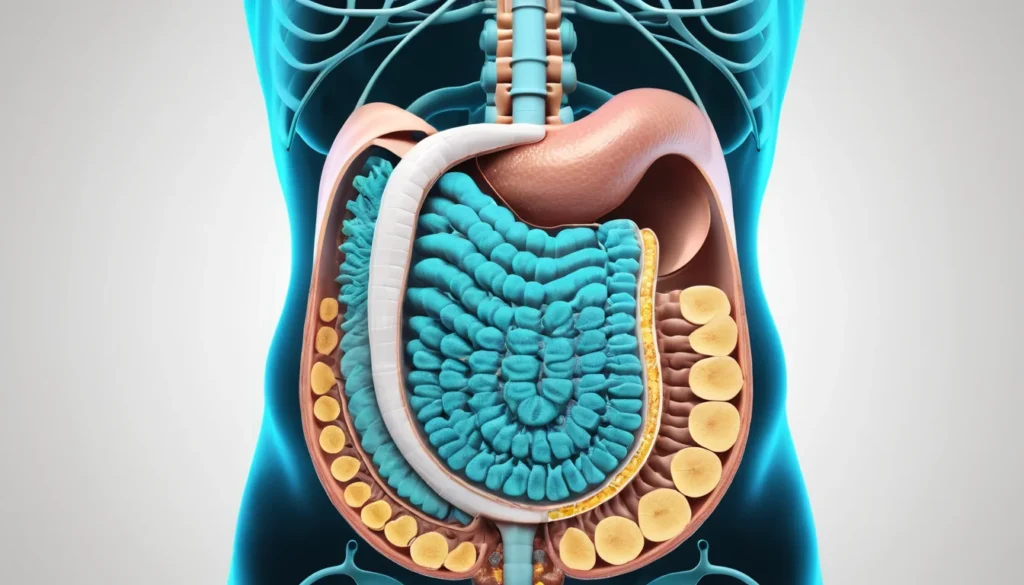
Bariatric surgery is a medical procedure designed to help people with obesity lose a significant amount of weight. It works by making the stomach smaller, which limits how much food a person can eat at one time. In Canada, this surgery is performed in specialized surgical centres and may be covered under some provincial health plans.
Beyond weight loss, bariatric surgery for diabetes has shown strong results in controlling blood sugar. According to the Mayo Clinic’s overview of bariatric surgery, these procedures can lead to long-term remission of type 2 diabetes in many patients. This makes it more than just a weight-loss tool — it is also a metabolic treatment.
How Does Obesity Cause Type 2 Diabetes?
Obesity plays a major role in the development of type 2 diabetes. People who are obese are up to 10 times more likely to develop the disease compared to those at a healthy weight. This happens because excess body fat — especially around the abdomen — disrupts normal metabolism.
One key factor is dyslipidaemia, which means having too many fats (lipids) in the blood. High lipid levels cause the body to become resistant to insulin. Over time, this insulin resistance leads to high blood sugar and, eventually, type 2 diabetes. Losing weight, therefore, is one of the most effective ways to manage or even reverse this condition.
For more background on how obesity and diabetes are connected, visit the World Health Organization’s fact sheet on obesity and overweight.
Who Qualifies for Bariatric Surgery in Canada?
Not everyone with obesity or diabetes qualifies for bariatric surgery. Doctors use specific guidelines to decide who is a good candidate. Your family doctor or a specialist can help you understand where you stand.
Generally, you may qualify if you meet one of the following criteria:
You are at least 45 kg over your ideal body weight
Your Body Mass Index (BMI) is over 40
Your BMI is over 35, and you have obesity-related health conditions such as high blood pressure or type 2 diabetes
You have tried medically supervised diet programmes without long-term success
Special Criteria for Diabetic Patients
For patients with both diabetes and obesity, the criteria are slightly different. Doctors may consider bariatric surgery for diabetes if your BMI is over 30 and your blood sugar is not well controlled. Specifically, this means a fasting blood glucose above 125 mg/dL and/or a glycated haemoglobin (HbA1c) level above 7%.
In some difficult-to-manage diabetes cases, surgery may even be considered at a BMI below 35. However, each case is assessed individually. A referral from your family doctor to a bariatric surgery programme is typically the first step in the process.
Types of Bariatric Surgery
There are several surgical techniques used in bariatric surgery. All of them work by reducing the size of the stomach. Most procedures today are done laparoscopically, which means surgeons use small incisions in the abdomen. This minimally invasive approach leads to faster recovery times.
Laparoscopic Gastric Bypass
In a gastric bypass, the surgeon creates a small pouch at the top of the stomach. Food travels from this pouch directly into the small intestine, bypassing most of the stomach. This changes how the digestive organs — including the pancreas — interact with food, which strongly supports weight loss.
Importantly, the effect on blood sugar often appears within the first few days after surgery — before major weight loss even begins. Patients typically go home within a few days and return to normal activities within three to four weeks. Gastric bypass is widely considered the most effective option for bariatric surgery for diabetes.
Laparoscopic Sleeve Gastrectomy
In a sleeve gastrectomy, the surgeon removes a portion of the stomach, leaving a smaller, sleeve-shaped stomach. This reduces how much food a person can eat at one sitting. The procedure is technically simpler than gastric bypass, making it a preferred choice for patients with heart or lung conditions who may not tolerate longer anaesthesia.
Recovery time is similar — about three to four weeks. While it is slightly less effective than gastric bypass for diabetes remission, it still offers significant improvements in blood sugar control and overall health.
Duodenal Bypass
Duodenal bypass combines elements of both the gastric bypass and sleeve gastrectomy. The stomach is reduced in size and connected directly to the first part of the small intestine (the duodenum). This slows calorie absorption and leads to substantial weight loss.
However, this procedure carries more risks than the other two options. As a result, it is usually reserved for patients with a BMI over 50. Your surgical team will carefully weigh the benefits and risks before recommending this approach.
Benefits of Bariatric Surgery for Diabetes
The benefits of this surgery extend well beyond the scale. Most patients lose between 50% and 80% of their excess weight within the first 18 to 24 months after the operation. Furthermore, the improvements in blood sugar often begin almost immediately — sometimes within the first few days.
After surgery, many diabetic patients are able to reduce or even eliminate their diabetes medications. Studies show that approximately 33% of gastric bypass patients no longer need diabetes medication shortly after surgery. By the two-year mark, that number rises to about 85% of patients achieving diabetes remission.
Long-Term Diabetes Remission
Complete remission of type 2 diabetes is most common in patients who have had the disease for fewer than five years. It is also more likely in those with milder forms of the condition. In addition, the more weight a patient loses after surgery, the closer their blood sugar levels tend to return to normal.
The benefits also extend to other obesity-related conditions. For example, many patients see improvements in high blood pressure, high cholesterol, and cardiovascular health. According to Healthline’s guide to bariatric surgery, these combined effects can dramatically improve a person’s overall quality of life.
Risks and Complications to Know
Like any major surgery, bariatric procedures carry risks. It is important to discuss these thoroughly with your surgical team before making a decision. Being well-informed helps you make the best choice for your health.
Common surgical risks include:
Adverse reactions to anaesthesia
Injury to nearby abdominal organs
Bleeding during or after surgery
Blood clots
Infection
Peritonitis (inflammation of the abdominal lining)
There are also potential longer-term complications to be aware of:
Bowel obstruction
Kidney or gallbladder stones
Internal narrowing (strictures)
Malnutrition and vitamin deficiencies
Dumping Syndrome (when food moves too quickly from the stomach to the small intestine, causing nausea and dizziness)
Ongoing follow-up care with your healthcare team is essential after surgery. Many bariatric programmes in Canada include nutritional counselling and long-term monitoring as part of the process.
When to See a Doctor
If you are living with type 2 diabetes and obesity, it is worth having an honest conversation with your family doctor about all available treatment options — including surgery. You do not need to wait until your condition becomes severe. Early discussion leads to better outcomes.
If you do not have a regular family doctor, a walk-in clinic can be a good starting point. A clinic doctor can assess your BMI, review your blood sugar history, and refer you to a specialist if appropriate. Provincial health plans in many parts of Canada — including Ontario, British Columbia, and Alberta — may cover bariatric surgery for eligible patients.
Always consult a qualified healthcare provider before making any decisions about surgery or changes to your diabetes treatment plan. This article is for informational purposes only and is not a substitute for professional medical advice.
Frequently Asked Questions
Can bariatric surgery cure type 2 diabetes?
Bariatric surgery for diabetes can lead to full remission in many patients, but it is not guaranteed to be a permanent cure. Studies show that up to 85% of gastric bypass patients no longer need diabetes medication two years after surgery. Results are best for those who have had diabetes for fewer than five years.
How much weight do you lose with bariatric surgery?
Most patients lose between 50% and 80% of their excess body weight within the first 18 to 24 months after bariatric surgery. The amount of weight lost depends on the type of procedure and the patient’s commitment to lifestyle changes. Long-term success requires healthy eating habits and regular physical activity.
Is bariatric surgery covered by provincial health plans in Canada?
Coverage for bariatric surgery varies by province. Some provincial health plans, including those in Ontario, British Columbia, and Alberta, do cover the procedure for eligible patients. You should speak with your family doctor about a referral and check your province’s specific criteria for coverage.
What is the recovery time after bariatric surgery?
Most patients are discharged from hospital within a few days after bariatric surgery. They can typically return to light work and daily activities within three to four weeks. Full recovery and adjustment to new eating habits may take several months, with ongoing support from a healthcare team.
What is the BMI requirement for bariatric surgery in Canada?
Generally, a BMI of 40 or higher qualifies a person for bariatric surgery. A BMI of 35 or higher may also qualify if the patient has obesity-related conditions such as type 2 diabetes or high blood pressure. For patients with difficult-to-control diabetes, surgery may be considered at a BMI as low as 30.
What is the difference between gastric bypass and sleeve gastrectomy?
Gastric bypass reroutes food past most of the stomach and into the small intestine, making it highly effective for bariatric surgery for diabetes. Sleeve gastrectomy removes a portion of the stomach to reduce its size, and is technically simpler with fewer risks. Your surgeon will recommend the best option based on your overall health and specific needs.
Key Takeaways
Bariatric surgery for diabetes is an effective treatment option for Canadians with obesity and poorly controlled type 2 diabetes.
Blood sugar levels often improve within days of surgery, even before significant weight loss occurs.
Up to 85% of gastric bypass patients may achieve diabetes remission within two years.
The three main types of surgery are gastric bypass, sleeve gastrectomy, and duodenal bypass — each with different benefits and risks.
Eligibility is generally based on BMI and the presence of related health conditions like diabetes or high blood pressure.
Provincial health plans in some Canadian provinces may cover this surgery for eligible patients.
Always speak with your family doctor or a specialist before pursuing any surgical treatment for diabetes or obesity.