Bacteria are microscopic, single-celled organisms that live almost everywhere on Earth — inside your body, on your skin, in the air, and in the food you eat. Most bacteria are harmless, and many are actually helpful. However, some bacteria can cause serious infections and illness. Understanding how bacteria work, how they spread, and when to seek medical care can help you protect your health and the health of your family.
What Are Bacteria?
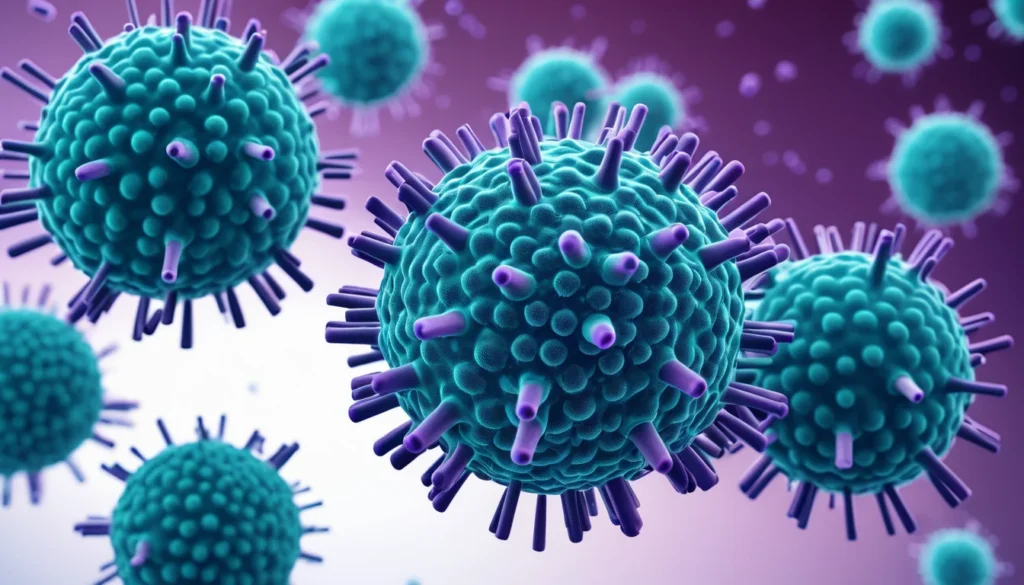
Bacteria are among the simplest living things on the planet. They are single-celled organisms that do not have a true nucleus. Instead, their genetic material floats freely inside the cell. They reproduce by splitting in two, a process called binary fission. This means one bacterium can become millions in just a few hours under the right conditions.
Bacteria belong to a group called prokaryotes. Unlike plants or animals, they form their own separate category of life. They come in many shapes — round (cocci), rod-shaped (bacilli), and spiral (spirochetes). Each shape is linked to different types of bacteria and different effects on the human body.
According to the World Health Organization, bacteria are one of the most ancient life forms on Earth, and they play a critical role in maintaining ecosystems, food production, and human health.
Good Bacteria: The Helpful Side of Bacteria
Not all bacteria are harmful. In fact, your body depends on certain types of bacteria to function properly. These helpful bacteria are often called “beneficial” or “good” bacteria. They live in and on your body and help keep you healthy in several important ways.
Bacteria in Your Gut
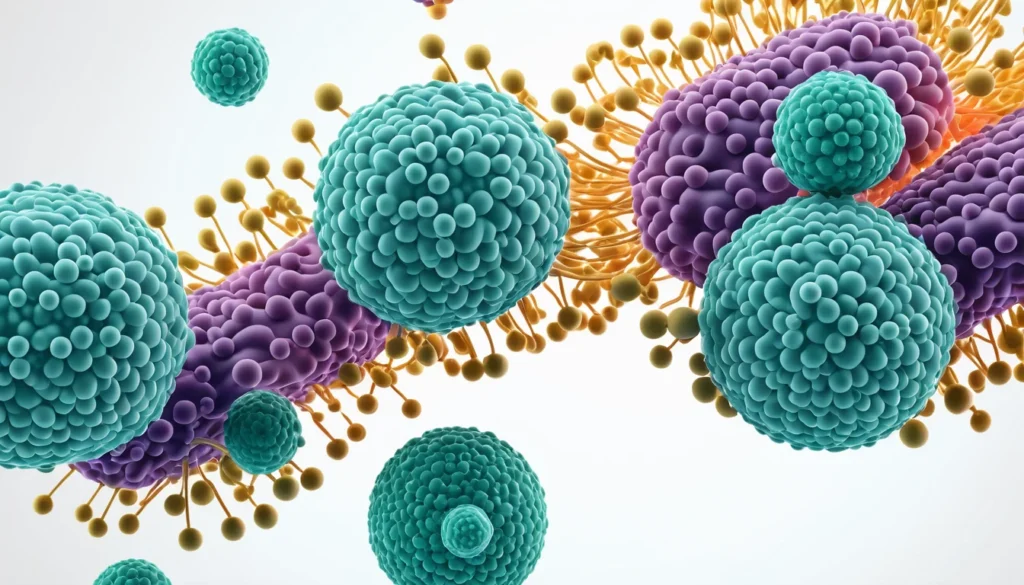
Billions of bacteria live in your digestive system. These gut bacteria help your body break down food, absorb nutrients, and produce certain vitamins like vitamin K and some B vitamins. They also play a major role in supporting your immune system. A healthy balance of gut bacteria is linked to better digestion, improved mood, and lower risk of chronic disease.
You may have heard the term “microbiome.” This refers to the full community of microorganisms — including bacteria — that live inside and on your body. Keeping your microbiome healthy through a balanced diet rich in fibre, fruits, and vegetables is one of the best things you can do for your overall health.
Bacteria on Your Skin
Your skin is also home to a large community of bacteria. This is called the skin flora, or skin microbiome. These bacteria act as a natural defence system. They take up space and resources, making it harder for harmful bacteria to settle on your skin and cause infections. As a result, a healthy skin flora is an important part of your body’s first line of defence.
Harmful Bacteria and How They Enter the Body
While many bacteria are beneficial, some are pathogenic — meaning they cause disease. These harmful bacteria can enter your body in several different ways. Understanding these entry points can help you take steps to reduce your risk of infection.
Through the Air You Breathe
Some bacteria spread through the air in tiny droplets released when an infected person coughs, sneezes, or talks. For example, tuberculosis (TB) is a serious bacterial infection spread this way. Diphtheria and whooping cough (pertussis) are also passed through airborne droplets. Staying up to date on vaccinations is one of the most effective ways to protect against these illnesses. Your provincial health plan covers many of these vaccines at no cost.
Through Food and Water
Bacteria can also enter your body through contaminated food or water. Typhoid fever, for instance, is caused by bacteria found in contaminated water or food handled by an infected person. Salmonella and E. coli are other common examples of bacteria spread through food. Proper food handling, cooking food thoroughly, and drinking clean water are essential steps for prevention.
Through Sexual Contact
Some bacteria spread through sexual contact. Sexually transmitted infections (STIs) like syphilis and gonorrhea are caused by bacteria. These infections can cause serious health problems if left untreated. However, they are treatable with antibiotics when caught early. Regular STI testing is recommended for sexually active Canadians. Many provincial health clinics offer free or low-cost testing.
Through Wounds and Skin Breaks
Bacteria can enter the body through cuts, scrapes, puncture wounds, or surgical sites. Tetanus is a serious example of a bacterial infection that enters through wounds. It is caused by bacteria found in soil, dust, and animal waste. Fortunately, the tetanus vaccine is part of Canada’s routine immunisation schedule and is covered under most provincial health plans.
Through Hair Follicles
Bacteria can also infect hair follicles — the tiny pockets in your skin where each hair grows. This can cause painful, pus-filled bumps called boils (or furuncles). These infections are more common in areas of the body that experience friction or sweating. They are usually caused by Staphylococcus aureus, a type of bacteria that lives naturally on the skin but can cause infection when it enters a follicle.
Bacterial Skin Infections: Causes and Risk Factors
Bacterial skin infections are very common in Canada, especially during the summer months. Bacteria thrive in warm, moist conditions. As a result, heat and sweating can increase your risk of developing a skin infection.
Certain situations also make skin infections more likely. For example, covering the skin with tight dressings, bandages, or diapers for long periods can trap moisture and warmth. This creates the perfect environment for bacteria to grow. Newborns and young infants are especially vulnerable to skin infections in areas covered by diapers.
Common bacterial skin infections include:
Impetigo – a highly contagious infection common in young children
Cellulitis – a deeper skin infection that causes redness, swelling, and warmth
Folliculitis – infection of the hair follicles, causing small red or pus-filled bumps
Boils (furuncles) – painful, pus-filled lumps caused by infected hair follicles
Erysipelas – a skin infection that usually affects the face or legs
For more information on skin infections, visit Mayo Clinic’s guide to staph infections.
How Bacterial Infections Are Treated
Most bacterial infections are treated with antibiotics. Antibiotics are medicines that kill bacteria or stop them from reproducing. Your doctor will choose the right antibiotic based on the type of bacteria causing your infection.
It is very important to take the full course of antibiotics, even if you start feeling better before you finish them. Stopping early can allow some bacteria to survive and become harder to treat. This is called antibiotic resistance, and it is a growing concern in Canada and around the world.
Furthermore, antibiotics do not work against viruses. Using antibiotics when they are not needed contributes to antibiotic resistance. Always follow your doctor’s advice before starting or stopping any medication. Health Canada has resources on antibiotic resistance that are worth reading.
Home Care for Mild Bacterial Infections
For mild skin infections, your doctor may recommend keeping the area clean and dry, applying warm compresses, and using an over-the-counter antibiotic cream. However, if the infection spreads, causes fever, or does not improve within a few days, you should seek professional medical care right away.
When to See a Doctor
Many bacterial infections can be treated quickly and effectively when caught early. You should see your family doctor or visit a walk-in clinic if you notice any of the following:
A wound or skin area that is red, swollen, warm, or producing pus
A fever of 38°C (100.4°F) or higher
Symptoms that are getting worse instead of better after a few days
Signs of a urinary tract infection, such as burning when urinating or frequent urination
A persistent cough lasting more than three weeks (which could signal a respiratory bacterial infection like TB)
Any unusual discharge or sores that could indicate an STI
If you do not have a family doctor, a walk-in clinic is a great option. Most provinces also offer health information lines staffed by registered nurses — such as 811 in many parts of Canada — where you can get advice over the phone. Your provincial health plan covers many visits and treatments related to bacterial infections, so do not hesitate to seek care.
In emergencies — for example, if a bacterial infection spreads rapidly or you have trouble breathing — go to your nearest emergency department immediately.
Preventing Bacterial Infections
Prevention is always better than treatment. There are many simple steps you can take every day to reduce your risk of bacterial infections.
Wash your hands regularly with soap and water, especially before eating and after using the washroom
Keep wounds clean and covered until they heal
Stay up to date on vaccinations — your provincial health plan covers many vaccines that protect against bacterial diseases
Handle food safely — cook meat thoroughly and refrigerate leftovers promptly
Practice safe sex — use condoms to reduce the risk of bacterial STIs
Avoid sharing personal items like towels, razors, or clothing that touch the skin
Keep skin clean and dry, especially in areas prone to sweating
These habits go a long way in protecting you and those around you from the spread of harmful bacteria.
Frequently Asked Questions About Bacteria
What is the difference between good bacteria and bad bacteria?
Good bacteria, also called beneficial bacteria, help your body digest food, absorb nutrients, and fight off harmful invaders. Bad bacteria, known as pathogenic bacteria, can cause infections and disease by releasing toxins or damaging body tissue. Most bacteria in and on your body are either harmless or helpful.
How do bacteria spread from person to person?
Bacteria can spread through the air via coughs and sneezes, through direct contact with an infected person, through contaminated food or water, and through sexual contact. Some bacteria also spread through open wounds or broken skin. Washing your hands frequently is one of the simplest and most effective ways to prevent the spread of bacteria.
Can bacteria infections go away on their own?
Some mild bacterial infections may clear up on their own with rest and proper hygiene. However, many bacterial infections require antibiotic treatment to fully resolve. If your symptoms are worsening, lasting more than a few days, or accompanied by fever, you should visit your family doctor or a walk-in clinic.
Are all bacteria harmful to humans?
No — the vast majority of bacteria are either harmless or actively beneficial to humans. Your gut alone contains trillions of bacteria that help with digestion and immune function. Only a small percentage of known bacteria are pathogenic, meaning they cause illness or infection.
What is antibiotic resistance and why does it matter?
Antibiotic resistance happens when bacteria change over time and no longer respond to the medicines designed to kill them. This makes bacterial infections harder — and sometimes impossible — to treat. Health Canada considers antibiotic resistance a serious public health threat, which is why it is important to only use antibiotics when prescribed by a doctor.
How do I know if I have a bacterial infection or a viral infection?
It can be difficult to tell the difference between a bacterial and viral infection based on symptoms alone, as both can cause fever, fatigue, and inflammation. A doctor can usually determine the cause through a physical exam and, if needed, lab tests. This distinction is important because bacteria respond to antibiotics, while viruses do not.
Key Takeaways
Bacteria are microscopic, single-celled organisms found everywhere in nature and inside the human body.
Many bacteria are beneficial — they support digestion, boost immunity, and protect the skin from harmful invaders.
Pathogenic bacteria can cause a wide range of infections, from skin conditions to respiratory illness and STIs.
Bacteria enter the body through the air, food, water, wounds, sexual contact, and hair follicles.
Most bacterial infections are treatable with antibiotics when diagnosed early.
Antibiotic resistance is a serious concern — only use antibiotics when prescribed by a healthcare provider.
Simple habits like handwashing, proper food handling, and staying current on vaccinations go a long way in preventing bacterial infections.
If you are unsure about your symptoms, speak with your family doctor or visit a walk-in clinic. When in doubt, always consult a qualified healthcare professional before starting any treatment.