Autoimmune pancreatitis is a rare but serious condition where the body’s immune system mistakenly attacks the pancreas, causing chronic inflammation. It can look very similar to pancreatic cancer, which makes accurate diagnosis critically important. However, unlike cancer, autoimmune pancreatitis responds well to steroid treatment. This article explains what it is, how to recognize it, and when to talk to your family doctor or visit a walk-in clinic.
What Is Autoimmune Pancreatitis?
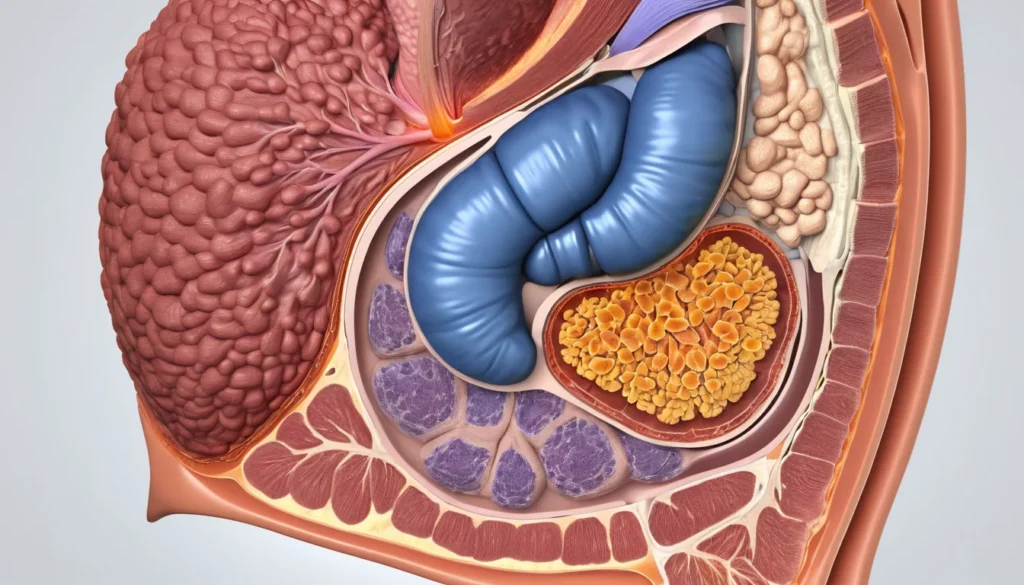
The pancreas is a large gland behind your stomach. It helps digest food and controls blood sugar by producing insulin. In autoimmune pancreatitis, the immune system attacks healthy pancreatic tissue instead of protecting it.
Doctors recognize two distinct subtypes: Type 1 and Type 2. Both cause inflammation, but they behave quite differently.
Type 1 Autoimmune Pancreatitis
Type 1 is the pancreatic form of a broader condition called IgG4-related disease (IgG4-RD). This disease can affect multiple organs at once, including the bile ducts in the liver, salivary glands, kidneys, and lymph nodes. It most commonly affects men over the age of 60. Type 1 is also more likely to return after treatment ends.
Type 2 Autoimmune Pancreatitis
Type 2 affects only the pancreas. However, about one-third of people with Type 2 also have inflammatory bowel disease, such as ulcerative colitis. This type affects men and women equally and tends to occur at a younger age than Type 1.
In Canada, the majority of autoimmune pancreatitis cases are Type 1, similar to patterns seen across North America. For more background on pancreatic conditions, visit Mayo Clinic’s overview of autoimmune pancreatitis.
Symptoms of Autoimmune Pancreatitis
One of the challenges with autoimmune pancreatitis is that it often causes no symptoms at all. When symptoms do appear, they closely resemble those of pancreatic cancer, which can lead to misdiagnosis.
Common signs and symptoms include:
Yellowing of the skin and eyes (jaundice)
Dark-coloured urine
Pale or greasy stools that float in the toilet
Pain in the upper abdomen or middle of the back
Nausea and vomiting
Unexplained weight loss
Loss of appetite or feeling full quickly
Extreme tiredness or weakness
The most common sign of Type 1 is painless jaundice, which occurs in about 80% of cases. This happens because the inflammation blocks the bile ducts. In contrast, Type 2 often shows up as repeated episodes of acute pancreatitis — sudden, severe attacks of abdominal pain.
Importantly, upper abdominal pain is a common symptom of pancreatic cancer, but it is frequently absent in autoimmune pancreatitis. This difference can be a useful clue for your doctor.
How Is It Different From Pancreatic Cancer?
Autoimmune pancreatitis and pancreatic cancer share many overlapping signs. Both can cause jaundice, weight loss, and changes in stool colour. However, they require very different treatments. Getting the correct diagnosis is essential — and potentially life-saving.
There is currently no established link between autoimmune pancreatitis and developing pancreatic cancer. That said, your doctor needs to rule out cancer before confirming an autoimmune diagnosis.
Causes and Risk Factors
Doctors do not yet know the exact cause of autoimmune pancreatitis. As with other autoimmune conditions — such as rheumatoid arthritis or lupus — the immune system appears to malfunction and attack healthy tissue. Researchers are still working to understand why this happens.
Who Is Most at Risk?
The two types of autoimmune pancreatitis tend to affect different groups of people.
People more likely to develop Type 1 autoimmune pancreatitis:
Are usually over the age of 60
Are more often male
People more likely to develop Type 2 autoimmune pancreatitis:
Are usually over the age of 40
Are equally likely to be male or female
Are more likely to have inflammatory bowel disease, such as ulcerative colitis
Both types occur worldwide, but Type 1 is more common in North America and Asia, while Type 2 appears more frequently in Europe.
Possible Complications
Left untreated or poorly managed, autoimmune pancreatitis can lead to several serious complications. The good news is that with proper treatment, most people can expect a normal life expectancy.
Pancreatic Exocrine Insufficiency
The pancreas produces enzymes that help break down food. Autoimmune pancreatitis can reduce this enzyme production. As a result, you may experience diarrhoea, weight loss, bone disease, or deficiencies in vitamins and minerals.
Diabetes
Because the pancreas makes insulin, damage from inflammation can lead to diabetes. Your doctor may need to prescribe oral medications or insulin therapy to manage your blood sugar levels. Your provincial health plan may cover some of these medications — check with your family doctor or pharmacist for details.
Bile Duct and Pancreatic Strictures
Inflammation can cause narrowing (strictures) in the bile ducts or pancreatic ducts, blocking the normal flow of digestive fluids. This can worsen jaundice and digestion problems.
Pancreatic Stones and Calcifications
Over time, calcium deposits or stones can form in the pancreas. These can cause pain and further affect pancreatic function.
Furthermore, long-term steroid treatment — the main therapy for this condition — can bring its own complications, including bone thinning and elevated blood sugar. Your doctor will monitor you carefully to manage these risks.
How Doctors Diagnose Autoimmune Pancreatitis
Diagnosing autoimmune pancreatitis is challenging because no single test confirms it. Doctors use a combination of imaging, blood tests, and sometimes a tissue biopsy to reach a diagnosis. The goal is also to rule out pancreatic cancer, which can look nearly identical on a scan.
Imaging Tests
Your doctor may order one or more of the following imaging tests:
CT scan — provides detailed cross-section images of the pancreas
MRI — gives a clearer picture of soft tissue and bile ducts
Endoscopic ultrasound (EUS) — uses a small camera and ultrasound probe inserted through the mouth
ERCP (Endoscopic Retrograde Cholangiopancreatography) — examines the bile and pancreatic ducts directly
People with autoimmune pancreatitis often show a generalized enlargement of the pancreas on imaging. However, a mass can also be present, which is why further testing is always needed.
Blood Tests
A key blood marker for Type 1 autoimmune pancreatitis is an elevated level of IgG4, a type of antibody produced by the immune system. Very high IgG4 levels strongly suggest Type 1 disease. However, a positive result alone does not confirm the diagnosis — a small number of people with pancreatic cancer also have elevated IgG4. Type 2 autoimmune pancreatitis usually does not raise IgG4 levels.
Endoscopic Biopsy
In some cases, a tissue sample is taken from the pancreas using a thin tube (endoscope) guided by ultrasound. A specialist pathologist examines the tissue under a microscope. Autoimmune pancreatitis has a distinctive appearance that an experienced pathologist can identify. This step is often important to distinguish the condition from cancer.
For a deeper look at how autoimmune diseases are diagnosed in Canada, Health Canada provides guidance on managing chronic and autoimmune conditions.
Treatment Options
The standard treatment for autoimmune pancreatitis is corticosteroids, most commonly prednisone. Most patients respond quickly and dramatically to steroid therapy — this is actually one of the key features that helps confirm the diagnosis.
Treatment typically begins with a higher dose of prednisone, which is gradually reduced over several weeks or months. Many people experience a full remission.
However, Type 1 autoimmune pancreatitis is more likely to relapse after treatment ends. In these cases, doctors may prescribe additional immunosuppressive medications to prevent the condition from returning. Type 2 tends to have a lower relapse rate.
Your specialist will work with your family doctor to monitor your response and adjust the treatment plan as needed. Most provincial health plans in Canada cover steroid therapy for diagnosed autoimmune conditions, though coverage for newer immunosuppressive drugs may vary by province.
For additional information on autoimmune conditions and treatment approaches, Healthline offers a detailed patient guide to autoimmune pancreatitis.
When to See a Doctor
Because autoimmune pancreatitis often has no symptoms, it is sometimes discovered during tests for another condition. However, you should see your family doctor or visit a walk-in clinic if you notice any of the following:
Yellowing of your skin or eyes (jaundice)
Unexplained weight loss
Persistent abdominal pain
Dark urine or pale, floating stools
Unusual fatigue that does not improve with rest
These symptoms can have many causes, some of which are serious. Do not wait to see if they go away on their own. Your family doctor can order initial blood work and imaging and refer you to a gastroenterologist or specialist if needed. In Canada, you can also access care through a walk-in clinic if you do not have a family doctor or cannot get a timely appointment.
Always speak with a qualified healthcare provider before drawing any conclusions about your health. Only a doctor can properly evaluate your symptoms and order the right tests.
Frequently Asked Questions About Autoimmune Pancreatitis
Is autoimmune pancreatitis the same as pancreatic cancer?
No, autoimmune pancreatitis is not cancer. However, it can look very similar to pancreatic cancer on imaging and through symptoms such as jaundice and weight loss. Accurate diagnosis is essential because the two conditions require very different treatments — autoimmune pancreatitis responds well to steroids, while cancer does not.
Can autoimmune pancreatitis be cured?
Many people with autoimmune pancreatitis achieve full remission with steroid treatment. Type 2 has a low relapse rate and may not return after one course of treatment. Type 1, however, is more likely to relapse, and some patients need long-term medication to keep the condition under control.
What does autoimmune pancreatitis feel like?
Many people with autoimmune pancreatitis feel no pain at all. When symptoms do occur, they can include yellowing of the skin and eyes, dark urine, fatigue, and unexplained weight loss. Unlike other forms of pancreatitis, upper abdominal pain is often absent in the autoimmune form.
Does autoimmune pancreatitis cause diabetes?
Yes, it can. Because the pancreas produces insulin, ongoing inflammation can damage insulin-producing cells and lead to diabetes. Your doctor will monitor your blood sugar levels throughout treatment and may prescribe diabetes medication or insulin if needed.
How is autoimmune pancreatitis diagnosed in Canada?
Canadian doctors use a combination of blood tests, imaging (CT, MRI, or endoscopic ultrasound), and sometimes a tissue biopsy to diagnose autoimmune pancreatitis. A blood test checking for elevated IgG4 antibodies is especially useful for Type 1. Your family doctor will typically refer you to a gastroenterologist or specialist for further investigation.
Is autoimmune pancreatitis a rare condition?
Yes, autoimmune pancreatitis is considered a rare condition. It accounts for a small percentage of all pancreatitis cases. Because it is uncommon and mimics more serious diseases like pancreatic cancer, it is frequently underdiagnosed or misdiagnosed, making specialist evaluation very important.
Key Takeaways
Autoimmune pancreatitis is a rare inflammatory condition where the immune system attacks the pancreas. There are two types: Type 1 (linked to IgG4-related disease, affects multiple organs) and Type 2 (affects only the pancreas, often linked to inflammatory bowel disease). It closely mimics pancreatic cancer — accurate diagnosis is essential and potentially life-saving. The most common symptom of Type 1 is painless jaundice; Type 2 often causes recurring episodes of acute pancreatitis. Diagnosis requires a combination of blood tests, imaging, and sometimes biop