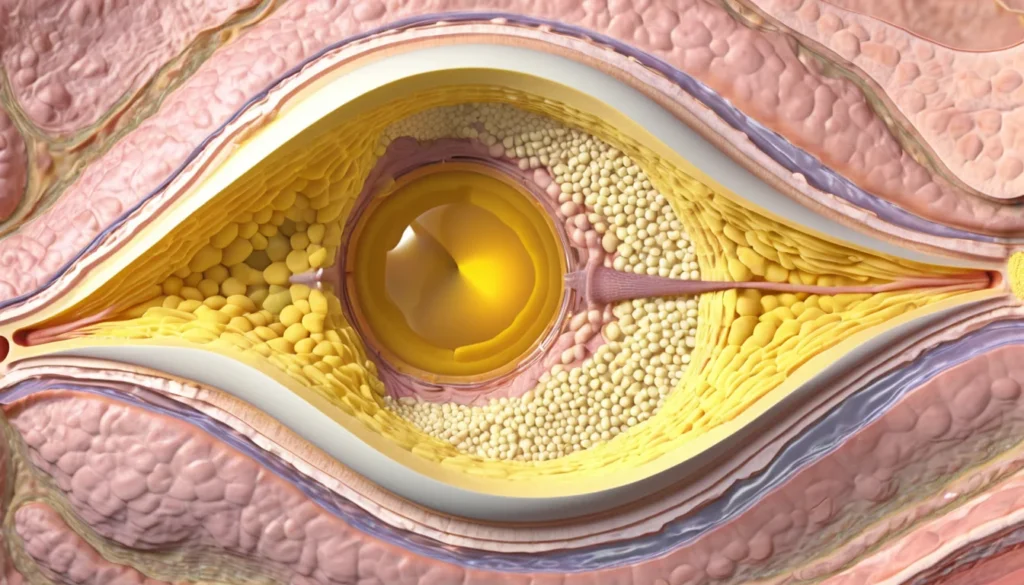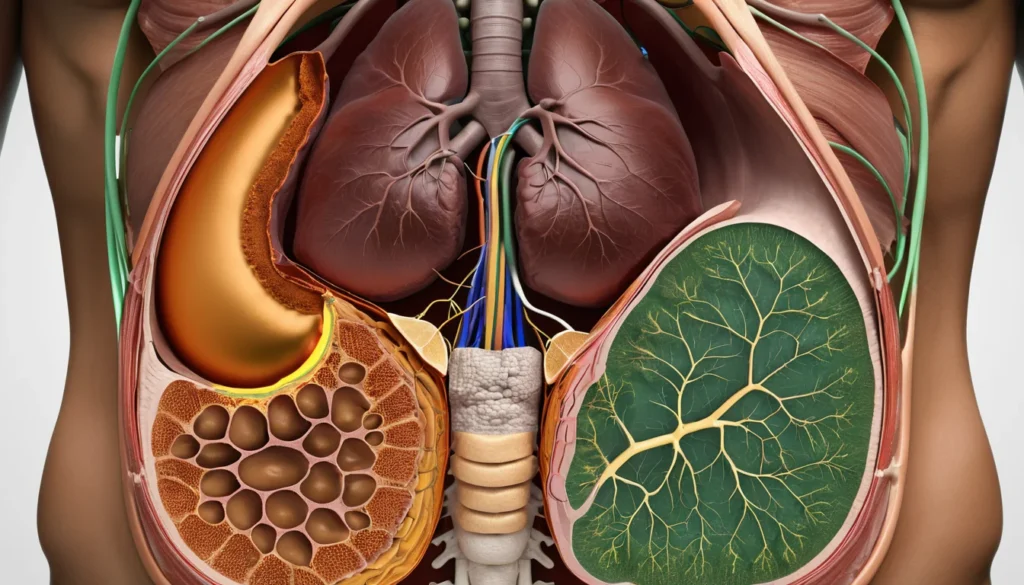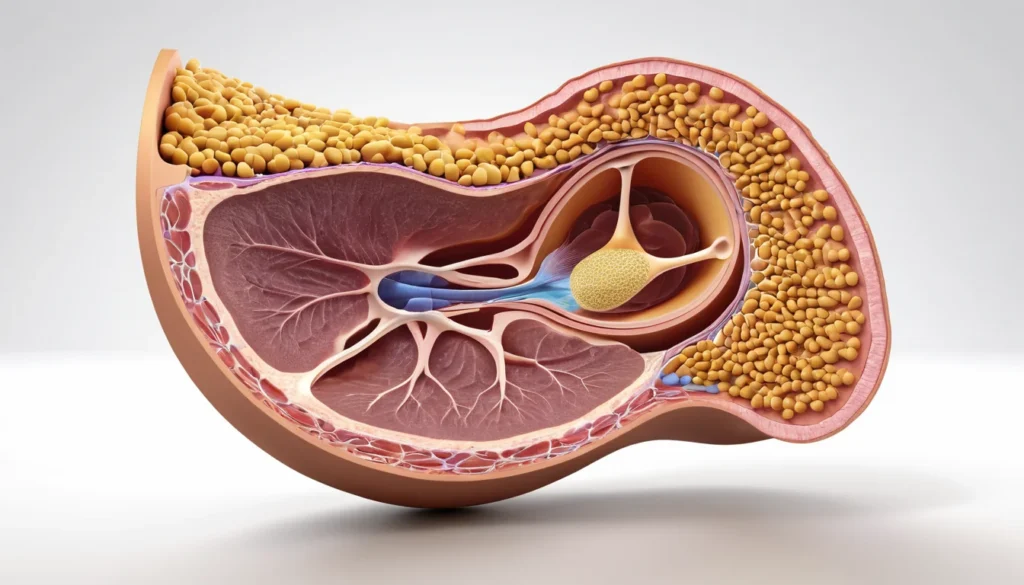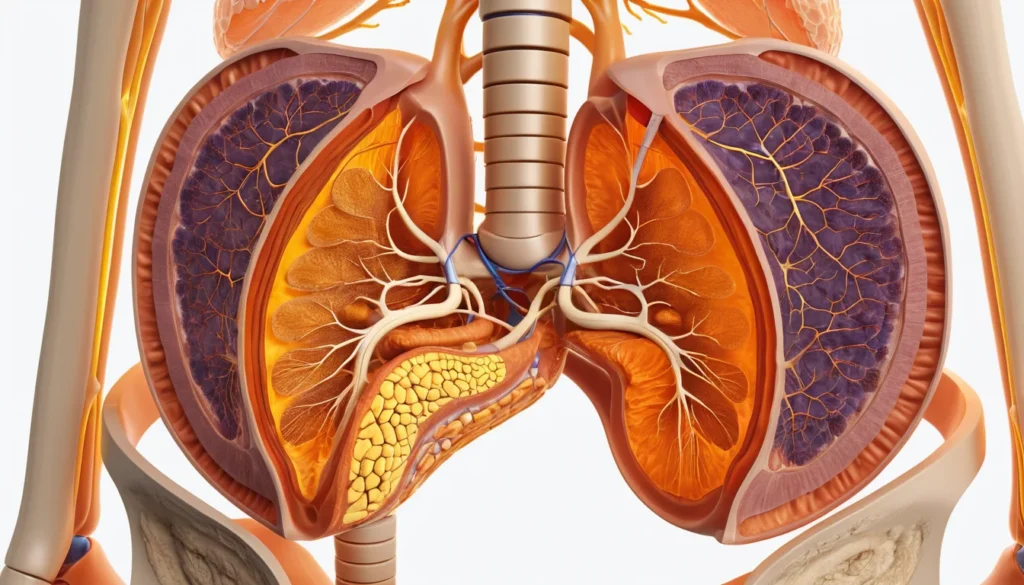
Autoimmune hepatitis is a rare but serious liver condition where your own immune system mistakenly attacks your liver. This causes inflammation and, over time, can lead to permanent liver damage. It affects women far more often than men, at a ratio of about four to one. Understanding the symptoms early and getting the right diagnosis can make a real difference in how well this condition is managed.
What Is Autoimmune Hepatitis?
In a healthy body, the immune system fights off viruses, bacteria, and other threats. However, in autoimmune hepatitis, the immune system gets confused and starts attacking healthy liver cells instead. This ongoing attack causes inflammation and injury to the liver.
This condition is considered chronic, meaning it develops and persists over a long period of time. If left untreated, it can progress to cirrhosis — a serious scarring of the liver. According to Mayo Clinic’s overview of autoimmune hepatitis, early treatment significantly improves long-term outcomes.
The exact cause is still not fully understood. Researchers believe that a combination of genetic factors and environmental triggers — such as certain infections — may set the disease in motion. It can appear at any age, but it is more commonly diagnosed in women and girls.
Types of Autoimmune Hepatitis
There are two main types of this condition. Knowing which type you have helps your doctor choose the right treatment approach.
Type 1 Autoimmune Hepatitis
Type 1 is the most common form. It is identified by the presence of specific proteins in the blood called antinuclear antibodies (ANA) and anti-smooth muscle antibodies (ASMA). This type can develop at any age and generally responds well to treatment.
Type 2 Autoimmune Hepatitis
Type 2 is less common and tends to appear in children and teenagers. It involves different antibodies, specifically anti-LKM-1 antibodies that target liver and kidney cells. Furthermore, Type 2 often follows a more aggressive course than Type 1 and requires careful long-term monitoring.
Signs and Symptoms to Watch For
One of the challenges with autoimmune hepatitis is that symptoms can vary widely from person to person. Some people have no symptoms at all in the early stages. Others experience symptoms that appear suddenly and feel severe right away.
The most common symptom is persistent fatigue — a deep tiredness that does not improve with rest. This can affect your daily activities, your work, and your overall quality of life.
Common Early Symptoms
Fatigue and low energy that does not go away
Abdominal discomfort, especially in the upper right side
Loss of appetite and unintended weight loss
Nausea or vomiting
Skin rashes or itching
Joint pain or achiness
Menstrual irregularities in women
In some cases, symptoms like fever, stomach pain, and yellowing of the skin and eyes — known as jaundice — can appear quite suddenly. This presentation can look similar to a viral infection like hepatitis A or B, which is why proper testing is so important.
Symptoms of Advanced Liver Disease (Cirrhosis)
When autoimmune hepatitis has caused significant liver damage, additional symptoms may appear. These are signs that the liver is struggling to function normally and require urgent medical attention.
Jaundice — yellowing of the skin and whites of the eyes
Severe itching all over the body
Easy bruising or bleeding that is hard to stop
Swollen abdomen due to fluid buildup (ascites)
Swollen ankles or legs (oedema)
Spider-like blood vessels visible on the skin
Mental confusion or difficulty thinking clearly
What Causes Autoimmune Hepatitis?
The exact cause of autoimmune hepatitis remains unclear. However, researchers believe that genetics and environmental factors work together over time to trigger the immune system’s attack on the liver.
Certain gene types — specifically HLA DR3 and DR4 — appear to increase a person’s risk. In addition, the condition is often linked to other autoimmune diseases, such as thyroid disease, rheumatoid arthritis, or type 1 diabetes.
Some infections may also act as triggers. These include:
Measles (rubeola)
Herpes simplex virus
Epstein-Barr virus (the virus that causes mono)
Hepatitis A, B, or C infection
As noted by Healthline’s guide to autoimmune hepatitis, the condition is not contagious. You cannot catch it from another person.
How Is Autoimmune Hepatitis Diagnosed?
Diagnosing autoimmune hepatitis involves a combination of blood tests, imaging, and in most cases, a liver biopsy. Your family doctor may start the process and then refer you to a gastroenterologist or hepatologist — a specialist in liver disease.
Blood Tests
Several blood tests help confirm the diagnosis and rule out other liver conditions like viral hepatitis B or C.
Liver function tests — measure enzymes like ALT, AST, GGT, and bilirubin to check for liver inflammation or damage
Complete blood count (CBC) — looks at your blood cells for signs of infection or anaemia
Prothrombin time — checks how well your blood clots, which reflects liver function
Protein electrophoresis — elevated immunoglobulin G (IgG) levels often point to autoimmune hepatitis
Autoimmune antibody panel — tests for ANA, anti-SMA, and anti-LKM antibodies to identify the type
Inflammatory markers — ESR and CRP levels show how much inflammation is present
Imaging and Biopsy
Imaging tests give your doctor a picture of what is happening inside your liver. These may include an abdominal ultrasound, a CT scan, or a FibroScan (elastography), which measures liver stiffness and fibrosis without surgery.
A liver biopsy is considered the gold standard for diagnosing autoimmune hepatitis. A small sample of liver tissue is taken using a needle guided by ultrasound. The sample is then examined under a microscope to confirm the diagnosis and assess the extent of damage. Your provincial health plan typically covers this procedure when medically necessary.
In some cases, an upper endoscopy may also be performed to check for enlarged veins in the oesophagus — a complication of advanced liver disease. For more information on liver health diagnostics, visit Health Canada’s hepatitis health information page.
Possible Complications
Without treatment, autoimmune hepatitis can lead to serious and permanent liver damage. The most significant complication is cirrhosis — extensive scarring that replaces healthy liver tissue.
Cirrhosis can then cause its own set of complications, including:
Oesophageal varices — enlarged, fragile veins in the oesophagus that can rupture and bleed severely
Ascites — fluid accumulation in the abdomen, causing significant discomfort
Liver failure — when the liver can no longer perform its essential functions
Liver cancer — a long-term risk in people with untreated cirrhosis
Therefore, early diagnosis and consistent treatment are critical. Most people who receive appropriate treatment can live full, healthy lives with this condition well managed.
When to See a Doctor
You should speak with your family doctor if you notice any of the following warning signs, especially if you already have a known autoimmune condition:
Yellowing of the skin or eyes (jaundice)
Persistent, unexplained fatigue
Changes in the colour of your urine (dark) or stool (pale)
Itchy skin without a clear cause
Pain or discomfort in the upper right side of your abdomen
Sudden swelling of the belly or ankles
If you do not have a family doctor, a walk-in clinic can be a good first step to get initial blood work done and receive a referral to a specialist. Do not wait if your symptoms are severe — go to your nearest emergency department if you experience confusion, significant bleeding, or sudden yellowing of the skin.
Always speak with a qualified healthcare provider before drawing any conclusions about your health. Only a doctor can properly diagnose and treat autoimmune hepatitis.
Frequently Asked Questions
Is autoimmune hepatitis curable?
Autoimmune hepatitis is not currently curable, but it is very treatable. Most people with autoimmune hepatitis go into remission with immunosuppressive medications such as prednisone and azathioprine. With proper treatment and regular monitoring, many people live full and healthy lives.
Is autoimmune hepatitis contagious?
No, autoimmune hepatitis is not contagious. It is not caused by a virus or bacteria, so you cannot spread it to other people through contact. It is caused by the immune system mistakenly attacking the liver, influenced by genetic and environmental factors.
What triggers autoimmune hepatitis flare-ups?
Common triggers for autoimmune hepatitis flare-ups include stopping medication too soon, infections such as the Epstein-Barr virus or hepatitis viruses, and significant physical stress. Some medications and hormonal changes may also trigger or worsen the condition. Always consult your doctor before making any changes to your treatment plan.
How is autoimmune hepatitis different from viral hepatitis?
Viral hepatitis is caused by a specific virus, such as hepatitis A, B, or C, and can sometimes be contagious. Autoimmune hepatitis, on the other hand, occurs when the immune system attacks the liver without a viral cause and is not contagious. Both conditions cause liver inflammation, which is why blood tests and a liver biopsy are needed to tell them apart.
Can children get autoimmune hepatitis?
Yes, autoimmune hepatitis can affect children, particularly Type 2 autoimmune hepatitis, which more commonly appears in childhood and adolescence. Type 2 tends to be more aggressive in young patients and requires close medical supervision. If your child shows symptoms like persistent fatigue, jaundice, or abdominal pain, speak with your paediatrician right away.
Does autoimmune hepatitis qualify for coverage under provincial health plans in Canada?
Yes, diagnosis and treatment of autoimmune hepatitis — including blood tests, imaging, liver biopsies, and specialist referrals — are generally covered under provincial and territorial health plans across Canada. The cost of medications may vary by province, so check with your provincial drug benefit programme. Talk to your family doctor or walk-in clinic provider to get the process started.
Key Takeaways
Autoimmune hepatitis is a chronic condition where the immune system attacks the liver, causing inflammation and potential long-term damage.
It affects women much more often than men and can develop at any age.
Common symptoms include fatigue, jaundice, abdominal discomfort, and joint pain — but some people have no symptoms at all early on.
Diagnosis requires blood tests, imaging, and usually a liver biopsy to confirm the type and extent of liver damage.
Although there is no cure, most people respond well to immunosuppressive treatment and can achieve remission.
Untreated autoimmune hepatitis can lead to cirrhosis and serious complications, so early medical attention is essential.
If you notice warning signs, speak with your family doctor or visit a walk-in clinic — and always consult a healthcare professional for proper diagnosis and care.