Autoimmune diseases happen when your immune system mistakenly attacks your own healthy cells and tissues. Instead of protecting you from bacteria and viruses, your immune system turns against your own body. These conditions affect millions of Canadians and can impact almost any organ or system. This article explains what autoimmune diseases are, how they are diagnosed, and what treatment options are available.
What Are Autoimmune Diseases?
Your immune system is your body’s defence network. It normally identifies harmful invaders — like bacteria, viruses, and abnormal cells — and destroys them before they cause harm.
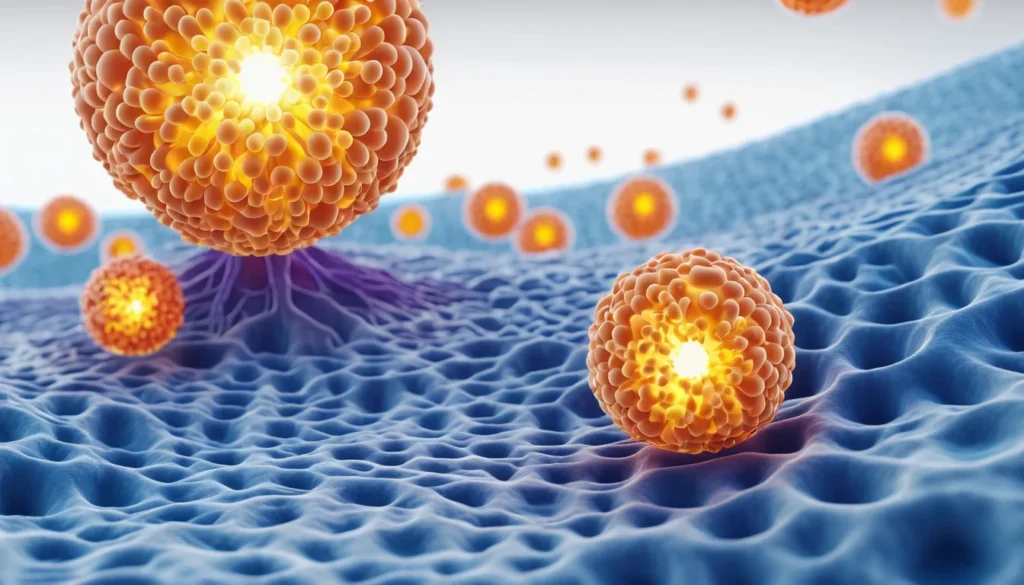
In autoimmune diseases, this system goes wrong. It mistakes healthy tissue for a threat and begins attacking it. As a result, the body can damage its own organs, joints, skin, and even the nervous system.
These conditions most commonly affect women of childbearing age. However, they can develop in anyone, at any age. Many autoimmune diseases run in families, which means genetics play an important role. Environmental factors can also weaken the immune system and trigger these conditions.
Common Types of Autoimmune Diseases
There are more than 80 known autoimmune diseases. Some affect the whole body, while others target a specific organ or system. Understanding the different types can help you recognize symptoms early.
Systemic Autoimmune Diseases
Systemic autoimmune diseases affect multiple organs and body systems at the same time. Some of the most common include:
Rheumatoid arthritis and juvenile arthritis — mainly affect the joints, and sometimes the skin or lungs
Systemic lupus erythematosus (lupus) — affects the skin, kidneys, joints, brain, and red blood cells
Scleroderma — affects the skin and intestines, and rarely the lungs
Goodpasture syndrome — affects the lungs and kidneys
Granulomatosis with polyangiitis (Wegener’s) — affects blood vessels, sinuses, lungs, and kidneys
Polymyalgia rheumatica — causes pain and stiffness in large muscle groups
Guillain-Barré syndrome — affects the nervous system
Organ-Specific Autoimmune Diseases
Other autoimmune diseases are more focused on a single organ or tissue. For example:
Type 1 diabetes — damages the insulin-producing cells in the pancreas
Hashimoto’s thyroiditis and Graves’ disease — both affect the thyroid gland
Celiac disease, Crohn’s disease, and ulcerative colitis — affect the gastrointestinal tract
Multiple sclerosis — damages the protective covering of nerve fibres
Addison’s disease — affects the adrenal glands
Autoimmune hepatitis and primary biliary cirrhosis — affect the liver
Pernicious anaemia — affects the stomach’s ability to absorb vitamin B12
Myasthenia gravis — causes muscle weakness
Dermatomyositis — affects the skin and muscles
Temporal arteritis (giant cell arteritis) — affects arteries in the head and neck
According to the World Health Organization, autoimmune conditions are among the most complex chronic diseases affecting people worldwide.
Symptoms of Autoimmune Diseases
Symptoms of autoimmune diseases vary widely depending on the condition and the person. However, many autoimmune diseases share a set of common warning signs.
Some of the most frequently reported symptoms include:
Inflammation in joints, muscles, or skin
Fatigue that does not improve with rest
Dizziness and a general feeling of being unwell
Fever or a persistently raised body temperature
Extreme sensitivity to cold
Muscle weakness and joint stiffness
Unexplained weight changes
Digestive problems such as bloating, cramping, or diarrhoea
Blood pressure changes — either too high or too low
Mood changes including irritability, anxiety, or depression
Hormonal symptoms such as low libido or fertility problems
Blood sugar fluctuations
Because these symptoms overlap with so many other conditions, autoimmune diseases can be difficult to identify right away. Furthermore, symptoms often come and go in flares, making them even harder to pin down.
Causes and Risk Factors
Researchers have not yet found a single clear cause for autoimmune diseases. However, several risk factors appear to increase a person’s chances of developing one.
Genetic Factors
Autoimmune diseases tend to run in families. If a parent or sibling has one, your risk is higher. That said, genetics alone do not determine whether you will develop a condition.
Environmental Triggers
Certain environmental factors can trigger or worsen autoimmune diseases in people who are already genetically prone. These include:
Exposure to toxins and pollutants
Viral infections
Excessive sun exposure
High iodine intake
Chronic stress and anxiety
Pregnancy (which can alter immune activity)
Lifestyle Factors
A poor diet, lack of physical activity, not getting enough sleep, and heavy use of alcohol or tobacco can all weaken the immune system. Therefore, these lifestyle habits may raise the risk of developing an autoimmune condition or make an existing one worse.
For more information on how lifestyle affects immune health, visit Healthline’s guide to autoimmune disorders.
How Are Autoimmune Diseases Diagnosed?
Diagnosing autoimmune diseases can take time. In the early stages, symptoms are often vague and easy to confuse with other conditions. As a result, many people wait months or even years before getting a clear diagnosis.
Your doctor will typically start with a full physical examination and a review of your medical and family history. From there, they may order a range of tests, such as:
Blood tests to check for signs of inflammation
Antibody tests to detect specific immune system abnormalities
Thyroid function tests if a thyroid condition is suspected
Rheumatoid factor testing for arthritis-related conditions
Acetylcholine receptor antibody tests for myasthenia gravis
Depending on your symptoms, your family doctor may refer you to a specialist. Specialists involved in treating autoimmune diseases include rheumatologists, neurologists, endocrinologists, nephrologists, gastroenterologists, dermatologists, and haematologists.
Treatment Options for Autoimmune Diseases
Most autoimmune diseases cannot be cured. However, treatments can manage symptoms, reduce flares, and improve quality of life significantly. Treatment plans depend on the specific disease and how it affects each person.
Conventional Medical Treatments
Your doctor may recommend one or more of the following:
Over-the-counter anti-inflammatory medications such as ibuprofen or aspirin for mild symptoms
Prescription non-steroidal anti-inflammatory drugs (NSAIDs) to control inflammation
Immunosuppressant medications to reduce immune system activity and prevent organ damage
Antidepressants or anxiety medications to address the mental health effects of chronic illness
Plasmapheresis — a filtering procedure that removes harmful molecules from the blood
Radiation therapy in specific cases
Complementary and Supportive Therapies
Many Canadians choose to combine conventional medicine with complementary approaches. These are not replacements for medical treatment, but some people find them helpful alongside their prescribed care. Options may include:
Acupuncture
Dietary modifications (such as an anti-inflammatory diet)
Tai chi and gentle movement practices
Psychotherapy and counselling
Music therapy
Always discuss complementary therapies with your healthcare provider before starting them, especially if you are taking prescription medications.
Healthy Lifestyle Tips
Simple daily habits can make a real difference in managing autoimmune diseases. Consider the following:
Eat a balanced diet rich in fresh fruits and vegetables, whole grains, and lean proteins such as fish and poultry
Stay physically active with gentle, regular exercise suited to your energy levels
Prioritise sleep and rest — your body needs time to recover
Reduce stress through mindfulness, breathing exercises, or talking to someone you trust
Limit alcohol and avoid smoking
Stay connected with supportive friends, family, or community groups
The Health Canada website offers helpful resources on chronic disease management and healthy living programmes across all provinces and territories.
When to See a Doctor
If you have been experiencing unexplained fatigue, joint pain, skin changes, or other persistent symptoms, it is important to speak with a healthcare provider. Do not wait for symptoms to become severe.
In Canada, you can start by booking an appointment with your family doctor. If you do not have a family doctor, a walk-in clinic is a good first step. A walk-in doctor can run basic tests and refer you to a specialist if needed.
Many provincial health plans cover the cost of specialist referrals, blood tests, and follow-up care for chronic conditions. Check with your province’s health authority to understand what is covered under your plan.
Early diagnosis and treatment can slow the progression of many autoimmune diseases and help you maintain a better quality of life. Always consult a qualified healthcare professional for a proper diagnosis and treatment plan tailored to your situation.
Frequently Asked Questions About Autoimmune Diseases
What are the most common autoimmune diseases in Canada?
Some of the most common autoimmune diseases in Canada include rheumatoid arthritis, multiple sclerosis, type 1 diabetes, lupus, and thyroid conditions like Hashimoto’s thyroiditis and Graves’ disease. Multiple sclerosis has a notably high rate in Canada compared to other countries. If you suspect you have an autoimmune disease, speak with your family doctor for an assessment.
Can autoimmune diseases be cured?
Most autoimmune diseases cannot be permanently cured, but they can be effectively managed with the right treatment plan. Many people with autoimmune diseases live full, active lives with proper medical care and healthy lifestyle habits. Your doctor can help you find the combination of treatments that works best for your specific condition.
What triggers an autoimmune disease flare-up?
Common triggers for autoimmune disease flare-ups include stress, infections, sun exposure, hormonal changes, and certain foods or medications. Identifying your personal triggers can help you manage your condition more effectively. Keeping a symptom journal and sharing it with your healthcare provider is a useful strategy.
Are autoimmune diseases hereditary?
Yes, autoimmune diseases have a strong genetic component, meaning they can run in families. However, having a family member with an autoimmune disease does not guarantee that you will develop one. Environmental and lifestyle factors also play a significant role in whether these conditions develop.
Why do autoimmune diseases affect women more than men?
Autoimmune diseases are significantly more common in women, particularly during their reproductive years. Researchers believe hormonal differences, especially the role of oestrogen, may influence how the immune system behaves. Genetic and environmental factors are also thought to contribute to this difference.
How are autoimmune diseases diagnosed in Canada?
In Canada, autoimmune diseases are typically diagnosed through a combination of physical examination, medical history review, and blood tests ordered by your family doctor or a specialist. Your doctor may test for specific antibodies, inflammation markers, or organ function depending on your symptoms. Provincial health plans generally cover these diagnostic tests when referred by a physician.
Key Takeaways
Autoimmune diseases occur when the immune system attacks the body’s own healthy tissues by mistake. There are more than 80 types, ranging from rheumatoid arthritis and lupus to type 1 diabetes and multiple sclerosis. Common symptoms include fatigue, inflammation, joint pain, and digestive problems — but symptoms vary widely between individuals. Causes are not fully understood, but genetics, environmental triggers, and lifestyle