Autoimmune arthritis is a group of chronic conditions in which the body’s immune system mistakenly attacks healthy joint tissue, causing persistent pain, swelling, and potential long-term damage. Affecting millions of Canadians across all age groups, these conditions range from rheumatoid arthritis in adults to juvenile idiopathic arthritis in children — and early recognition is critical for preserving joint function and quality of life.
What Is Autoimmune Arthritis and How Does It Affect Canadians?
Understanding the different types of autoimmune joint disease, their warning signs, and the latest treatment options empowers Canadians to seek timely medical care. Whether you are experiencing early rheumatoid arthritis symptoms or concerned about a child’s unexplained joint pain, this comprehensive guide covers what you need to know about diagnosis, management, and living well with autoimmune arthritis in Canada.
What Is Autoimmune Arthritis?
Common Types of Autoimmune Arthritis: Characteristics and Management
| Type of Autoimmune Arthritis | Key Characteristics | Who It Affects | Primary Management |
|---|---|---|---|
| Rheumatoid Arthritis (RA) | Symmetric joint inflammation, morning stiffness lasting over 1 hour, affects small joints of hands and feet first | Most common in women aged 30–60; affects approximately 300,000 Canadians | DMARDs (e.g., methotrexate), biologics, NSAIDs, physiotherapy |
| Psoriatic Arthritis (PsA) | Joint pain and swelling accompanied by psoriatic skin plaques; can cause dactylitis (sausage fingers) and nail changes | Affects up to 30% of people with psoriasis; occurs equally in men and women | NSAIDs, DMARDs, biologic therapies (TNF inhibitors), skin treatment |
| Ankylosing Spondylitis (AS) | Chronic inflammation of the spine and sacroiliac joints; can lead to spinal fusion and reduced mobility over time | More common in men; typically diagnosed before age 45 | NSAIDs, biologic agents (IL-17 inhibitors), regular exercise, physiotherapy |
| Lupus-Related Arthritis | Joint pain and swelling as part of systemic lupus erythematosus (SLE); typically non-erosive with migratory joint involvement | Predominantly affects women of childbearing age; higher prevalence in Indigenous and racialized communities in Canada | Hydroxychloroquine, corticosteroids, immunosuppressants, rheumatologist monitoring |
| Juvenile Idiopathic Arthritis (JIA) | Onset before age 16; persistent joint inflammation for at least 6 weeks; risk of eye inflammation (uveitis) | Most common form of autoimmune arthritis in Canadian children; affects approximately 1 in 1,000 children | NSAIDs, methotrexate, biologic therapies, occupational therapy, regular ophthalmology screening |
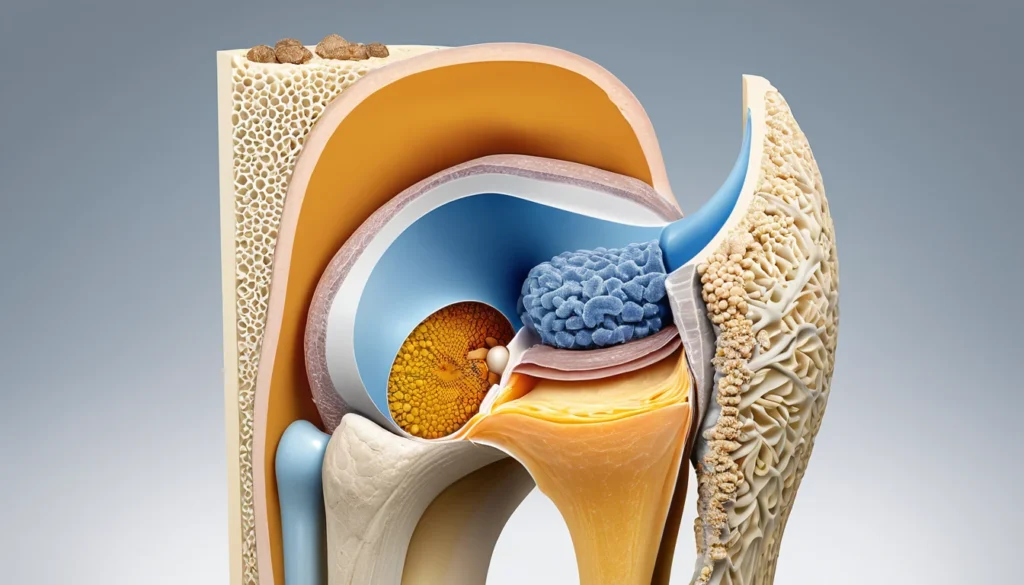
In a healthy immune system, the body fights off infections and foreign threats. In autoimmune arthritis, the immune system turns against the body’s own joint tissue. This causes ongoing inflammation that damages cartilage, bone, and ligaments over time.
Joint diseases make up nearly half of all chronic conditions in people over age 65. However, autoimmune arthritis does not only affect older adults. It can develop in children, teenagers, and young adults as well. Early diagnosis and treatment are key to preventing serious, lasting damage.
For more information on autoimmune conditions, visit Health Canada’s official health resources.
Juvenile Idiopathic Arthritis: Autoimmune Arthritis in Children
Juvenile idiopathic arthritis (JIA) is the most common rheumatic disease in children. It affects between 16 and 150 children per 100,000. It appears before the age of 16 and lasts longer than six weeks.
JIA is a leading cause of both short-term and long-term disability in young people. It can affect bone growth and may eventually require joint replacement at a young age. Many children with JIA are unable to attend school regularly or take part in normal activities for their age.
Types of Juvenile Idiopathic Arthritis
JIA is not a single condition — it is a group of different subtypes. Each type has its own pattern of symptoms and affected joints. The main types include:
Systemic JIA: Affects one or more joints and is accompanied by daily fever lasting at least three days, along with other symptoms throughout the body.
Oligoarticular JIA: Affects one to four joints during the first six months of the disease.
Polyarticular JIA (RF+ and RF−): Affects five or more joints in the first six months. RF refers to rheumatoid factor, a protein found in blood tests.
Psoriatic JIA: Associated with the skin condition psoriasis.
Enthesitis-related JIA: Involves inflammation where tendons and ligaments attach to bone.
Undifferentiated JIA: Does not clearly fit into any other category.
Because of these differences, treatment must be tailored to each child’s specific subtype, disease activity, and any symptoms affecting other parts of the body.
Symptoms of Juvenile Idiopathic Arthritis
Some symptoms appear across all forms of JIA. Parents and caregivers should watch for these warning signs:
Joint pain and swelling that comes and goes — or stays persistent
Morning stiffness lasting more than one hour
Irritability or unexplained changes in behaviour
Limping or avoiding the use of certain joints
Reluctance to walk or move normally
It is worth noting that children do not always clearly express pain. Some children may describe stiffness more than pain. In addition, some specialists believe that children may downplay or hide their discomfort to avoid medical procedures. Therefore, parents should pay close attention to changes in movement and daily behaviour.
A multidisciplinary care team — including a pediatric rheumatologist, orthopaedic specialist, physiotherapist, and ophthalmologist — is essential for managing JIA properly. Most provincial health plans in Canada cover referrals to these specialists through your family doctor.
Rheumatoid Arthritis: Autoimmune Arthritis in Adults
Rheumatoid arthritis (RA) is the most common form of inflammatory joint disease in adults. It affects approximately 1% of the general population. RA is a form of autoimmune arthritis that primarily targets the small joints of the hands, wrists, feet, and ankles.
RA is more common in women than in men. It most often develops between the ages of 25 and 50. However, it can appear at any age, including in children — in which case it is referred to as juvenile rheumatoid arthritis.
What Causes Rheumatoid Arthritis?
The exact cause of RA is not fully understood. However, it is known to be an autoimmune disease. The immune system attacks the soft tissue lining inside joints, as well as connective tissue in other structures such as blood vessels and lungs.
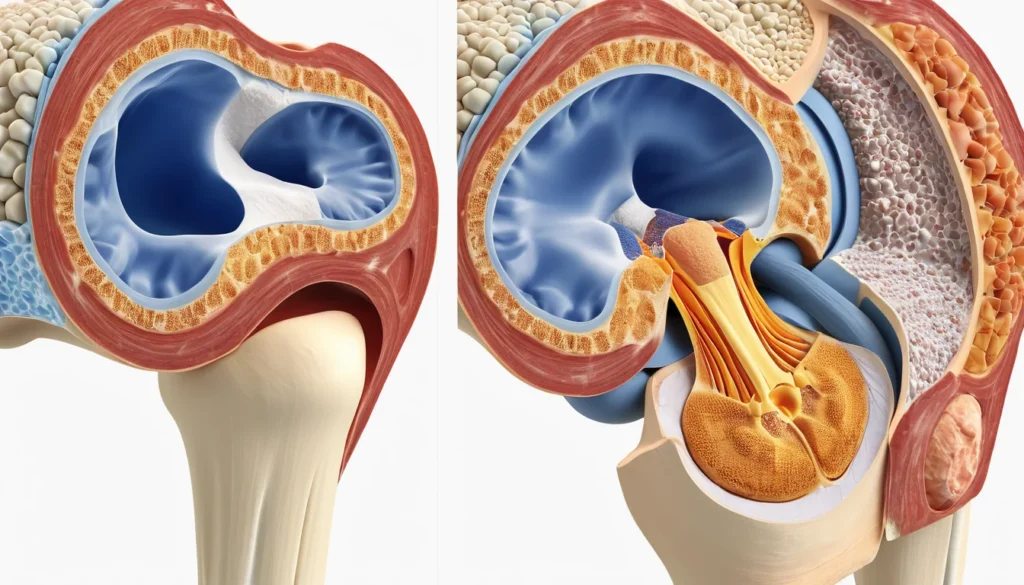
Over time, this immune attack causes erosion of cartilage, bone, and ligaments. As a result, joints become deformed, unstable, and scarred with fibrous tissue. The speed of joint destruction varies from person to person. Genetic factors play an important role in how the disease develops and progresses.
Learn more about rheumatoid arthritis causes and risk factors at the Mayo Clinic’s rheumatoid arthritis resource.
Symptoms of Rheumatoid Arthritis
RA can develop gradually or come on suddenly. The earliest symptoms often include:
Morning stiffness lasting more than one hour
Swollen, tender joints — especially in the fingers, wrists, and feet
Persistent fatigue and general tiredness
Symmetrical joint involvement — both sides of the body affected equally
As the disease progresses, joint pain typically becomes more intense. Affected areas are especially painful and rigid in the morning or after long periods of rest. Furthermore, the joints may visibly enlarge due to swelling, or become permanently deformed over time.
In some cases, small finger joints can shift toward the little finger, creating a visible change in hand shape. Swollen joints near nerves can also compress them, leading to numbness or tingling — a condition known as carpal tunnel syndrome.
Rheumatoid Nodules and Other Signs
Up to 30% of people with RA develop rheumatoid nodules. These are firm lumps that form just under the skin, usually near affected joints. They are not typically painful, but they are a sign that the disease is active.
RA can also affect organs beyond the joints. In serious cases, it may involve the lungs, heart, and blood vessels. This makes RA not just a painful joint condition — it can also be life-threatening if left untreated.
How Autoimmune Arthritis Is Treated
Modern treatment for autoimmune arthritis focuses on three main goals: early diagnosis, early treatment, and tight control of disease activity. When treatment begins before serious joint damage occurs, it is possible to achieve remission — a state where symptoms are minimal or absent.
Unfortunately, many patients reach a rheumatologist only after disability has already set in. At that stage, achieving full remission becomes much more difficult. This is why early intervention matters so much.
Common treatment approaches include:
Disease-modifying antirheumatic drugs (DMARDs): These slow down the disease process and help prevent joint damage.
Biologic therapies: Newer medicines that target specific parts of the immune system.
Anti-inflammatory medications: Help reduce pain and swelling during flare-ups.
Physiotherapy and occupational therapy: Help maintain joint function and daily independence.
Surgery: In advanced cases, joint replacement may be necessary.
In Canada, access to rheumatology specialists is available through a referral from your family doctor or a walk-in clinic. Some provinces also offer early arthritis clinics designed to fast-track diagnosis and treatment. Check with your provincial health plan to understand what is covered in your area.
For a global perspective on arthritis management, the World Health Organization’s musculoskeletal conditions fact sheet provides helpful context.
Living With Autoimmune Arthritis
A diagnosis of autoimmune arthritis changes daily life — but it does not have to stop it. Many Canadians with RA or JIA live full, active lives with the right support and treatment plan.
Lifestyle changes can make a meaningful difference. Regular low-impact exercise — such as swimming, walking, or cycling — helps keep joints flexible and reduces stiffness. A balanced diet rich in fibre, omega-3 fatty acids, and anti-inflammatory foods also supports overall joint health.
Mental health is equally important. Chronic pain conditions like autoimmune arthritis are closely linked to anxiety and depression. Talking to your family doctor about mental health support is a sign of strength, not weakness. Many provincial programmes offer counselling and peer support for people living with chronic illness.
When to See a Doctor
You should speak to a healthcare provider if you or your child experiences joint pain or swelling that lasts more than a few weeks. Morning stiffness that takes longer than an hour to ease is also a reason to seek care. Do not wait for symptoms to become severe before getting help.
Start by visiting your family doctor or a walk-in clinic. They can order blood tests, refer you to a rheumatologist, and help you understand your provincial coverage for specialist care. Early action leads to better outcomes — for both children and adults with autoimmune arthritis.
Always consult a qualified healthcare professional before starting or changing any treatment. The information in this article is for educational purposes only and does not replace medical advice.
Frequently Asked Questions About Autoimmune Arthritis
What is the difference between autoimmune arthritis and regular arthritis?
Regular arthritis, such as osteoarthritis, results from wear and tear on joints over time. Autoimmune arthritis, such as rheumatoid arthritis, happens when the immune system mistakenly attacks healthy joint tissue. This causes inflammation, pain, and damage that goes beyond normal aging.
Can children get autoimmune arthritis?
Yes — juvenile idiopathic arthritis is a form of autoimmune arthritis that affects children under the age of 16. It is the most common rheumatic disease in children and can cause significant disability if not treated early. Parents who notice joint swelling, limping, or morning stiffness in their child should speak to a family doctor promptly.
Is autoimmune arthritis curable?
There is currently no cure for autoimmune arthritis, but modern treatments can achieve remission — meaning symptoms become very minimal or disappear. Early diagnosis and treatment greatly improve the chances of remission and prevent lasting joint damage. Ongoing care with a rheumatologist is essential for long-term management.
What are the first signs of rheumatoid arthritis?
The earliest signs of rheumatoid arthritis — a common form of autoimmune arthritis — include morning joint stiffness lasting over an hour, swollen and tender fingers or wrists, and persistent fatigue. Symptoms often affect both sides of the body equally. If you notice these signs, book an appointment with your family doctor as soon as possible.
How is autoimmune arthritis diagnosed in Canada?
Diagnosis typically begins with a visit to your family doctor or a walk-in clinic. They will review your symptoms, conduct a physical examination, and order blood tests to look for markers like rheumatoid factor (RF) and inflammation levels. A referral to a rheumatologist is usually needed to confirm the diagnosis of autoimmune arthritis and begin a treatment plan.
Does diet affect autoimmune arthritis?
According to Public Health Agency of Canada’s arthritis resources, this information is supported by current medical research.
For more information, read our guide on iron deficiency anemia, another common autoimmune-related condition.
Diet alone cannot treat autoimmune arthritis, but eating well can help manage symptoms. Foods high in omega-3 fatty acids, fibre, and antioxidants — such as leafy greens, fish, and whole grains — may help reduce inflammation. Talk to your doctor or a registered dietitian about a meal plan that supports your joint health.
Key Takeaways
Autoimmune arthritis occurs when the immune system attacks the body’s own joint tissue, causing inflammation and damage.
Juvenile idiopathic arthritis (JIA) is the most common rheumatic disease in children and requires a multidisciplinary care team.
Rheumatoid arthritis affects about 1% of adults and is more common in women between the ages of 25 and 50.
Early diagnosis and early treatment are the most important factors in preventing permanent disability.
Modern treatments, including DMARDs and biologic therapies, can help many patients reach remission.
Canadians can access care through their family doctor, walk-in clinic, or provincial early arthritis programmes.
Always speak with a qualified healthcare professional about your symptoms and treatment options.
Frequently Asked Questions
What is autoimmune arthritis?
Autoimmune arthritis is a condition where the immune system mistakenly attacks healthy joint tissue, causing chronic inflammation, pain, and joint damage. Unlike osteoarthritis caused by wear and tear, autoimmune arthritis results from immune dysfunction. Common types include rheumatoid arthritis, psoriatic arthritis, and ankylosing spondylitis, affecting hundreds of thousands of Canadians.
What are the symptoms of autoimmune arthritis?
Common symptoms include persistent joint pain, swelling, warmth, and stiffness — especially in the morning lasting over 30 minutes. Fatigue, fever, and reduced range of motion are also typical. Symptoms often affect multiple joints symmetrically and may flare unpredictably. Early diagnosis is essential to prevent irreversible joint damage.
How is autoimmune arthritis treated in Canada?
Treatment typically includes disease-modifying antirheumatic drugs (DMARDs) like methotrexate, biologics, and anti-inflammatory medications. Canadian rheumatologists also recommend physical therapy, occupational therapy, and lifestyle modifications. Most provincial health plans cover essential medications, though biologic treatments may require private insurance or special authorization programs.
Can autoimmune arthritis be prevented?
Autoimmune arthritis cannot be fully prevented due to genetic factors, but certain lifestyle choices may reduce risk or slow progression. Quitting smoking, maintaining a healthy weight, eating an anti-inflammatory diet, and exercising regularly are recommended. Early intervention after diagnosis can significantly prevent long-term joint damage and disability.
When should you see a doctor for autoimmune arthritis?
See a doctor if you experience persistent joint pain, swelling, or morning stiffness lasting longer than six weeks, especially affecting multiple joints. Early diagnosis dramatically improves outcomes. Ask your family doctor for a referral to a rheumatologist — in Canada, wait times vary by province, so seeking assessment promptly is strongly advised.