Autism in children is a brain development disorder that affects how a child communicates, behaves, and relates to the people around them. Signs often appear before a child turns three years old. With early diagnosis and the right support, many children with autism go on to lead full and meaningful lives. This article explains what autism is, what to look for, and how Canadian families can find help.
What Is Autism in Children?
Autism — also called autism spectrum disorder (ASD) — affects how the brain processes information. It changes how a child experiences the world through their senses, relationships, and communication. According to Health Canada, autism spectrum disorder is one of the most common neurodevelopmental conditions in Canada.
The word “spectrum” is important. Autism looks different in every child. Some children need support in nearly all areas of daily life. Others can function very independently and attend a regular school.
Autism is a lifelong condition. However, it does not mean a child cannot grow, learn, and thrive. Early treatment makes a real difference in how well a child develops over time.
Early Signs of Autism in Children
Parents are often the first to notice something is different. Most signs of autism in children appear in the first two to three years of life. Sometimes, a child seems to develop normally at first, then begins to lose skills they had already gained.
Common early signs include:
Not making eye contact with caregivers
Not responding to their name by 12 months
Not pointing at objects to show interest by 14 months
Not playing pretend games by 18 months
Avoiding physical contact, like not wanting to be held
Seeming uninterested in other children
Repeating words or phrases they have heard (called echolalia)
Becoming very upset when routines change
Many parents also wonder if their child has a hearing problem. A child with autism may ignore sounds in one moment, then react to a distant noise — like a train whistle — the next. If you notice this pattern, talk to your family doctor. A hearing test can help rule out other causes.
Signs During the Teenage Years
Autism does not stop at childhood. During adolescence, the challenges often shift. Many teenagers with autism gain new skills, but still find it hard to understand social cues and build friendships.
Puberty can be especially confusing for teens with autism. They may also have a slightly higher risk of developing depression, anxiety, or epilepsy during this time. Ongoing support from a healthcare team is important through these years.
Autism Symptoms: Three Main Areas
According to the Mayo Clinic’s overview of autism spectrum disorder, symptoms fall into three main areas. Understanding these areas helps families and doctors identify autism in children more clearly.
1. Social Interaction and Relationships
Children with autism often struggle to connect with others. This is not a choice — it is part of how their brain works. They may show little interest in sharing experiences or emotions with other people.
Common social symptoms include:
Difficulty making and keeping friendships
Trouble understanding other people’s feelings, such as sadness or pain
Limited facial expressions or body language
Not seeking comfort from caregivers when upset
2. Communication Challenges
Communication difficulties are a core part of autism. About 50% of people with autism never develop spoken language. Others do speak, but struggle with conversation and understanding.
Common communication symptoms include:
Delayed speech or no speech at all
Difficulty starting or keeping a conversation going
Repeating words or phrases out of context
Taking language very literally — for example, not understanding jokes or sarcasm
Trouble understanding the other person’s point of view in a conversation
3. Repetitive Behaviours and Restricted Interests
Children with autism often show strong, focused interests and a need for routine. These behaviours can feel comforting and predictable to them. Any change in routine can cause significant distress.
Common behavioural symptoms include:
Focusing intensely on one part of a toy, like spinning the wheels of a car
A deep interest in specific topics, like weather reports or train schedules
A strict need for sameness — eating the same foods, taking the same route to school
Repetitive physical movements, like hand-flapping or rocking
What Causes Autism in Children?
There is no single known cause of autism. Research strongly suggests that genetics play a major role. Autism tends to run in families, which points to inherited factors. Scientists believe multiple genes are involved, and research is ongoing to identify them.
Brain imaging studies have found differences in certain areas of the brain in people with autism — particularly areas linked to emotion and social connection. Some studies also suggest that children with autism may have higher levels of serotonin, a chemical messenger in the brain. However, these findings are still being studied.
Some experts also believe that environmental factors may play a role alongside genetics. So far, no single environmental cause has been confirmed. As the World Health Organization notes in its autism fact sheet, the causes are complex and likely involve a combination of factors.
It is important to note that vaccines do not cause autism. This has been studied extensively, and the scientific and medical community is clear on this point. Routine childhood vaccinations are safe and recommended for all Canadian children.
How Is Autism Diagnosed in Canada?
Getting a diagnosis for autism in children usually starts with your family doctor or paediatrician. They will observe your child and ask about their development and behaviour. If they have concerns, they will refer your child to a specialist — such as a developmental paediatrician, psychologist, or child psychiatrist.
There is no blood test for autism. Diagnosis is based on observing your child’s behaviour and development over time. A team of specialists often works together to give a full picture.
Wait times for specialist assessment can be long in some provinces. If you are concerned, ask your family doctor about the referral process in your area. Some provinces also offer developmental screening programmes through public health units.
Early Diagnosis Makes a Difference
The earlier autism is identified, the sooner a child can receive support. Early intervention programmes — often starting before age five — have strong evidence behind them. They can significantly improve a child’s communication, social skills, and independence.
Many children who receive intensive early support go on to attend mainstream schools and live independently as adults. This is why acting on early concerns is so important.
Treatment and Support Options
There is no cure for autism. However, there are many effective treatments and therapies that help children and families manage day-to-day life. Treatment plans are always tailored to the individual child.
Common support options include:
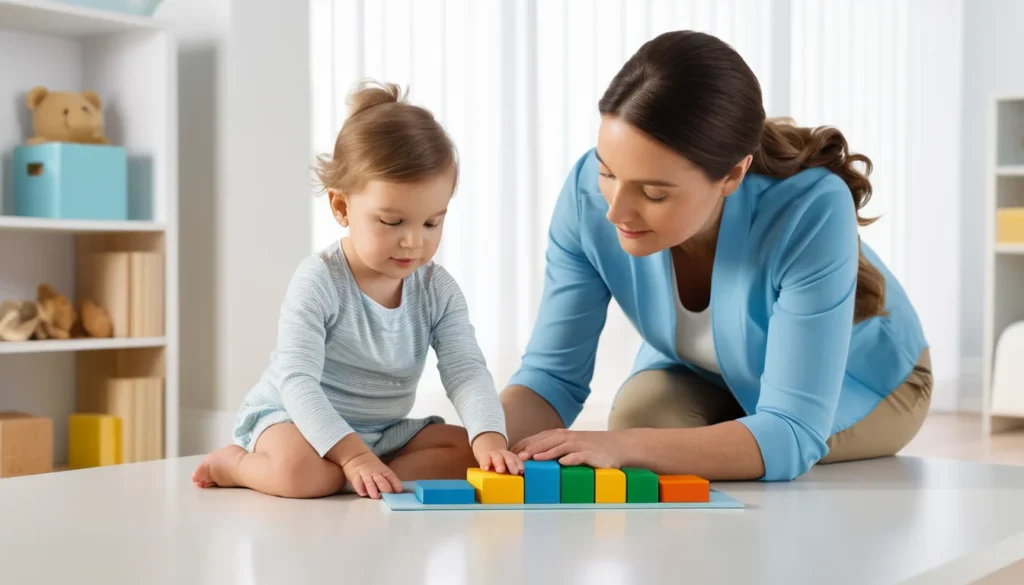
Behavioural therapy — such as Applied Behaviour Analysis (ABA), which builds communication and social skills
Speech-language therapy — to help with communication challenges
Occupational therapy — to support daily living skills and sensory processing
Social skills groups — to practise interacting with peers in a safe setting
Educational support — special education programmes or resource teachers in school
Family support and counselling — to help parents and siblings cope and connect
Provincial health plans cover some of these services, but coverage varies across Canada. Ask your family doctor or a social worker about what is available in your province and how to access funding or programmes.
When to See a Doctor
Trust your instincts as a parent. If something feels off about your child’s development, it is always worth bringing up with a healthcare provider. You do not need to wait for a crisis.
See your family doctor or paediatrician if your child:
Is not babbling or pointing by 12 months
Has no single words by 16 months
Has no two-word phrases by 24 months
Loses any language or social skills at any age
Does not make eye contact or respond to their name
Shows very repetitive behaviours that interfere with daily life
If you cannot get a quick appointment with your family doctor, a walk-in clinic can provide an initial assessment and help with a referral. Many provinces also have autism-specific helplines and resource centres you can call directly.
Always speak with a qualified healthcare professional before making decisions about your child’s diagnosis or treatment plan.
Frequently Asked Questions About Autism in Children
What are the first signs of autism in children?
The first signs of autism in children often include not making eye contact, not responding to their name, and delayed speech. Parents may also notice their child avoiding physical contact, showing little interest in other children, or repeating words and phrases. If you notice any of these signs, speak with your family doctor as early as possible.
At what age is autism usually diagnosed in Canada?
Most signs of autism in children appear before age three, though a formal diagnosis can happen later. In Canada, the average age of diagnosis is around four to five years old, though some children are diagnosed earlier with intensive developmental screening. Early diagnosis leads to earlier access to support programmes, which makes a significant difference in a child’s development.
Can autism be cured?
There is currently no cure for autism. However, autism in children can be managed effectively with the right combination of therapies, educational support, and family involvement. Many individuals with autism go on to live fulfilling, independent lives with appropriate support in place.
Do vaccines cause autism?
No — vaccines do not cause autism. This claim has been studied extensively by scientists and health authorities around the world, including Health Canada, and has been firmly disproved. Routine childhood vaccinations are safe, effective, and recommended for all Canadian children.
How is autism treated in Canada?
Autism treatment in Canada typically involves a combination of behavioural therapy, speech-language therapy, occupational therapy, and educational support. Provincial health plans cover some services, but funding and availability vary by province. Your family doctor or paediatrician can help you understand what programmes and resources are available in your area.
Is autism more common in boys or girls?
Autism in children is diagnosed about four times more often in boys than in girls. However, researchers believe autism may be underdiagnosed in girls because it can present differently — girls may be better at masking social difficulties. If you are concerned about your daughter’s development, do not hesitate to raise it with a healthcare provider.
Key Takeaways
Autism in children is a lifelong brain development disorder that affects communication, social interaction, and behaviour.
Signs usually appear before age three, though diagnosis sometimes comes later.
Autism is a spectrum — every child is affected differently, from mild to more significant challenges.
The exact cause is not fully known, but genetics play a strong role. Vaccines do not cause autism.
Early diagnosis and intervention lead to significantly better outcomes for children.
Effective treatments include behavioural therapy, speech therapy, occupational therapy, and educational support.
If you have concerns about your child’s development, start with your family doctor or a walk-in clinic — do not wait.
Provincial programmes and support services are available across Canada — ask your doctor what is covered in your province.