Oral Health
Sensitive Teeth: Causes, Prevention & Relief Tips
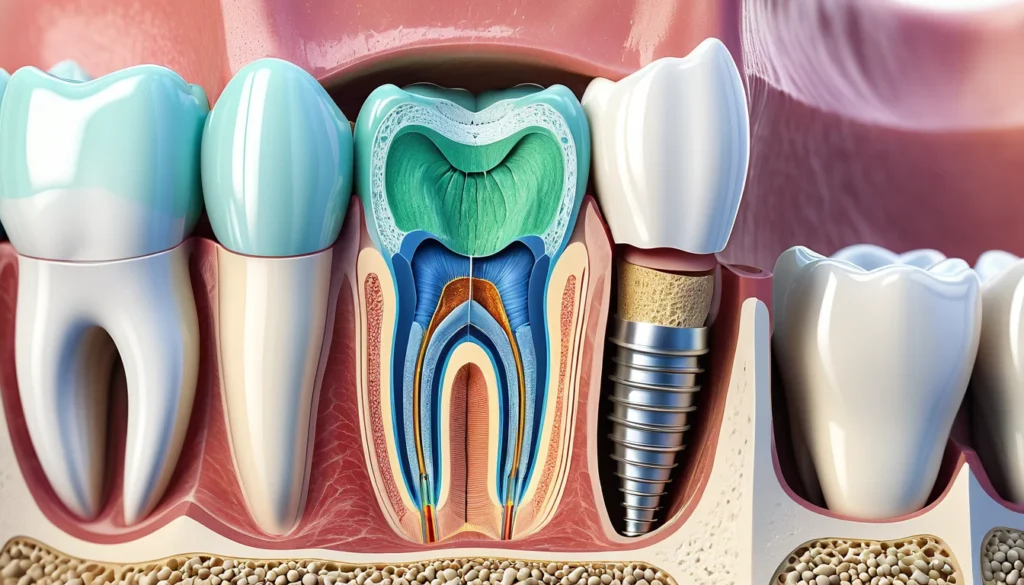
Sensitive teeth happen when the inner layer of your tooth, called dentine, becomes exposed. Dentine sits just below the hard outer …
Editorial Team · Canada Health Journal
Articles on Canada Health Journal are researched and written by our editorial team. Every article is checked for accuracy against guidance from Canadian and international health authorities — including Health Canada, the Public Health Agency of Canada, and peer-reviewed medical literature — and updated as guidance changes.
Our content is written for general education. It is not medical advice and is not a substitute for consulting a licensed healthcare professional. See our Editorial Policy, Corrections Policy, and Medical Disclaimer for how we source, review, and correct our content.
Sensitive teeth happen when the inner layer of your tooth, called dentine, becomes exposed. Dentine sits just below the hard outer …
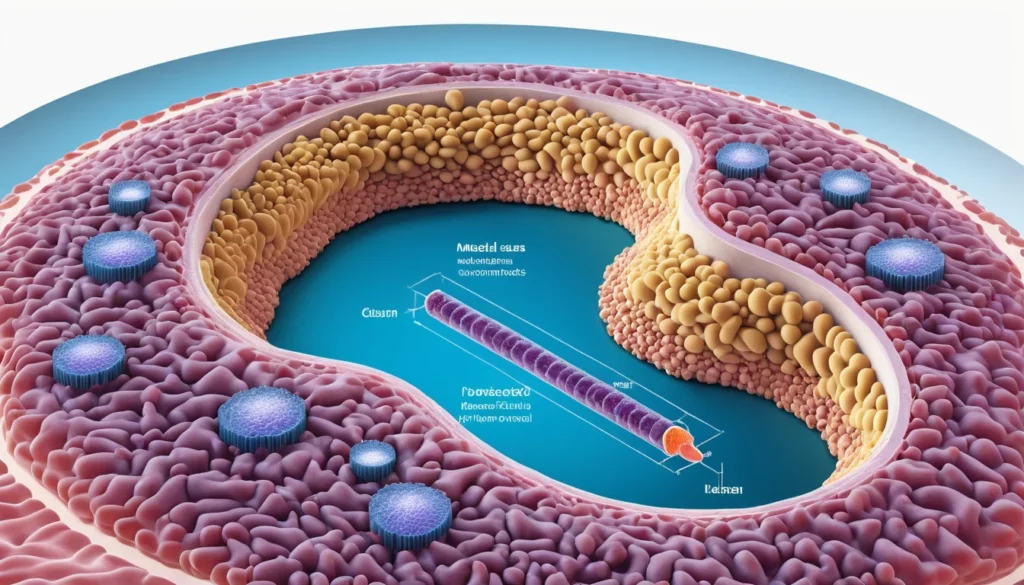
Type 1 diabetes is an autoimmune condition. The immune system mistakenly attacks and destroys the insulin-producing beta cells in …
Type 1 diabetes is an endocrine condition. The pancreas produces little or no insulin, so the body cannot properly process glucose …
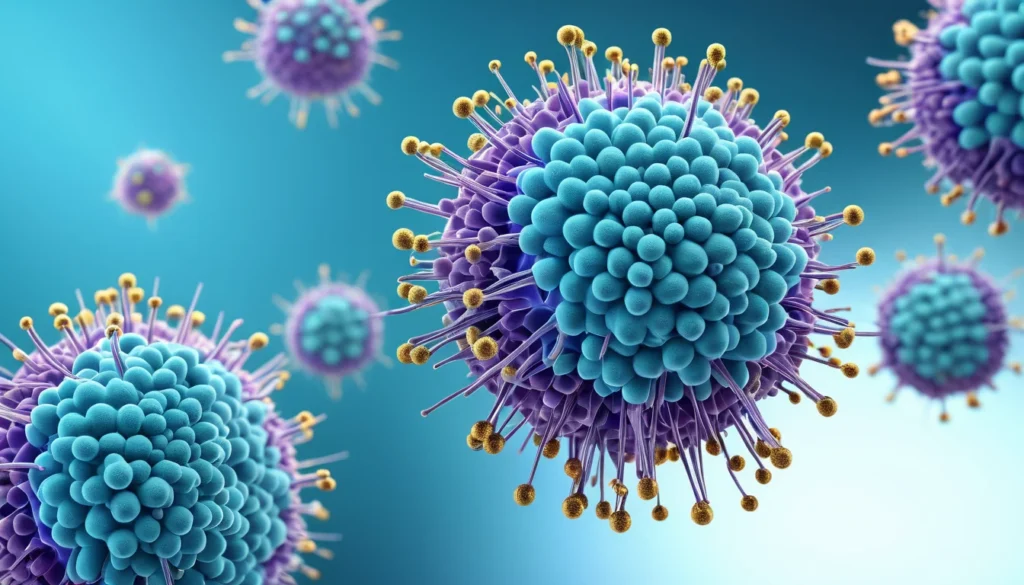
The herpes simplex virus belongs to a family of viruses that stay in your body for life. Once you are infected, the virus travels …
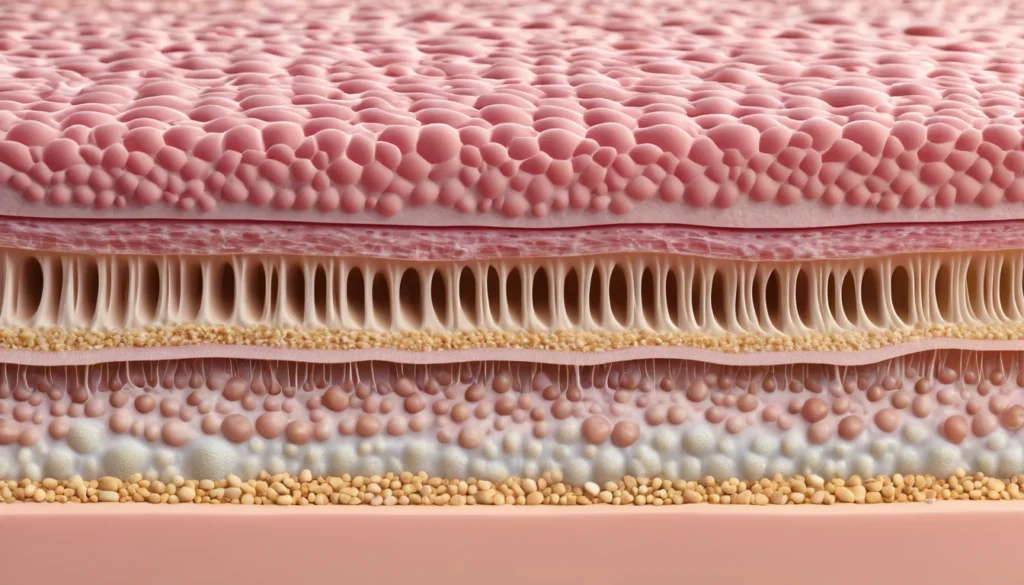
Your skin is your body’s largest organ — and its first line of defence. Understanding common skin irritation causes can help you …
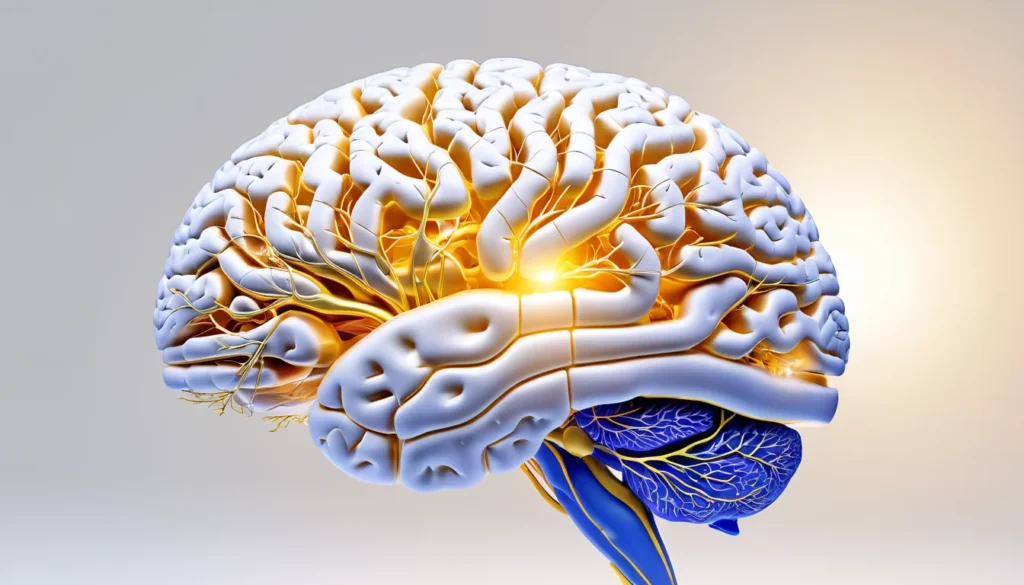
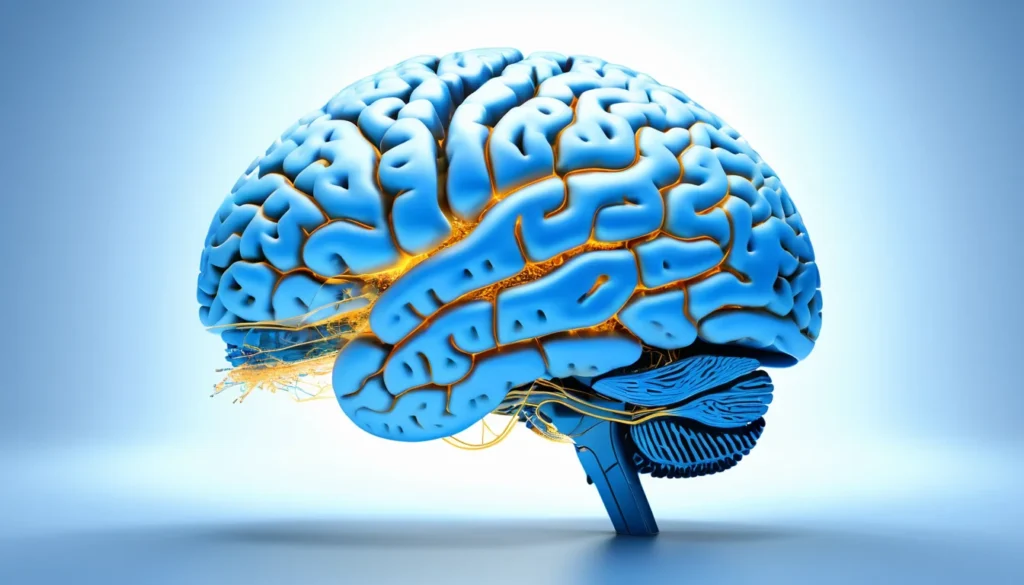
Your brain health affects every part of your life — from your heartbeat to your memory to your emotions.
Alzheimer’s disease is a brain disorder that gets worse over time. It belongs to a group of conditions called dementia, which …
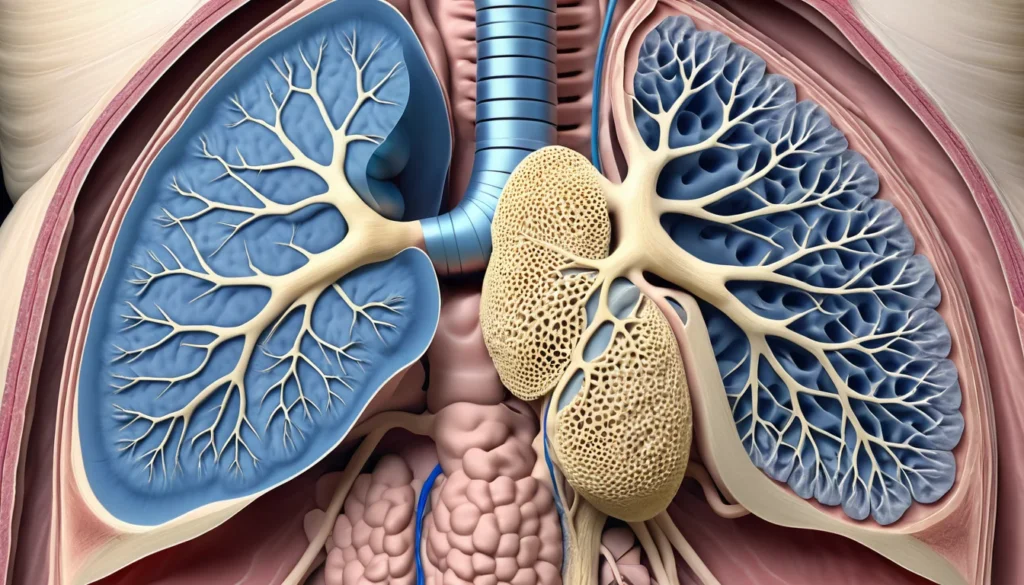
Pulmonary fibrosis causes scarring around and between the tiny air sacs (alveoli) in your lungs.
Potassium is an electrolyte, meaning it carries a small electrical charge that helps your cells function.
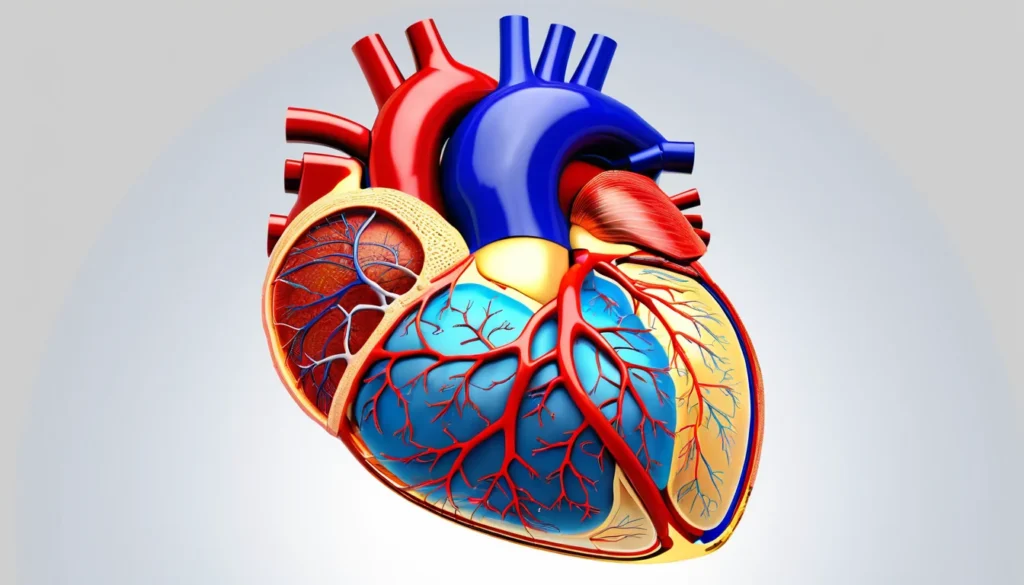
Your heart beats in a steady rhythm controlled by electrical signals. Normally, these signals start in the right atrium — one of …