General Health
Bone Density Test: What Canadians Need to Know
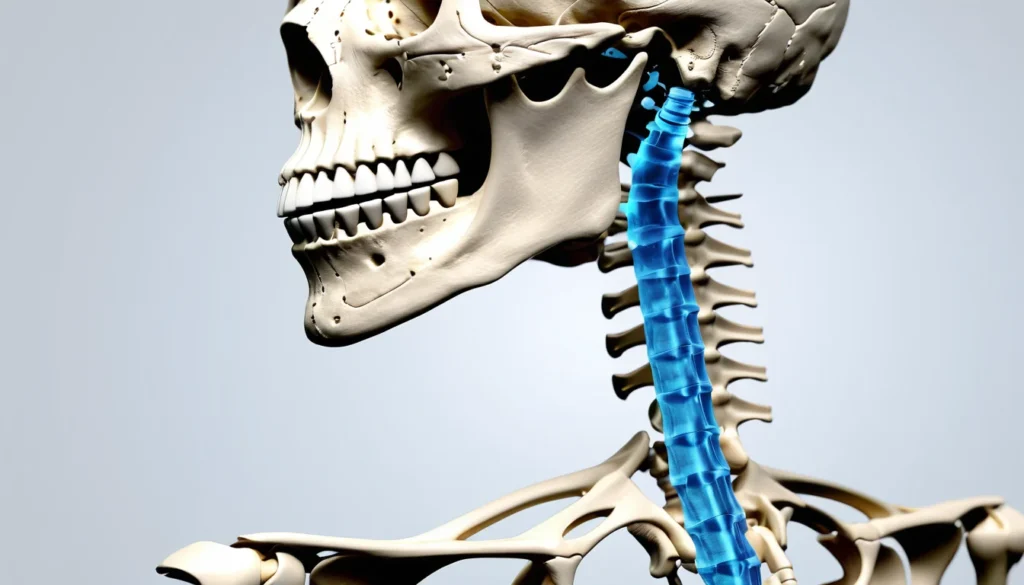
A bone density test is one of the most useful tools for catching bone loss before it becomes a serious problem.
Editorial Team · Canada Health Journal
Articles on Canada Health Journal are researched and written by our editorial team. Every article is checked for accuracy against guidance from Canadian and international health authorities — including Health Canada, the Public Health Agency of Canada, and peer-reviewed medical literature — and updated as guidance changes.
Our content is written for general education. It is not medical advice and is not a substitute for consulting a licensed healthcare professional. See our Editorial Policy, Corrections Policy, and Medical Disclaimer for how we source, review, and correct our content.
A bone density test is one of the most useful tools for catching bone loss before it becomes a serious problem.
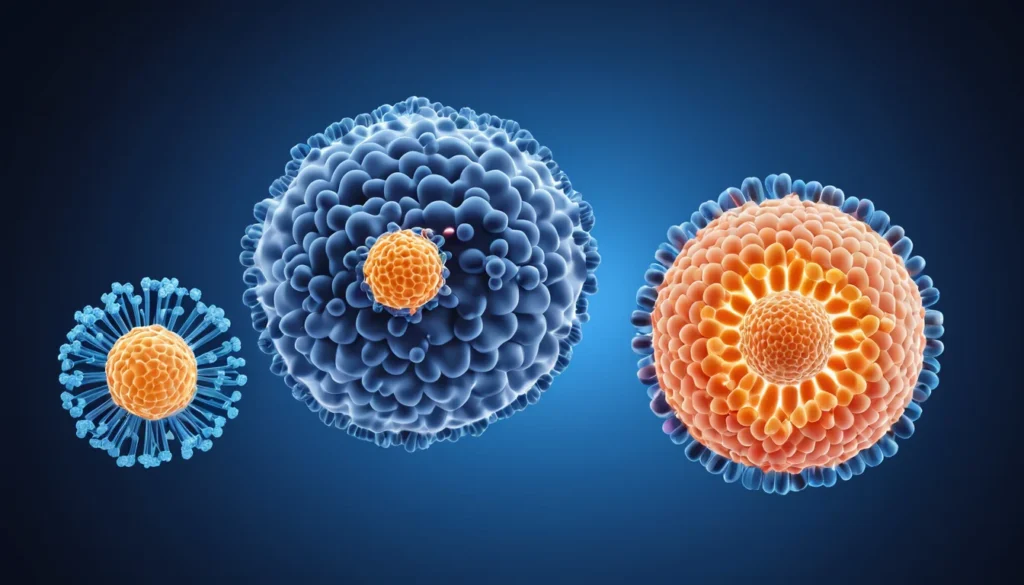
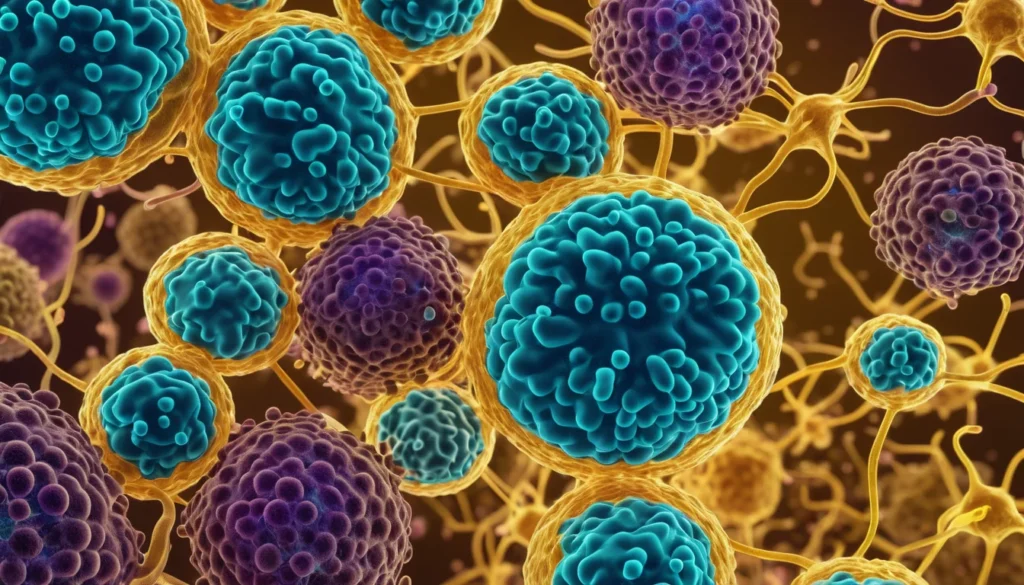
A cellular oncogene is a gene that, when altered or overactive, can turn a normal, healthy cell into a cancer cell.
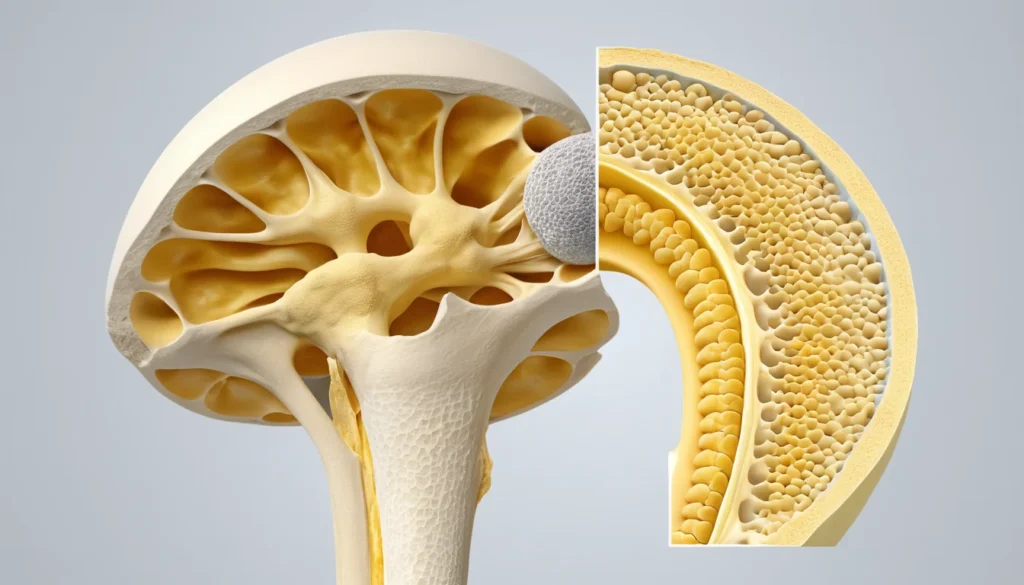
Your bone health affects nearly every part of your body. Bones do far more than hold you upright — they store calcium, produce …
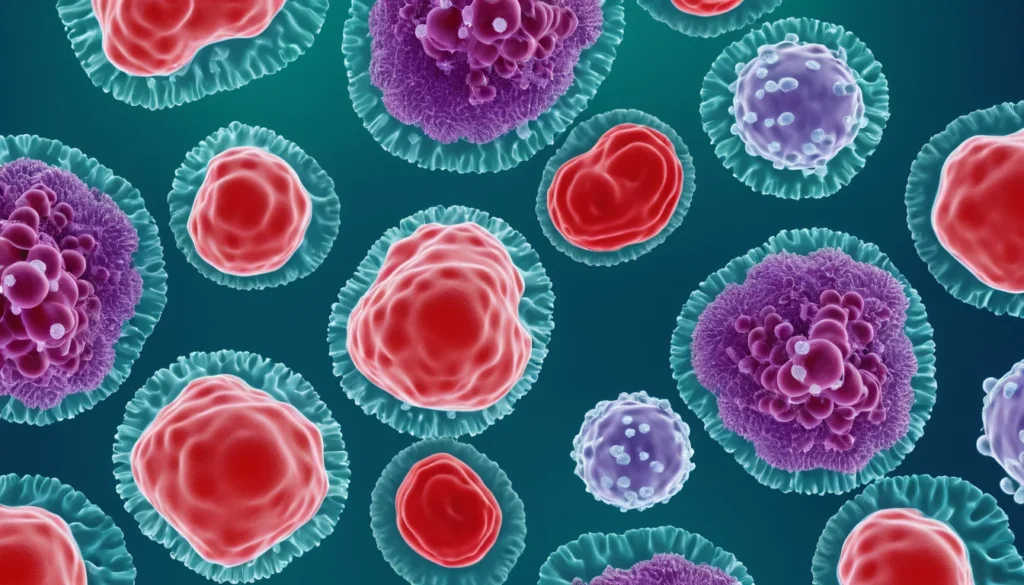
Your blood contains several types of white blood cells. Each type plays a different role in keeping you healthy.
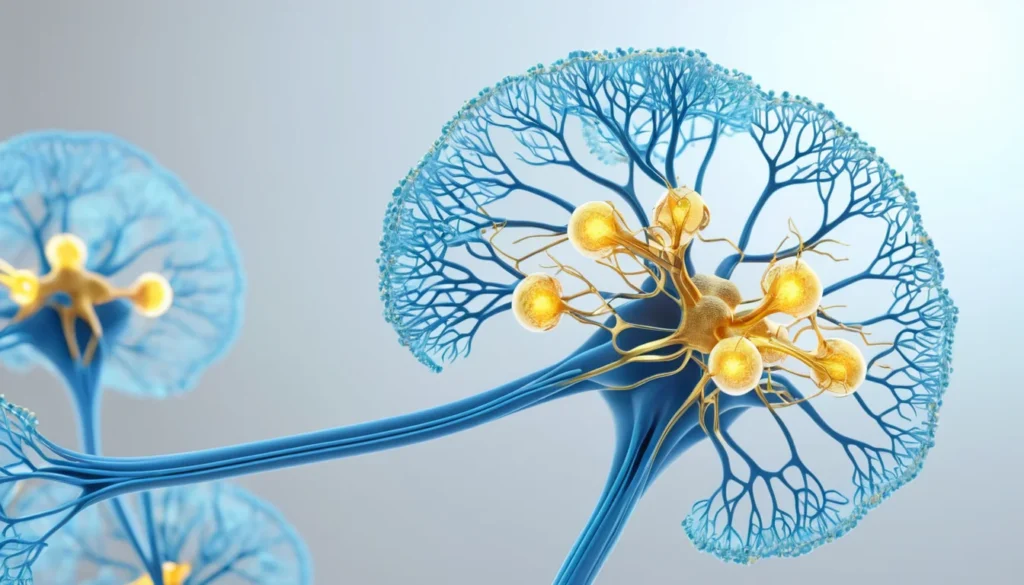
Your nervous system is made up of billions of nerve cells, called neurons. These neurons need a way to “talk” to each other.
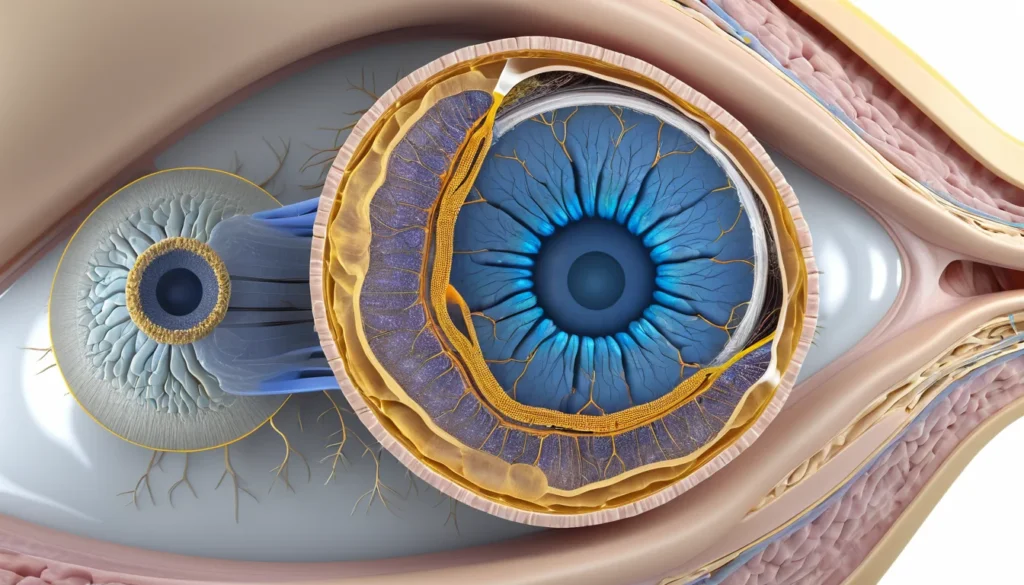
The optic nerve acts like a cable connecting your eye to your brain. When this nerve is damaged or inflamed, the signal between …
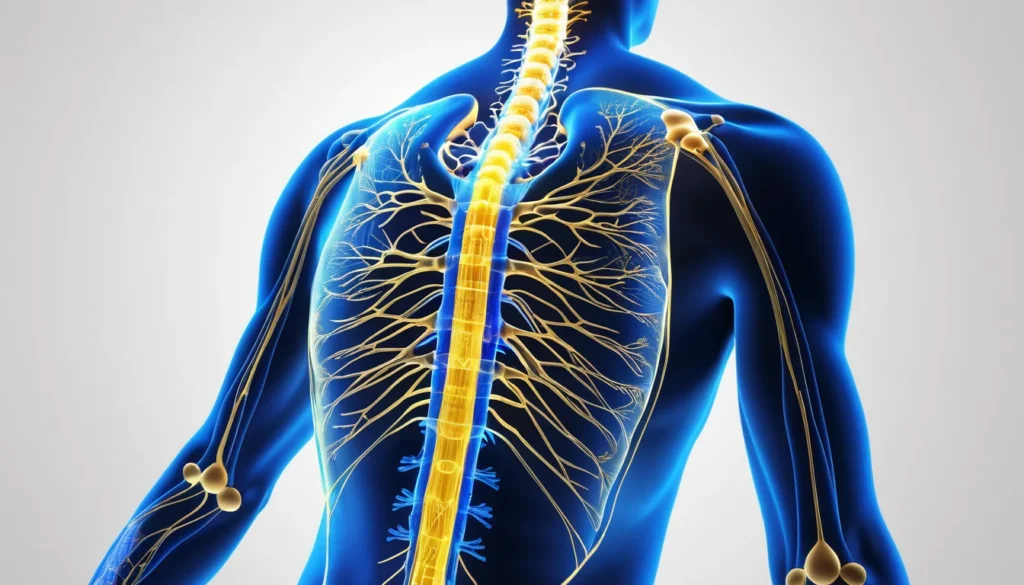
Nerves are thin, cord-like structures made up of bundled nerve fibres. They appear whitish in colour and run throughout your …
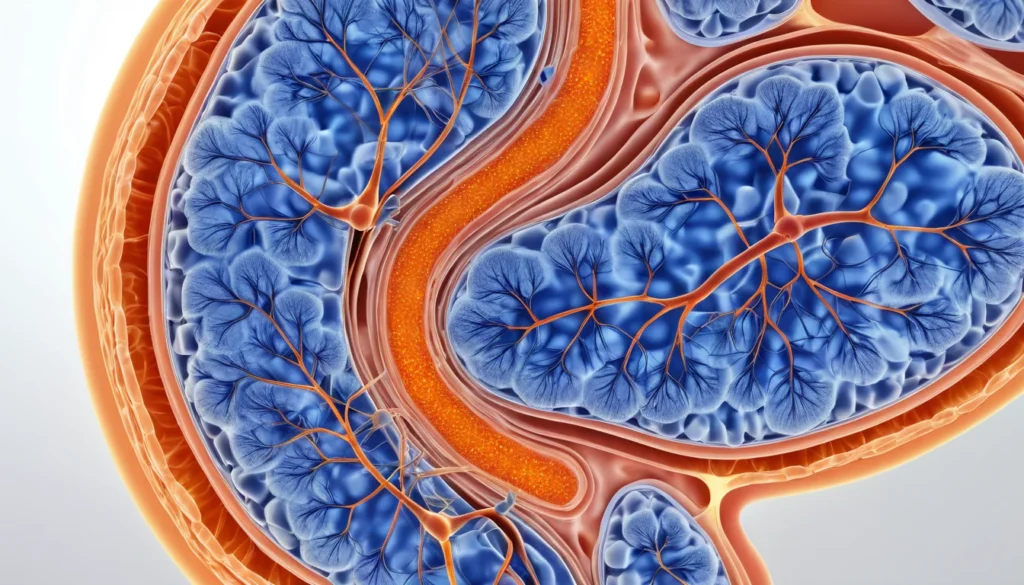
Your kidneys are two small but powerful organs that filter your entire blood supply dozens of times each day.
Tuberculosis is an infectious disease caused by a bacterium called Mycobacterium tuberculosis.
Your body contains hundreds of muscles, and each one shares the same basic ability: it can contract and relax.