Mental Health
Depression Prevention: How to Reduce Your Risk
The first step in depression prevention is knowing what puts you at higher risk. Some factors you can change, and some you cannot.
Editorial Team · Canada Health Journal
Articles on Canada Health Journal are researched and written by our editorial team. Every article is checked for accuracy against guidance from Canadian and international health authorities — including Health Canada, the Public Health Agency of Canada, and peer-reviewed medical literature — and updated as guidance changes.
Our content is written for general education. It is not medical advice and is not a substitute for consulting a licensed healthcare professional. See our Editorial Policy, Corrections Policy, and Medical Disclaimer for how we source, review, and correct our content.
The first step in depression prevention is knowing what puts you at higher risk. Some factors you can change, and some you cannot.
Adenosine is a nucleoside, which means it is a molecule made up of a sugar and a nitrogen-containing base. In this case, the base …
Adenomatosis refers to the abnormal overgrowth of glandular tissue, either in the outer lining or the inner working tissue of a …
Venous leg ulcers are also called stasis ulcers or varicose ulcers. They develop as a result of a condition called venous …
Your blood vessels constantly adjust their size to control blood flow throughout your body.
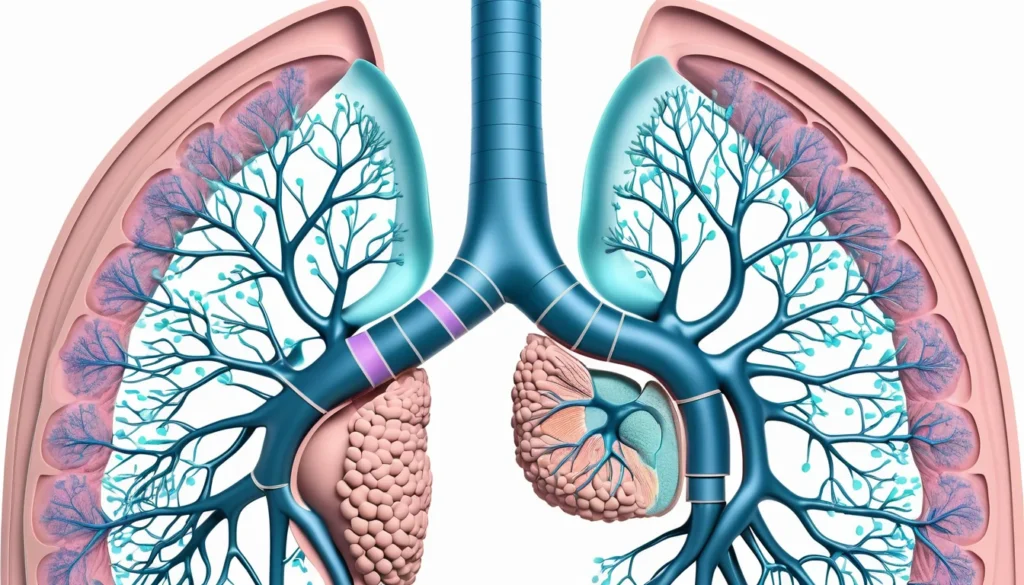
A spirometry test is one of the most common and useful ways to check how well your lungs are working.
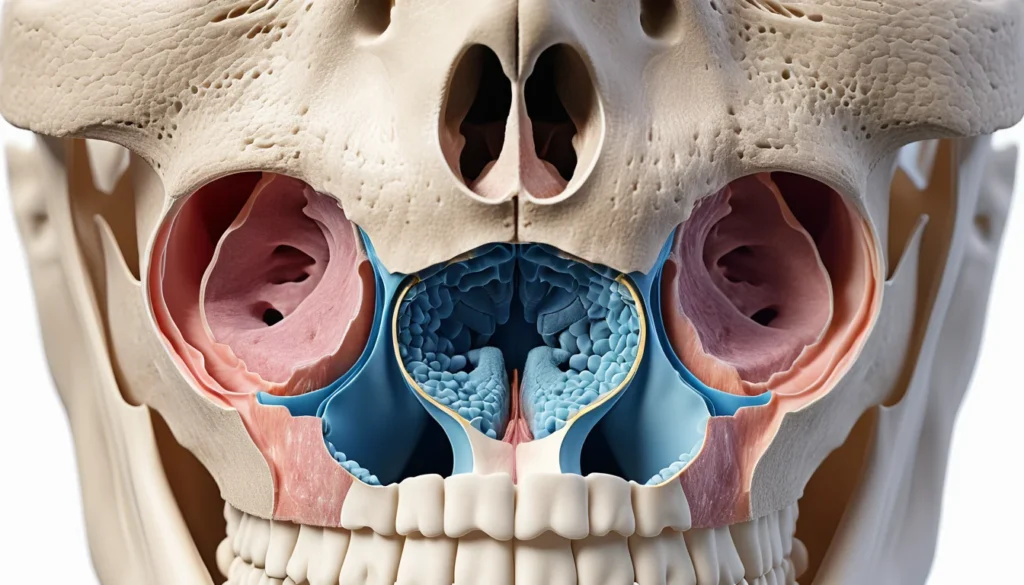
Your sinuses are small, air-filled cavities located in your face and skull. They are lined with a soft tissue called mucosa, which …
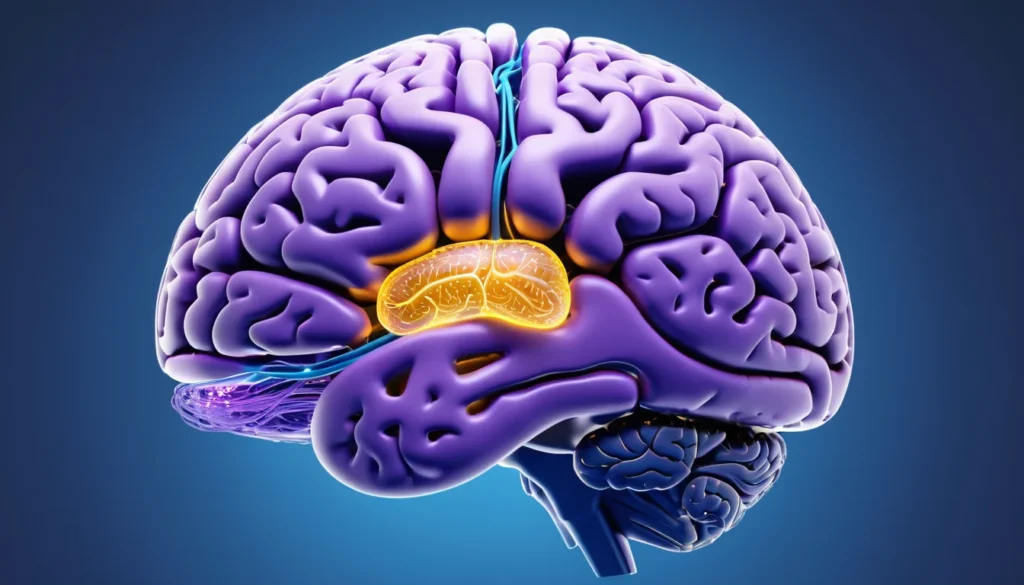
A learning disability is a neurological condition. It changes the way the brain receives and processes information.
The cervical spine sits at the very top of the backbone, starting just below the skull. It supports the head and allows it to move …
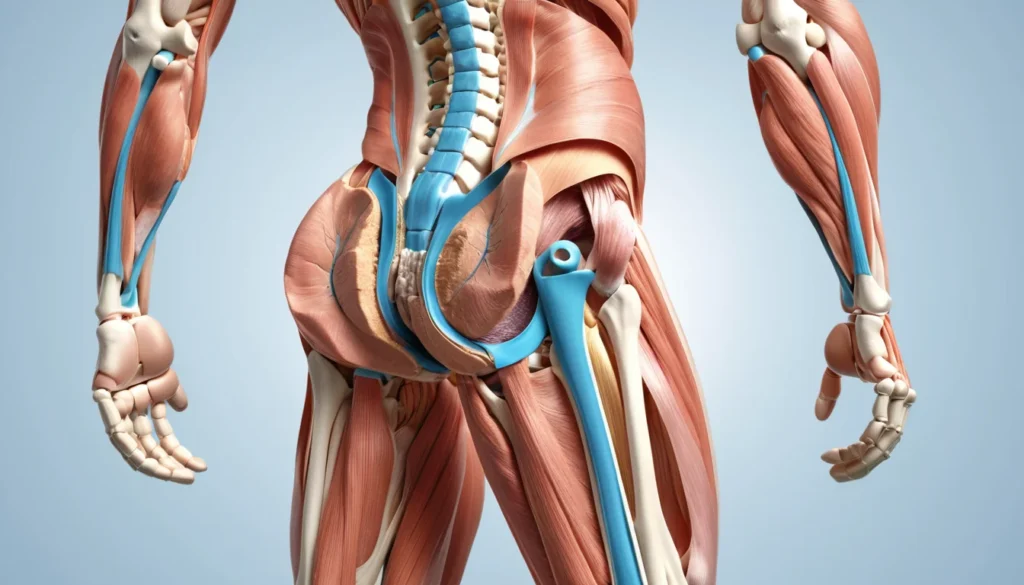
Muscle pain can affect any part of your body — your neck, back, legs, arms, or hands. The pain may feel like a dull ache, a sharp …