Endocrine & Hormonal Disorders
Craniopharyngioma: Symptoms, Diagnosis & Treatment Canada
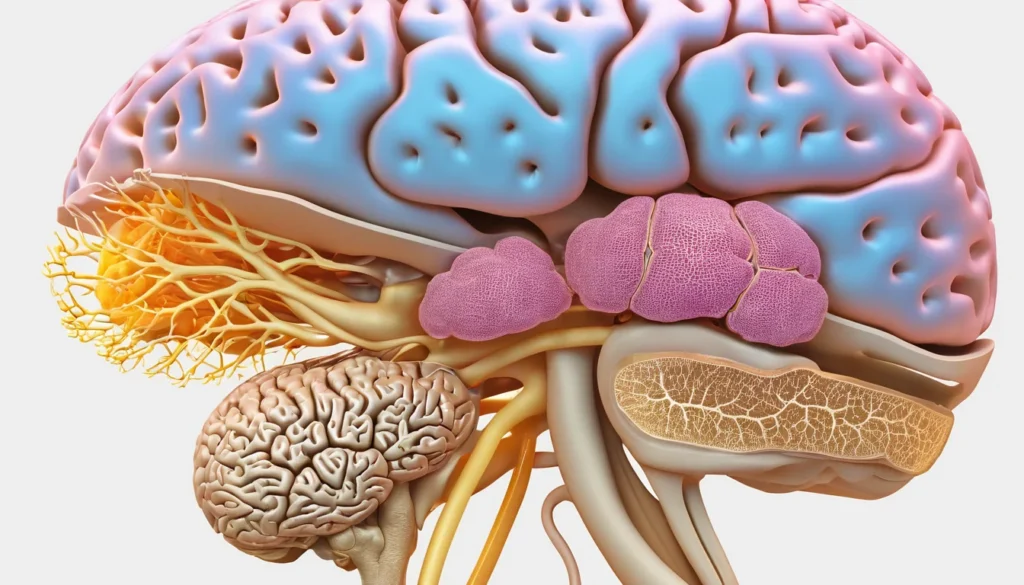
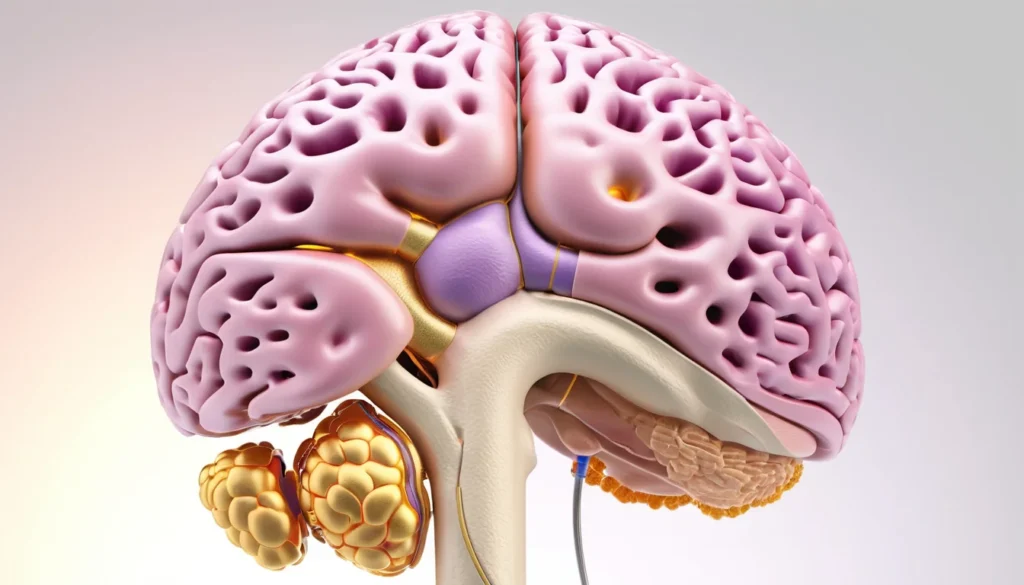
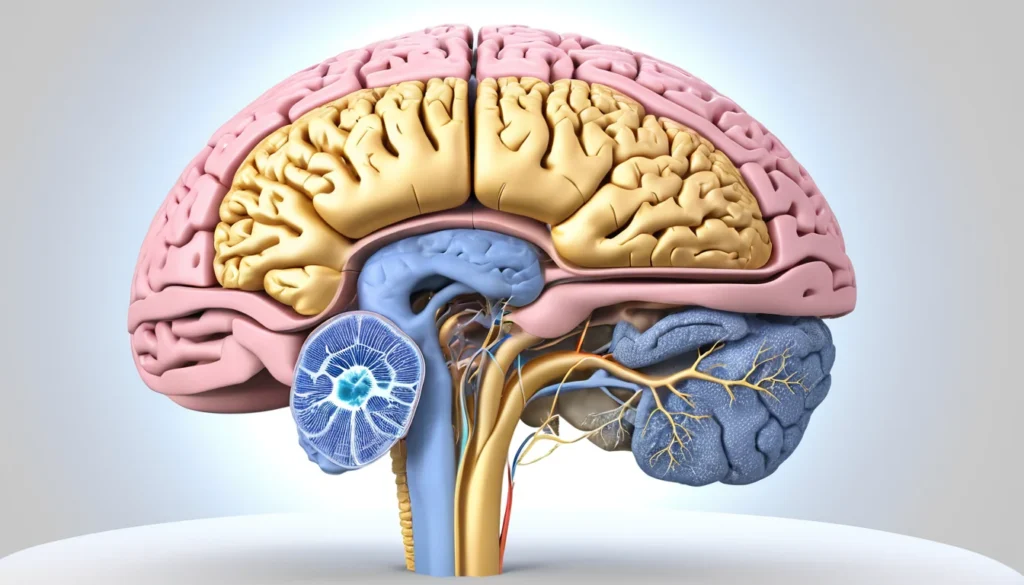
Craniopharyngioma is a rare, slow-growing brain tumour that develops near the pituitary gland at the base of the brain.
Editorial Team · Canada Health Journal
Articles on Canada Health Journal are researched and written by our editorial team. Every article is checked for accuracy against guidance from Canadian and international health authorities — including Health Canada, the Public Health Agency of Canada, and peer-reviewed medical literature — and updated as guidance changes.
Our content is written for general education. It is not medical advice and is not a substitute for consulting a licensed healthcare professional. See our Editorial Policy, Corrections Policy, and Medical Disclaimer for how we source, review, and correct our content.
Craniopharyngioma is a rare, slow-growing brain tumour that develops near the pituitary gland at the base of the brain.
Pheochromocytoma symptoms can appear suddenly and feel alarming — episodes of dangerously high blood pressure, a racing heartbeat, …
The thyroid gland is one of the most important glands in the human body, yet many Canadians know very little about how it works or …
Laryngitis causes symptoms that range from a hoarse, raspy voice to a complete loss of sound — and it is one of the most common …
Bee and wasp stings in children are among the most common outdoor injuries Canadian families face every summer.
Croup in children is one of the most common respiratory illnesses Canadian parents face, causing a loud, barking cough that can …
Pituitary tumours are abnormal growths that develop in the pituitary gland, a pea-sized but vital gland located at the base of the …
Bacterial folliculitis in children is one of the most common skin infections Canadian parents encounter, causing red, swollen …
Galactorrhea causes range from hormonal imbalances to medication side effects, and understanding them is the first step toward …
Walking disorders happen when a person's gait shifts away from what is considered normal, and they affect Canadians of all ages — …