General Health
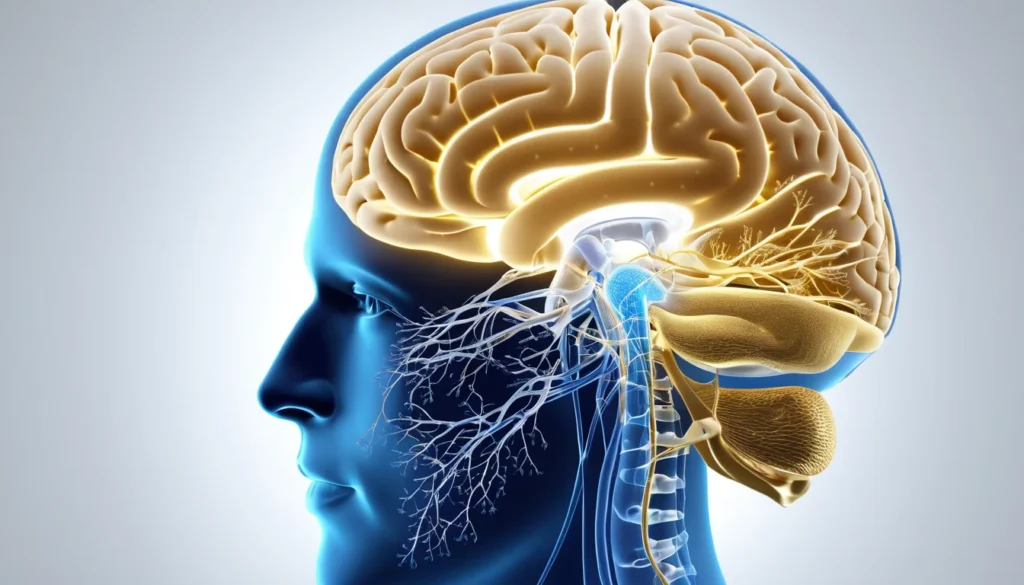
Sensory Adaptation: How Your Senses Adjust Over Time
Your body is constantly receiving information from the world around you. Your eyes detect light, your ears pick up sound, your …
Registered Dietitian · Canada Health Journal
Dr. Linda Chen is a registered dietitian and PhD in Nutritional Sciences from the University of British Columbia. With expertise in clinical nutrition, sports dietetics, and gut health, she has worked with leading Canadian hospitals and sports organizations. Dr. Chen is a member of Dietitians of Canada and regularly contributes to national nutrition policy discussions.
Your body is constantly receiving information from the world around you. Your eyes detect light, your ears pick up sound, your …
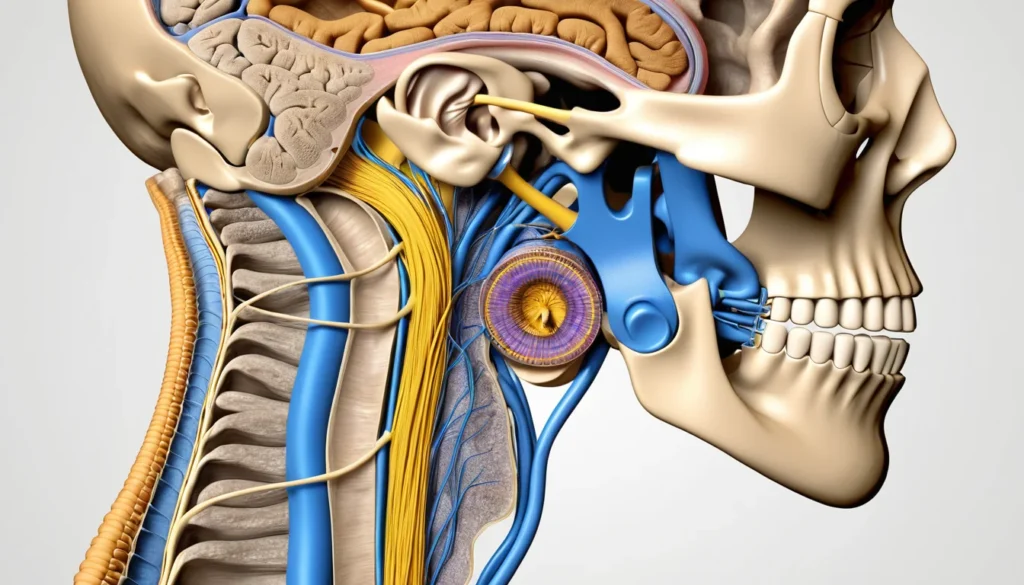
The acoustic nerve — also called the vestibulocochlear nerve or auditory nerve — is one of the most important nerves in your body.
Acupuncture is a treatment rooted in traditional Chinese medicine (TCM). Practitioners believe that the body has an energy force …
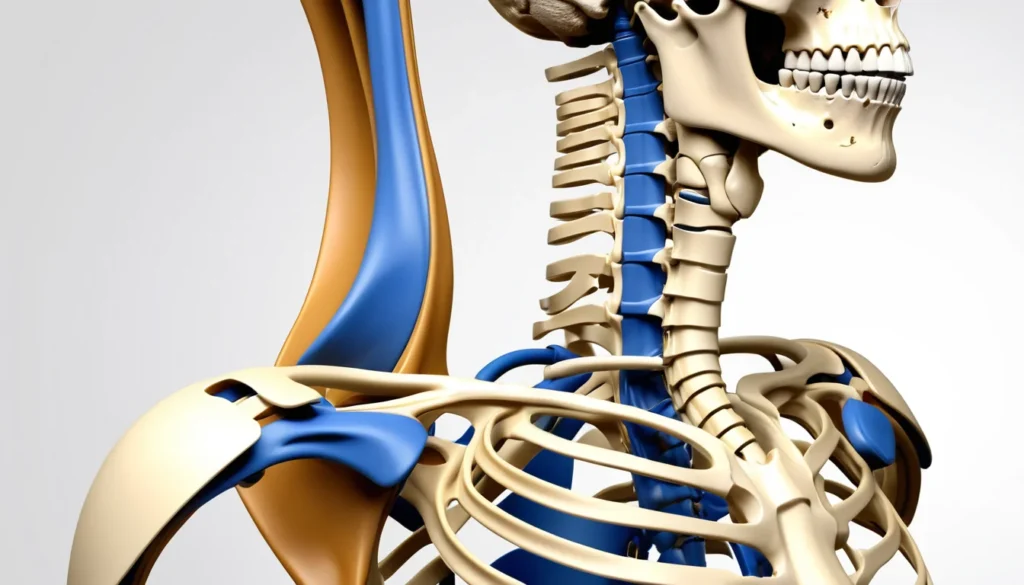
The acromion is a small but important bony structure at the top of your shoulder. It forms the highest point of the shoulder …
Acrodermatitis refers to inflammation of the skin on the extremities — mainly the hands, feet, and sometimes the lower legs and …
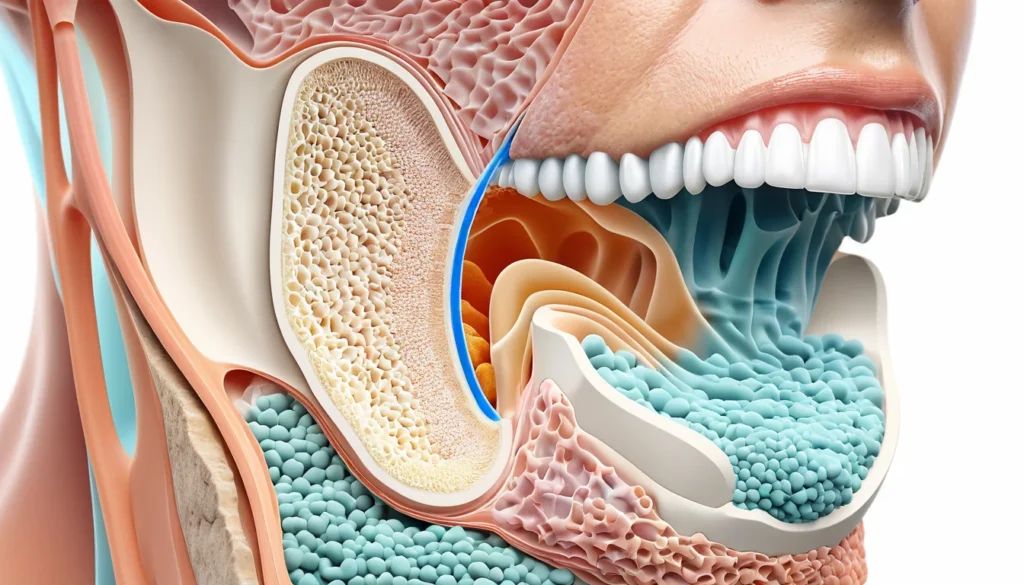
Dry mouth — known medically as xerostomia or asialia — happens when your salivary glands do not produce enough saliva to keep your …
Achondroplasia is a condition a person is born with. It affects the way cartilage turns into bone, a process called ossification.
The word aclasis comes from Greek roots meaning “without breaking” or “continuous.” In medicine, it describes a pathological …
Omega-3 fatty acids are a family of essential polyunsaturated fats. The word “essential” means your body cannot produce them, so …
The term acidophilic comes from two Latin and Greek roots: acidus (acid) and philos (loving).