Respiratory Health
Pulmonary Fibrosis: Causes, Symptoms & Treatment
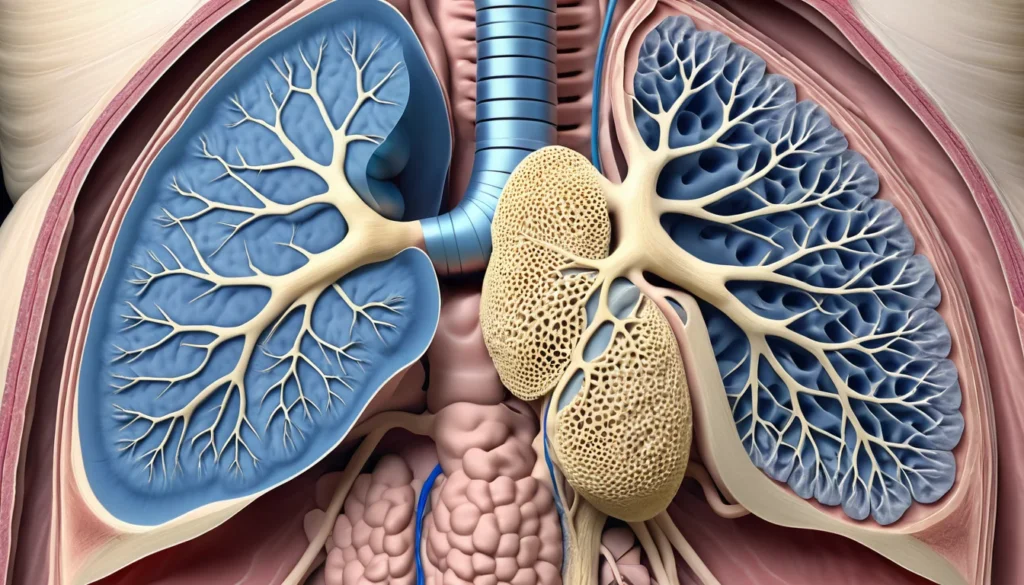
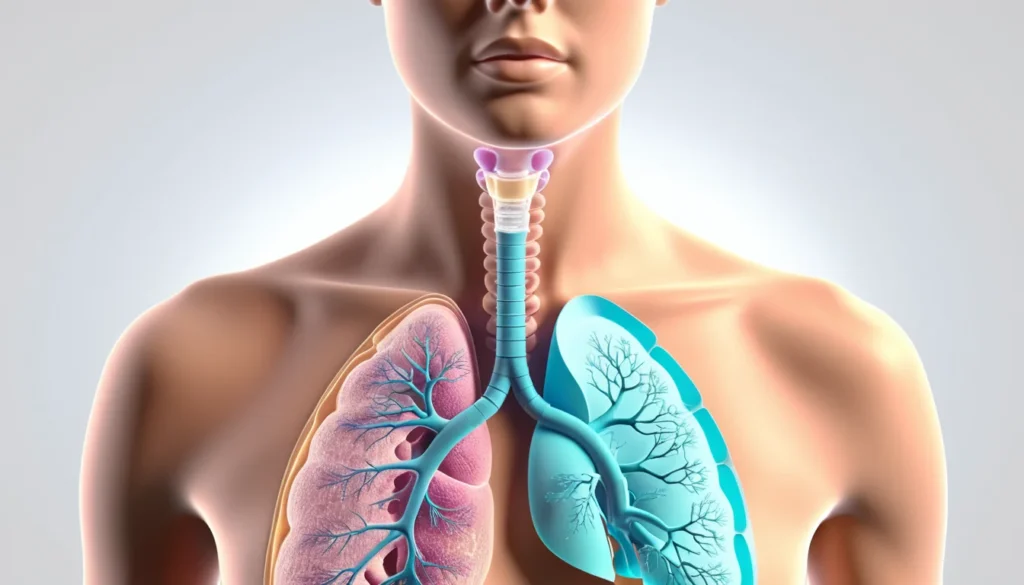
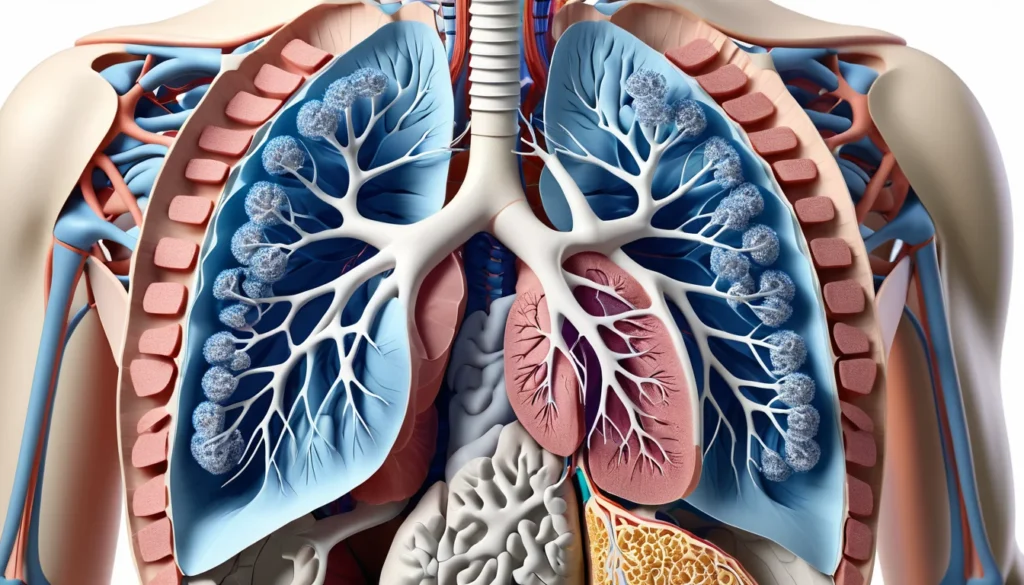
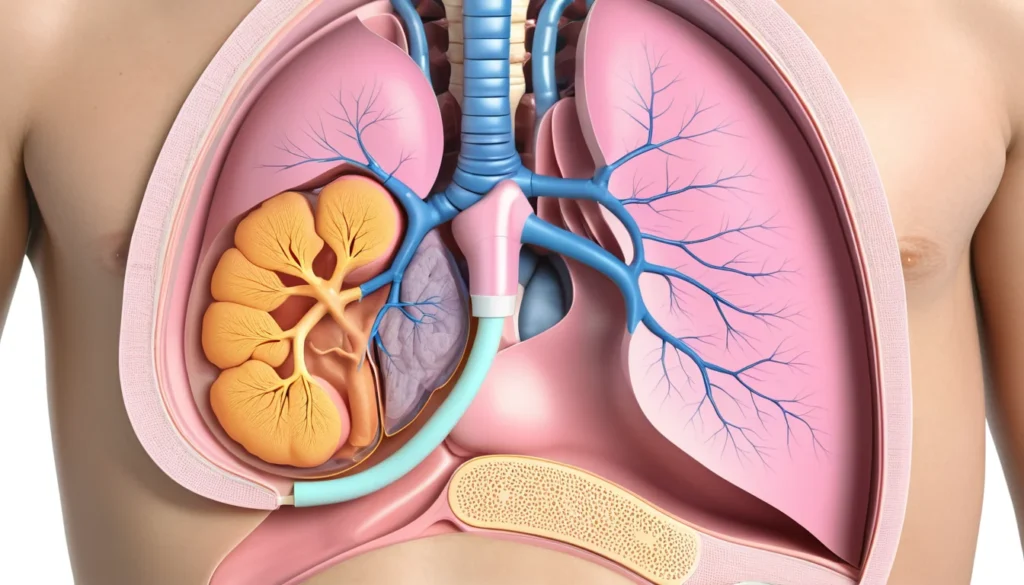
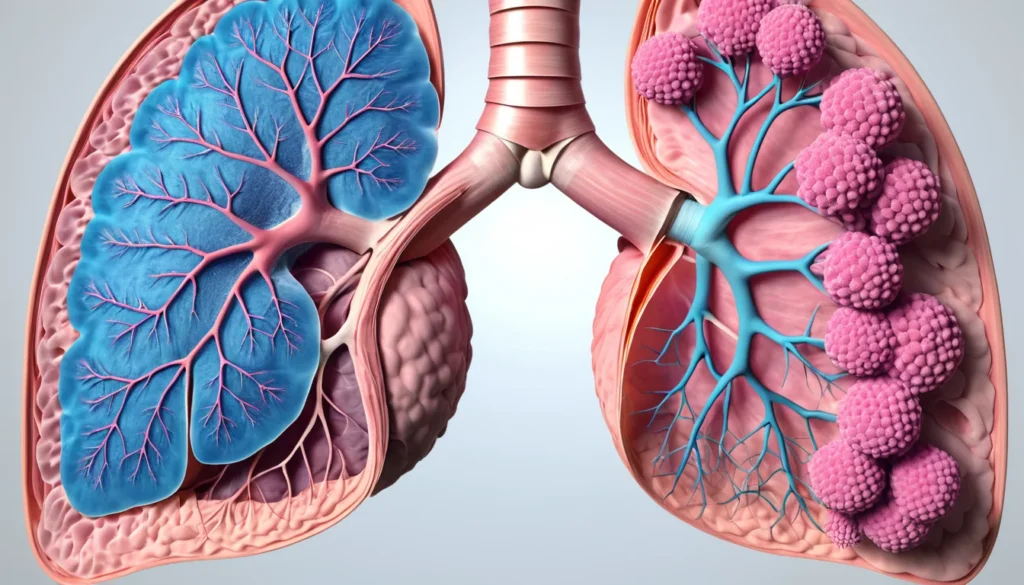
“Fibrosis” is the medical word for scarring. Pulmonary fibrosis means scarring of the lung tissue.
Respirologist · Canada Health Journal
Dr. Emily Carter is a respirologist (pulmonologist) at the University of Calgary, with 13 years of experience in respiratory medicine. A Fellow of the Royal College of Physicians of Canada (FRCPC), she specializes in asthma, COPD, sleep-disordered breathing, and respiratory infections. Dr. Carter is passionate about helping Canadians understand and manage chronic lung conditions.
“Fibrosis” is the medical word for scarring. Pulmonary fibrosis means scarring of the lung tissue.
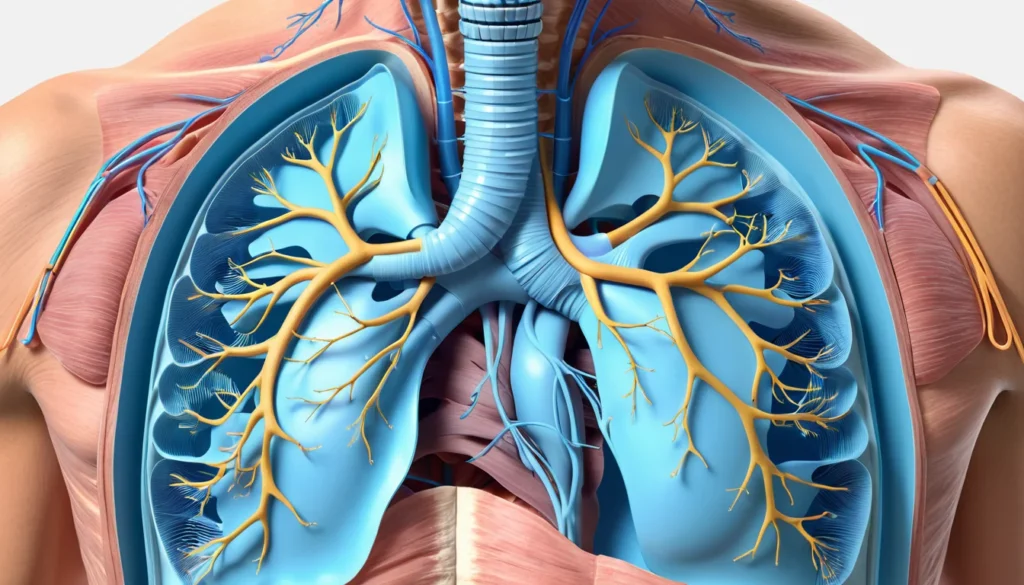
Pulmonary fibrosis causes scarring around and between the tiny air sacs (alveoli) in your lungs.
Cystic fibrosis causes the body’s mucus-producing cells to make mucus that is far too thick and sticky.
A lung disease is considered “rare” when it affects fewer than one in 2,000 people. These conditions are chronic, meaning they …
Congenital lobar emphysema occurs when one or more lobes of a baby’s lung become over-inflated. Air enters the lung lobe but …
Your lungs contain millions of tiny, elastic air sacs called alveoli. With every breath, these sacs fill with oxygen and release …
Lung pain — also called chest pain or pulmonary pain — refers to discomfort felt in the chest area, particularly around or within …
Shortness of breath is not a disease on its own. It is a symptom — your body’s way of telling you that breathing requires more …
Shortness of breath — known medically as dyspnea — is not a disease on its own. It is a symptom.
Breathing difficulties happen when your body struggles to take in or move air normally. The medical term is dyspnea.