General Health
Acoria: Missing Pupil Condition Explained
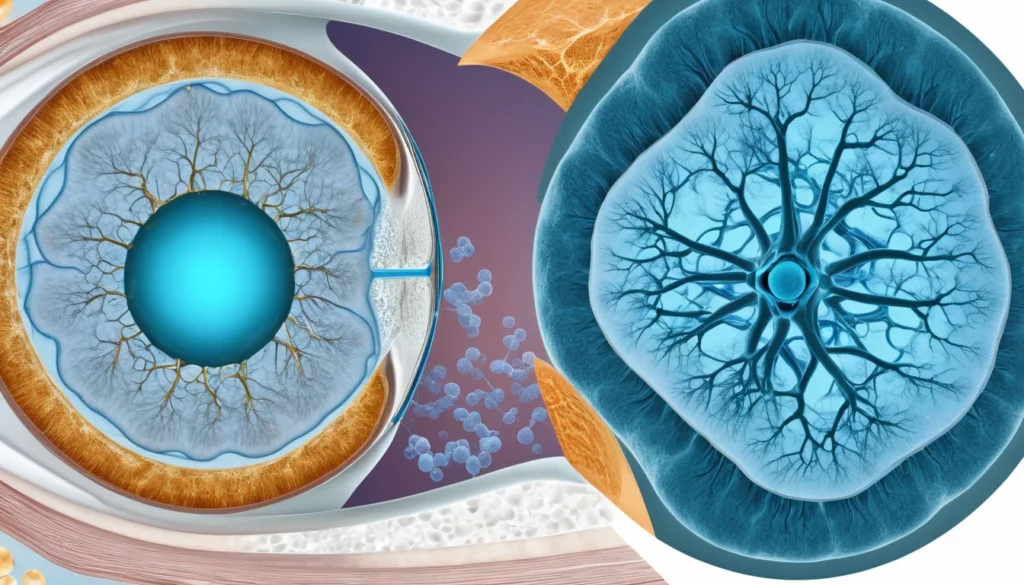
Acoria is classified as a congenital malformation. This means a person is born with it — it is not something that develops later …
Respirologist · Canada Health Journal
Dr. Emily Carter is a respirologist (pulmonologist) at the University of Calgary, with 13 years of experience in respiratory medicine. A Fellow of the Royal College of Physicians of Canada (FRCPC), she specializes in asthma, COPD, sleep-disordered breathing, and respiratory infections. Dr. Carter is passionate about helping Canadians understand and manage chronic lung conditions.
Acoria is classified as a congenital malformation. This means a person is born with it — it is not something that develops later …
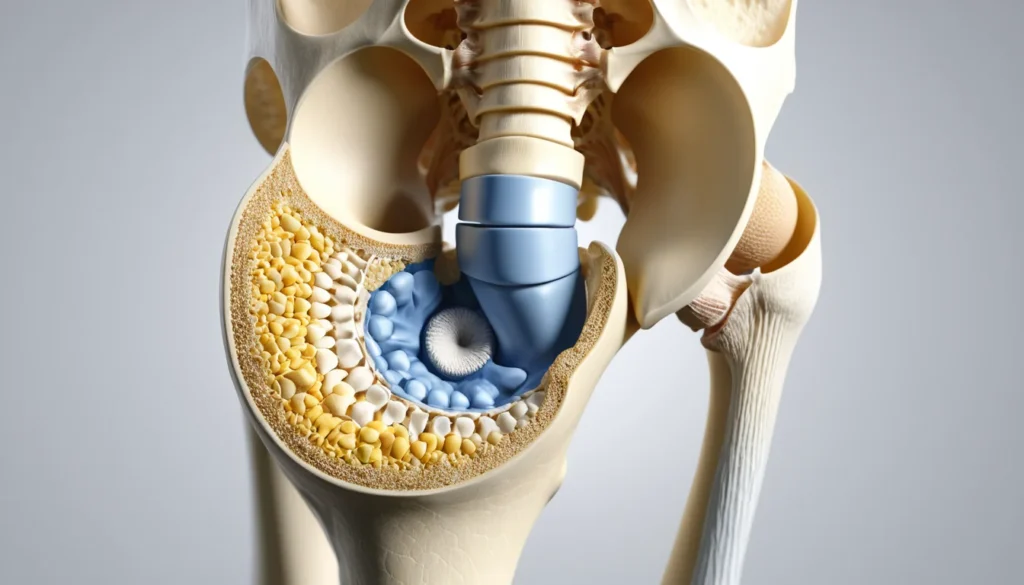
The word aclasis comes from medical terminology meaning a “pathological continuity” of a structure.
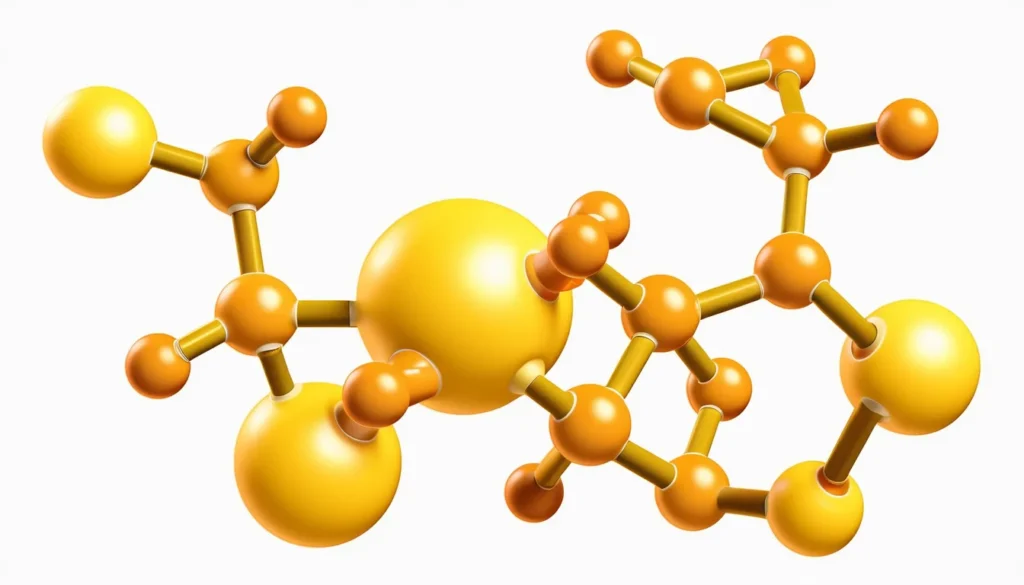
Your body produces lactic acid naturally during normal activity. Usually, your liver breaks it down quickly and removes it from …
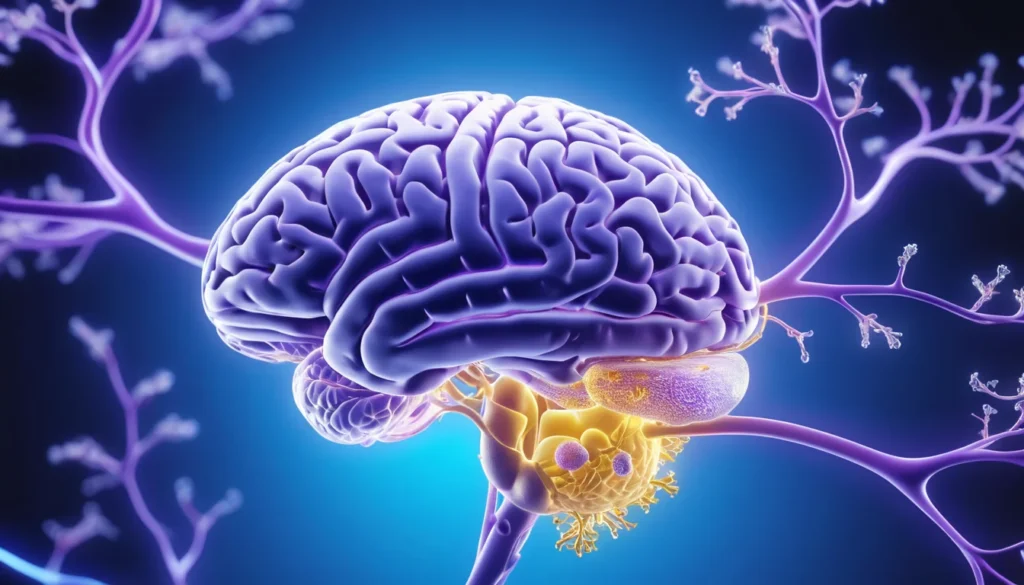
Think of your nervous system like a busy highway. Excitatory neurotransmitters, like glutamate, press the gas pedal. GABA presses …
Arachidonic acid is a long-chain omega-6 fatty acid. Your body produces some of it on its own, but you also get it from the foods …
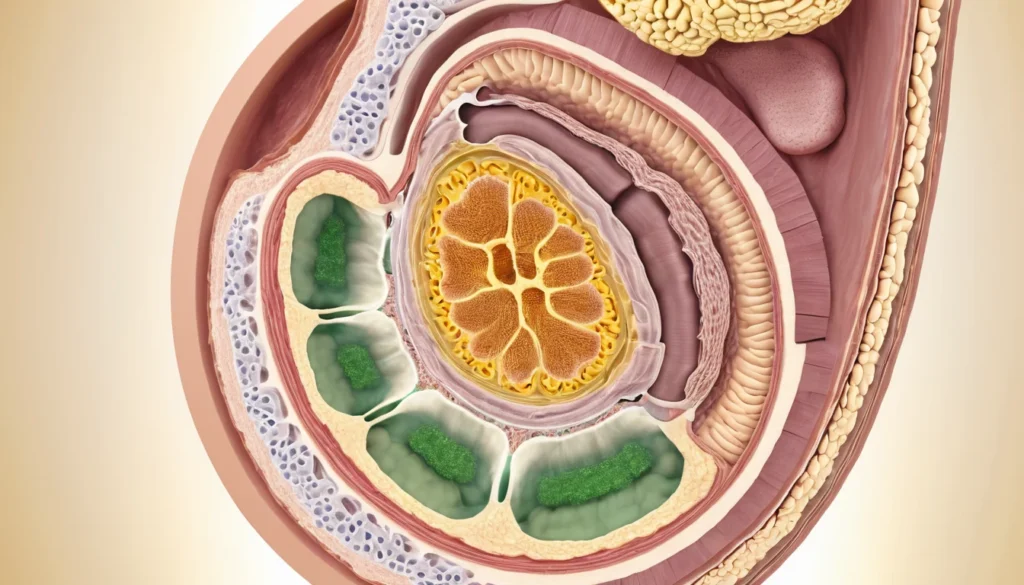
Achylia refers to the significant reduction — or complete absence — of digestive juices produced by the stomach.
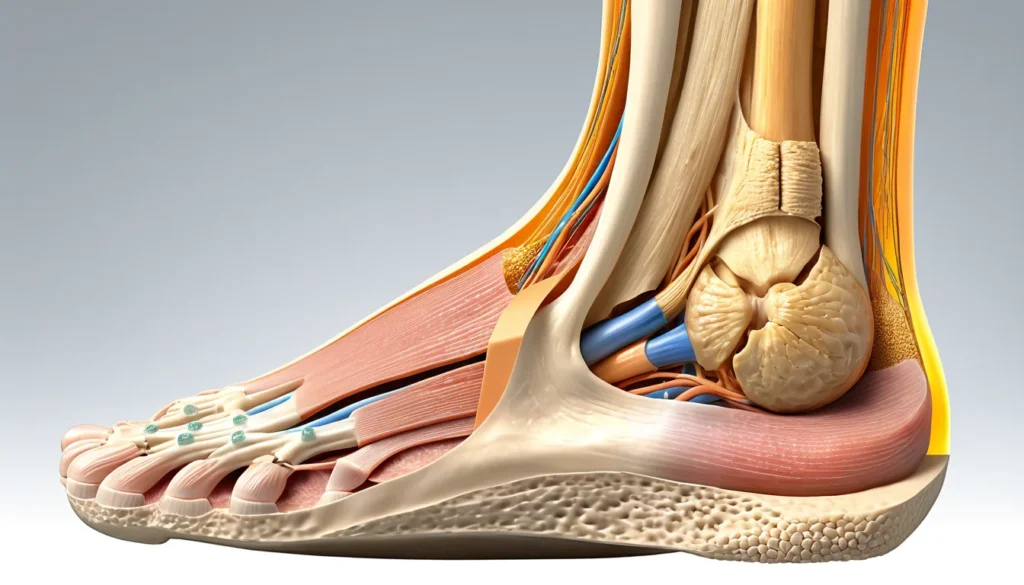
The Achilles tendon is the largest and strongest tendon in the human body. It connects your calf muscles to your heel bone, …
Acetazolamide is a diuretic — a medicine that helps your body get rid of excess fluid. It does this by blocking an enzyme called …
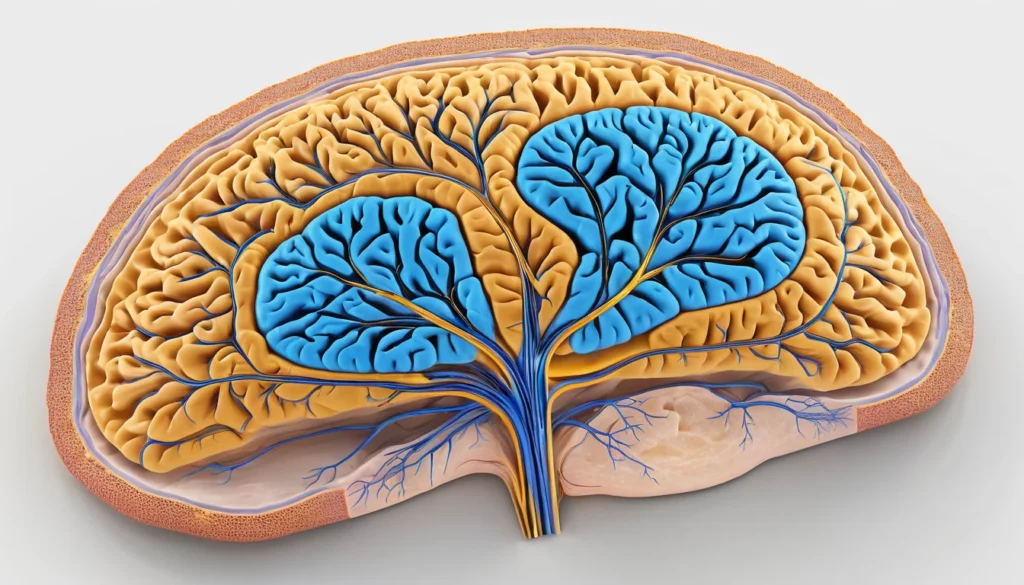
A transient ischemic attack (TIA) is a sudden, temporary disruption of blood flow to the brain.
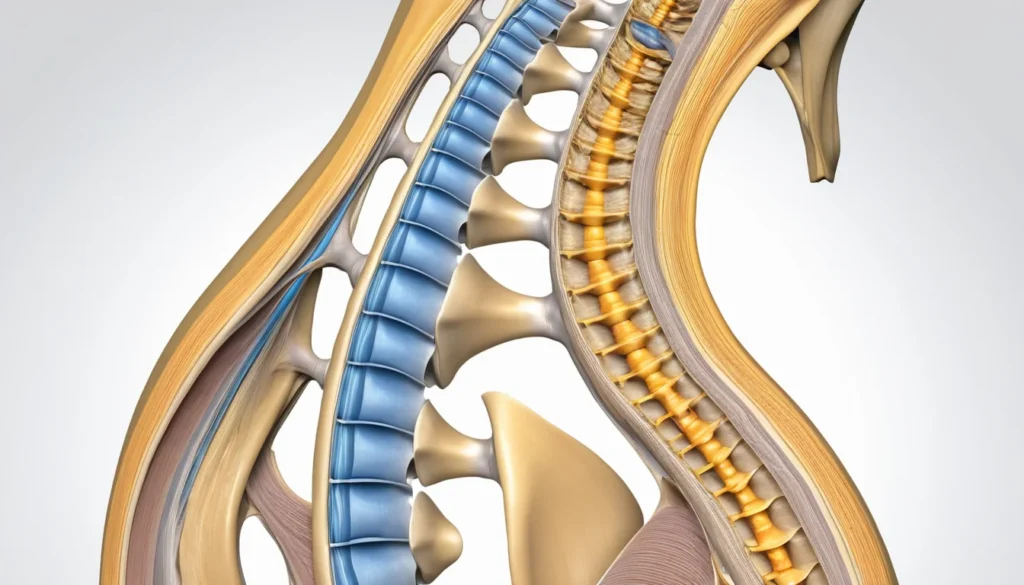
The spinous process is a small but important bony projection found on each vertebra of your spine.