General Health
Adenosine: What It Is and How It Helps Your Heart
Adenosine is a nucleoside, which means it is a molecule made up of a sugar and a nitrogen-containing base. In this case, the base …
Respirologist · Canada Health Journal
Dr. Emily Carter is a respirologist (pulmonologist) at the University of Calgary, with 13 years of experience in respiratory medicine. A Fellow of the Royal College of Physicians of Canada (FRCPC), she specializes in asthma, COPD, sleep-disordered breathing, and respiratory infections. Dr. Carter is passionate about helping Canadians understand and manage chronic lung conditions.
Adenosine is a nucleoside, which means it is a molecule made up of a sugar and a nitrogen-containing base. In this case, the base …
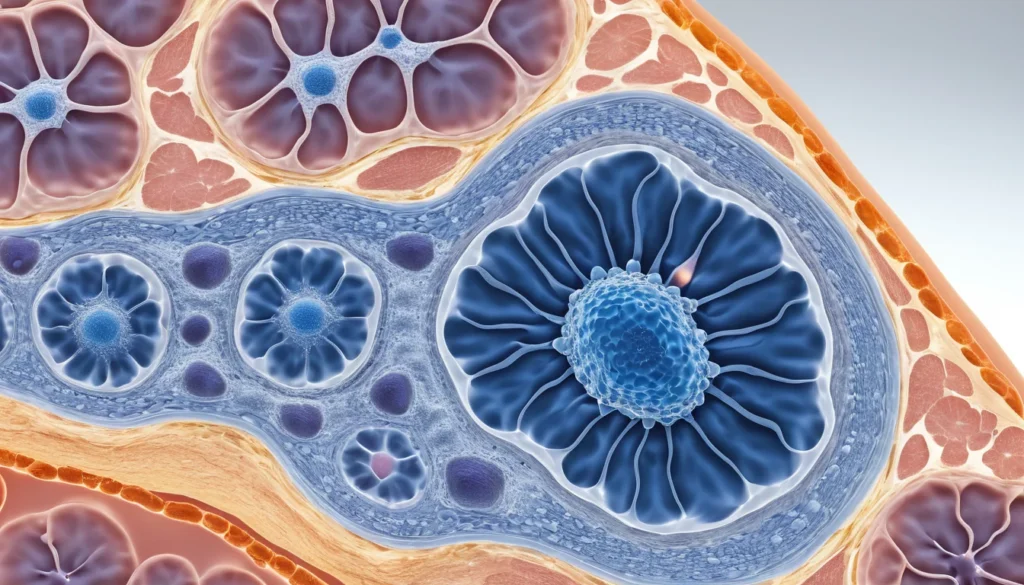
Adenomatosis refers to the abnormal overgrowth of glandular tissue, either in the outer lining or the inner working tissue of a …
Multiple endocrine neoplasia is also called pluriglandular adenomatosis or multiple endocrine adenomatosis.
An adenofibroma is a benign, non-cancerous tumour made up of two types of tissue: glandular tissue and fibrous connective tissue.
Adduction describes any movement that pulls a body part toward the midline of your body. The midline is an imaginary vertical line …
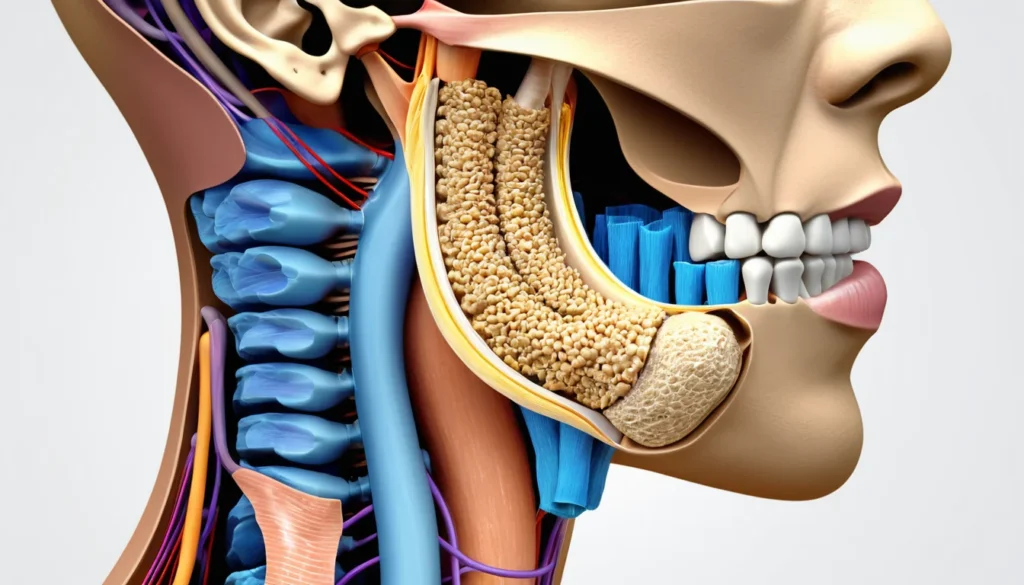
The Adam’s apple is the small, firm bump you can see and feel at the front of your throat. It is made of thyroid cartilage, which …
Actinic reticuloid is a long-term skin disorder. It belongs to a broader group of conditions called chronic actinic dermatitis, …
Acrosclerosis is a form of systemic sclerosis, which means it affects the body’s connective tissue.
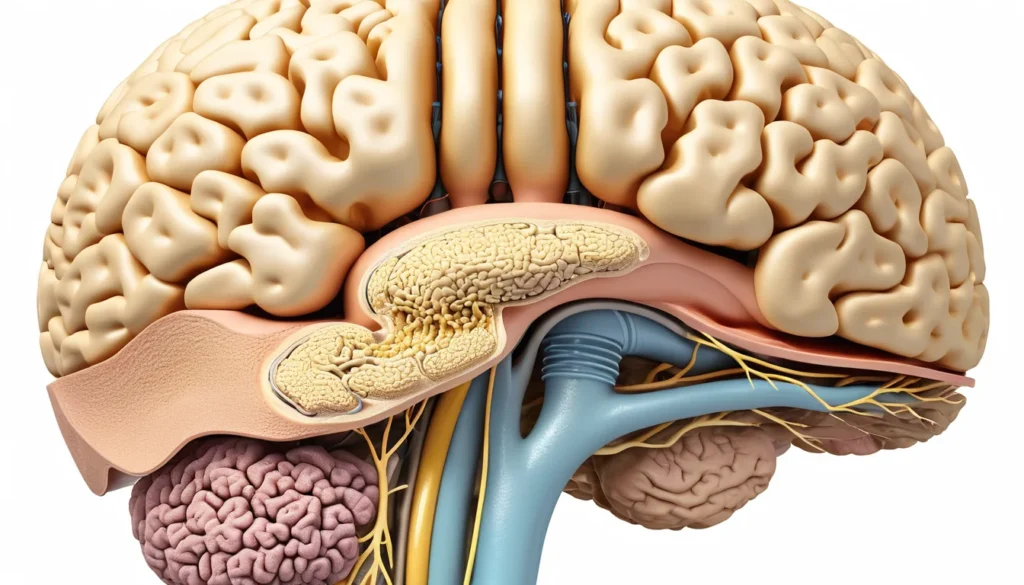
Acromegaly happens when a small, non-cancerous tumour on the pituitary gland produces too much growth hormone.
Acrocyanosis is a chronic condition where the skin on your hands, feet, and ears turns blue or violet.