General Health
Depression: Signs, Symptoms & When to Get Help
Depression is a mental health condition marked by deep, lasting sadness and a loss of interest in things you once enjoyed.
Respirologist · Canada Health Journal
Dr. Emily Carter is a respirologist (pulmonologist) at the University of Calgary, with 13 years of experience in respiratory medicine. A Fellow of the Royal College of Physicians of Canada (FRCPC), she specializes in asthma, COPD, sleep-disordered breathing, and respiratory infections. Dr. Carter is passionate about helping Canadians understand and manage chronic lung conditions.
Depression is a mental health condition marked by deep, lasting sadness and a loss of interest in things you once enjoyed.
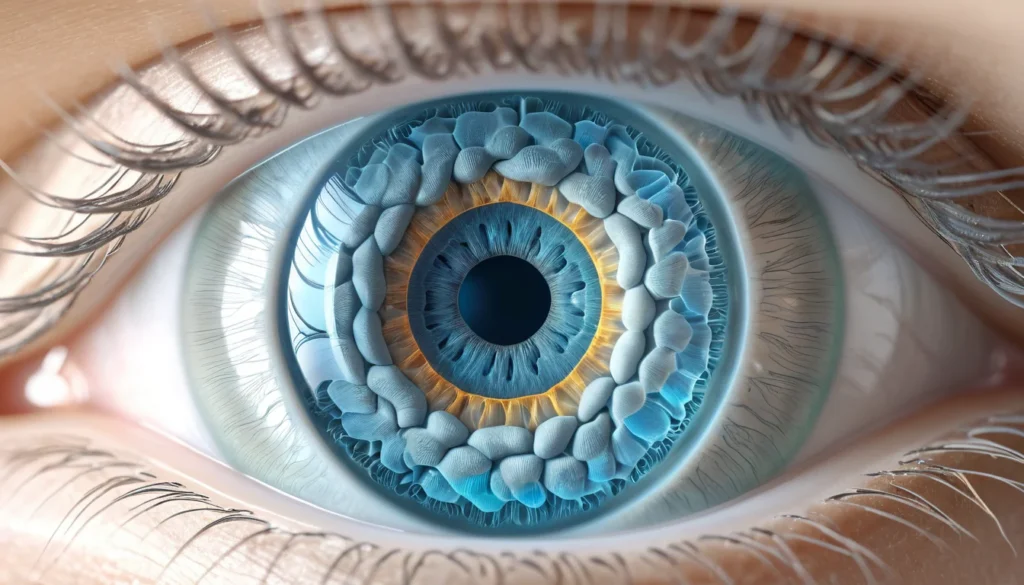
Blindness refers to a significant loss of vision that cannot be fully corrected with glasses or contact lenses.
The word carcinogenesis comes from the Greek word for cancer (karkinos) and the Latin word for origin (genesis).
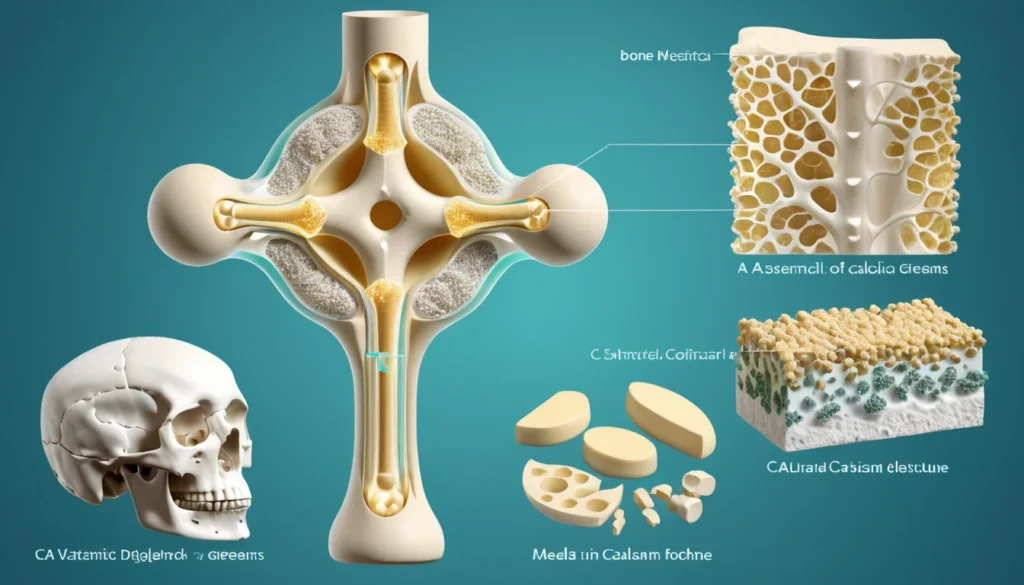
Calcium is a chemical element found in nature and inside the human body. Your body stores about one kilogram of calcium — nearly …
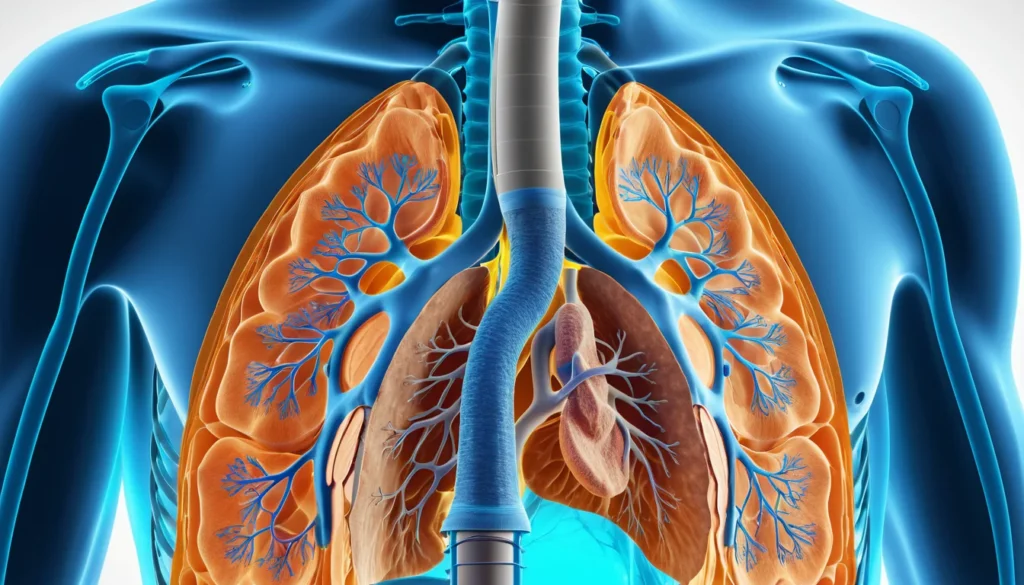
Your lungs contain thousands of airways called bronchi and bronchioles. These tubes carry air in and out of your lungs with every …
Atherosclerosis happens when cholesterol, fats, and other substances collect along the inner walls of your arteries.
Anticancer drugs are medicines designed to target and destroy cancer cells in the body. They work by interfering with the way …
Your blood contains tiny cells called platelets. When you get a cut, platelets rush to the injury and stick together.
Adrenergic drugs are a class of medications that act on your body’s adrenergic system. This system uses adrenaline — also called …
Normally, the organs and tissues inside your body have smooth surfaces that allow them to move freely.