Heart & Cardiovascular Health
Leg Ulcers: Causes, Symptoms & Treatment
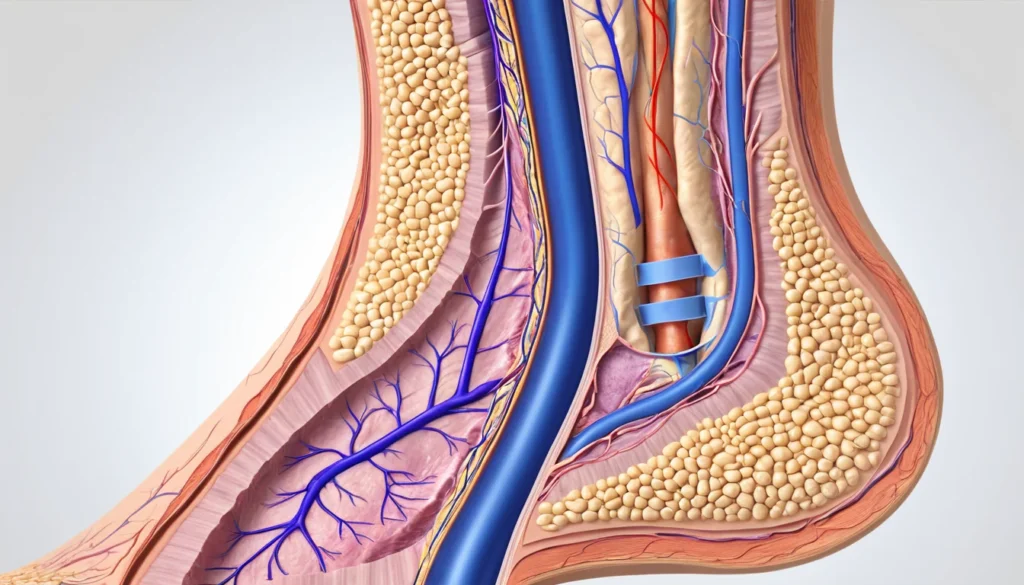
A leg ulcer is an open wound on the lower leg or foot that takes more than six weeks to heal.
Cardiologist · Canada Health Journal
Dr. David Thompson is a board-certified cardiologist at the University of Toronto, with over 16 years of experience in cardiovascular medicine. A Fellow of the Royal College of Physicians of Canada (FRCPC), he specializes in preventive cardiology, heart failure management, and cardiac rehabilitation. Dr. Thompson has published extensively on hypertension and coronary artery disease in Canadian populations.
A leg ulcer is an open wound on the lower leg or foot that takes more than six weeks to heal.
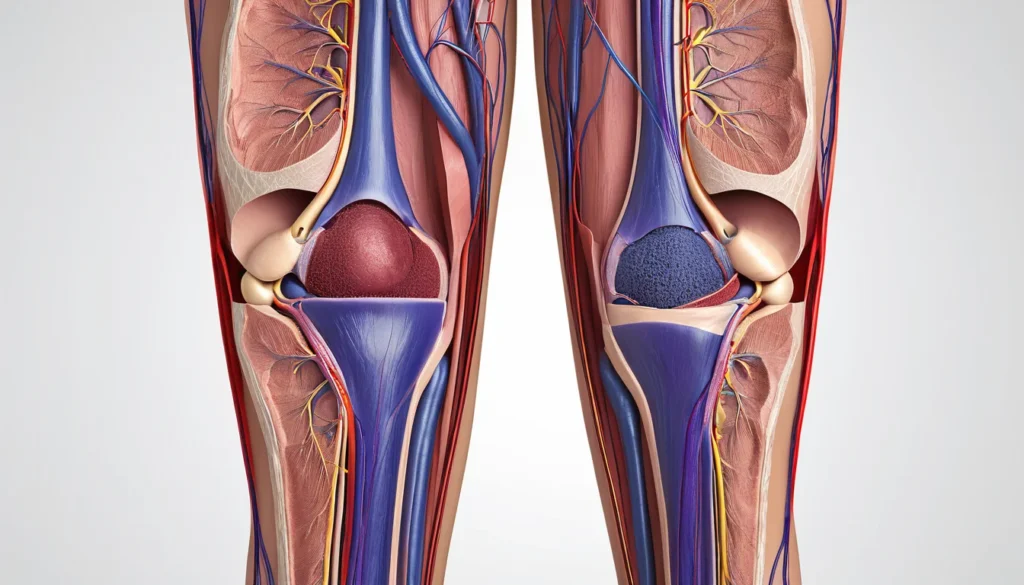
Venous leg ulcers are also called stasis ulcers or varicose ulcers. They develop as a result of a condition called venous …
Your blood vessels constantly adjust their size to control blood flow throughout your body.
A blood clot, also called a thrombus, can form in two types of veins: surface veins (just under the skin) or deep veins (further …
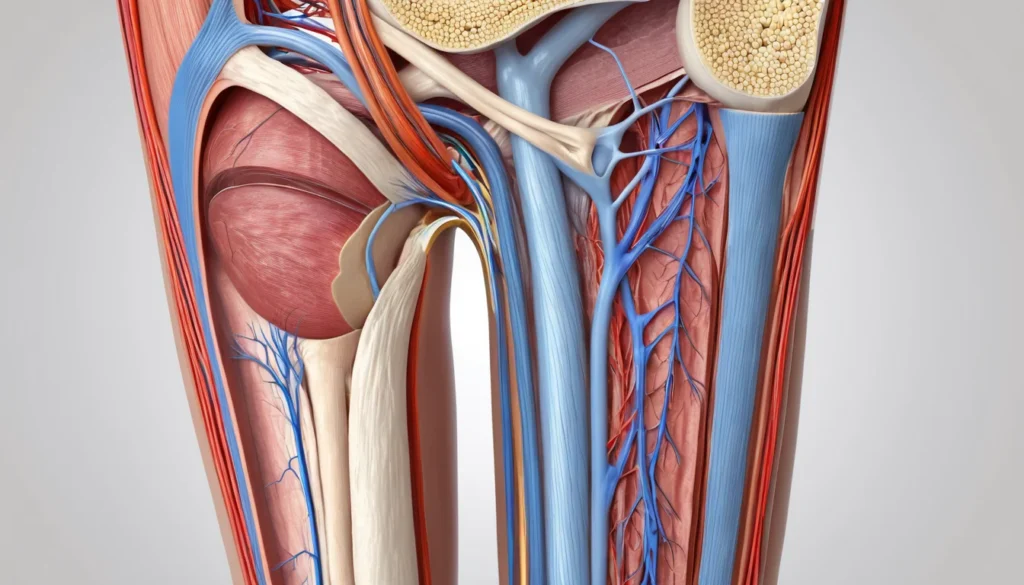
Deep vein thrombosis happens when a blood clot forms inside a deep vein, most often in the lower leg or thigh.
Tiny valves inside these veins keep blood flowing in one direction only. However, when blood flow slows down due to illness, …
Your blood needs to flow freely through your veins and arteries to keep you healthy. Sometimes, however, an abnormal blood clot …
Post-thrombotic syndrome (PTS) develops as a complication after a deep vein thrombosis. A DVT is a blood clot that forms in a deep …
Churg-Strauss syndrome — also called eosinophilic granulomatosis with polyangiitis (EGPA) — is one of several forms of vasculitis, …
Antiphospholipid syndrome happens when your immune system mistakenly produces harmful proteins called antiphospholipid antibodies.