Atopic dermatitis in adults is a chronic skin condition that causes dry, itchy, and inflamed skin. It is a form of eczema that can flare up repeatedly over a person’s lifetime. While it is more common in children, many adults either carry it from childhood or develop it later in life. There is no cure, but with the right care, most people can manage their symptoms effectively.
What Is Atopic Dermatitis?
Atopic dermatitis is one of the most common skin conditions in the world. It affects men and women equally and makes up roughly 10 to 20 percent of all skin-related concerns seen by dermatologists. The condition causes the skin to become red, swollen, and prone to cracking, blistering, and flaking.
In most cases, symptoms first appear in childhood. About 90 percent of diagnoses happen before age five. However, around 60 percent of those children continue to experience symptoms as adults. For others, atopic dermatitis appears for the first time in adulthood, often triggered by environmental factors.
According to Health Canada, skin conditions like eczema are a growing concern across the country, particularly in urban areas and regions with dry climates.
Causes of Atopic Dermatitis in Adults
Doctors do not fully understand what causes atopic dermatitis. However, research points to a combination of genetic and environmental factors. People with this condition tend to have overly sensitive skin and a lower threshold for itching.
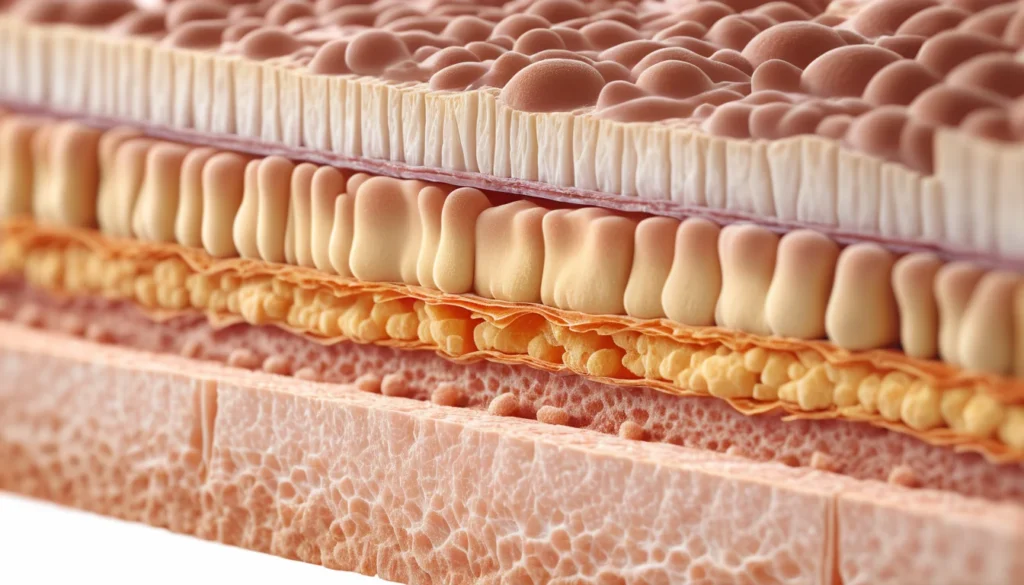
Healthy skin acts as a barrier. It holds moisture in and keeps bacteria, irritants, and allergens out. In people with atopic dermatitis, this barrier does not work properly. As a result, the skin dries out easily and becomes vulnerable to outside triggers.
Common Triggers
Several factors can trigger or worsen a flare-up. Knowing your triggers is one of the most important steps in managing the condition. Common triggers include:
Dry skin and a weakened skin barrier
A genetic tendency toward skin barrier problems
An overactive or abnormal immune system response
Bacteria on the skin that block sweat glands
Harsh soaps, alcohol-based cleansers, or drying skin products
Extreme temperatures and low humidity
Rough or scratchy fabrics, such as wool
Food sensitivities or intolerances
Allergens such as pollen, dust mites, or pet dander
Atopic dermatitis is also linked to seasonal allergies and asthma. These conditions do not cause each other, but they often appear together. People with atopic dermatitis tend to have weaker immune defences and are more prone to fungal infections and staph infections on the skin.
Emotional stress and anxiety can make symptoms worse. However, stress is not a direct cause of the condition. It is more of an aggravating factor that can trigger flare-ups in people who are already susceptible.
Symptoms of Atopic Dermatitis in Adults
Symptoms can vary from person to person, but there are some patterns that are common in adults. Unlike children, who often have rashes on the face and body, adults tend to develop symptoms in specific areas. These include the insides of the elbows and knees, the wrists, the hands, the eyelids, and the skin behind the ears.
The skin in these areas often becomes dry, thickened, and darker than the surrounding skin. This thickening, called lichenification, happens when someone scratches the same area repeatedly over time. The Mayo Clinic describes atopic dermatitis as a condition where itching can be severe and persistent, especially at night.
The Itch-Scratch Cycle
Itching is one of the most difficult symptoms to manage. It tends to get worse at night, when people are asleep and cannot control the urge to scratch. As a result, skin damage is often most visible in the morning. Scratching provides temporary relief but makes the inflammation worse over time.
Some people develop small, red, scaly patches where the immune system reacts abnormally. Others develop hardened, thickened skin from repeated scratching. In some cases, raised bumps appear on the skin and can become infected if scratched open, forming crusted sores.
How Is Atopic Dermatitis Diagnosed?
A doctor or dermatologist diagnoses atopic dermatitis through a physical exam and a careful look at the skin. Your family history is also important, since the condition tends to run in families.
A skin biopsy — where a small sample of skin is removed and examined under a microscope — is rarely needed. In more severe cases, blood tests may show elevated levels of IgE antibodies and a higher-than-normal count of white blood cells called eosinophils. These results can support the diagnosis.
In some situations, a skin swab may be taken to check for a staph infection, which is common in people with moderate to severe atopic dermatitis. Your doctor may also perform patch testing to identify specific allergens that could be triggering your flare-ups.
Treatment Options for Atopic Dermatitis in Adults
There is no cure for atopic dermatitis, but treatment can significantly reduce symptoms and prevent flare-ups. The main goals are to relieve itching, reduce inflammation, and restore the skin’s protective barrier. Addressing anxiety and emotional stress is also part of a well-rounded treatment plan.
Topical Treatments
Topical treatments are applied directly to the skin. They are the first line of defence for most people with mild to moderate atopic dermatitis. These include:
Corticosteroid creams or ointments — reduce inflammation and relieve itching
Calcineurin inhibitors — non-steroidal creams that calm the immune response in the skin
Emollients and moisturisers — help restore the skin barrier and prevent moisture loss
Applying a thick, fragrance-free moisturiser immediately after bathing is one of the most effective daily habits for managing atopic dermatitis. It locks in moisture before the skin has a chance to dry out.
Systemic and Advanced Treatments
For more severe cases, doctors may recommend systemic treatments that work throughout the body. These include immune-modulating medications and antihistamines to control itching. In Canada, some newer biologic drugs — such as dupilumab — are available and covered under certain provincial drug plans. Ask your doctor whether you qualify.
Phototherapy, or light therapy, is another option for severe atopic dermatitis that does not respond to creams alone. It involves exposing the skin to controlled amounts of ultraviolet light under medical supervision.
Wet wrap therapy is a more intensive option for severe flare-ups. It involves applying a topical corticosteroid to the skin, then covering the area with damp bandages or clothing. This helps the medication absorb more deeply. This treatment should only be done under a doctor’s guidance.
Daily Skin Care Routine
A consistent skin care routine is essential for adults with atopic dermatitis. Use gentle, fragrance-free cleansers. Apply your prescribed creams and then a moisturiser right after bathing. Avoid hot water, which can strip the skin of its natural oils. Wear soft, breathable fabrics like cotton to reduce irritation.
Working closely with your health care provider is key. Treatment plans are personalised based on your age, symptom severity, and overall health. The Healthline guide on atopic dermatitis also offers helpful lifestyle tips for managing day-to-day flare-ups.
When to See a Doctor
If you have persistent, itchy skin that is not improving with over-the-counter moisturisers, it is time to see a doctor. You do not need a specialist to start. Your family doctor or a walk-in clinic can assess your skin and recommend a first course of treatment.
See a doctor promptly if your skin becomes infected. Signs of infection include increased redness, warmth, swelling, oozing, or crusting. Staph infections are common in people with atopic dermatitis and require antibiotic treatment.
If your symptoms are severe or do not respond to standard treatments, ask for a referral to a dermatologist. Most provincial health plans in Canada cover dermatology visits when referred by a family doctor. Managing atopic dermatitis well often requires a long-term partnership with your health care team.
Frequently Asked Questions About Atopic Dermatitis in Adults
Can atopic dermatitis develop for the first time in adulthood?
Yes, atopic dermatitis in adults can appear for the first time even if you never had it as a child. Adult-onset cases are often triggered by prolonged exposure to environmental irritants, stress, or changes in immune function. If you develop persistent itchy, dry skin as an adult, speak with your family doctor for a proper diagnosis.
Is atopic dermatitis contagious?
No, atopic dermatitis is not contagious. You cannot catch it from another person or spread it through skin contact. It is a chronic inflammatory condition rooted in genetics and immune system behaviour, not an infection.
What is the difference between atopic dermatitis and eczema?
Atopic dermatitis is the most common form of eczema. The word “eczema” is an umbrella term for several types of skin inflammation, and atopic dermatitis falls under that category. When most people say “eczema,” they are usually referring to atopic dermatitis.
Can diet affect atopic dermatitis in adults?
For some adults, certain foods can trigger or worsen atopic dermatitis flare-ups. Common culprits include dairy, eggs, soy, wheat, and nuts. However, food sensitivities vary from person to person. Talk to your doctor before making any major dietary changes, as an elimination diet should be done carefully and with professional guidance.
Does stress make atopic dermatitis worse?
Yes, stress can trigger or worsen flare-ups of atopic dermatitis in adults. Stress affects the immune system and can increase inflammation throughout the body. Managing stress through exercise, sleep, and mental health support can be a helpful part of your overall treatment plan.
Is atopic dermatitis covered under provincial health plans in Canada?
Doctor visits and many standard treatments for atopic dermatitis are covered under most provincial and territorial health plans in Canada. Some newer biologic medications may require special approval or a supplemental drug plan. Ask your family doctor or dermatologist what options are available in your province.
Key Takeaways
Atopic dermatitis in adults is a chronic, recurring skin condition with no permanent cure.
It causes dry, itchy, inflamed skin — most often on the hands, eyelids, elbows, and knees in adults.
The condition results from a mix of genetic factors, a weakened skin barrier, and environmental triggers.
Treatment includes topical corticosteroids, moisturisers, calcineurin inhibitors, and in severe cases, systemic medications or light therapy.
A daily skin care routine — gentle cleansing and immediate moisturising after bathing — is essential.
Your family doctor or a walk-in clinic can help diagnose and manage atopic dermatitis. Severe cases may require a referral to a dermatologist.
Always consult a qualified health care provider before starting or changing any treatment for atopic dermatitis.