Atherosclerosis is a condition where fatty deposits build up inside your artery walls, slowly narrowing and hardening them over time. It is one of the leading causes of heart disease and stroke in Canada. Understanding what it is, what causes it, and how to manage it can help you protect your long-term health. This article covers everything you need to know, in plain language.
What Is Atherosclerosis?
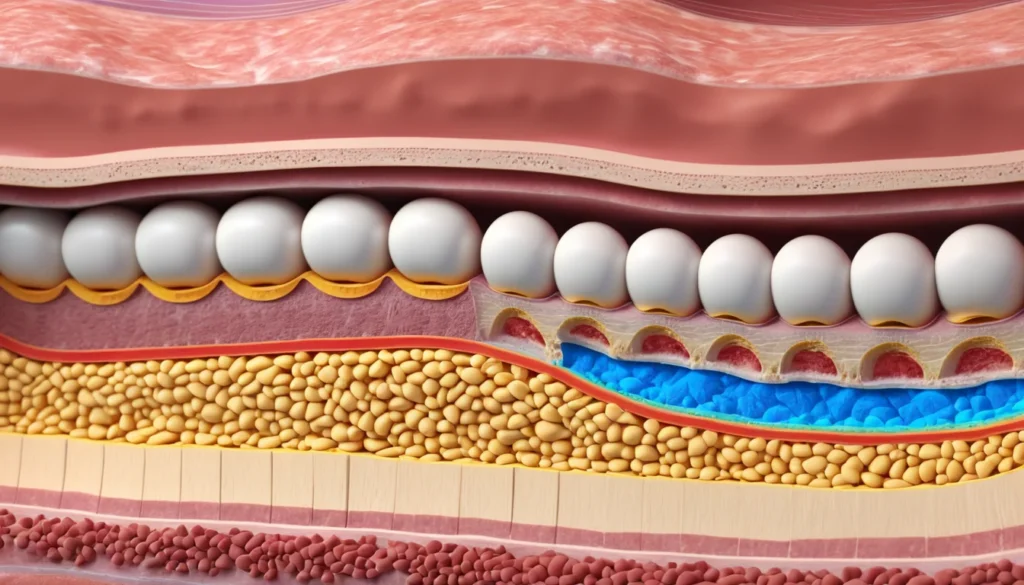
Atherosclerosis happens when cholesterol, fats, and other substances collect along the inner walls of your arteries. Over time, these deposits — called plaques — harden and narrow the arteries. This makes it harder for blood to flow freely through them.
Healthy arteries are flexible and smooth. Blood flows through them in a steady, even stream. However, when plaques form, blood flow becomes turbulent and uneven. This puts serious strain on your heart and other organs.
As plaques grow, they can also attract calcium, forming a tough, fibrous tissue around the deposits. This is why the condition is sometimes described as “hardening of the arteries.” The arteries lose their natural elasticity and become stiff.
Atherosclerosis develops slowly — often over decades — without causing noticeable symptoms at first. By the time symptoms appear, the condition may already be quite advanced. That is why regular check-ups with your family doctor are so important.
What Causes Atherosclerosis?
Atherosclerosis begins with damage to the inner lining of an artery, called the endothelium. Once this lining is damaged, cholesterol and other fatty substances can start to collect at the injury site. The body’s immune system responds by sending white blood cells to the area, which can make the build-up worse.
Several factors can damage the artery lining and trigger this process. These include:
High blood pressure (hypertension)
High levels of LDL (“bad”) cholesterol in the blood
Cigarette smoking
High blood sugar from diabetes or insulin resistance
Chronic inflammation in the body
A diet high in saturated fats, trans fats, and processed foods
In addition, a sedentary lifestyle, excess body weight, and chronic stress can all contribute to the development of this condition. Many Canadians have more than one of these risk factors at the same time, which increases the danger significantly.
The Role of Cholesterol
Cholesterol is a fatty substance your body needs in small amounts. However, when LDL cholesterol levels are too high, it begins to stick to artery walls. HDL cholesterol — the “good” kind — helps remove LDL from the arteries. Keeping a healthy balance between the two is key.
Your provincial health plan covers cholesterol testing through routine blood work ordered by your family doctor. It is a simple test that can reveal a great deal about your cardiovascular risk. Health Canada recommends regular screening for adults, especially those over 40 or with known risk factors.
How Atherosclerosis Affects Your Body
Atherosclerosis does not just affect one part of the body. It can develop in arteries throughout your entire body, leading to a wide range of serious health problems depending on where the blockages occur.
Heart Disease
When plaques narrow the coronary arteries — the vessels that supply blood to your heart — it can lead to coronary artery disease. This is the most common cause of heart attacks in Canada. A heart attack occurs when a plaque ruptures and a blood clot blocks the artery completely, cutting off blood supply to part of the heart muscle.
Symptoms of coronary artery disease can include chest pain (angina), shortness of breath, and fatigue. However, some people have no symptoms at all until a heart attack occurs. Therefore, knowing your risk factors is critical.
Stroke
Atherosclerosis in the arteries leading to the brain can cause a stroke. A stroke happens when blood supply to part of the brain is cut off, either by a blockage or by a burst blood vessel. Strokes can cause permanent disability or death.
Warning signs of stroke include sudden numbness or weakness in the face, arm, or leg, confusion, trouble speaking, or loss of vision. If you notice these signs, call 911 immediately. Every minute matters during a stroke.
Peripheral Artery Disease
Atherosclerosis can also affect the arteries in your legs and feet. This is called peripheral artery disease (PAD). People with PAD often feel pain, cramping, or weakness in their legs when walking. In severe cases, poor circulation can lead to wounds that do not heal or even tissue death.
Kidney and Other Organ Damage
The kidneys rely on a steady blood supply to filter waste from your body. Narrowed arteries leading to the kidneys can impair kidney function over time. Furthermore, atherosclerosis in the aorta — the body’s largest artery — can lead to a dangerous bulging called an aneurysm.
Risk Factors for Atherosclerosis in Canada
Some risk factors for atherosclerosis are within your control, while others are not. Understanding both types helps you focus your energy in the right places.
Risk factors you cannot change:
Age — risk increases significantly after age 45 in men and 55 in women
Family history of heart disease or stroke
Biological sex — men tend to develop it earlier than women
Ethnicity — some groups have a higher genetic risk
Risk factors you can manage:
High blood pressure
High cholesterol
Smoking or tobacco use
Type 2 diabetes
Obesity or excess abdominal weight
Physical inactivity
A diet high in processed foods and unhealthy fats
Excessive alcohol consumption
According to the World Health Organization, cardiovascular diseases are the number one cause of death globally. However, up to 80% of heart attacks and strokes may be preventable through lifestyle changes and proper medical care.
How Atherosclerosis Is Diagnosed
Atherosclerosis is often discovered during routine testing before any symptoms develop. Your family doctor may order several tests to check your cardiovascular health, especially if you have risk factors.
Common Diagnostic Tests
Blood tests can check your cholesterol levels, blood sugar, and markers of inflammation. A physical exam can reveal changes in blood pressure or unusual sounds in your arteries (called bruits). Your doctor may also recommend imaging tests.
These imaging tests may include:
Electrocardiogram (ECG) — measures the electrical activity of your heart
Echocardiogram — uses sound waves to create images of your heart
Doppler ultrasound — checks blood flow in your arteries
CT angiography — produces detailed images of your artery walls and any plaques
Ankle-brachial index (ABI) — a simple test to detect peripheral artery disease
Most of these tests are covered under provincial health plans when ordered by a physician. Ask your family doctor which tests are right for you based on your personal risk profile.
Treatment and Management of Atherosclerosis
There is no cure for atherosclerosis, but it can be managed effectively. Treatment focuses on slowing the progression of the disease, reducing symptoms, and preventing heart attacks and strokes. In many cases, a combination of lifestyle changes and medication works best.
Lifestyle Changes
Making changes to your daily habits is the foundation of atherosclerosis management. Even modest improvements can make a meaningful difference in your cardiovascular health.
Helpful lifestyle changes include:
Eating a heart-healthy diet rich in vegetables, fruits, whole grains, and fibre
Reducing saturated fat, trans fat, salt, and added sugar
Getting at least 150 minutes of moderate physical activity per week
Quitting smoking — this is one of the single most effective steps you can take
Maintaining a healthy body weight
Limiting alcohol to low-risk drinking guidelines
Managing stress through relaxation, sleep, and social connection
Canada’s Food Guide offers practical, evidence-based advice for heart-healthy eating that fits a Canadian lifestyle and the diversity of foods available across the country.
Medications
Your doctor may prescribe one or more medications to help manage atherosclerosis and its risk factors. Common options include:
Statins — lower LDL cholesterol and reduce inflammation in artery walls
Antihypertensives — lower high blood pressure to reduce artery damage
Antiplatelet drugs (such as ASA/aspirin) — help prevent blood clots from forming on plaques
Diabetes medications — control blood sugar levels that damage artery walls
Newer lipid-lowering agents — for people who cannot tolerate statins or need additional cholesterol control
It is important to take medications exactly as prescribed. Do not stop taking them without speaking to your doctor first, even if you feel well. Atherosclerosis is a long-term condition that requires long-term management.
Medical Procedures
In some cases, lifestyle changes and medication are not enough. When arteries are severely narrowed, a medical procedure may be needed to restore blood flow. Options include:
Angioplasty and stenting — a small balloon is used to open a narrowed artery, and a mesh tube (stent) is placed to keep it open
Bypass surgery — a surgeon creates a new path for blood to flow around a blocked artery using a vessel taken from elsewhere in the body
Endarterectomy — surgical removal of plaque from an artery, most often done in the carotid arteries in the neck
Your care team will discuss the risks and benefits of each option with you. Most of these procedures are covered under provincial health insurance when medically necessary. According to Mayo Clinic, early intervention significantly improves outcomes for people with advanced atherosclerosis.
When to See a Doctor
Atherosclerosis often has no symptoms in its early stages. However, certain warning signs should never be ignored. If you experience any of the following, seek medical attention right away:
Chest pain, pressure, or tightness
Sudden shortness of breath
Pain, numbness, or weakness in your arms or legs
Sudden confusion, difficulty speaking, or vision changes
An irregular heartbeat
For symptoms that are not an emergency, your family doctor is your best first contact. They can assess your overall cardiovascular risk, order appropriate tests, and refer you to a specialist if needed. If you do not have a family doctor, a walk-in clinic can provide an initial assessment and bloodwork.
Even if you feel completely healthy, it is a good idea to discuss your cardiovascular risk factors with a doctor — especially if you are over 40, smoke, have diabetes, or have a family history of heart disease. Prevention is always better than treatment.
As always, this article is for general information only. Please speak with a qualified healthcare provider before making any changes to your treatment or lifestyle based on what you read here.
Frequently Asked Questions About Atherosclerosis
Can atherosclerosis be reversed?
Atherosclerosis cannot be fully reversed, but its progression can be slowed — and in some cases partially improved — through aggressive lifestyle changes and medication. Studies have shown that a heart-healthy diet, regular exercise, and statins can reduce plaque size over time. Talk to your doctor about the best plan for your situation.
What are the early warning signs of atherosclerosis?
Atherosclerosis often has no symptoms in its early stages, which is why it is sometimes called a “silent” disease. As it progresses, you may notice chest pain, leg pain when walking, or shortness of breath. Regular check-ups with your family doctor are the best way to catch it early.
What is the difference between arteriosclerosis and atherosclerosis?
Arteriosclerosis is a broad term for the stiffening or hardening of arteries, which can happen for several reasons. Atherosclerosis is a specific type of arteriosclerosis caused by the build-up of fatty plaques inside artery walls. All atherosclerosis is arteriosclerosis, but not all arteriosclerosis is atherosclerosis.
At what age does atherosclerosis typically start?
Atherosclerosis can begin as early as childhood, with fatty streaks forming in artery walls in the teenage years. However, significant plaque build-up typically develops during middle age and beyond. Risk increases notably for men after age 45 and for women after age 55.
Is atherosclerosis the same as heart disease?
Atherosclerosis is not the same as heart disease, but it is the most common underlying cause of it. When atherosclerosis affects the coronary arteries that supply the heart, it leads to coronary artery disease, which can cause heart attacks. It can also cause stroke, kidney disease, and peripheral ar