Ataxia is a neurological condition that affects your ability to coordinate muscle movements. People with ataxia have trouble with balance, walking, and controlling their limbs — even though their muscles are not weak. In Canada, ataxia can result from many different causes, ranging from genetic conditions to strokes to toxic exposures. This article explains what ataxia is, what causes it, how it is diagnosed, and what treatment options are available to Canadians.
What Is Ataxia?
The word ataxia comes from a Greek word meaning “without order” or “without coordination.” It describes a loss of muscle control during voluntary movements. This affects the rhythm, direction, and force of movement throughout the body.
People with ataxia often struggle with everyday activities. Walking, reaching for objects, and even speaking can become difficult. Ataxia is not a disease in itself — it is a symptom of damage to the nervous system, particularly a part of the brain called the cerebellum.
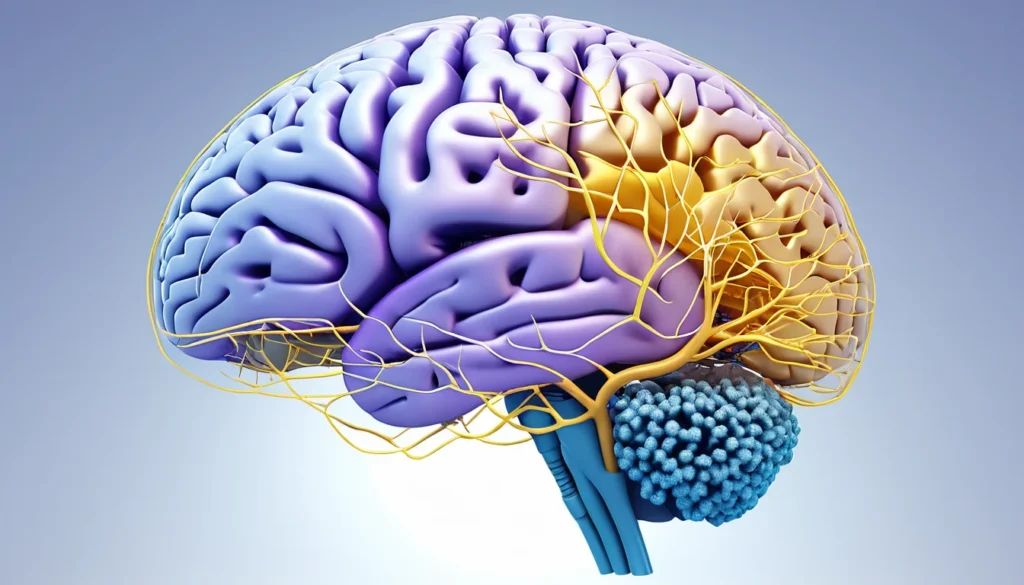
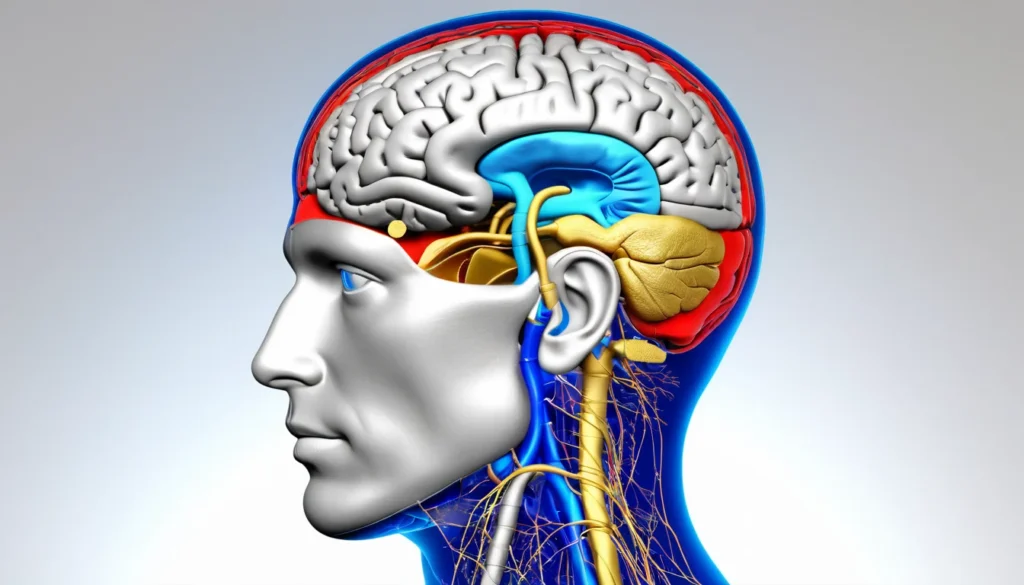
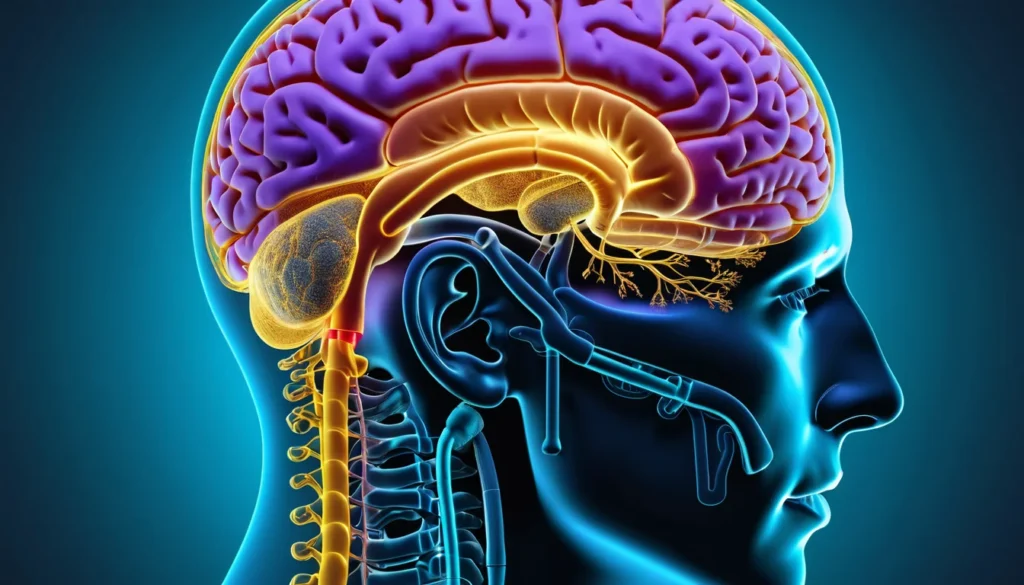
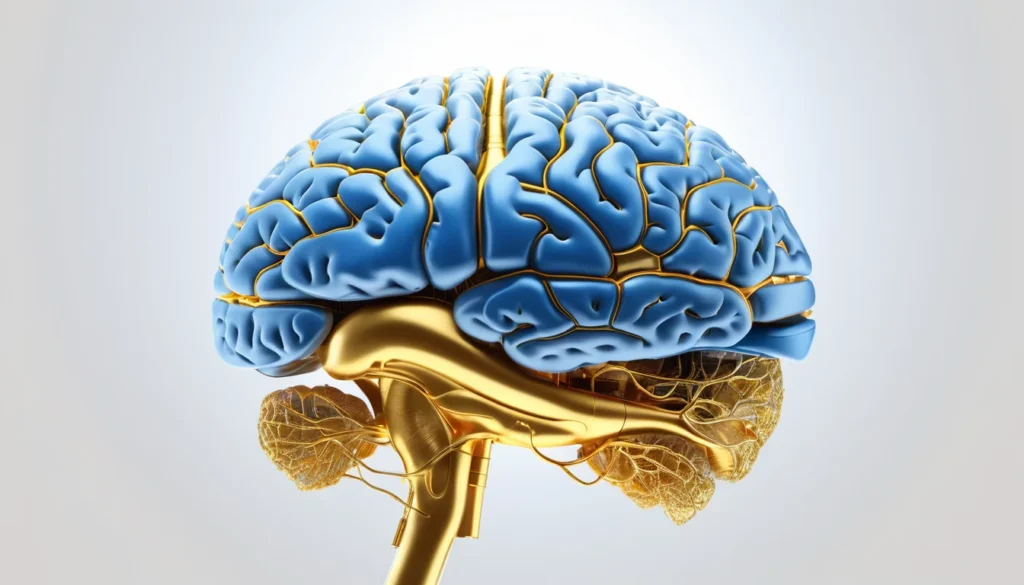
The cerebellum sits at the base of the brain. It controls voluntary muscle movements and helps maintain posture and balance. When the cerebellum or its connections are damaged, the result is ataxia. In some cases, the spinal cord is also affected — a condition called spinocerebellar degeneration.
What Causes Ataxia?
There are many different causes of ataxia. Doctors generally divide them into two groups: causes that are present from birth (congenital) and causes that develop later in life (acquired).
Congenital Causes
Some people are born with conditions that affect the cerebellum. These include Dandy-Walker syndrome, Joubert syndrome, and Gillespie syndrome. These are rare genetic conditions that affect brain development before birth.
Acquired Causes
Acquired ataxia develops after birth and can result from many factors. Common causes include:
Stroke or brain bleed
Head injury or trauma
Brain tumours
Exposure to toxins such as mercury or lead
Heavy alcohol use
Certain medications, including some anti-seizure drugs
Metabolic disorders
Vitamin deficiencies (especially B12 and vitamin E)
Multiple sclerosis
Infections such as syphilis
Furthermore, some heart and circulation problems can lead to ataxia. For example, an irregular heartbeat (atrial fibrillation) can cause a blood clot to travel to the brain and trigger a stroke-related ataxia.
Types of Ataxia
There are two main types of ataxia: sporadic and hereditary. Understanding the type helps doctors choose the right treatment and monitoring plan.
Sporadic Ataxia
Sporadic ataxia appears in adulthood with no clear family history of the condition. It is not inherited and often develops without a clear genetic cause. Doctors may look for other underlying conditions, such as toxin exposure or a nutritional deficiency, to explain the symptoms.
Hereditary Ataxia
Hereditary ataxia is caused by a genetic mutation present from birth. These genes can be passed down in two ways: dominant inheritance or recessive inheritance.
Recessive hereditary ataxia tends to show symptoms in childhood. Dominant hereditary ataxia often appears between the ages of 20 and 30, or even later in life. Health Canada recognizes genetic testing as a valuable tool for diagnosing hereditary forms of ataxia.
Hereditary ataxias are progressive conditions. This means they get worse over time, often over a period of years. The level of disability depends on the type of ataxia, the age when symptoms begin, and other individual factors.
Symptoms of Ataxia
Ataxia symptoms can vary depending on which part of the nervous system is affected. Each person may experience the condition differently. However, there are several common signs to watch for.
Problems With Walking and Balance
One of the most recognizable signs of cerebellar ataxia is an unsteady walk. People with ataxia often walk with their feet wide apart for support. They may lift their feet hesitantly, place them awkwardly, and stumble or sway — similar to how someone appears when intoxicated.
As a result, people with ataxia face a higher risk of falls. This can become a serious safety concern, especially for older Canadians.
Problems With Coordination and Fine Motor Skills
Ataxia also affects hand and arm movements. A person may reach past an object when trying to grab it, or their hand may tremble as they get close. For example, when reaching for a glass of water, someone with ataxia may open their fingers too wide and overshoot the target.
Doctors use specific tests to check for this, such as asking the patient to touch their nose with one finger or their knee with their heel. Interrupted or shaky movements during these tests are a key sign of ataxia.
Speech and Eye Problems
Ataxia can also affect how a person speaks. Speech may become slow, slurred, or monotone — a condition called cerebellar dysarthria. In addition, some people develop nystagmus, which is a rapid, uncontrolled movement of the eyes from side to side.
These symptoms occur because the cerebellum controls the precise muscle movements needed for speech and eye movement.
How Is Ataxia Diagnosed?
Diagnosing ataxia involves a thorough review of your medical history, family history, and a full neurological examination. Your doctor will also look for other conditions that could be causing your symptoms.
Tests and Investigations
Several tests may be ordered to help diagnose ataxia:
Blood and urine tests — to check for vitamin deficiencies, infections, or metabolic problems
CT scan (computed tomography) — often the first imaging test used in an emergency to rule out stroke, bleeding, or a tumour in the cerebellum
MRI (magnetic resonance imaging) — provides a more detailed picture of the brain and spinal cord; usually ordered if the CT scan does not show a clear cause
Lumbar puncture (spinal tap) — a sample of cerebrospinal fluid is taken and tested for signs of infection or inflammation
ECG and Holter monitoring — heart rhythm tests that can detect atrial fibrillation, which may point to a stroke as the cause of ataxia
Carotid ultrasound — checks the arteries in your neck for blockages or plaque
Genetic testing — looks for specific gene mutations linked to hereditary ataxia
According to the Mayo Clinic’s guide to ataxia diagnosis, genetic testing has become increasingly available and can be essential for confirming a hereditary cause. In Canada, genetic testing may be covered under your provincial health plan — ask your family doctor for a referral to a neurologist or genetics specialist.
Treatment Options for Ataxia
Treatment for ataxia depends on the underlying cause. In many cases, treating the root cause can reduce or slow the progression of symptoms. However, there is currently no cure for most forms of ataxia, particularly the hereditary types.
Treating the Underlying Cause
If ataxia is caused by a vitamin deficiency, supplements can help. If it results from a toxic exposure or medication side effect, removing the source may improve symptoms. Stroke-related ataxia may improve with rehabilitation over time.
Rehabilitation and Supportive Care
Even when the cause cannot be fully treated, rehabilitation can make a real difference. Physical therapy helps improve balance and walking. Occupational therapy helps people adapt daily tasks to maintain independence. Speech therapy addresses communication difficulties.
Assistive devices such as walkers or canes can also help people with ataxia move safely. Healthline’s overview of ataxia management highlights that a team-based approach to care often leads to the best outcomes. In Canada, your family doctor can coordinate referrals to these specialists through your provincial health system.
Genetic and Emerging Treatments
Research into hereditary ataxia is ongoing. Gene therapy and targeted medications are being studied in clinical trials. While these are not yet widely available, they offer hope for the future. Ask your neurologist whether any clinical trials in Canada may be appropriate for you.
When to See a Doctor
You should see a doctor promptly if you notice sudden changes in your balance, coordination, or walking. Sudden-onset ataxia can be a sign of a stroke, which is a medical emergency. Call 911 immediately if symptoms come on very quickly.
For symptoms that develop gradually, book an appointment with your family doctor as soon as possible. If you do not have a family doctor, a walk-in clinic can assess you and arrange further testing or a specialist referral. Your provincial health plan generally covers neurological investigations when referred by a physician.
It is always important to get a proper diagnosis. Ataxia symptoms can overlap with many other conditions, and only a qualified healthcare provider can determine the true cause. Do not try to self-diagnose based on symptoms alone.
Frequently Asked Questions About Ataxia
What is ataxia and what does it feel like?
Ataxia is a neurological condition that causes poor muscle coordination and balance problems. People with ataxia often feel unsteady when walking, have trouble reaching for objects, and may notice their speech becoming slurred. The experience varies depending on the type and severity of ataxia.
Is ataxia a serious condition?
Ataxia can range from mild to severely disabling, depending on its cause and progression. Hereditary forms of ataxia are progressive and can significantly affect a person’s quality of life over time. However, some forms of ataxia — such as those caused by a vitamin deficiency or medication — can improve with proper treatment.
Can ataxia be inherited?
Yes, hereditary ataxia is caused by genetic mutations that are passed down through families. Some forms follow a dominant inheritance pattern, while others are recessive. Genetic testing, which may be available through your provincial health plan, can help confirm whether ataxia runs in your family.
What is the most common cause of ataxia in adults?
In adults, ataxia is most commonly caused by stroke, heavy alcohol use, certain medications, or vitamin deficiencies. Sporadic cerebellar ataxia — which appears without a clear family history — is also common in middle-aged and older adults. Your doctor will run tests to identify the specific cause in your case.
How is ataxia treated in Canada?
Treatment for ataxia in Canada depends on the underlying cause and is coordinated through your provincial health system. Your family doctor can refer you to a neurologist, physiotherapist, occupational therapist, or speech-language pathologist. While there is no cure for hereditary ataxia, rehabilitation and supportive care can greatly improve daily functioning.
What is the difference between ataxia and a balance disorder?
Ataxia involves a broader breakdown in muscle coordination that goes beyond just balance — it also affects limb movements, speech, and eye control. A balance disorder may be caused by inner ear problems or other factors that do not involve the cerebellum. A neurological examination is the best way to tell these conditions apart.
Key Takeaways
Ataxia is a loss of muscle coordination caused by damage to the cerebellum or its connections in the nervous system.
It can be congenital (present from birth), hereditary (caused by gene mutations), or acquired (caused by stroke, toxins, medications, or other conditions).
Common symptoms include unsteady walking, poor hand-eye coordination, slurred speech, and abnormal eye movements.
Diagnosis involves a neurological exam, brain imaging (CT or MRI), blood tests, and sometimes genetic testing.
Treatment depends on the cause — some forms improve with treatment, while hereditary ataxia is managed with rehabilitation and supportive care.
Sudden-onset ataxia is a medical emergency — call 911. Gradual symptoms should be assessed by your family doctor or a walk-in clinic.
Always speak with a qualified healthcare provider for an accurate diagnosis and a care plan suited to your needs.