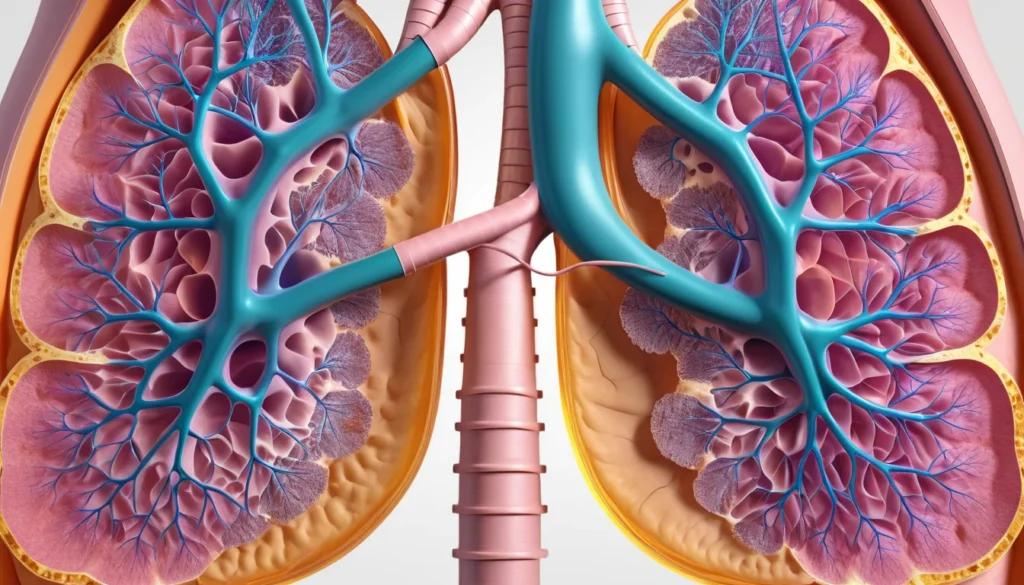
Asthma symptoms affect millions of people around the world — and many do not even know they have the condition. Asthma is a chronic lung disease that causes recurring breathing problems, including wheezing, chest tightness, shortness of breath, and coughing. Symptoms can change from hour to hour and day to day, which makes asthma easy to dismiss or confuse with other conditions. This article explains what asthma is, what causes it, how it is diagnosed, and when you should speak with a healthcare provider.
What Is Asthma?
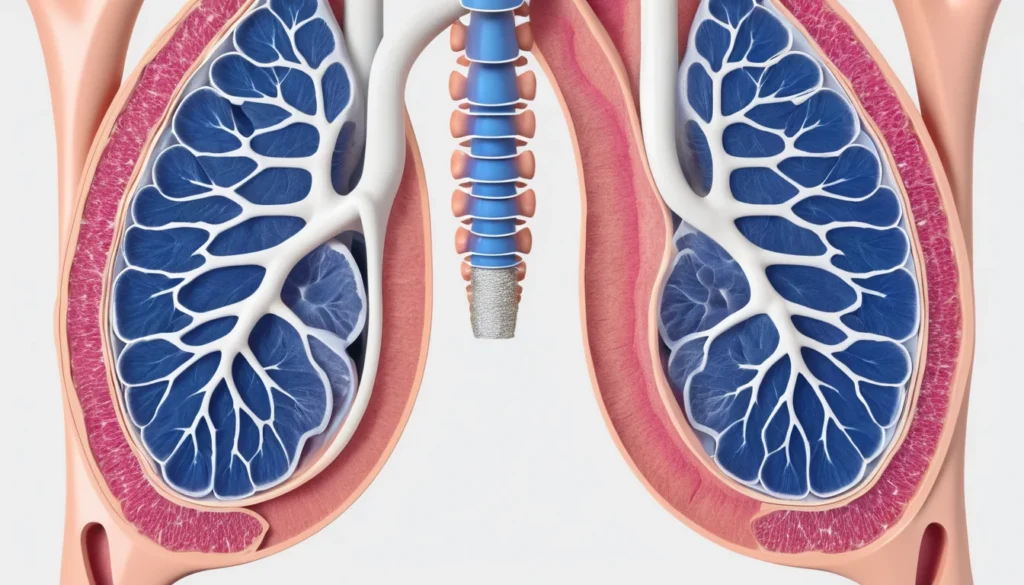
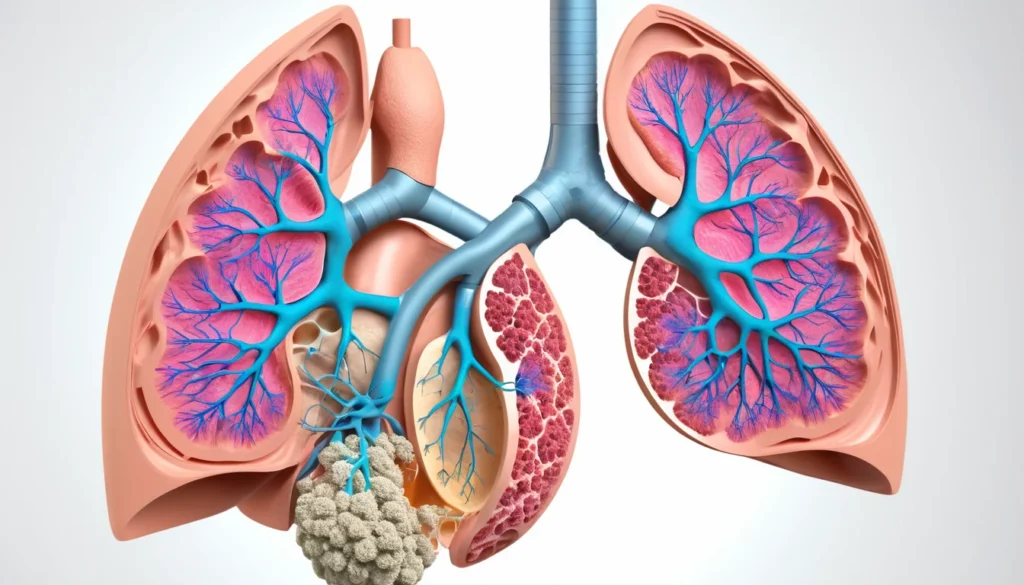
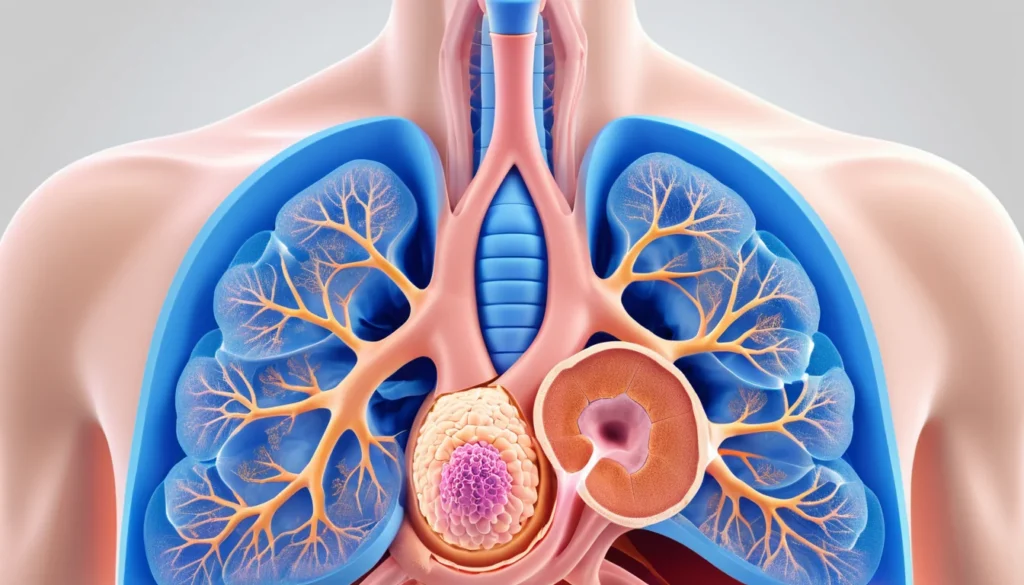
Asthma is a long-term condition that affects the airways — the tubes that carry air in and out of your lungs. When asthma is not well controlled, the airway lining becomes swollen and inflamed. The airways grow more sensitive to triggers in your environment.
During an asthma attack, the muscles around the airways tighten. The lining swells even more, and mucus builds up inside. As a result, it becomes much harder to breathe. Some people describe it as trying to breathe through a narrow straw.
Asthma affects people differently. For some, symptoms are mild and infrequent. For others, asthma can interfere with daily life. However, with proper management, most people with asthma can live fully active lives.
Common Asthma Symptoms to Watch For
Recognising asthma symptoms early is one of the most important steps toward getting the right care. Symptoms often vary depending on the time of day, the season, and what you have been exposed to.
The most common asthma symptoms include:
Wheezing — a high-pitched whistling sound when you breathe
Shortness of breath — feeling like you cannot get enough air
Chest tightness — a squeezing or pressure sensation in the chest
Persistent coughing — especially at night or early in the morning
Trouble sleeping due to coughing or breathing difficulty
Fatigue during or after physical activity
Symptoms often get worse at night or in the early morning hours. They can also flare up during exercise, cold weather, or when you are near allergens like dust, mould, or pet dander. Furthermore, respiratory infections such as colds can trigger or worsen symptoms.
When Asthma Symptoms Are Well Controlled
Good asthma control is both necessary and achievable. A person with well-controlled asthma experiences minimal symptoms — or none at all. They sleep through the night without coughing or wheezing.
They rarely need to use a rescue inhaler. In addition, they can exercise and take part in physical activity without limitations. Their lung function measures at or near normal on breathing tests. Well-controlled asthma means fewer emergency room visits and a better quality of life overall.
What Causes Asthma?
The exact causes of asthma are not yet fully understood. In fact, the rapid rise in asthma rates around the world is considered one of the biggest mysteries in modern medicine. Researchers continue to study why this condition is becoming more common.
In the 1990s, scientists believed diesel engine pollution and other environmental factors were mainly to blame. Today, most researchers agree the picture is far more complex. Genetics, early childhood immune system development, and environmental exposures all appear to play a role.
Known Asthma Triggers
While the root cause of asthma is still being studied, we do know what makes symptoms worse. Common triggers include:
Pollen, dust mites, mould, and pet dander
Air pollution and smoke, including tobacco smoke
Cold air or sudden changes in weather
Exercise, particularly in cold or dry air
Respiratory infections like colds and the flu
Strong smells, chemicals, or cleaning products
Stress and strong emotions
Certain medications, such as aspirin or ibuprofen
Identifying your personal triggers is a key part of managing asthma. Keeping a symptom diary can help you and your family doctor spot patterns over time.
Asthma Around the World — and Here in Canada
Asthma is one of the most common chronic conditions on the planet. According to the World Health Organization, approximately 300 million people worldwide live with asthma. That number is expected to grow significantly in the coming years.
Urban living appears to be a major factor in rising asthma rates. As more people around the world move into cities, exposure to pollution, allergens, and other triggers increases. Researchers estimate that by 2025, an additional 100 million people could be diagnosed with asthma worldwide.
Asthma also carries a real risk of serious harm. Globally, asthma accounts for roughly 4 in every 1,000 deaths. However, most of these deaths are preventable. They are often linked to under-treatment of the condition or delays in seeking emergency care during severe attacks.
The Cost of Poorly Managed Asthma
The economic burden of asthma is significant. Direct costs include hospital stays and medications. Indirect costs include missed work days and, in the most serious cases, premature death.
In Canada, asthma is a leading cause of school absences in children and missed workdays in adults. Provincial health plans cover many asthma treatments, but access to specialist care can vary depending on where you live. Speaking with your family doctor is the best first step to getting the right care and reducing these costs for yourself and your family.
How Is Asthma Diagnosed?
Your family doctor or a specialist can diagnose asthma using a combination of your medical history, a physical exam, and breathing tests. The most common test is called spirometry. It measures how much air you can breathe in and out, and how fast you can exhale.
Spirometry is painless and takes only a few minutes. You simply breathe into a mouthpiece connected to a machine, which gives results right away. The test does not require any special preparation or physical effort.
Your doctor may also recommend a peak flow test, allergy testing, or a chest X-ray to rule out other conditions. The Mayo Clinic provides a helpful overview of asthma diagnosis and treatment options if you want to learn more before your appointment.
Asthma in Children vs. Adults
Asthma can begin at any age. In children, it is one of the most common reasons for emergency room visits and hospital admissions. Children may show slightly different asthma symptoms than adults — frequent coughing at night or during play is often the first sign.
In adults, asthma sometimes develops for the first time after a respiratory infection or a change in environment. Adults who smoke or who work around chemicals or dust face a higher risk. Therefore, any new or unexplained breathing difficulties in adults should be assessed by a doctor.
Managing Asthma Effectively
There is currently no cure for asthma. However, effective management can allow most people to live without significant limitations. The goal of treatment is to control asthma symptoms, prevent attacks, and protect long-term lung health.
Treatment usually includes two types of medication. Long-term controller medications are taken daily to reduce inflammation in the airways. Rescue inhalers are used when symptoms flare up suddenly. Your doctor will work with you to find the right combination.
In addition to medication, lifestyle adjustments make a big difference. Avoiding known triggers, maintaining a healthy weight, staying physically active, and not smoking all help keep asthma under control. Health Canada offers guidance on how to use inhalers correctly, which is essential for medication to work as intended.
Asthma Action Plans
An asthma action plan is a written guide you create with your doctor. It tells you what to do when your symptoms are stable, when they are getting worse, and when you need emergency help. Having a clear plan reduces fear and helps you respond quickly during an attack.
Ask your family doctor or walk-in clinic to help you create one. Children with asthma should have a copy of their action plan at school as well.
When to See a Doctor About Asthma Symptoms
If you regularly experience wheezing, shortness of breath, chest tightness, or a persistent cough, it is worth speaking with a healthcare provider. Do not assume these symptoms are just a cold or normal aging. Early diagnosis and treatment can prevent asthma from getting worse.
You can start with your family doctor or visit a walk-in clinic if you do not have a regular doctor. They can assess your symptoms, order a spirometry test if needed, and refer you to a respirologist (a lung specialist) if necessary.
Seek emergency care immediately if you experience:
Severe shortness of breath that is getting worse quickly
Difficulty speaking in full sentences due to breathlessness
Bluish colour around your lips or fingernails
No improvement after using your rescue inhaler
A rapid heartbeat combined with breathing difficulty
Severe asthma attacks can become life-threatening very quickly. Call 911 or go to your nearest emergency department without delay.
Always consult your family doctor or a qualified healthcare provider for personal medical advice. The information in this article is for general educational purposes only.
Frequently Asked Questions About Asthma
What are the first signs of asthma in adults?
The first asthma symptoms in adults often include a persistent dry cough, mild wheezing, and a feeling of chest tightness — especially at night or during exercise. Many adults mistake these early signs for a lingering cold or stress-related breathing issues. If these symptoms keep coming back, it is worth speaking with your family doctor.
Can asthma go away on its own?
Asthma is a chronic condition, which means it does not fully go away. However, asthma symptoms can become much less frequent and severe with the right treatment and lifestyle changes. Some children appear to “outgrow” asthma, but the underlying sensitivity in the airways often remains.
Is asthma covered by provincial health plans in Canada?
Doctor visits, spirometry testing, and specialist referrals are generally covered under provincial health plans across Canada. However, coverage for asthma medications varies by province and by whether you have a drug benefit plan. It is best to check with your provincial health authority or your family doctor about what is covered in your area.
What is the difference between a rescue inhaler and a controller inhaler?
A rescue inhaler (usually a blue inhaler) provides fast relief when asthma symptoms flare up suddenly — it opens the airways within minutes. A controller inhaler is taken daily to reduce airway inflammation and prevent symptoms from occurring in the first place. Most people with persistent asthma need both types to manage the condition properly.
Can exercise trigger asthma symptoms?
Yes, exercise is a common trigger for asthma symptoms, particularly in cold or dry air. This is called exercise-induced bronchoconstriction. However, with proper medication and warm-up routines, most people with asthma can exercise safely and benefit greatly from staying physically active.
How is asthma diagnosed in Canada?
In Canada, asthma is typically diagnosed by a family doctor or respirologist using a breathing test called spirometry, combined with a review of your symptoms and medical history. The test is painless and takes only a few minutes. If your family doctor suspects asthma, they can refer you for testing or to a specialist through your provincial health system.
Key Takeaways
Asthma symptoms include wheezing, shortness of breath, chest tightness, and persistent coughing.
Symptoms often worsen at night, early in the morning, or during physical activity.
Asthma affects around 300 million people worldwide and is becoming more common in urban populations.
The exact cause of asthma is not fully known, but genetics, immune system development, and environmental triggers all play a role.
Asthma cannot be cured, but it can be effectively managed with medication and lifestyle changes.
A spirometry test — available through your family doctor or a walk-in clinic — is the standard way to diagnose asthma in Canada.
Most asthma-related deaths are preventable with proper, consistent treatment.
Always talk to your family doctor if you are experiencing recurring breathing problems.