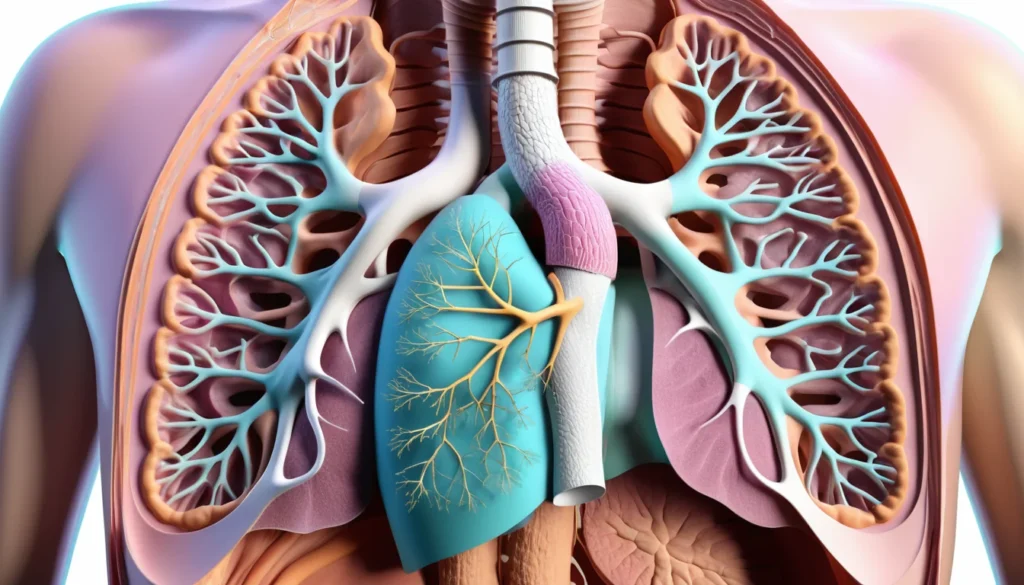
Asthma is one of the most common chronic conditions in Canada, affecting millions of adults and children. It is a lung disease that causes the airways — called bronchi — to narrow, making it hard to breathe. Understanding what asthma is, what triggers it, and how to treat it can help you or your child live a full and active life.
What Is Asthma?
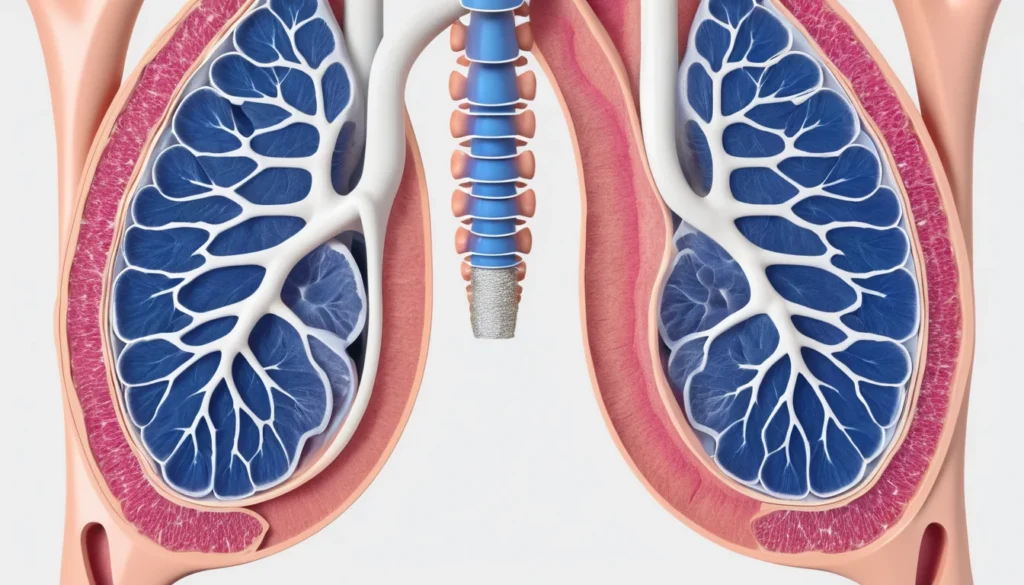
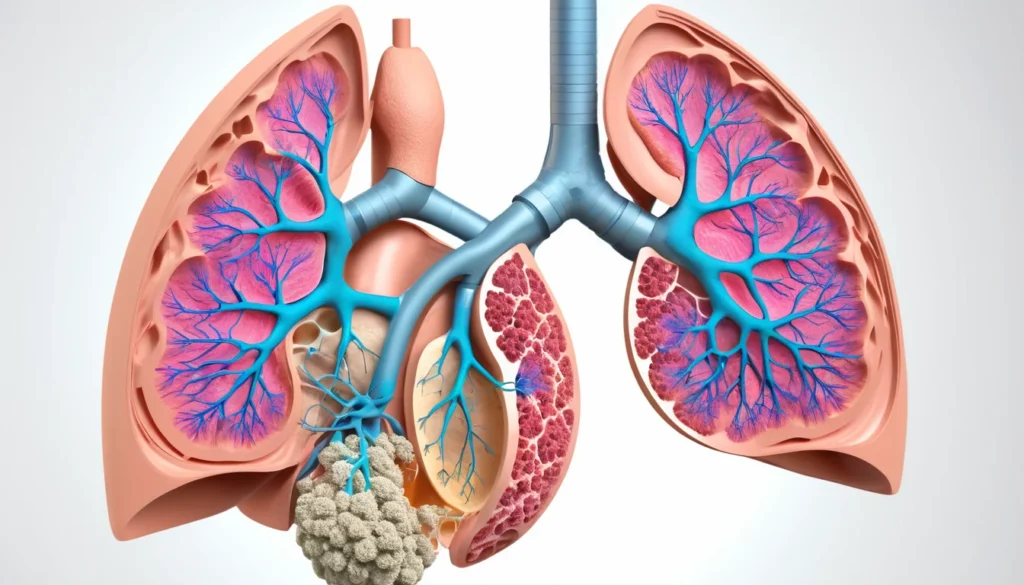
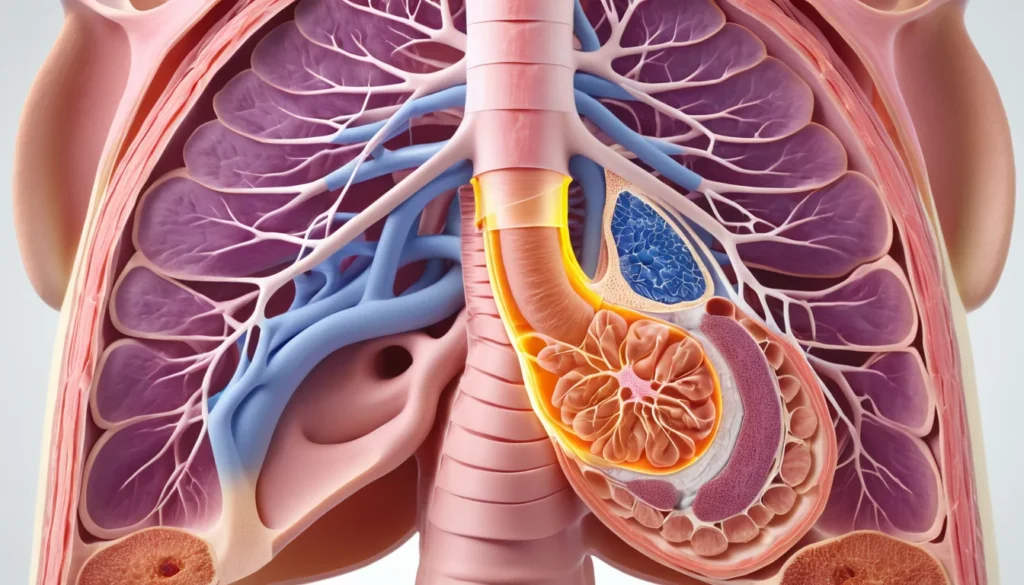
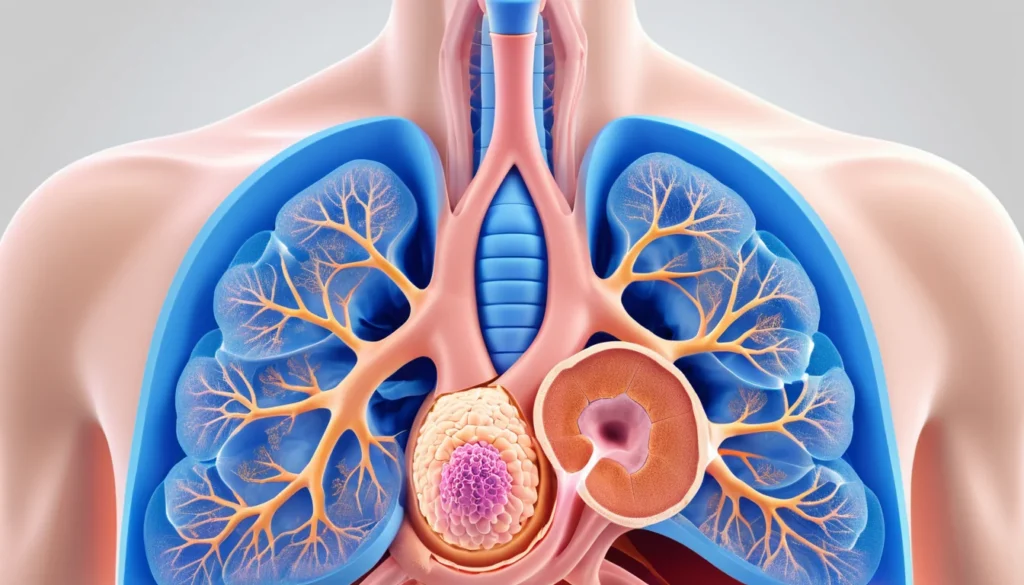
Your lungs have a branching network of airways that carry air deep into the lung tissue. In people with asthma, these airways become inflamed and can suddenly tighten. This makes it difficult for air to flow in and out freely.
Three things happen during an asthma episode. The muscles around the airways contract and squeeze the airway shut. The lining of the airway swells and becomes irritated. Thick, sticky mucus builds up inside the airway and makes the blockage worse.
The good news is that the muscle tightening — called a bronchospasm — usually relaxes quickly after using the right inhaler medication. This fast response to treatment is actually one of the key signs that help doctors confirm an asthma diagnosis.
According to Health Canada, asthma is the most common chronic disease in Canadian children and a leading cause of missed school and work days.
Common Asthma Symptoms to Watch For
Asthma symptoms can vary from person to person. However, most people with asthma experience a similar set of warning signs.
The most common symptoms include:
Shortness of breath — a feeling of tightness or breathlessness, especially at night or early morning
Wheezing — a whistling or squeaky sound when you breathe
Persistent cough — this may be the only symptom in some cases, especially in children
Chest tightness — a feeling of pressure or heaviness in the chest
Many people notice that their symptoms appear in specific situations — for example, during exercise or after being around a cat. These personal observations are very helpful. Sharing them with your family doctor can speed up diagnosis and treatment.
Asthma Symptoms in Children
Children may not always describe their symptoms clearly. A child may say their chest feels “funny” or they may simply avoid running during recess. Parents should watch for frequent nighttime coughing or a cough that lingers after a cold.
If your child seems to get winded faster than other kids, or if they wheeze during physical activity, it is worth raising this with your family doctor or visiting a walk-in clinic for an initial assessment.
What Causes Asthma?
The exact cause of asthma is not fully understood. However, researchers know that a combination of genetic and environmental factors plays a role. If a parent has asthma or allergies, their children are more likely to develop it as well.
In most children with asthma — and in about half of adults — the underlying cause is an allergic reaction. The immune system overreacts to harmless substances in the air, such as pollen, pet dander, or dust mites. This allergic response causes the airway lining to swell. It also triggers the release of chemicals like histamine, which cause the airways to tighten.
In other people, asthma is not allergy-related. However, the same type of airway inflammation still occurs. The reasons behind this non-allergic form are less well understood.
Over the past 50 to 100 years, rates of both asthma and allergies have risen significantly. Environmental factors and modern lifestyle changes are thought to play a role, though the exact reasons remain unclear. You can learn more about the global rise in asthma from the World Health Organization.
Common Asthma Triggers
A trigger is anything that irritates the airways and brings on asthma symptoms. People with asthma have airways that are extra sensitive — a condition called bronchial hyperreactivity. Even mild irritants can cause a reaction.
Common asthma triggers include:
Allergens — pet dander, dust mites, mould, pollen
Cold, dry air — especially during Canadian winters
Exercise — physical activity can trigger symptoms, though exercise itself is still encouraged with proper management
Cigarette smoke — both direct smoking and second-hand smoke are significant triggers
Air pollution — vehicle exhaust and industrial pollutants
Respiratory infections — colds, flu, and other viral illnesses
Stress — emotional stress can worsen airway sensitivity
For those with allergic asthma, even brief exposure to a trigger can cause a rapid reaction. For example, playing with a cat for a few minutes can be enough to bring on a full episode if someone is allergic to cat dander.
Canadian Winter and Asthma
Canada’s cold winters can be a particularly challenging time for people with asthma. Breathing in cold, dry air can quickly tighten the airways. Wearing a loose scarf or balaclava over the nose and mouth in cold weather can help warm the air before it enters the lungs.
In addition, spending more time indoors during winter increases exposure to indoor allergens like dust mites and pet dander. Keeping indoor air clean and humidity at a moderate level can make a real difference.
How Is Asthma Diagnosed?
A diagnosis of asthma is usually made by a family doctor or a respiratory specialist called a respirologist or pulmonologist. Most provincial health plans in Canada cover these consultations.
During your visit, your doctor will ask about your symptoms, your personal and family health history, and what seems to trigger your breathing problems. They will also do a physical examination to rule out other conditions.
Breathing Tests
The most important test for asthma is called spirometry. You breathe out as hard and as fast as you can into a device that measures how much air moves through your airways. The test is then repeated after you inhale a bronchodilator medication — the kind that opens the airways.
If your breathing improves significantly after the medication, this strongly suggests asthma. In some cases, if the test results appear normal despite your symptoms, a specialist may perform a bronchial challenge test. This test checks for airway hyperreactivity, which is a hallmark of asthma.
Allergy Testing
If allergic asthma is suspected, your doctor may refer you to an allergist. Skin prick tests can identify which allergens are triggering your symptoms. This information is very useful for creating a personalised treatment plan.
Asthma Treatment and Management
The goal of asthma treatment is to allow you to live a completely normal life — including playing sports, working, and being active. With the right plan, most people with asthma can achieve excellent control of their symptoms.
Treatment typically involves three main strategies:
Avoiding or reducing exposure to known triggers
Treating the underlying airway inflammation
Relieving bronchospasm quickly when symptoms occur
Avoiding Triggers
Reducing exposure to allergens is one of the most effective steps you can take. If you are allergic to pets, removing the animal from the home or at least keeping them out of the bedroom can make a significant difference. Using allergen-proof covers on mattresses and pillows also helps reduce dust mite exposure.
Furthermore, quitting smoking — or avoiding second-hand smoke entirely — is essential for anyone with asthma. Smoke is one of the most powerful airway irritants. Your family doctor or a provincial quit-smoking programme can provide support.
Reliever Inhalers (Bronchodilators)
Every person with asthma should carry a reliever inhaler, also called a rescue inhaler. These contain bronchodilator medication that relaxes the airway muscles within minutes. You use this inhaler when symptoms start.
There are also longer-acting bronchodilators that keep the airways open for 12 hours or more. These are used twice daily as part of a maintenance routine, not as a quick rescue treatment.
Controller Medications (Anti-Inflammatory Inhalers)
Because inflammation is at the root of asthma, controlling it is the most important part of long-term management. Inhaled corticosteroids are the most commonly prescribed controller medications. They reduce swelling in the airway lining and decrease mucus production.
These corticosteroid inhalers are very different from the anabolic steroids sometimes misused by athletes. The doses used for asthma are very low and are delivered directly to the lungs. As a result, the risk of side effects is much lower than with oral steroids. In some cases, a doctor may also prescribe medications called leukotriene inhibitors alongside inhaled corticosteroids for better control.
For more detailed information on asthma medications, the Mayo Clinic’s guide to asthma treatment is a reliable resource.
When to See a Doctor
You should speak with your family doctor if you notice recurring shortness of breath, wheezing, or a cough that does not go away. These symptoms are worth investigating, even if they seem mild. Early diagnosis leads to better long-term outcomes for people with asthma.
If you do not have a family doctor, a walk-in clinic can provide an initial assessment and refer you to a specialist if needed. Most provincial health plans cover asthma-related doctor visits and spirometry testing.
Seek emergency care immediately if you experience any of the following:
Severe shortness of breath that does not improve with your reliever inhaler
Difficulty speaking in full sentences due to breathlessness
Lips or fingernails turning bluish or grey
Rapid worsening of symptoms despite medication
These may be signs of a serious asthma attack that requires urgent medical attention. Call 911 or go to your nearest emergency department right away.
Frequently Asked Questions About Asthma
Can asthma go away on its own?
Some children with asthma see their symptoms improve or disappear as they grow older. However, asthma is a chronic condition that often returns in adulthood, especially with ongoing trigger exposure. It is important to continue working with your doctor even if your asthma seems to be in remission.
Is asthma the same as being allergic?
Not always. Allergies are a common cause of asthma, especially in children, but asthma can also occur without any allergic component. Both allergic and non-allergic asthma cause the same type of airway inflammation, but the triggers and underlying mechanisms differ.
Can people with asthma exercise?
Yes — exercise is encouraged for people with asthma and is important for overall lung health. Many elite athletes have asthma and manage it very successfully. With the right medication plan and warm-up routine, most people with asthma can be as active as they want.
What is the difference between a reliever and a controller inhaler?
A reliever inhaler (rescue inhaler) works quickly to open the airways during an asthma episode. A controller inhaler is taken daily to reduce airway inflammation and prevent symptoms from occurring in the first place. Most people with moderate to severe asthma need both types.
Does cold weather make asthma worse?
Yes, cold and dry air is a well-known asthma trigger, which can make Canadian winters particularly challenging. Breathing in cold air causes the airways to tighten rapidly. Covering your mouth and nose with a scarf outdoors and keeping your reliever inhaler accessible can help manage symptoms during colder months.
Is asthma covered by provincial health plans in Canada?
Doctor visits, specialist referrals, and spirometry testing for asthma are generally covered by provincial and territorial health plans across Canada. Prescription medications, including inhalers, may be covered under provincial drug benefit programmes depending on your age, income, and province of residence.
Key Takeaways
Asthma is a chronic airway disease that causes narrowing, inflammation, and mucus buildup in the bronchi.
Common symptoms include wheezing, shortness of breath, chest tightness, and a persistent cough.
Triggers vary by person and include allergens, cold air, exercise, smoke, pollution, and respiratory infections.
Diagnosis involves breathing tests (spirometry) and may include allergy testing through a family doctor or allergist.
Treatment combines trigger avoidance, reliever inhalers for quick relief, and controller inhalers for long-term management.
Canadian winters can worsen asthma — planning ahead and keeping your inhaler close makes a real difference.
Always speak with your family doctor or visit a walk-in clinic if you have concerns about your breathing. This article is for general information only and is not a substitute for professional medical advice.