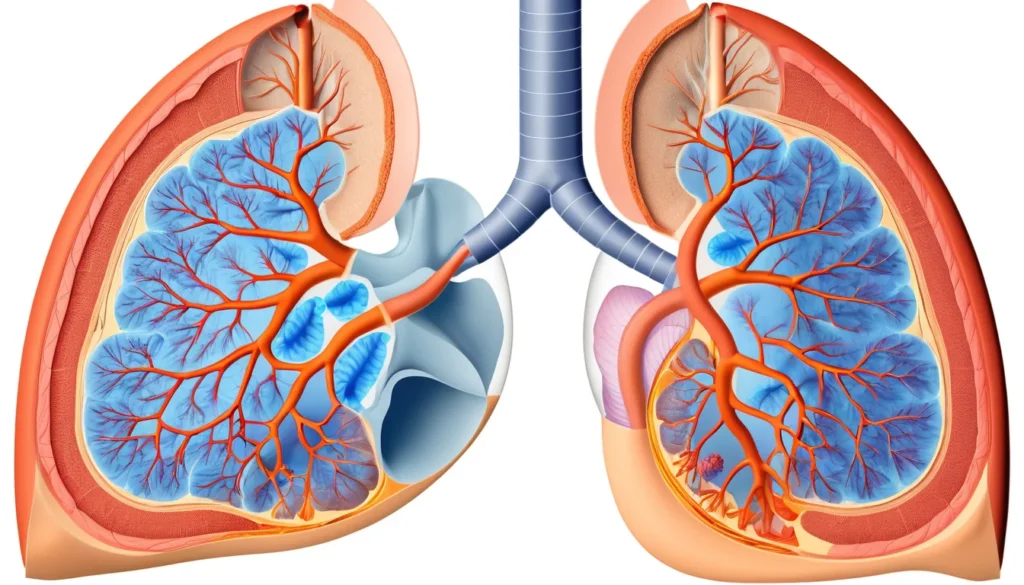
Asthma is one of the most common chronic diseases in the world, affecting an estimated 300 million people globally. In Canada, it touches the lives of millions of adults and children every single day. The good news is that asthma can be managed effectively. With the right information and support from your healthcare team, most people with asthma live full, active lives.
What Is Asthma?
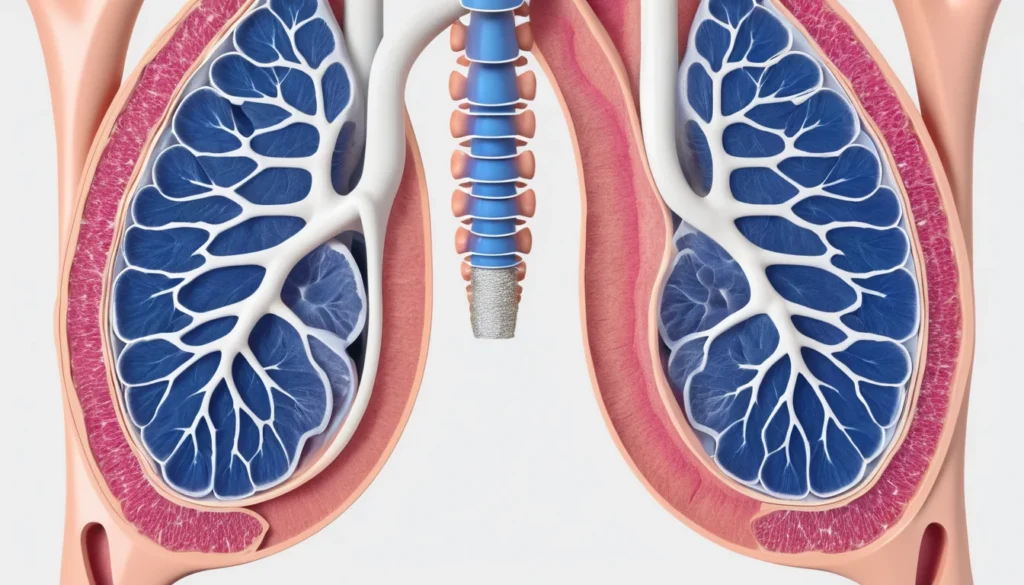
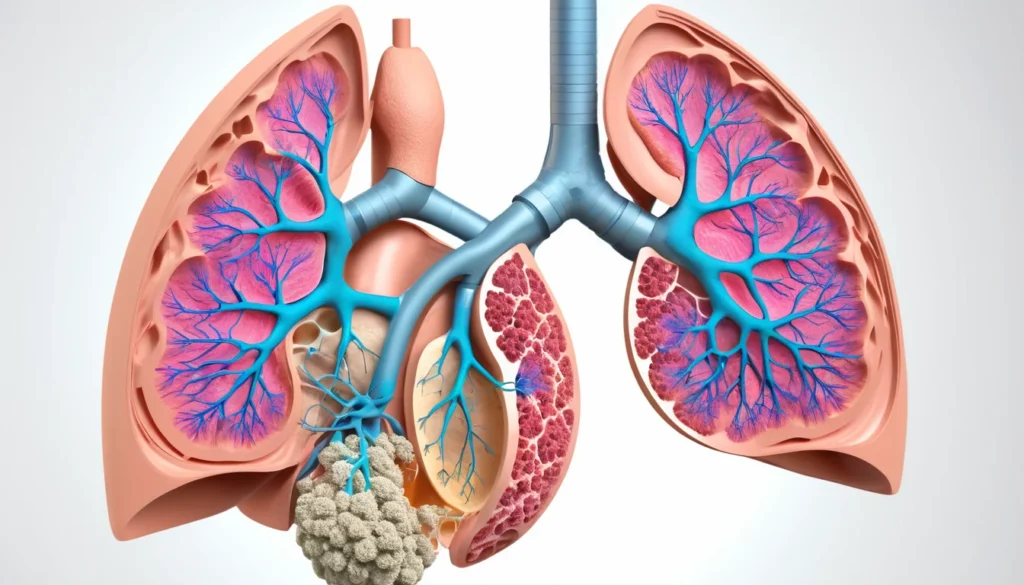
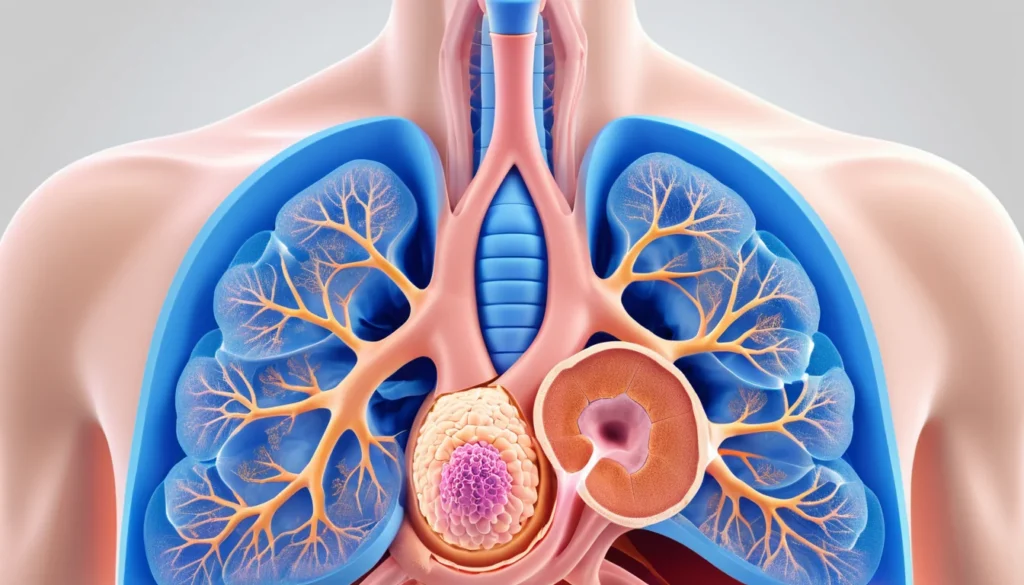
Asthma is a chronic condition that affects your airways — the tubes that carry air in and out of your lungs. When asthma flares up, these airways become inflamed, swollen, and narrow. This makes it harder to breathe.
Asthma is not just a childhood condition. It can develop at any age. However, it is especially common in children, and its prevalence is rising worldwide. According to the World Health Organization, asthma is a major cause of chronic illness and missed school or workdays around the globe.
The airways of someone with asthma are extra sensitive. They react to certain triggers — like cold air, smoke, or pet dander — more strongly than those of someone without the condition. This sensitivity is what causes asthma symptoms to flare up.
Common Asthma Symptoms to Watch For
Asthma symptoms can vary from person to person. Some people have mild symptoms that come and go. Others deal with symptoms more frequently. Knowing what to look for is the first step toward getting the right help.
Here are the most common signs of asthma:
A whistling or wheezing sound when you breathe
Shortness of breath, especially after light activity like climbing stairs
A tight feeling in your chest, as if something is pressing on it
A persistent cough, particularly at night or in the early morning
Coughing or gasping after physical exercise
Difficulty breathing around animals, smokers, or in cold outdoor air
Colds that seem to last longer than 10 days and settle in your chest
It is important to note that not everyone with asthma wheezes. Some people only experience a dry, nagging cough — especially at night. This is sometimes called cough-variant asthma and is often mistaken for a recurring cold or allergy.
Asthma Symptoms in Children
Children may not always be able to describe what they are feeling. As a result, asthma in kids can sometimes go unnoticed for a while. Watch for a child who avoids physical activity, complains of chest tightness, or wakes up coughing repeatedly at night.
Children with asthma may also tire easily during play or seem to “get every cold going around.” If your child’s coughs linger well past the cold itself, it is worth bringing up with your family doctor or paediatrician.
What Triggers Asthma?
An asthma trigger is anything that irritates the airways and causes symptoms to appear or worsen. Triggers are highly personal — what bothers one person may not affect another at all. However, some triggers are especially common in Canada.
Common asthma triggers include:
Cold air — a significant trigger during Canadian winters
Cigarette smoke — both direct smoking and second-hand exposure
Pet dander — from cats, dogs, and other furry animals
Pollen — especially during spring and fall allergy seasons
Dust mites and mould — common in older Canadian homes
Exercise — particularly in cold, dry air
Strong scents — like perfume, cleaning products, or air fresheners
Respiratory infections — colds and flu can cause serious flare-ups
Stress and strong emotions — these can affect breathing patterns
Identifying your personal triggers is a key part of managing asthma well. Your doctor can help you create a plan to avoid or reduce exposure to the things that set off your symptoms.
Exercise-Induced Asthma
Many people with asthma notice their symptoms worsen during or after physical activity. This is called exercise-induced bronchoconstriction. It does not mean you should avoid exercise — far from it. In fact, staying active is important for lung health.
With proper treatment and a warm-up routine, most people with exercise-induced asthma can participate in sports and physical activity without difficulty. Talk to your doctor about strategies that work for you.
How Is Asthma Diagnosed?
If you suspect you have asthma, the most important step is to get a proper diagnosis. Asthma cannot be confirmed based on symptoms alone. Your doctor will use a combination of your medical history, a physical exam, and lung function tests.
The most common test is called spirometry. It measures how much air you can breathe out and how fast. The test is simple, painless, and only takes a few minutes. You breathe into a mouthpiece connected to a small machine, and the results tell your doctor how well your lungs are working.
Another common tool is a peak flow meter, a small handheld device you can use at home. It measures your peak expiratory flow — essentially how forcefully you can breathe out. Tracking this over time helps you and your doctor spot patterns and catch flare-ups early.
The Mayo Clinic explains that lung function tests are essential to confirming an asthma diagnosis and ruling out other conditions like chronic obstructive pulmonary disease (COPD).
Asthma vs. Other Conditions
Asthma shares symptoms with several other conditions, including COPD, allergies, acid reflux, and even anxiety. This is why self-diagnosis is not recommended. A confirmed diagnosis from a qualified healthcare provider ensures you get the right treatment — and not just a workaround.
In Canada, your family doctor or a specialist called a respirologist can carry out the necessary tests. Many provincial health plans cover spirometry and related assessments as part of standard care.
Asthma Treatment and Management
The good news about asthma is that it is very treatable. Most people with asthma can control their symptoms so well that they rarely notice them. Treatment typically involves a combination of medication and lifestyle adjustments.
Reliever Inhalers (Rescue Inhalers)
A reliever inhaler — often called a rescue inhaler — works quickly to open up the airways during a flare-up. The most common type contains a medication called a short-acting beta-agonist (SABA). It acts within minutes and provides fast relief.
Reliever inhalers are not meant for daily use. If you are reaching for yours more than twice a week, that is a sign your asthma is not well controlled. Talk to your doctor about adjusting your treatment plan.
Preventer Inhalers (Controller Inhalers)
A preventer inhaler is used every day, even when you feel fine. It contains a low-dose inhaled corticosteroid that reduces inflammation in the airways over time. This prevents symptoms from developing in the first place.
Many people resist using a preventer inhaler because they feel well. However, consistent use is what keeps asthma under control. Think of it like brushing your teeth — you do it to prevent problems, not just when something hurts.
Asthma Action Plans
A written asthma action plan is a personalised guide that tells you exactly what to do depending on how your symptoms are behaving. It covers your daily medications, what to do when symptoms worsen, and when to seek emergency care.
Ask your family doctor or respirologist to help you create one. Health Canada provides guidance on asthma inhalers and medications covered under various provincial drug benefit programmes.
When to See a Doctor About Asthma
You should speak with a healthcare provider if you recognise any of the symptoms listed above — even if they seem mild or occasional. Early diagnosis leads to better outcomes. Do not wait until symptoms are severe before seeking help.
In Canada, you have several options for getting assessed:
Your family doctor — your first and best point of contact for ongoing asthma care
A walk-in clinic — a practical option if you do not have a family doctor or need to be seen quickly
A respirologist — a lung specialist your family doctor can refer you to if needed
A hospital emergency department — if you are having a severe asthma attack and cannot breathe
Call 911 or go to your nearest emergency department immediately if you have severe shortness of breath, your lips or fingertips look bluish, your reliever inhaler is not working, or you cannot speak in full sentences.
Furthermore, if your symptoms are waking you up at night more than once a week, or if you are using your rescue inhaler very often, book an appointment with your doctor to review your treatment. Your asthma action plan may need updating.
Always consult your family doctor or a qualified healthcare provider before starting, stopping, or changing any asthma medication or treatment.
Frequently Asked Questions About Asthma
Can asthma go away on its own?
Asthma is a chronic condition, which means it does not typically go away completely. However, some children with asthma find their symptoms improve significantly as they grow older. Adults with asthma generally need ongoing management, but with proper treatment, most people control their asthma very well.
Is asthma the same as COPD?
No, asthma and COPD (chronic obstructive pulmonary disease) are different conditions, although they share some symptoms. Asthma is often triggered by allergens or exercise and tends to be reversible with treatment. COPD is usually caused by long-term smoking and involves permanent lung damage. A doctor can distinguish between the two using lung function tests.
What is an asthma attack and how do I know if I am having one?
An asthma attack happens when asthma symptoms suddenly become much worse. Signs include severe shortness of breath, rapid breathing, chest tightness, and wheezing that does not improve with a rescue inhaler. A severe asthma attack is a medical emergency — call 911 or go to your nearest emergency department right away.
Can I exercise if I have asthma?
Yes, most people with asthma can and should exercise regularly. Physical activity is good for lung health and overall wellbeing. With the right asthma treatment plan — including using a rescue inhaler before exercise if recommended by your doctor — you can stay active safely.
Are asthma inhalers covered by provincial health plans in Canada?
Coverage for asthma inhalers and medications varies by province and territory. Many provincial drug benefit programmes cover essential asthma medications, especially for children, seniors, and people receiving social assistance. Talk to your family doctor or pharmacist to find out what is covered under your provincial health plan.
What is the difference between a reliever inhaler and a preventer inhaler?
A reliever inhaler (rescue inhaler) works quickly to open the airways during an asthma flare-up and is used as needed. A preventer inhaler is taken every day to reduce airway inflammation and stop symptoms from developing. Most people with regular asthma symptoms need both types as part of their treatment plan.
Key Takeaways
Asthma is a common, chronic condition that affects the airways and makes breathing difficult.
Symptoms include wheezing, chest tightness, persistent cough, and shortness of breath — especially at night or after exercise.
Common triggers in Canada include cold air, smoke, pet dander, pollen, and respiratory infections.
Asthma is diagnosed through lung function tests like spirometry — a quick, painless procedure.
Treatment involves reliever inhalers for flare-ups and preventer inhalers used daily to control inflammation.
A written asthma action plan, created with your doctor, is one of the most effective tools for managing the condition.
See your family doctor, a walk-in clinic, or a respirologist if you think you have asthma or your current treatment is not working.
Always speak with a healthcare professional before making changes to your asthma treatment.