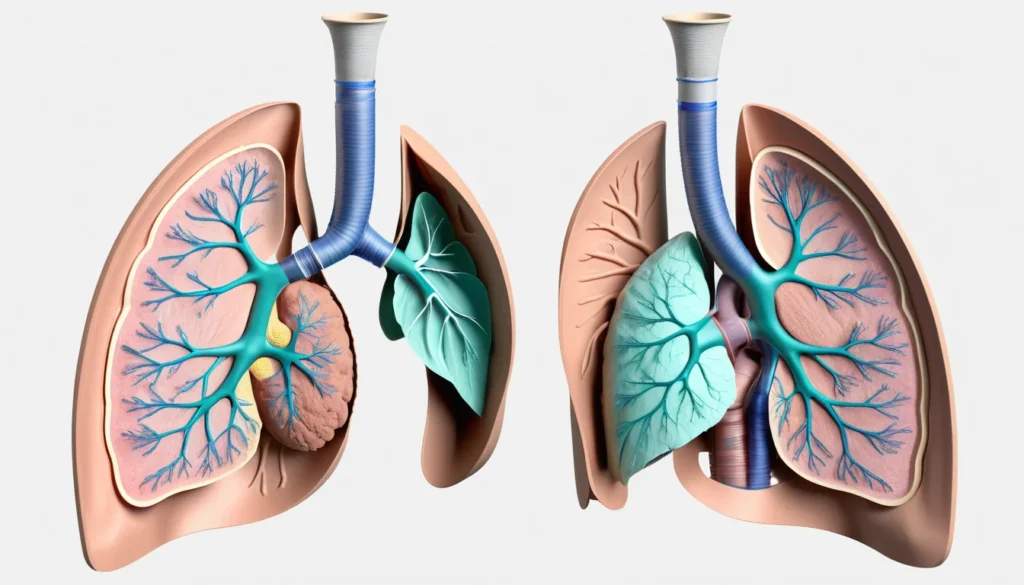
Asthma is one of the most common chronic lung conditions in Canada, affecting millions of people of all ages. It causes the airways to narrow, swell, and produce extra mucus, making it hard to breathe. The good news is that with the right treatment plan from your family doctor, most people with asthma can live full, active lives.
What Is Asthma?
Asthma is a long-term (chronic) lung disease. It does not go away on its own, so it needs ongoing medical management. Think of it as a condition your body lives with every day, not just during a flare-up.
During normal breathing, the muscles around your airways stay relaxed. Air moves in and out easily and quietly. However, with asthma, those airways can become a problem at any time.
What Happens During an Asthma Attack?
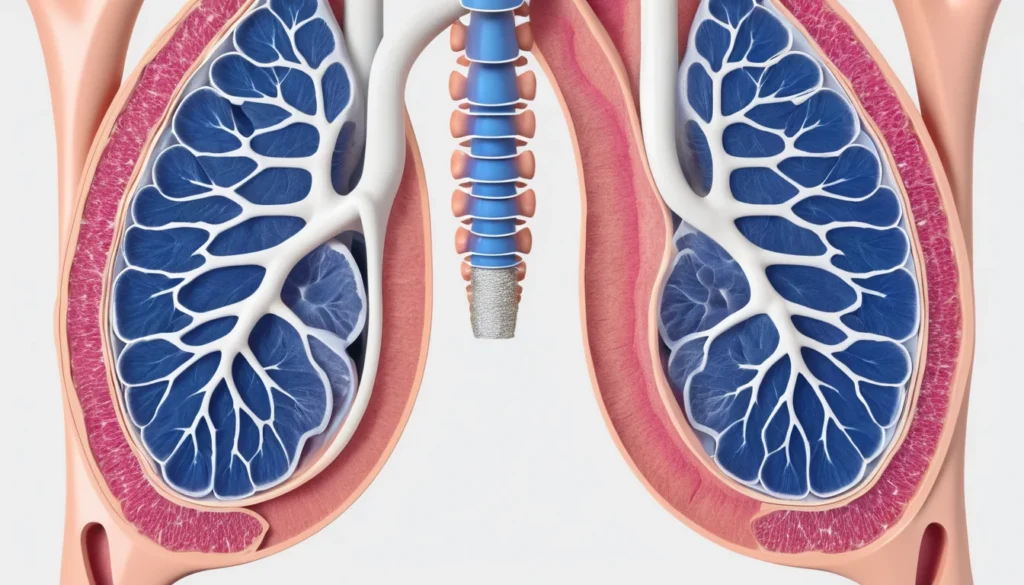
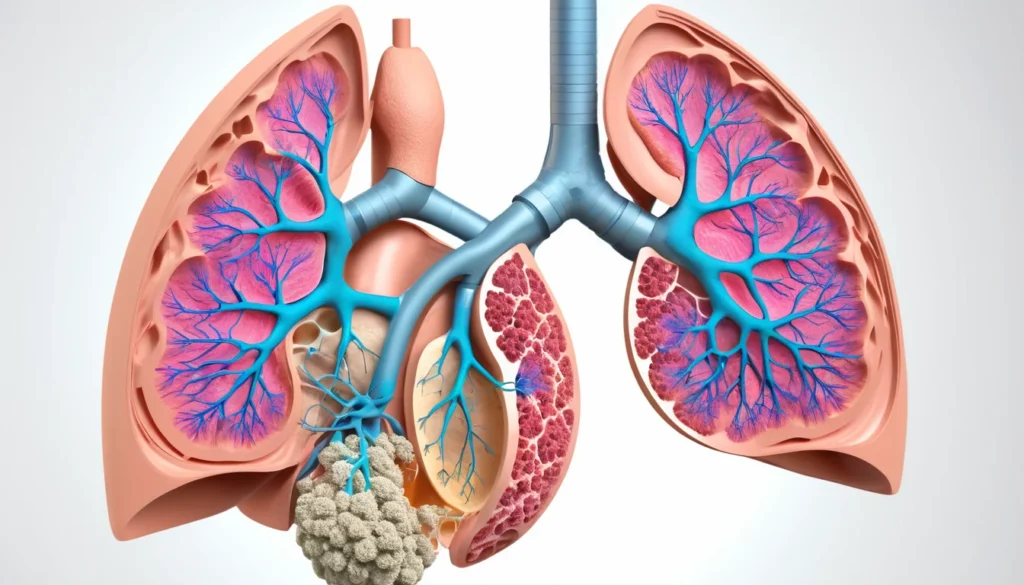
An asthma attack — also called a flare-up or exacerbation — happens when something irritates your airways. Three things typically occur at the same time.
Bronchospasm
The muscles around your airways tighten and squeeze. This narrows the airway and makes it harder for air to pass through. As a result, you may feel short of breath very quickly.
Inflammation
The lining inside your airways becomes swollen. Swollen airways let less air in and out of your lungs. This is a key reason why an asthma attack can feel so frightening.
Mucus Build-Up
Your body produces extra mucus during an attack. This thick mucus blocks the airways even further. Together, these three changes cause the classic wheezing sound — a high-pitched whistle when you breathe out.
Types of Asthma
Not all asthma is the same. Your doctor will classify your asthma based on how often you have symptoms and what causes them. Understanding your type helps you and your doctor choose the best treatment.
By Frequency
Intermittent asthma: Symptoms come and go. You can feel completely normal between attacks.
Persistent asthma: Symptoms are present most of the time. They can be mild, moderate, or severe.
By Cause
Allergic asthma: Triggered by allergens such as mould, pollen, or pet dander. This is the most common type.
Non-allergic asthma: Triggered by factors like exercise, stress, illness, or cold weather.
Adult-onset asthma: Develops after age 18. Many adults are surprised to receive this diagnosis later in life.
Childhood (pediatric) asthma: Often begins before age five. It can affect infants and toddlers.
Exercise-induced asthma: Symptoms appear mainly during or after physical activity.
Occupational asthma: Caused by workplace exposures such as dust, chemicals, or fumes.
Asthma-COPD overlap syndrome: A condition where asthma and chronic obstructive pulmonary disease (COPD) occur together.
Who Gets Asthma?
Anyone can develop asthma at any age. However, some people face a higher risk. According to Health Canada, asthma is one of the most common chronic diseases among Canadian children and adults.
People with allergies are more likely to develop asthma. Exposure to tobacco smoke — including secondhand smoke and even thirdhand smoke (residue left on clothing or furniture) — also increases risk. Furthermore, research shows that people assigned female at birth tend to have higher rates of asthma than those assigned male at birth.
Genetics also play a role. If a parent or sibling has asthma, your chances of developing it are higher. Environmental factors, such as growing up near heavy traffic or in a home with mould, can also raise your risk.
Common Asthma Triggers
An asthma trigger is anything that sets off your symptoms. Triggers vary from person to person, so knowing your own is an important part of managing this condition.
Common triggers include:
Air pollution and smog
Dust mites
Intense exercise
Mould and dampness
Pests such as cockroaches and mice
Pet dander and saliva
Tobacco smoke (including secondhand and thirdhand)
Strong chemicals or perfumes
Certain workplace exposures (wood dust, flour, chemicals)
Cold air or sudden weather changes — common in Canadian winters
Keeping a symptom diary can help you identify your personal triggers. Share this information with your family doctor or specialist.
Asthma Symptoms to Watch For
The symptoms of asthma can look like other respiratory infections, which is why a proper diagnosis matters. Most people with asthma experience some or all of the following:
Chest tightness, pain, or pressure
Coughing, especially at night or early morning
Shortness of breath
Wheezing (a whistling sound when breathing)
You may not experience all of these symptoms every time. In addition, your symptoms can change between attacks. For example, one flare-up might cause mostly coughing, while another causes more wheezing. This is normal with chronic asthma.
How Is Asthma Diagnosed?
Your doctor will start by reviewing your medical history. They will ask about your parents and siblings, since asthma often runs in families. They will also ask about allergies, eczema (a skin rash linked to allergies), and any other lung conditions.
Spirometry Test
Spirometry is the main test used to diagnose asthma. You breathe into a mouthpiece connected to a machine that measures how much air moves through your lungs. This test is painless, quick, and available at most medical centres across Canada. It also helps your doctor monitor how well your treatment is working.
Other Tests
Your doctor may also order a chest X-ray, blood tests, or allergy skin tests. These help rule out other conditions and confirm the type of asthma you have. Ask your family doctor or walk-in clinic which tests are covered under your provincial health plan.
Asthma Treatment Options in Canada
There is no cure for asthma, but treatment can control it very effectively. The goal is to keep symptoms to a minimum so you can work, exercise, and enjoy daily life. The Mayo Clinic outlines several evidence-based asthma treatments that are also widely used by Canadian physicians.
Bronchodilators (Relievers)
These medications relax the muscles around your airways. When those muscles loosen, air can flow more freely. Bronchodilators also help mucus move through the airways more easily. They work quickly and are used to relieve symptoms as they happen. You may know these as “rescue inhalers.”
Anti-Inflammatory Medications (Controllers)
These medications reduce swelling and mucus production in your airways. Your doctor may ask you to take them every day, even when you feel well. They are designed to prevent symptoms before they start, making them a key part of long-term asthma control.
Biological Therapies
For severe asthma that does not respond to standard inhalers, doctors may recommend biologic medications. These are injected treatments that target specific parts of the immune response. They are typically prescribed by a respirologist (a lung specialist) after other treatments have been tried.
How You Take Your Medication
Asthma medication can be delivered in several ways:
Metered-dose inhalers (MDIs): The most common type. A puffer you breathe in directly.
Spacers: A tube attached to your inhaler that helps more medication reach your lungs.
Nebulizers: A machine that turns liquid medication into a fine mist. Often used for young children or severe cases.
Oral medications: Pills or liquids taken by mouth for some types of asthma.
Ask your pharmacist or doctor which delivery method works best for you. Proper inhaler technique makes a big difference in how well your medication works.
Managing Asthma Day to Day
Good asthma control means you can do the things you want to do — at work, at home, and outdoors. According to the World Health Organization (WHO), most asthma-related deaths and hospital visits are preventable with proper management.
Here are practical steps to help control your asthma:
Take your controller medication every day as prescribed, even when you feel fine.
Avoid your known triggers as much as possible.
Use an air purifier at home, especially during allergy season.
Keep your home free of mould and dust.
Avoid smoking and secondhand smoke.
Have a written asthma action plan from your doctor.
Get your flu shot each year — respiratory infections are a major asthma trigger.
Well-controlled asthma means you have few or no symptoms, rarely need your rescue inhaler, and can sleep through the night without waking up to cough or wheeze.
When to See a Doctor About Asthma
If you suspect you have asthma, do not wait. See your family doctor as soon as possible. Most provincial health plans cover asthma diagnosis and ongoing management. If you do not have a family doctor, a walk-in clinic can assess your symptoms and refer you to a specialist if needed.
See a doctor right away — or call 911 — if you experience:
Severe shortness of breath that does not improve with your rescue inhaler
Blue or grey colour around your lips or fingernails
Difficulty speaking in full sentences due to breathlessness
A rapid worsening of symptoms
These are signs of a severe asthma attack that needs emergency care immediately. Always carry your rescue inhaler with you, especially during Canadian winter months when cold air can trigger symptoms quickly.
Frequently Asked Questions About Asthma
Can asthma go away on its own?
Asthma is a chronic condition, which means it does not go away completely. However, some children find their asthma symptoms improve significantly as they grow older. Adults with asthma typically need ongoing treatment and monitoring from their doctor to keep symptoms under control.
Is asthma covered by provincial health plans in Canada?
Yes, doctor visits, spirometry tests, and specialist referrals for asthma are generally covered by provincial health plans across Canada. However, coverage for asthma medications varies by province and by whether you have a drug benefits plan. Ask your doctor or pharmacist about available support programmes if cost is a concern.
What is the difference between asthma and COPD?
Asthma and COPD (chronic obstructive pulmonary disease) are both lung conditions that make breathing difficult, but they are different diseases. Asthma often starts in childhood and is frequently linked to allergies, while COPD typically develops in adults over 40 and is strongly associated with long-term smoking. Some people can have both conditions at the same time, known as asthma-COPD overlap syndrome.
Can exercise make asthma worse?
Exercise can trigger asthma symptoms in some people, a condition called exercise-induced asthma. However, regular physical activity is still beneficial and recommended for people with asthma. With the right medication plan from your doctor, most people with asthma can exercise safely and comfortably.
How do I know if my asthma is well controlled?
Your asthma is considered well controlled when you have few or no symptoms during the day, sleep through the night without waking up to cough or wheeze, and rarely need your rescue inhaler. If you are using your rescue inhaler more than twice a week, talk to your family doctor — your treatment plan may need to be adjusted.
What is the best inhaler for asthma in Canada?
There is no single “best” inhaler — the right one depends on your type of asthma, your age, and your symptoms. Your doctor will prescribe the most appropriate inhaler for your situation. In Canada, both reliever inhalers (for quick symptom relief) and controller inhalers (for daily prevention) are widely available and covered by many drug benefit plans.
Key Takeaways
Asthma is a chronic lung condition that affects Canadians of all ages. It needs ongoing management. During an asthma attack, the airways tighten, swell, and fill with mucus — making breathing difficult. There are several types of asthma, including allergic, non-allergic, childhood, adult-onset, and exercise-induced. Common triggers include tobacco smoke, pet dander, m