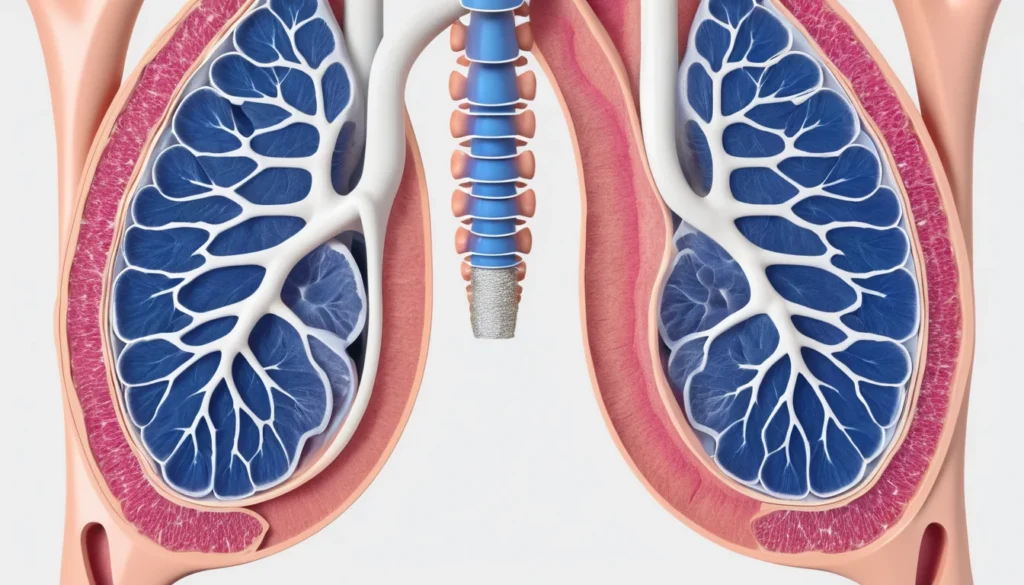
Asthma medications help millions of Canadians breathe easier every day. There are two main types: medicines you take daily to prevent symptoms, and medicines you use during an asthma attack for quick relief. Understanding how these medications work — and how to use your inhaler correctly — can make a real difference in your quality of life.
Why Inhaled Asthma Medications Work Best
Most asthma medications are inhaled directly into the airways. This is different from swallowing a pill or getting an injection. Inhaled medicine goes straight to where it is needed most — your lungs.
This targeted approach has several important advantages. First, smaller doses are needed because the medicine works locally. Second, very little of the medicine is absorbed into the bloodstream. As a result, the risk of side effects throughout the body is much lower.
In addition, inhaled asthma medications are well suited for long-term, daily use. They provide lasting relief with fewer risks than oral or injected medicines. For most Canadians with asthma, inhalers are the foundation of good care.
Types of Inhalers: Choosing the Right Device
There are several types of inhalers available in Canada. Your family doctor or pharmacist can help you choose the right one based on your age and lung function.
Metered-Dose Inhalers (MDI)
The metered-dose inhaler (MDI) is the most common type. Many people call it a “puffer” or spray inhaler. Each press of the canister releases a fixed, measured dose of medicine.
However, using an MDI correctly takes practice. You must coordinate pressing the canister and breathing in at exactly the right moment. Poor technique means less medicine reaches your lungs, and your symptoms may not improve as much as they should.
Here are the correct steps for using an MDI:
Shake the inhaler well before use.
Breathe out fully and slowly.
Place the mouthpiece between your lips and seal them tightly around it.
Press the canister and breathe in deeply at the same time.
Hold your breath for about 10 seconds.
If a second puff is needed, wait at least 30 seconds and repeat the steps.
Using a spacer with your MDI makes things easier. A spacer is a tube that attaches to the inhaler. It holds the medicine briefly so you do not need to time your breath perfectly. Furthermore, spacers increase the amount of medicine that reaches your airways. They are especially helpful for children and older adults.
Dry Powder Inhalers (DPI)
Dry powder inhalers are easier to use because you do not need to coordinate pressing and breathing. You simply breathe in quickly and deeply, and the device delivers the medicine.
However, these inhalers require a strong enough breath to pull the powder in. Therefore, they may not work as well for people with severe breathing problems or very young children.
Nebulisers
A nebuliser turns liquid medicine into a fine mist that you breathe in through a mask or mouthpiece. The particles are tiny, allowing the medicine to reach deep into the lower airways.
Nebulisers are very useful during severe asthma attacks. They are also commonly used for young children who cannot use a standard inhaler effectively. Some provincial health plans may cover nebuliser equipment — check with your local health authority or family doctor.
Two Types of Asthma Medications: Controllers and Relievers
All asthma medications fall into one of two main categories. Knowing which type you are using — and why — helps you manage your condition more effectively.
Controller Medications (Preventers)
Controller asthma medications are taken every day, even when you feel fine. Their job is to reduce inflammation in the airways and prevent symptoms from developing. They do not provide instant relief, so some people make the mistake of stopping them when they feel better.
It is important to keep taking your controller medicine as prescribed. Think of it like brushing your teeth — it only works if you do it consistently. Your doctor will set the correct dose based on how severe your asthma is.
Reliever Medications (Rescue Medicines)
Reliever medications work quickly to open the airways during an asthma attack. You use them when symptoms appear — such as shortness of breath, chest tightness, or coughing.
These medicines treat the symptoms but do not address the underlying inflammation that causes asthma. Therefore, they should not replace your daily controller medicine. One exception is exercise-induced asthma. In that case, taking a reliever inhaler before physical activity can help prevent symptoms.
Common Controller Asthma Medications Explained
Inhaled Corticosteroids (ICS)
Inhaled corticosteroids are the most effective controller asthma medications available. They reduce inflammation in the airways, improve breathing, and lower the risk of serious asthma attacks. Health Canada recognises inhaled corticosteroids as the first-choice treatment for persistent asthma in both adults and children.
Examples include budesonide, fluticasone, and beclomethasone. These medicines do not cure asthma. However, they control it effectively when taken as directed — sometimes for many years, or even for life.
Possible side effects are usually mild when the inhaler is used correctly:
Local effects: A yeast infection in the mouth or throat (oral thrush), a hoarse voice, or mouth sores. Rinsing your mouth with water after each use prevents most of these issues. Using a spacer also helps.
Systemic effects: Very little of the medicine enters the bloodstream at standard doses (below 400 mcg per day). At these doses, systemic side effects are not a significant concern for most people.
Long-Acting Bronchodilators (LABAs)
Long-acting bronchodilators relax the muscles around the airways, keeping them open for 8 to 12 hours. They reduce nighttime symptoms and lower how often you need your rescue inhaler.
However, these medicines must never be used alone. They are always combined with an inhaled corticosteroid. Many inhalers in Canada contain both medicines in a single device — this is called a combination inhaler. Combination inhalers are convenient and improve how consistently people take their medicine.
Side effects are uncommon with inhaled use but can include a slightly faster heartbeat or mild hand tremors. According to the Mayo Clinic’s asthma treatment guide, LABAs are most helpful for people whose asthma is not fully controlled on a medium dose of inhaled corticosteroids alone.
Leukotriene Receptor Antagonists (LTRAs)
Leukotriene receptor antagonists are taken as daily pills. They reduce airway inflammation and help open the airways. Montelukast (Singulair) is the most well-known example available in Canada.
These medicines are a good option for adults with mild persistent asthma. They are also useful for people with aspirin-sensitive asthma. On their own, they are less powerful than low-dose inhaled corticosteroids. However, they can be added to ICS therapy to improve control and allow lower steroid doses.
Side effects are rare. In addition, these are oral tablets — no inhaler technique is required — which makes them easier for some patients to use consistently.
Theophylline
Theophylline is an older asthma medication that helps relax the airways and reduces inflammation modestly. The slow-release (extended-release) form provides a steady level of medicine in the blood throughout the day.
Doctors may add theophylline for patients who are not fully controlled on inhaled corticosteroids alone. However, it is used less often today because the risk of side effects is higher than with newer medicines. Side effects can include nausea, vomiting, and stomach upset. Your doctor will monitor your blood levels carefully if you take this medicine.
When to See a Doctor About Your Asthma
If your asthma symptoms are not well controlled, do not wait. Book an appointment with your family doctor to review your asthma medications and your inhaler technique. A small adjustment in your treatment plan can make a significant difference.
If you do not have a family doctor, a walk-in clinic can help you with an urgent review of your asthma. In Canada, most provinces cover asthma-related visits and many prescription asthma medications under provincial drug plans — but coverage varies by province, so it is worth checking with your local health authority.
Call 911 or go to the nearest emergency room immediately if you experience:
Severe shortness of breath that does not improve with your rescue inhaler.
Difficulty speaking in full sentences due to breathlessness.
Bluish colour around the lips or fingertips.
Rapid breathing with no improvement after medication.
The World Health Organization’s asthma fact sheet notes that most asthma-related deaths are preventable with proper treatment and monitoring. Regular check-ins with your healthcare provider are essential.
Always speak with your doctor or pharmacist before starting, changing, or stopping any asthma medication. This article provides general health information and is not a substitute for professional medical advice.
Frequently Asked Questions About Asthma Medications
What is the difference between a controller and a reliever asthma medication?
Controller asthma medications are taken every day to prevent inflammation and keep symptoms from developing. Reliever medications work quickly during an asthma attack to open the airways. Both types play an important role in a complete asthma treatment plan.
Are inhaled corticosteroids safe for long-term use?
Yes, inhaled corticosteroids are considered safe for long-term daily use at standard doses. Because the medicine is inhaled rather than swallowed, very little enters the bloodstream. Rinsing your mouth after each use helps prevent the most common local side effect, which is a mouth yeast infection.
How do I know if I am using my asthma inhaler correctly?
Many people use their inhaler incorrectly without realising it, which reduces how well their asthma medications work. Ask your family doctor, nurse, or pharmacist to watch you use your inhaler and give feedback. Using a spacer with a metered-dose inhaler also makes correct technique much easier to achieve.
Can I stop taking my asthma medication when I feel better?
You should not stop taking your controller asthma medications without talking to your doctor first, even if you feel completely well. Controller medicines work by preventing inflammation over time, and stopping them can allow symptoms to return. Always follow your doctor’s advice about adjusting or stopping any medication.
Are asthma medications covered by provincial health plans in Canada?
Coverage for asthma medications varies by province and by individual circumstances such as age and income. Many provinces cover common inhalers under their public drug plans, particularly for children and seniors. Contact your provincial health authority or speak with your pharmacist to find out what is covered in your area.
What should I do if my rescue inhaler is not helping during an asthma attack?
If your reliever asthma medication does not improve your symptoms within a few minutes, treat this as a medical emergency. Call 911 or have someone drive you to the nearest emergency room immediately. Do not wait or try additional doses on your own without medical guidance.
Key Takeaways
Inhaled asthma medications are the most effective and safest way to manage asthma for most Canadians.
There are two main types: controller medicines (taken daily to prevent symptoms) and reliever medicines (used during an attack for quick relief).
Inhaled corticosteroids are the first-choice controller medication for persistent asthma and are safe for long-term use.
Using your inhaler with the correct technique — and using a spacer when possible — makes your medicine work much better.
Dry powder inhalers are easier to use but require a strong breath; nebulisers are ideal for young children or severe attacks.
Never stop or change your asthma medications without speaking to your family doctor or a healthcare provider first.
If you do not have a family doctor, a walk-in clinic can help you manage your asthma and review your treatment plan.