Asthma in teens and adults is one of the most common chronic respiratory conditions in Canada. It causes the airways to become inflamed and narrowed, making it hard to breathe. The good news is that with the right treatment plan, most people with asthma can live full, active lives. This article explains what asthma is, what causes it, and how to manage it with support from your family doctor or local walk-in clinic.
What Is Asthma?
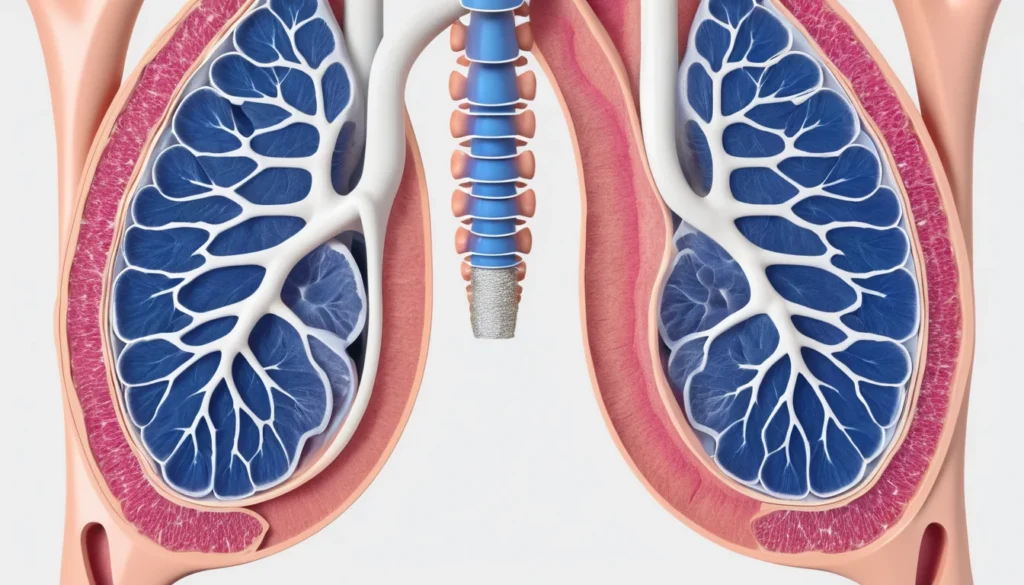
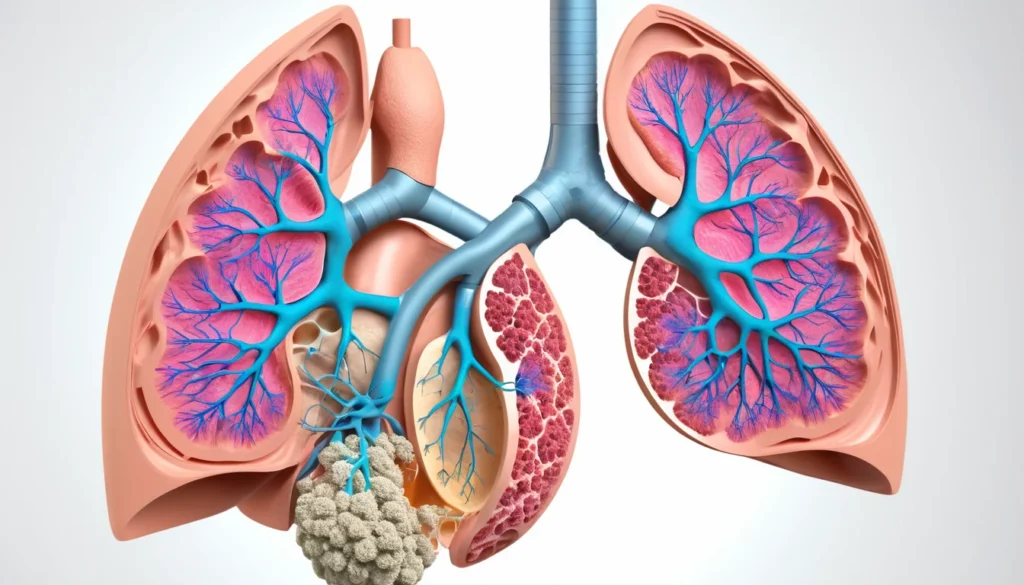
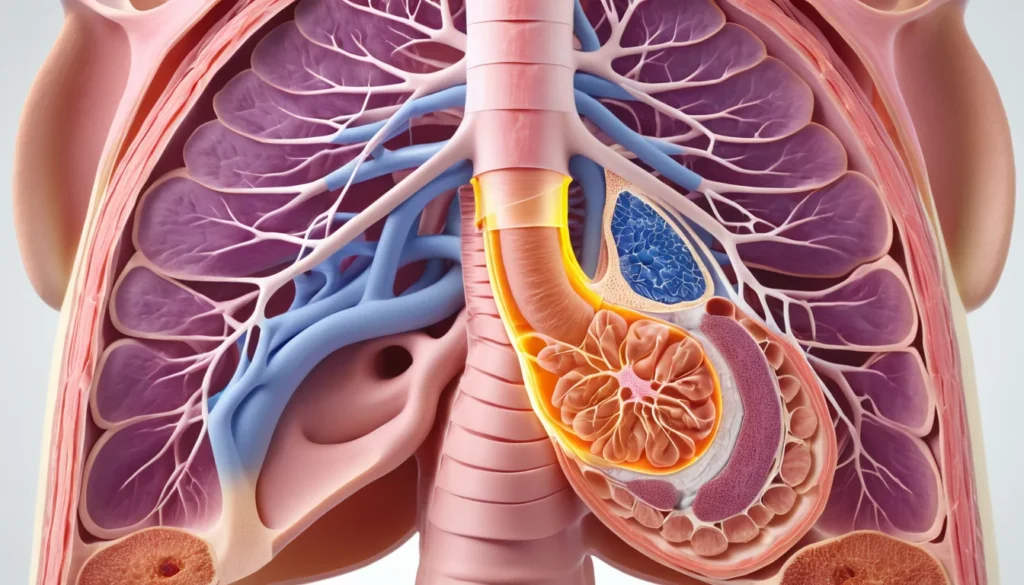
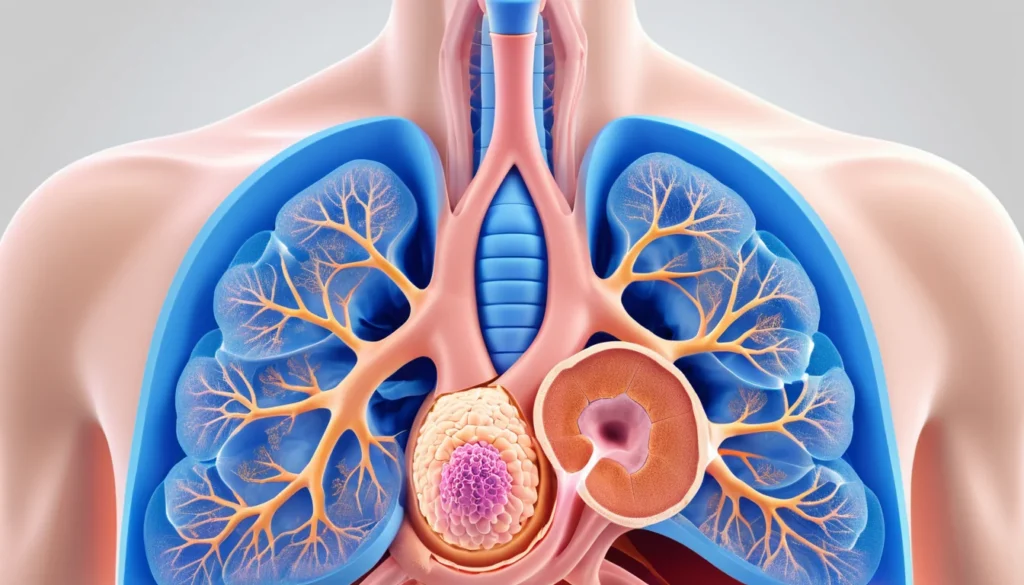
Asthma is a long-term (chronic) condition that affects the airways — the tubes that carry air in and out of your lungs. When asthma flares up, these airways become inflamed and swollen. Over time, the muscles around the airways can tighten, a process called bronchospasm.
This tightening narrows the airways and makes breathing difficult. This is what doctors call an asthma attack, episode, or exacerbation. Attacks can range from mild to severe.
Even when you feel fine between attacks, your airways are still inflamed. Without proper treatment, this ongoing inflammation can permanently damage your airways and reduce lung function over time.
Recognising Asthma Symptoms
Asthma symptoms can come and go. In mild cases, they appear only occasionally. In severe cases, symptoms may occur every day. Common signs of asthma include:
Wheezing — a high-pitched whistling sound when you breathe
Shortness of breath — feeling like you cannot get enough air
Chest tightness — a squeezing sensation in the chest
Persistent coughing — especially at night or early in the morning
These symptoms can worsen during an asthma attack. However, they can also be subtle and easy to miss, especially in adults who may assume they are simply “out of shape.”
According to Health Canada, asthma affects more than 3 million Canadians. It is important to get a proper diagnosis so you can receive the right treatment.
What Happens During an Asthma Attack?
During an attack, the muscles around the airways squeeze tight. The lining of the airways swells up, and extra mucus is produced. All of this makes the airway very narrow, which is why breathing becomes so difficult.
Most mild attacks can be managed at home using a written action plan your doctor provides. This plan tells you which medications to take and when to seek emergency care. Severe attacks, however, require immediate medical attention. In rare cases, a severe attack can be life-threatening.
What Causes Asthma in Teens and Adults?
The exact causes of asthma are not fully understood. Researchers believe a combination of genetic, environmental, and immune system factors all play a role. Essentially, certain people’s airways are more sensitive and reactive than others.
Genetic Factors
Asthma often runs in families. If several members of your family have asthma or allergies, you may have a higher risk of developing the condition yourself. People with this inherited tendency have airways that react more strongly to everyday irritants.
Immune System Reactions
In some people, immune cells release chemicals that trigger airway inflammation. This happens as a reaction to substances called allergens — things like dust mites, cockroaches, pet dander, and mould. Exposure to allergens has been shown to play a clear role in triggering asthma. Asthma is much more common in people who have allergies, though not everyone with allergies will develop asthma.
Environmental Factors
The environment you live and work in matters a great deal. Air pollution, cigarette smoke, and chemical fumes can all irritate sensitive airways. Furthermore, some researchers suggest that growing up in very clean, germ-free environments may affect how the immune system develops. As a result, the immune system may become more likely to overreact to harmless substances, leading to allergies and asthma.
Occupational Asthma
For many adults, asthma is triggered by substances in the workplace. This is called occupational asthma. People who regularly work with animals, plastics resins, sawdust, grain, insecticides, or certain metals are at higher risk. In some cases, symptoms continue even after a person stops working with the triggering substance. If you think your job may be affecting your breathing, talk to your family doctor right away.
Risk Factors for Asthma
Some risk factors for asthma cannot be changed. Others can be reduced with healthy choices. Understanding both types helps you take better control of your respiratory health.
Risk Factors You Cannot Control
Sex: Among young adults, women develop asthma more often than men.
Airway hyperreactivity: Some people are born with airways that overreact to triggers. These people are more likely to develop asthma.
Family history: Having a parent or sibling with asthma or allergies increases your risk significantly.
History of allergies: Conditions like allergic rhinitis (hay fever) or atopic dermatitis (eczema) are strongly linked to asthma. Research shows that 40% to 50% of children with eczema go on to develop asthma.
Nasal inflammation: Adults with chronic nasal inflammation (rhinitis) have an above-average risk of developing asthma.
Risk Factors You Can Control
Smoking: About half of new asthma cases in adults over 40 occur in smokers or people with other chronic lung conditions. Quitting smoking is one of the most important steps you can take.
Smoking during pregnancy: Women who smoke while pregnant increase the risk of wheezing in their children. These children also tend to have lower lung function than children of non-smokers.
Workplace irritants: Reducing exposure to allergens and chemicals at work can lower your risk of occupational asthma or prevent existing asthma from getting worse.
Dust exposure: High levels of dust in the home or workplace are linked to a greater risk of asthma.
Cockroach infestation: One study found that children living in homes with cockroaches were four times more likely to be diagnosed with asthma than other children.
The link between breastfeeding and asthma risk is less clear. Some research suggests that exclusive breastfeeding for the first nine months may lower a child’s risk. However, other studies have not confirmed this protective effect. Similarly, the role of household pets in triggering asthma remains debated. Some studies show that cats and dogs increase the risk, while others do not. For personalised advice, always speak with your family doctor.
For a broader look at asthma risk and management, the Mayo Clinic’s asthma overview is an excellent resource.
Managing Asthma: Treatment and Action Plans
Asthma cannot be cured, but it can be very well controlled. Most people with asthma use a written asthma action plan, created with their doctor. This plan outlines which medications to take daily, how to respond when symptoms worsen, and when to seek emergency help.
Common Asthma Medications
There are two main types of asthma medications. Relievers (also called rescue inhalers) work quickly to open up the airways during an attack. Controllers (such as inhaled corticosteroids) are taken every day to reduce inflammation and prevent attacks from happening. Your doctor or pharmacist will explain which type you need and how to use your inhaler correctly.
Avoiding Triggers
Identifying and avoiding your personal triggers is a key part of asthma management. Common triggers include cigarette smoke, pet dander, pollen, cold air, exercise, and strong scents. Keeping a symptom diary can help you spot patterns and share useful information with your healthcare provider.
The World Health Organization’s asthma fact sheet highlights that reducing exposure to known triggers dramatically lowers the frequency of asthma attacks worldwide.
When to See a Doctor
If you or your teen is experiencing wheezing, persistent coughing, or shortness of breath, do not wait. Book an appointment with your family doctor as soon as possible. Asthma in teens and adults is very treatable when caught early.
If you do not have a family doctor, visit your nearest walk-in clinic. Provincial health plans across Canada cover asthma assessments and many asthma medications. Ask your pharmacist about provincial drug coverage programmes in your province or territory.
Call 911 or go to your nearest emergency room immediately if:
You cannot speak in full sentences due to breathlessness
Your lips or fingernails look bluish or greyish
Your rescue inhaler is not helping after repeated use
You feel confused or extremely anxious during an attack
Always consult your family doctor or a licensed healthcare provider before starting, stopping, or changing any asthma treatment. This article is for general information only and is not a substitute for professional medical advice.
Frequently Asked Questions About Asthma
Can asthma develop for the first time in adulthood?
Yes, asthma in adults — including those over 40 — is more common than many people realise. Adult-onset asthma can be triggered by workplace exposures, allergies, or hormonal changes. If you notice new breathing difficulties, speak with your family doctor for a proper evaluation.
Is asthma in teens different from asthma in adults?
The underlying condition is similar, but triggers and symptom patterns can differ. Teens are more likely to experience exercise-induced asthma, while adults may be more affected by occupational or allergy-related triggers. Both groups benefit from a personalised asthma action plan developed with a healthcare provider.
What are the most common asthma triggers?
Common asthma triggers include cigarette smoke, pet dander, dust mites, pollen, mould, cold air, exercise, and strong chemical smells. Respiratory infections like colds can also trigger an asthma attack. Identifying your personal triggers is one of the most effective ways to reduce the frequency of attacks.
Can asthma be cured?
There is currently no cure for asthma, but it can be very effectively controlled with proper treatment. Many Canadians with asthma lead completely normal, active lives by following their asthma action plan and taking their medications as prescribed. Regular check-ins with your family doctor help keep symptoms under control.
Does smoking cause asthma in adults?
Smoking is one of the most significant controllable risk factors for asthma in adults. Approximately half of new adult asthma cases in people over 40 are linked to smoking or other chronic lung conditions. Quitting smoking can significantly reduce your risk and help improve lung function over time.
Is asthma covered under provincial health plans in Canada?
Yes, asthma assessments and many asthma medications are covered under provincial and territorial health plans across Canada. Coverage for specific inhalers and controller medications varies by province. Ask your family doctor or pharmacist about drug benefit programmes available in your region.
Key Takeaways
Asthma in teens and adults is a chronic condition that inflames and narrows the airways, making breathing difficult.
The exact cause is unknown, but genetics, immune system responses, and environmental factors all contribute.
Key risk factors include smoking, a family history of asthma or allergies, and exposure to workplace irritants.
Asthma cannot be cured, but it can be well controlled with the right medications and a written action plan.
Avoiding personal triggers — such as smoke, dust, and pet dander — reduces the frequency of attacks.
If you or your teen has breathing concerns, visit your family doctor or a walk-in clinic. Provincial health plans cover asthma care across Canada.
Always seek emergency care if a severe attack does not respond to your rescue inhaler.