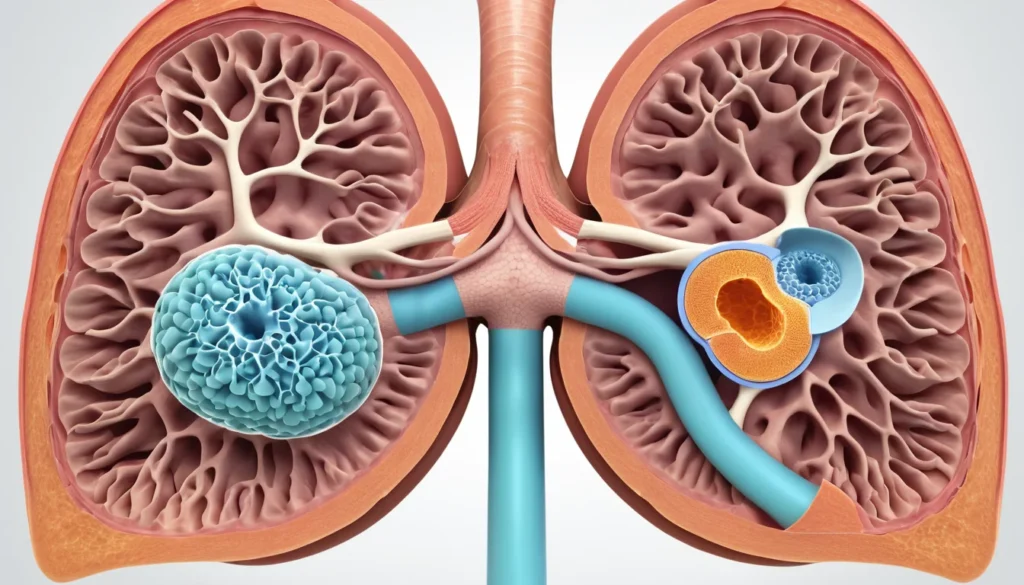
Asthma flare-ups are one of the most common breathing emergencies in Canada. They happen when asthma symptoms suddenly get worse, making it hard to breathe, talk, or carry out everyday tasks. Understanding what causes flare-ups, how serious they can be, and how to treat them can help you or a loved one stay safe and avoid a trip to the emergency room.
What Is an Asthma Flare-Up?
An asthma flare-up — also called an acute asthma episode or exacerbation — is a period when asthma symptoms get progressively worse. These symptoms include shortness of breath, coughing, wheezing, and a tight feeling in the chest. Sometimes all of these happen at once.
A key sign of a flare-up is a drop in how well your lungs are working. Doctors measure this using a test called FEV1 (forced expiratory volume in one second). This is the amount of air you can forcefully breathe out in one second. Objective measurements like this are more reliable than symptoms alone, especially for people who don’t always notice how bad their breathing has become.
Asthma is the leading cause of serious breathing emergencies. Roughly one in three emergency visits for asthma results in a hospital stay. Therefore, recognising a flare-up early is critically important.
Common Causes of Asthma Flare-Ups
The most common trigger for asthma flare-ups is a viral respiratory infection — the kind that causes colds and the flu. However, there are many other triggers that can set off a flare-up just as quickly.
Other common causes include:
Bacterial respiratory infections, such as Mycoplasma pneumoniae or Chlamydia pneumoniae
Sudden exposure to allergens like mould, pet dander, or pollen
Air irritants such as cigarette smoke, sulphur dioxide, or air pollution
Certain medications, including non-steroidal anti-inflammatory drugs (NSAIDs like ibuprofen) and some blood pressure medicines called non-selective beta-blockers
Sedative medications
Emotional stress
Not taking your regular asthma medicines as prescribed
Identifying the cause of a flare-up is important. It helps your doctor build a long-term plan to prevent future episodes. For example, if allergens are the trigger, reducing your exposure at home may make a real difference.
How Serious Is Your Asthma Flare-Up?
Not all asthma flare-ups are the same. Assessing severity is the first and most important step in deciding how and where to get treatment. A mild flare-up might be handled at home or at your family doctor’s office. A severe one needs emergency care right away.
Signs of a Mild or Moderate Flare-Up
Mild to moderate flare-ups may include increased coughing, more wheezing than usual, and waking up at night due to breathing difficulty. Your peak flow reading — measured with a small handheld device called a peak flow metre — drops by less than 20% from your normal level. You can still speak in full sentences and move around.
Signs of a Life-Threatening Asthma Attack
Some flare-ups become medical emergencies very quickly. Call 911 or get to an emergency room immediately if you notice any of these warning signs:
Confusion or difficulty staying alert
Bluish colour on the lips or fingernails (called cyanosis)
Only able to speak a few words at a time
Extreme exhaustion from trying to breathe
Visible pulling in of the skin between the ribs with each breath
A silent chest — meaning you can’t hear any wheezing at all (this is a dangerous sign, not a good one)
A drop in blood pressure when breathing in (called paradoxical pulse)
These signs mean the body is under severe stress. In addition, a lung function reading (FEV1 or peak flow) below 25% of normal is a medical emergency. Do not wait to see if things improve on their own.
Risk Factors for Severe Asthma Flare-Ups
Some people are more likely to have a dangerous flare-up than others. Knowing your risk helps you and your healthcare provider prepare ahead of time. Health Canada encourages Canadians with asthma to work closely with their healthcare team to manage their condition proactively.
You may be at higher risk if you:
Have previously needed a breathing tube or mechanical ventilator during an asthma attack
Have been hospitalised or visited an emergency room for asthma in the past year
Are currently taking oral corticosteroids, or recently stopped taking them
Do not use an inhaled corticosteroid (controller inhaler) regularly
Use your reliever inhaler (such as salbutamol, also known as Ventolin) more than one canister per month
Have a history of mental health challenges or significant psychosocial stress
Often skip or forget your regular asthma medicines
If any of these apply to you, speak with your family doctor or asthma specialist about updating your Asthma Action Plan. This is a written plan that tells you exactly what to do when your symptoms change.
Tests Used During an Asthma Flare-Up
When you arrive at a clinic or emergency room with a flare-up, the healthcare team will run a few key tests. These help them understand how serious the episode is and guide treatment decisions.
Peak Flow and Lung Function Testing
Peak flow metres are small, affordable devices that measure how fast you can breathe out. They are widely available in Canada and are recommended by international asthma guidelines including the World Health Organization. Measuring your peak flow during a flare-up gives an objective picture of how well your lungs are working.
Oxygen Levels
For anything beyond a mild flare-up, measuring your blood oxygen level is essential. This is done with a small clip placed on your finger, called a pulse oximeter. It measures oxygen saturation (SaO2) without any needles. If your oxygen level is low, supplemental oxygen will be started right away.
Chest X-Ray
A chest X-ray is not routinely needed for asthma flare-ups. However, it may be ordered if doctors suspect a collapsed lung (pneumothorax), which is a rare complication of a severe attack. Pneumonia, while often considered, is rarely the actual cause of an asthma flare-up.
Sputum Tests
Testing mucus from the lungs is rarely necessary. Even if the mucus looks yellow or green, this is usually caused by airway inflammation — not a bacterial infection. Therefore, antibiotics are not typically needed for asthma flare-ups.
Treating Asthma Flare-Ups in Canada
Treatment for asthma flare-ups follows a step-by-step approach based on how severe the episode is and how well you respond to initial treatment. This approach aligns with international guidelines from the Global Initiative for Asthma (GINA). According to the Mayo Clinic, quick action and the right medicines can prevent most flare-ups from becoming emergencies.
Treating Mild or Moderate Flare-Ups at a Family Doctor’s Office or Walk-In Clinic
In Canada, mild to moderate flare-ups can often be managed at your family doctor’s office or a walk-in clinic. Your provincial health plan typically covers these visits. This is a good option when symptoms are uncomfortable but not severe.
The main treatment steps include:
Reliever inhaler (salbutamol/Ventolin): Take 2 to 4 puffs every 20 minutes during the first hour. Use a spacer device if possible — it helps more medicine reach your lungs compared to using the inhaler alone.
After the first hour: For mild flare-ups, continue with 2 to 4 puffs every 3 to 4 hours. For moderate flare-ups, take 6 to 10 puffs every 1 to 2 hours.
Oral corticosteroids: If the flare-up started after a recent change in your asthma control medicines, your doctor may prescribe a short course of oral steroids (prednisone). The dose is typically 0.5 to 1 mg per kilogram of body weight over 24 hours.
Monitoring: Your doctor will track your peak flow readings and watch your symptoms closely throughout treatment.
A good response means your peak flow returns to above 80% of your normal level and stays there for 3 to 4 hours. Your breathing should ease, and the wheezing should stop.
When Emergency Care Is Needed
If your symptoms do not improve — or get worse — after initial treatment at a walk-in clinic or family doctor’s office, you need to go to an emergency department right away. Severe flare-ups require continuous monitoring of oxygen levels, heart activity, and peak flow. Do not drive yourself if you are struggling to breathe.
When to See a Doctor
Always talk to your family doctor if your asthma symptoms are changing or getting harder to control. You should not wait until a full flare-up happens. If you do not have a family doctor, a walk-in clinic is a good first stop — most provinces have them available without an appointment, and your provincial health plan covers the visit.
See a doctor promptly if you:
Are using your reliever inhaler more than twice a week
Wake up at night because of asthma symptoms
Feel like your usual medicines are no longer working as well
Have had a flare-up in the past year that required a clinic or ER visit
Call 911 or go to the nearest emergency room immediately if you have any of the life-threatening warning signs listed earlier in this article. When in doubt, get checked out. Asthma is a serious condition, and it should always be managed with the guidance of a qualified healthcare provider.
Frequently Asked Questions About Asthma Flare-Ups
What triggers asthma flare-ups the most often?
The most common trigger for asthma flare-ups is a viral respiratory infection, such as a cold or the flu. Other frequent triggers include allergens like pollen or pet dander, air pollution, cigarette smoke, and not taking your regular asthma medicines as prescribed. Identifying your personal triggers is an important part of managing asthma long-term.
How long do asthma flare-ups usually last?
Asthma flare-ups can last anywhere from a few hours to several days, depending on the severity and how quickly treatment is started. Mild flare-ups often improve within a few hours with a reliever inhaler. More severe asthma flare-ups may need several days of treatment, including oral corticosteroids, before symptoms fully settle.
Can I treat an asthma flare-up at home?
Mild asthma flare-ups can sometimes be managed at home using your reliever inhaler (such as salbutamol/Ventolin) according to your written Asthma Action Plan. However, if your symptoms are not improving after using your inhaler, or if you have any severe warning signs, you should go to a walk-in clinic, your family doctor, or the emergency room right away. Never ignore worsening symptoms.
What is the difference between an asthma attack and an asthma flare-up?
The terms are often used interchangeably, but an asthma flare-up generally refers to any period of worsening symptoms — from mild to severe. An asthma attack usually refers to a more sudden and severe episode that requires immediate treatment. Both involve the airways tightening and inflaming, making it harder to breathe.
Does having frequent asthma flare-ups mean my asthma is not well controlled?
Yes — frequent asthma flare-ups are a sign that your asthma may not be properly controlled. Well-managed asthma should cause very few, if any, disruptions to daily life. If you are having flare-ups more than twice a month, talk to your family doctor or asthma specialist about adjusting your treatment plan.
Are asthma flare-ups covered under provincial health plans in Canada?
Yes, visits to your family doctor, walk-in clinic, or emergency room for asthma flare-ups are covered under provincial and territorial health insurance plans across Canada. Some prescription medicines may also be covered depending on your province and income level. Check with your provincial health authority or your doctor’s office to understand your specific coverage.
Key Takeaways
Asthma flare-ups are episodes of worsening breathing symptoms that can range from mild to life-threatening. The most common triggers are viral infections, allergens, air pollutants, and missed asthma medicines. Assessing severity quickly — using peak flow readings and oxygen levels — is the most important first step in treatment. Mild and moderate flare-ups can often be treated at a family doctor’s office or walk-in clinic in Canada, covered by your provincial health plan.