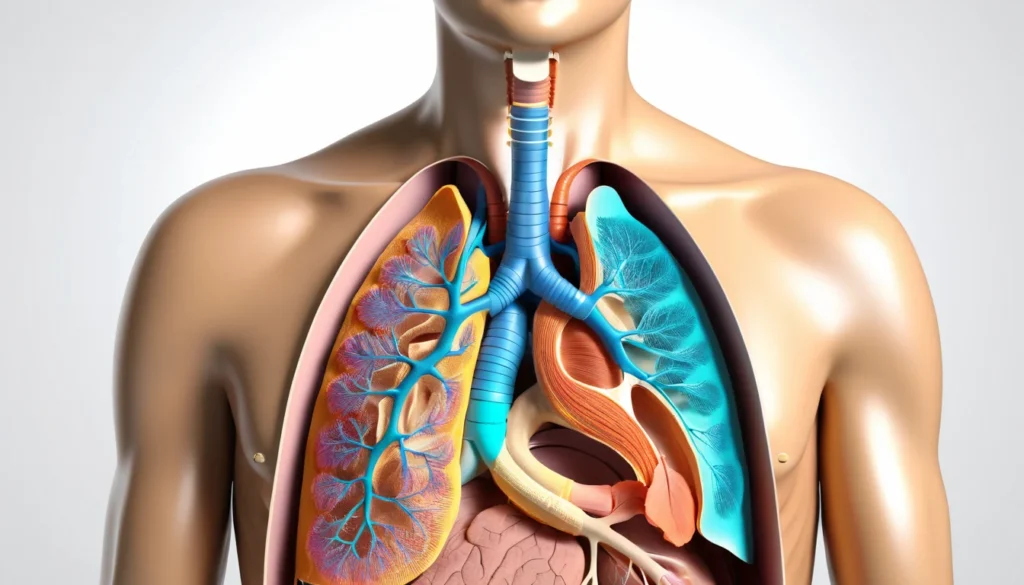
Every year, asthma awareness events around the world remind us just how common and serious this condition is. Asthma affects more than 3 million Canadians of all ages. It can be managed well — but only when people understand what it is, what triggers it, and how to get help. This article explains everything you need to know about asthma in plain language.
What Is Asthma?
Asthma is a long-term condition that affects your airways — the tubes that carry air in and out of your lungs. When something irritates these airways, they swell, tighten, and fill with mucus. This makes it hard to breathe.
Asthma is not just a childhood condition. Adults can develop it at any age. In fact, many Canadians live with asthma for years without a proper diagnosis. For example, some people think they are simply “out of shape” when they get short of breath — but asthma could be the real cause.
The good news is that asthma is treatable. With the right care, most people with asthma can live full, active lives. However, leaving it unmanaged can lead to serious health problems over time.
World Asthma Day and Why Asthma Awareness Matters
World Asthma Day is held every year on the first Tuesday of May. It is organized by the World Health Organization and global respiratory health partners to raise awareness about asthma worldwide. The goal is simple: help more people recognize asthma, get tested, and get treated.
Events on this day often include free lung function tests, health education, and community activities for children and adults. These events show that asthma awareness is a community effort. When people understand asthma better, they are more likely to seek help early.
In Canada, provincial health organizations and respiratory clinics often participate in World Asthma Day. Check with your local public health unit or family doctor to find events in your area.
Common Asthma Symptoms to Watch For
Recognizing asthma symptoms is the first step toward getting help. Symptoms can be mild or severe, and they often come and go. Therefore, some people do not realize they have asthma until symptoms become more frequent.
The most common symptoms include:
Wheezing — a whistling or squeaky sound when you breathe
Shortness of breath — feeling like you cannot get enough air
Chest tightness — a squeezing or heavy feeling in your chest
Coughing — especially at night or early in the morning
Trouble sleeping due to coughing or breathing difficulty
These symptoms may get worse during exercise, cold weather, or when you are sick with a cold or flu. In addition, strong smells, smoke, and dust can bring on symptoms suddenly.
If you notice any of these signs regularly, it is important to speak with a healthcare provider. Do not wait for symptoms to become severe before you seek help.
Asthma Symptoms in Children
Children may not always describe their symptoms clearly. They might say their chest feels “funny” or that they cannot keep up with friends during play. Parents should watch for frequent coughing at night, rapid breathing, or a child who avoids physical activity.
Asthma is one of the most common chronic conditions in Canadian children. However, with proper asthma awareness and management, most children with asthma can participate fully in school and sports.
What Triggers Asthma?
An asthma trigger is anything that irritates the airways and causes symptoms to flare up. Triggers are different for everyone, but some are very common. Knowing your triggers is a key part of managing asthma day to day.
Common asthma triggers include:
Allergens — pollen, pet dander, mould, and dust mites
Air pollution — smoke, car exhaust, and industrial fumes
Cold air — especially during Canadian winters
Exercise — physical activity can trigger symptoms in some people
Respiratory infections — colds, flu, and sinus infections
Strong smells — perfume, cleaning products, and paint fumes
Stress and strong emotions — anxiety and even laughing hard can trigger symptoms
Certain medications — such as aspirin or some anti-inflammatory drugs
Furthermore, seasonal changes in Canada can make asthma worse. Spring brings high pollen counts, while winter brings cold, dry air. Keeping a symptom diary can help you identify your personal triggers over time.
Indoor Triggers at Home
Many Canadians spend a lot of time indoors, especially during long winters. This means indoor air quality matters greatly for people with asthma. Common indoor triggers include mould from humidity, dust mites in bedding, and secondhand smoke.
Using a HEPA air purifier, washing bedding in hot water weekly, and keeping your home well-ventilated can all help reduce indoor triggers. As a result, many people notice fewer asthma flare-ups when they improve their indoor environment.
How Is Asthma Diagnosed?
A doctor diagnoses asthma based on your symptoms, medical history, and lung function tests. The most important test is called spirometry. This simple, painless test measures how much air you can breathe out and how fast. It helps doctors see how well your lungs are working.
Spirometry is the same type of test offered at many World Asthma Day events around the world. In Canada, your family doctor can order this test, or you may be referred to a respirologist — a lung specialist. Some walk-in clinics can also help with initial assessments.
Other tests your doctor may use include a peak flow meter test, allergy testing, and a bronchodilator reversibility test. These tests together give a clear picture of your lung health. According to Mayo Clinic’s asthma diagnosis guidelines, early and accurate diagnosis leads to much better long-term outcomes.
Understanding Spirometry
Spirometry involves breathing into a mouthpiece connected to a machine. The machine records your airflow. It is quick, safe, and available at most hospitals, respiratory clinics, and many family doctor offices across Canada.
If spirometry results suggest asthma, your doctor may also ask you to try a reliever inhaler. If your breathing improves after using it, this further confirms an asthma diagnosis. Therefore, never skip this step even if you feel your symptoms are mild.
Asthma Treatment and Management in Canada
Asthma cannot be cured, but it can be controlled very effectively. Most people with asthma use two types of medications: a reliever inhaler (used when symptoms happen) and a controller inhaler (used daily to prevent symptoms). Your doctor will help you find the right combination for your needs.
In Canada, most provincial health plans cover essential asthma medications for eligible residents. Programs like Ontario’s OHIP+ cover many inhaler costs for children and youth under 25. Adults should check their provincial drug benefit programme to see what is covered in their province.
Beyond medication, managing asthma well involves:
Following a written Asthma Action Plan provided by your doctor
Monitoring your breathing with a peak flow meter
Avoiding known triggers as much as possible
Getting an annual flu shot, as respiratory infections can worsen asthma
Staying physically active with guidance from your healthcare provider
Attending regular follow-up appointments with your family doctor
In addition, Healthline’s guide to living with asthma offers practical day-to-day strategies that complement medical treatment. However, always follow the advice of your own healthcare provider first.
Exercise and Asthma
Many Canadians worry that asthma means they cannot exercise. This is not true. In fact, regular physical activity strengthens your lungs and overall health. Many elite Canadian athletes have asthma and compete at the highest levels.
The key is to warm up slowly, breathe through your nose when possible, and use a pre-exercise inhaler if your doctor recommends it. Cold-weather exercise, like skiing or skating, may require extra precautions. Talk to your doctor about a safe exercise plan that works for you.
When to See a Doctor About Asthma
If you think you or your child may have asthma, do not wait. Book an appointment with your family doctor as soon as possible. A family doctor can perform an initial assessment, order spirometry, and refer you to a respirologist if needed.
If you do not have a family doctor, a walk-in clinic can help with a first assessment. You can also call Health Link (811) in many provinces to speak with a registered nurse about your symptoms at any time of the day or night.
Seek emergency care immediately if you experience:
Severe shortness of breath that does not improve with your reliever inhaler
Lips or fingernails turning blue
Difficulty speaking in full sentences due to breathlessness
Rapid breathing that does not slow down
Feeling confused or very drowsy during a breathing episode
These signs may indicate a severe asthma attack, which is a medical emergency. Call 911 right away if this happens. Do not drive yourself to the hospital.
Furthermore, if your current asthma symptoms are changing or getting worse, tell your doctor. Your treatment plan may need to be adjusted. Regular check-ins with your healthcare provider are an important part of long-term asthma management.
Asthma Awareness: How You Can Help Spread the Word
Raising asthma awareness in your community makes a real difference. Many people with asthma feel embarrassed or isolated. Knowing that others understand their condition helps them feel supported and more confident about seeking care.
You can support asthma awareness by:
Sharing reliable health information with friends and family
Participating in World Asthma Day events in your community
Supporting smoke-free policies in your neighbourhood and workplace
Encouraging schools to have clear asthma action plans for children
Talking openly about asthma to reduce stigma
Schools, workplaces, and community centres all play a role in supporting people with asthma. For example, ensuring that buildings have good air quality and are free of strong chemical smells benefits everyone — especially those with respiratory conditions.
As a result of greater asthma awareness, more Canadians get diagnosed earlier, manage their condition better, and live healthier lives. Every conversation about asthma counts.
Frequently Asked Questions About Asthma
What is asthma and how does it affect breathing?
Asthma is a chronic lung condition where the airways become inflamed, narrowed, and filled with mucus. This makes it difficult to breathe in and out normally. Asthma awareness helps people recognize symptoms early so they can get a diagnosis and start treatment.
How common is asthma in Canada?
Asthma affects more than 3 million Canadians, making it one of the most common chronic conditions in the country. It can develop at any age, though it often begins in childhood. Greater asthma awareness across Canada helps ensure more people receive proper diagnosis and care.
Can asthma be cured?
Currently, there is no cure for asthma, but it can be very well controlled with the right medications and lifestyle changes. Many people with asthma live completely normal, active lives. Asthma awareness encourages those living with the condition to stay on top of their treatment plan.
What is the difference between a reliever inhaler and a controller inhaler?
A reliever inhaler (usually blue) works quickly to open the airways during an asthma attack or flare-up. A controller inhaler (usually brown or purple) is taken daily to reduce inflammation and prevent symptoms from occurring. Your family doctor will explain which inhaler you need based on your asthma severity.
What should I do during an asthma attack?
During an asthma attack, sit upright and use your reliever inhaler right away — usually one puff every 30 to 60 seconds, up to 10 puffs. If symptoms do not improve after 10 minutes, call 911 immediately. Following a written Asthma Action Plan from your doctor helps you respond quickly and safely.
Does cold weather make asthma worse in Canada?
Yes, cold and dry air is a well-known asthma trigger, which can make Canadian winters especially challenging for people with asthma. Breathing through a scarf or neck warmer can help warm the air before it reaches your lungs. Talk to your doctor about adjusting your asthma management plan for winter months.
Key Takeaways
Asthma awareness is essential — asthma affects over 3 million Canadians of all ages. Common symptoms include wheezing, shortness of breath, chest tightness, and persistent coughing. Triggers vary by person and may include allergens, cold air, smoke