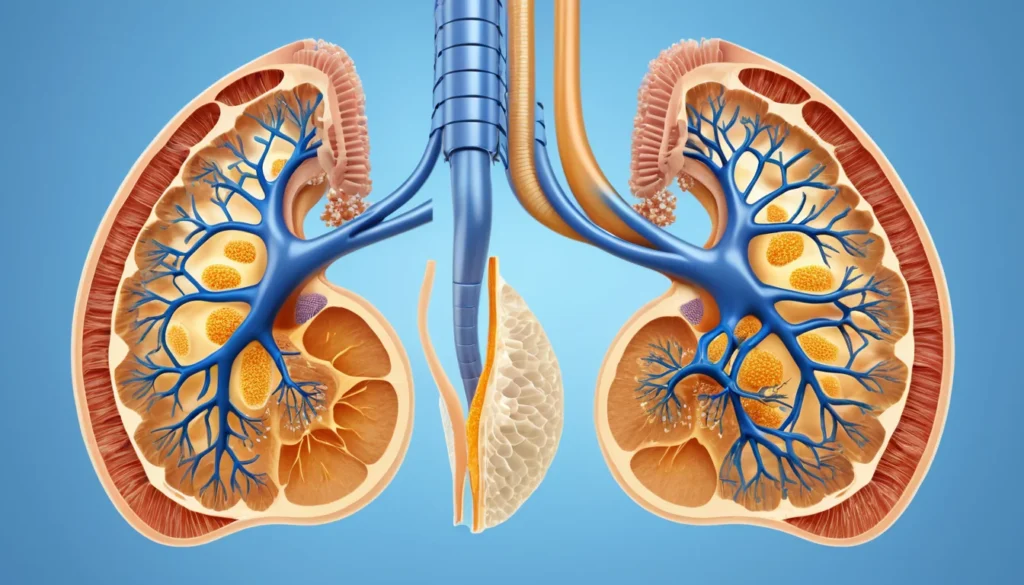
Asthma and allergies affect millions of Canadians of all ages. Asthma causes the airways in your lungs to narrow, making it hard to breathe. The good news is that with the right information and care, most people with asthma and allergies can live full, active lives. This article answers the most common questions Canadians have about both conditions.
What Is Asthma?
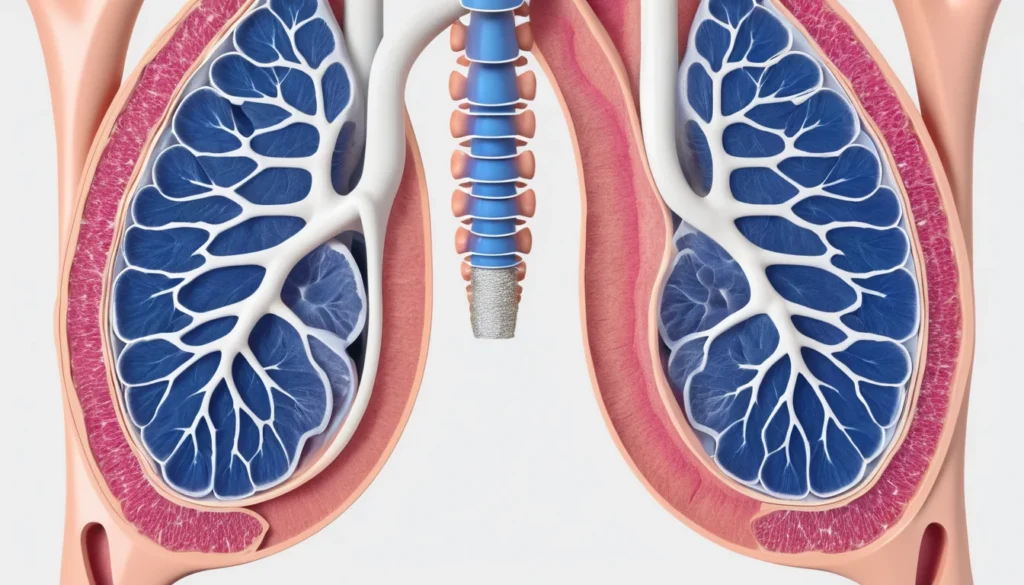
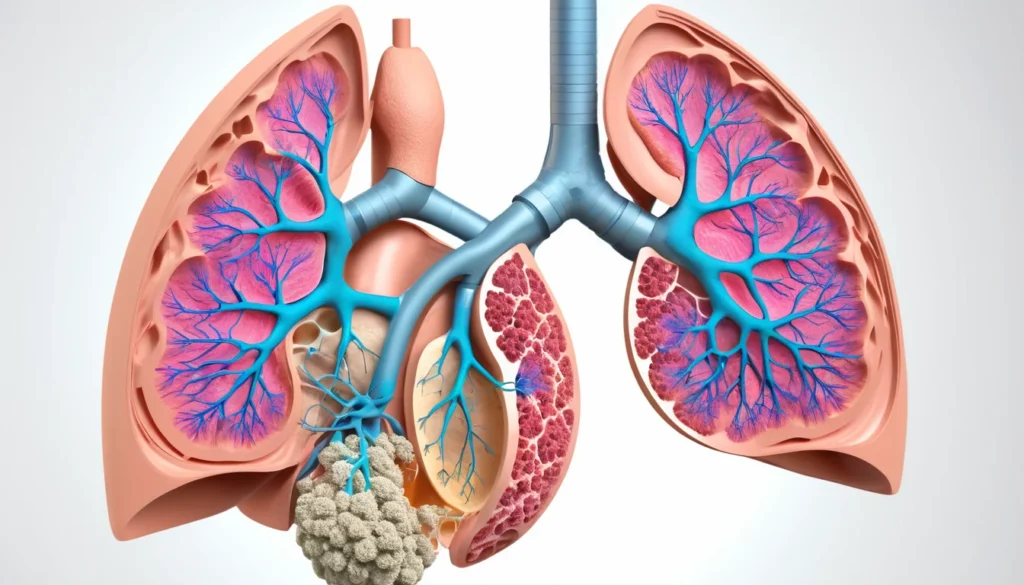
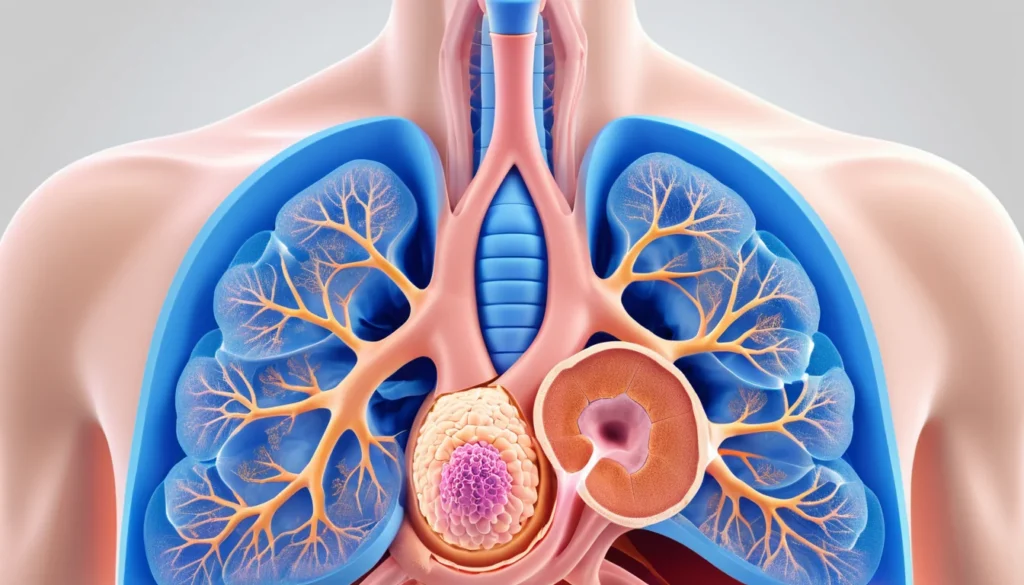
The word “asthma” comes from the ancient Greek word for “panting.” It is a condition where the airways — the tubes that carry air in and out of your lungs — become blocked. However, unlike some lung diseases, this blockage is reversible. That means the airways are not always blocked, only sometimes.
This reversibility is one of the key features of asthma. The other key feature is inflammation, or swelling, inside the airways. Doctors use a breathing test called spirometry to diagnose asthma. This test measures how much air you can breathe out. A diagnosis of asthma is confirmed when airflow improves by at least 15% after treatment.
Main Symptoms of Asthma
Asthma has three main symptoms:
Shortness of breath — feeling like you cannot get enough air
Coughing — often worse at night or early morning
Wheezing — a whistling or squeaky sound when you breathe
These symptoms happen because the muscles around the airways tighten and the airways produce thick, sticky mucus. As a result, the airways narrow and breathing becomes difficult. Many people find their asthma is worse at night, often waking them around 3 a.m. Doctors are still not entirely sure why nighttime is harder for asthma sufferers.
Asthma is an episodic disease. This means symptoms come and go. You may have periods with no symptoms at all, followed by flare-ups called asthma attacks. Health Canada recognizes asthma as one of the most common chronic diseases in the country.
Types of Asthma and Allergies
Not all asthma is the same. Doctors group patients into different types based on what causes their symptoms. Understanding your type helps your doctor choose the best treatment for you.
Allergic Asthma (Extrinsic Asthma)
This is the most common type, especially in children and young adults. It often runs in families. People with allergic asthma have a higher level of a protein called IgE in their blood. This protein triggers an immune reaction when the person breathes in certain substances.
Common triggers for allergic asthma include:
Pet dander (skin flakes from cats, dogs, and other animals)
Dust mites
Mould and fungi
Pollen from trees and grasses
Doctors can confirm allergic asthma using skin allergy tests. Symptoms tend to be worse in spring and fall when pollen and mould counts are high. In humid parts of Canada, such as southern Ontario and British Columbia, mould levels in the air can be especially high.
Non-Allergic Asthma (Intrinsic Asthma)
This type is more common in adults who develop asthma later in life. Allergy tests come back negative for these patients. However, their airways are still inflamed and reactive. Triggers for this type include respiratory infections, cold air, exercise, and stress.
Aspirin-Sensitive Asthma
Some people with asthma also have nasal polyps or sinus inflammation. These patients may react badly to aspirin or non-steroidal anti-inflammatory drugs (NSAIDs) like ibuprofen. They may also react to a food colouring called tartrazine (Yellow No. 5), which is found in some processed foods and drinks. Always check labels and tell your doctor if you notice reactions to these substances.
Occupational Asthma
Some people develop asthma because of substances they are exposed to at work. This is called occupational asthma. Workers at higher risk include:
Bakers (wheat flour dust)
Woodworkers and carpenters
Photographers and darkroom workers
Welders and metalworkers
Farmers
Printing industry workers
A useful clue for occupational asthma is that symptoms improve on weekends or during holidays away from work. If you notice this pattern, speak with your family doctor as soon as possible.
What Triggers Asthma and Allergies?
Many different things can trigger asthma and allergies. Knowing your personal triggers is one of the most important steps in managing this condition.
Seasonal Triggers
Spring is often the hardest season for people with asthma and allergies. Tree pollen appears first in the air. As tree pollen levels drop, grass and plant pollen takes over. In humid regions of central and western Canada, mould counts also rise during this time. Therefore, many Canadians experience a clear worsening of symptoms in spring.
Air Pollution and Smoking
Industrial air pollutants, such as sulphur dioxide, make all types of asthma worse. This is especially true during temperature inversions, when cold air traps pollution close to the ground. Smoking is one of the most damaging things for asthma. It worsens symptoms and can even trigger asthma in people who never had lung problems before.
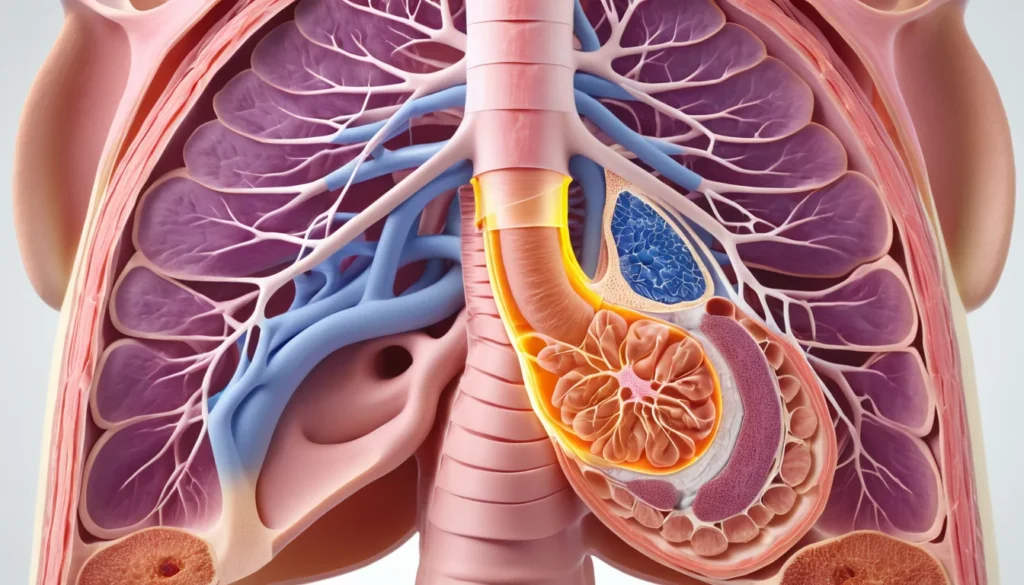
Furthermore, smokers with asthma face an added danger. Asthma affects the airways, while emphysema — often called “smoker’s lung” — destroys the tiny air sacs (alveoli) deeper in the lungs. When a person has both conditions, the damage is far more serious.
Exercise and Cold Air
Physical activity can trigger an asthma attack in some people. Cold, dry air is especially harsh on sensitive airways. For example, cross-country skiing in a cold Canadian winter is more likely to trigger symptoms than swimming in a warm, humid indoor pool. However, exercise is still important for your overall health. Talk to your doctor about how to stay active safely.
Viral Infections
The flu virus (influenza) and rhinoviruses — the viruses that cause the common cold — can trigger or worsen asthma in adults. In children, the respiratory syncytial virus (RSV) is a common culprit. These viruses seem to weaken the lining of the airways. As a result, they make it easier for allergens to get in and cause airway spasms. The Mayo Clinic explains more about asthma triggers and causes.
Emotional Stress
Stress does not cause asthma. However, it can make existing asthma worse in some patients. Interestingly, stress may trigger one episode but not another in the same person. The connection between stress and asthma is still being studied.
Who Gets Asthma and Allergies?
Asthma can start at any age. About 50% of cases begin before age 10. Another third of cases begin before age 40. A small number of people, about 4%, develop asthma for the first time in old age. Most deaths from asthma occur in people over 55, but with modern treatment, life expectancy for people with asthma is much better than it used to be.
For allergies, the peak age is in young adulthood. In fact, allergy tests done at age 21 often show the same results when repeated at age 50. However, some adults do develop new allergies later in life. Asthma is one of the few chronic diseases — along with HIV/AIDS and tuberculosis — whose rates are rising worldwide, according to the World Health Organization’s asthma fact sheet.
What Happens Inside the Lungs During an Asthma Attack?
During an asthma attack, two types of white blood cells become very active inside the airways. These are eosinophils and mast cells. Mast cells release chemicals called histamine and leukotrienes. These chemicals weaken the walls of the airways and allow allergens to go deeper into the tissue. This causes the airway muscles to spasm and tighten.
It is important to know that in asthma, only the airways are affected. The tiny air sacs deep in the lungs, called alveoli, remain healthy. This is different from emphysema, where the alveoli are destroyed. Understanding this difference helps your doctor choose the right treatment for you.
When to See a Doctor
You should speak with your family doctor if you notice any of the three main asthma symptoms: shortness of breath, a persistent cough, or wheezing. Do not wait to see if symptoms go away on their own. Early diagnosis and treatment make a big difference.
If you do not have a family doctor, a walk-in clinic can assess your symptoms and refer you for spirometry testing if needed. Most provincial health plans in Canada cover asthma diagnosis and treatment. Check with your provincial health authority to understand what is covered in your area.
Seek emergency care immediately if you or someone else:
Cannot speak in full sentences due to shortness of breath
Has lips or fingernails turning blue
Does not improve after using a rescue inhaler
Is breathing very rapidly and looks exhausted
Always follow your doctor’s advice and do not adjust your asthma medications without speaking to a health professional first.
Frequently Asked Questions About Asthma and Allergies
What is the difference between asthma and allergies?
Allergies happen when your immune system overreacts to harmless substances like pollen or pet dander. Asthma is a lung condition that narrows your airways and makes breathing difficult. Allergies are one of the most common triggers for asthma and allergies often occur together, but you can have one without the other.
Can asthma go away on its own?
Some children with asthma see their symptoms improve or disappear as they get older. However, asthma often returns in adulthood, especially if triggers like smoke or allergens are present. It is important to keep working with your doctor even during symptom-free periods.
Why are asthma and allergy symptoms worse in spring in Canada?
In spring, tree pollen fills the air across most of Canada, followed by grass and plant pollen. In humid regions, mould counts also rise at this time of year. These seasonal changes make asthma and allergies significantly harder to manage for many Canadians.
Can exercise trigger asthma attacks?
Yes, physical activity can trigger asthma symptoms, especially in cold, dry air. However, exercise is still very important for your health. Talk to your doctor about using a pre-exercise inhaler or choosing activities like swimming in a warm indoor pool, which are gentler on the airways.
How many asthma attacks can a person have per year?
The frequency of asthma attacks varies widely from person to person. Some people have only one or two attacks per year, while others experience symptoms almost every day. With proper asthma and allergy management, including avoiding triggers and using prescribed medications, most people can greatly reduce how often attacks occur.
Can you develop new allergies as an adult?
Most allergies develop in young adulthood, and allergy test results often stay similar over the years. However, some adults do develop new allergies later in life. If you notice new or worsening symptoms, ask your family doctor about updated allergy testing.
Key Takeaways
Asthma causes reversible narrowing of the airways, leading to shortness of breath, coughing, and wheezing.
Asthma and allergies often occur together, but there are also non-allergic types of asthma.
Common triggers include pollen, pet dander, mould, cold air, exercise, viral infections, and workplace substances.
Symptoms are often worse at night and in spring across Canada.
Smoking makes asthma significantly worse and should be avoided completely.
A spirometry test at your family doctor or walk-in clinic can confirm an asthma diagnosis.
Most provincial health plans cover asthma diagnosis and ongoing management.
Always speak with a healthcare professional before changing your asthma medication or treatment plan.