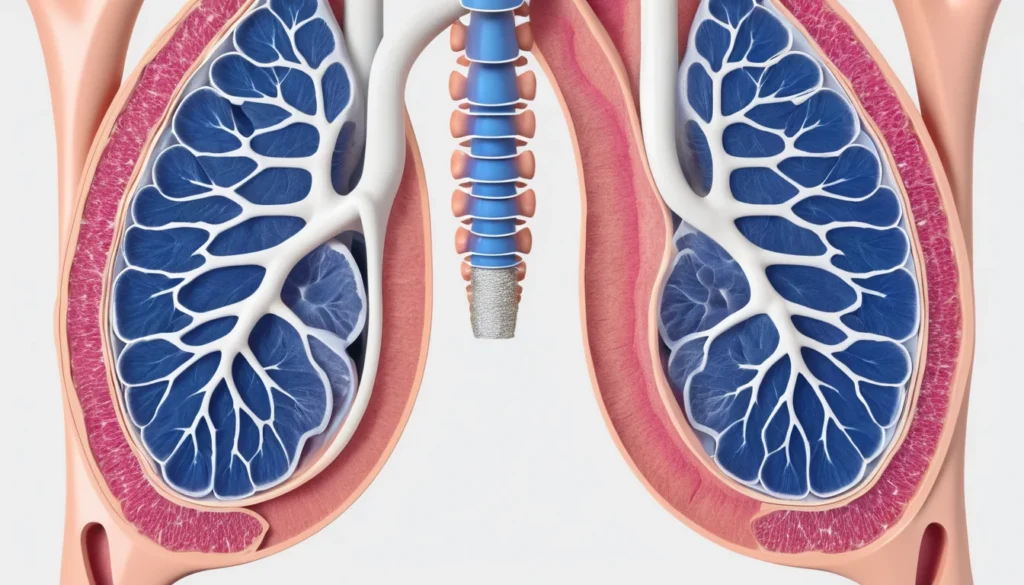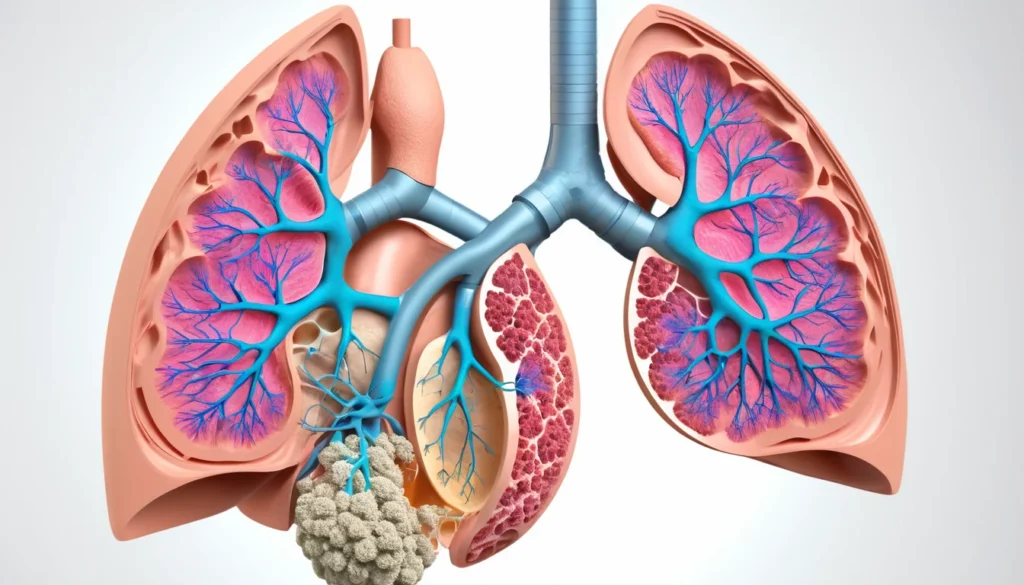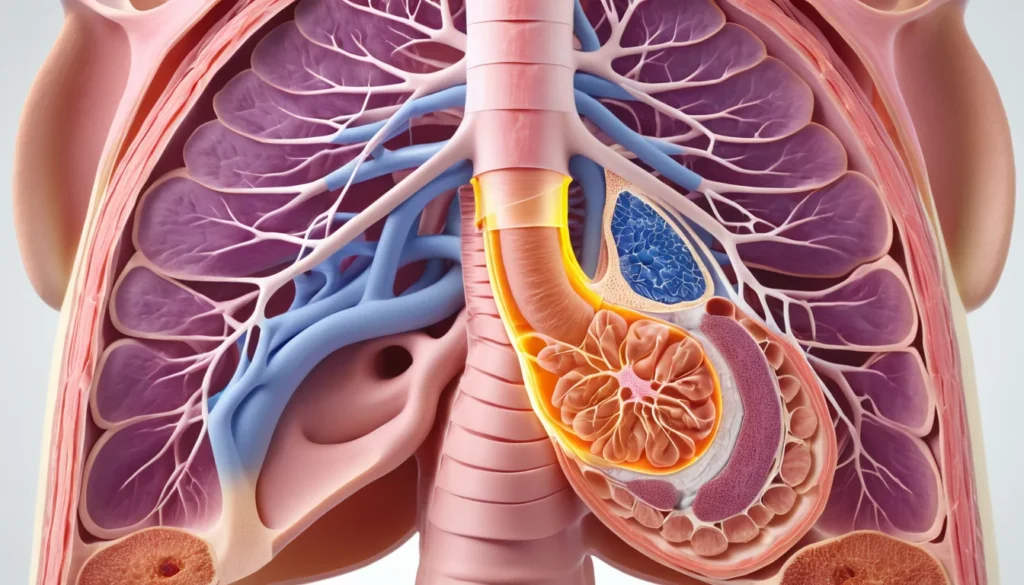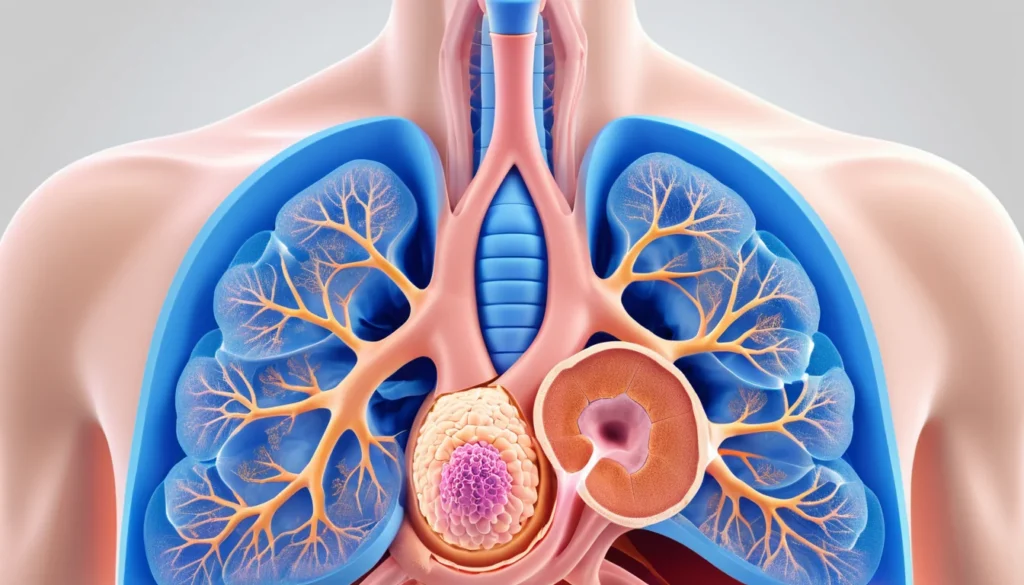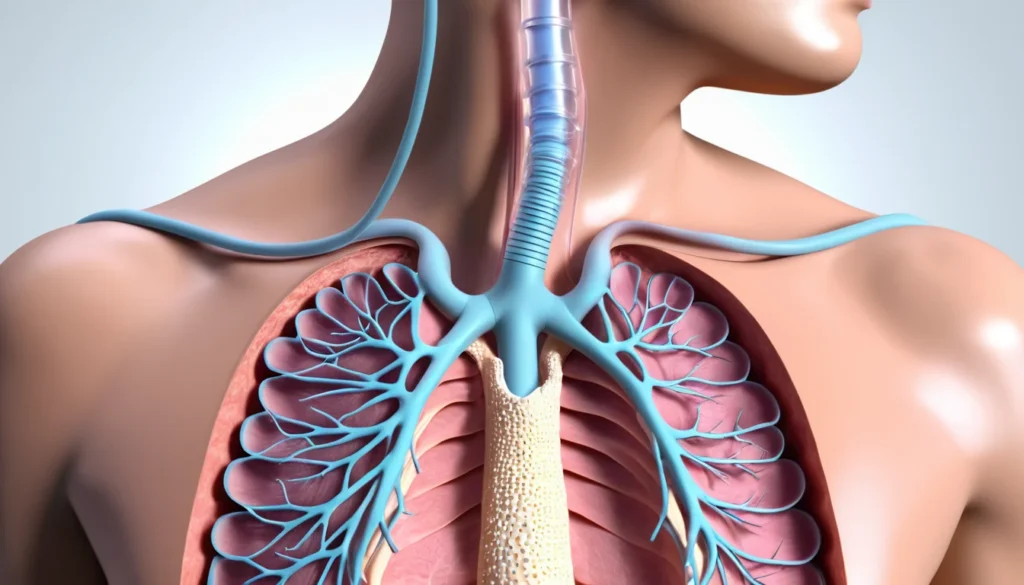
Aspiration pneumonia happens when food, liquid, saliva, or stomach contents are accidentally inhaled into the lungs, causing inflammation and infection. It is a serious respiratory condition that can affect people of all ages, though some Canadians face a higher risk than others. This article explains what causes aspiration pneumonia, what symptoms to watch for, and how it is treated — so you can take action quickly if you or someone you love is affected.
What Is Aspiration Pneumonia?
Aspiration pneumonia is a type of lung infection caused by inhaling foreign material into the airways. This material can include food particles, liquids, vomit, saliva, or small objects. When these substances reach the lungs, they can trigger inflammation and allow harmful bacteria to grow.
In some cases, the condition can lead to a lung abscess — a pocket of infected fluid inside the lung. It can also cause severe lung inflammation, even without a full bacterial infection. However, not every episode of aspiration leads to pneumonia. The outcome depends on what was inhaled and how healthy your lungs are.
Common Causes and Risk Factors for Aspiration Pneumonia
Anyone can accidentally inhale something, but certain conditions make aspiration pneumonia much more likely. Understanding your risk factors can help you and your family doctor take steps to reduce your chances of developing this condition.
Medical Conditions That Increase Risk
Several health conditions affect your ability to swallow safely or to cough effectively. These include:
Neurological conditions such as Parkinson’s disease, multiple sclerosis, or a history of stroke
Brain injuries that reduce the gag or cough reflex
Dysphagia (difficulty swallowing), which is common in older adults and those with nerve or muscle disorders
Esophageal problems such as strictures (narrowing) or gastroesophageal reflux disease (GERD)
A weakened immune system, due to illness or certain medications
Young children under age 5, whose immune systems are still developing
Lifestyle and Situational Risk Factors
In addition to medical conditions, certain situations can also raise your risk. These include:
Drinking too much alcohol, which reduces alertness and the gag reflex
Receiving general anaesthesia during surgery
Being in a state of reduced consciousness or sedation due to medications
Dental procedures, which can cause bacteria in the mouth to enter the airway
Being over age 65, particularly for those living in long-term care or nursing homes
It is worth noting that stomach acid itself — when inhaled — can cause serious lung damage. This type of aspiration is especially dangerous during or after surgery. For this reason, surgical teams in Canadian hospitals follow strict guidelines about fasting before procedures.
Recognising the Symptoms of Aspiration Pneumonia
Symptoms of aspiration pneumonia can appear within one to two days after inhaling foreign material. In some cases, early signs show up within minutes to hours. Knowing what to look for is important, because early treatment leads to better outcomes.
Main Symptoms to Watch For
The most common signs of aspiration pneumonia include:
Bluish skin colour (called cyanosis), which is a sign of low oxygen levels in the blood
Chest pain or discomfort
A cough that produces foul-smelling, greenish, or bloody mucus
Mucus that contains pus
Extreme fatigue or weakness
Fever and chills
Shortness of breath
Wheezing or noisy breathing
Additional Symptoms
Some people also experience bad breath, excessive sweating, or ongoing difficulty swallowing. These symptoms can overlap with other respiratory illnesses, so it is important to get a proper diagnosis from a healthcare provider.
If you notice bluish skin, chest pain, or mucus that smells bad or contains blood, do not wait. These are warning signs that need prompt medical attention.
How Is Aspiration Pneumonia Diagnosed?
A doctor will diagnose aspiration pneumonia by reviewing your medical history and ordering a few tests. There is no single test that confirms the condition on its own — instead, your doctor looks at the full picture.
Common diagnostic tools include:
Chest X-ray or CT scan — inflammation is often visible at the base of the lungs
Complete blood count (CBC) — to check for signs of infection
Sputum culture — a test of the mucus you cough up, to identify the bacteria causing the infection
Bronchoscopy — a thin, flexible tube is guided into the airways to look for foreign material or blockages (used in certain cases)
Swallowing assessment — to check whether problems with swallowing are contributing to repeated aspiration
In Canada, your family doctor or a specialist at a hospital or walk-in clinic can order these tests. If your symptoms are severe, you may be referred directly to a respirologist or an internal medicine specialist.
Treatment Options for Aspiration Pneumonia
Treatment for aspiration pneumonia depends on how serious the infection is and what caused it. Most cases require antibiotics, but additional support may also be needed.
Antibiotics
Antibiotics are the main treatment for bacterial aspiration pneumonia. The type of antibiotic your doctor chooses depends on several factors, including your overall health, whether you were recently hospitalised, whether you have taken antibiotics recently, and the bacteria identified in your sputum test.
It is important to finish the full course of antibiotics, even if you start feeling better. Stopping early can allow the infection to return or become harder to treat.
Oxygen Therapy and Breathing Support
If your oxygen levels are low, you may receive supplemental oxygen through a mask or nasal tubes. In more severe cases — such as when breathing becomes dangerously difficult — mechanical ventilation (a breathing machine) may be needed in a hospital setting.
Furthermore, patients with ongoing swallowing problems may need alternative feeding methods, such as a feeding tube, to reduce the risk of future aspiration events.
Swallowing Therapy
A speech-language pathologist can assess your swallowing function and teach you safer swallowing techniques. Therapy may include exercises for the tongue and throat, changes in food texture, and adjustments to how you position your head while eating. This type of therapy is available through many Canadian hospital programmes and community health centres.
Reducing Your Risk of Aspiration Pneumonia
There are practical steps you can take to lower your risk, especially if you have a condition that affects swallowing or alertness.
Follow all pre-surgery fasting instructions from your surgical team carefully
Avoid foods and medications that are hard to swallow if you have dysphagia
Limit alcohol consumption, as it reduces your gag reflex and overall alertness
Ask your doctor about a swallowing assessment if you notice choking or coughing regularly during meals
Keep your mouth clean — good oral hygiene reduces the number of harmful bacteria that could be aspirated
Sit upright during and after meals, especially if you have GERD or swallowing difficulties
For Canadians living in long-term care facilities, or caring for elderly relatives at home, speaking with a healthcare provider about aspiration prevention strategies is especially worthwhile. Health Canada provides resources for caregivers and patients managing complex health conditions.
When to See a Doctor
If you suspect aspiration pneumonia, do not wait to seek care. Aspiration pneumonia can worsen quickly, and early treatment makes a real difference.
You should see a doctor right away if you or someone in your care has:
Bluish or greyish skin colour
Severe shortness of breath or rapid breathing
A cough producing foul-smelling, green, or bloody mucus
High fever with chest pain
Sudden confusion or loss of consciousness
In Canada, you can visit your family doctor for non-emergency concerns, or head to a walk-in clinic if your regular doctor is unavailable. For severe or rapidly worsening symptoms, go to your nearest emergency department or call 911. Most provincial health plans cover the diagnosis and treatment of pneumonia, so cost should not be a barrier to getting care.
For more detailed clinical information, the Mayo Clinic’s overview of pneumonia and Healthline’s guide to aspiration pneumonia are reliable resources to explore alongside advice from your healthcare provider.
Always consult a qualified healthcare professional for diagnosis and treatment. The information in this article is for general educational purposes only and does not replace medical advice from your doctor.
Frequently Asked Questions About Aspiration Pneumonia
What is the difference between regular pneumonia and aspiration pneumonia?
Regular pneumonia is usually caused by bacteria or viruses that you breathe in from the environment or from another person. Aspiration pneumonia, on the other hand, occurs when food, liquid, saliva, or stomach contents are accidentally inhaled into the lungs. Both conditions cause lung inflammation and infection, but aspiration pneumonia often involves a mix of bacteria from the mouth or stomach.
How serious is aspiration pneumonia?
Aspiration pneumonia can be very serious, especially in older adults, people with weakened immune systems, or those with neurological conditions. Without prompt treatment, it can lead to complications such as a lung abscess, respiratory failure, or sepsis. However, when caught early and treated with the right antibiotics and supportive care, most people recover fully.
Can aspiration pneumonia go away on its own?
In mild cases where only a small amount of material was inhaled, the lungs may clear the irritation without developing a full infection. However, aspiration pneumonia caused by a bacterial infection will not go away on its own and requires antibiotic treatment. If you have any symptoms of aspiration pneumonia, it is important to see a doctor rather than waiting to see if things improve.
Who is most at risk of developing aspiration pneumonia?
People most at risk of aspiration pneumonia include older adults (especially those in nursing homes or long-term care), individuals with swallowing difficulties (dysphagia), and those with neurological conditions such as Parkinson’s disease or a history of stroke. People under general anaesthesia, those who drink heavily, or anyone with a reduced gag reflex are also at higher risk.
How long does it take to recover from aspiration pneumonia?
Recovery from aspiration pneumonia varies depending on how severe the infection is and the overall health of the patient. Mild cases may improve within one to two weeks with antibiotic treatment. More severe cases, particularly in elderly or immunocompromised patients, may require hospitalisation and can take several weeks or longer to resolve fully.
How is aspiration pneumonia prevented in elderly patients?
Preventing aspiration pneumonia in elderly patients involves a combination of strategies. These include regular swallowing assessments, good oral hygiene, eating upright and staying seated for at least 30 minutes after meals, and adjusting food textures if swallowing is difficult. A speech-language pathologist or a healthcare provider can create a personalised prevention plan, which is especially important for those in long-term care settings.
Key Takeaways
Aspiration pneumonia occurs when food, liquid, saliva, or stomach contents enter the lungs and cause infection or inflammation.
Risk factors include swallowing problems, neurological conditions, heavy alcohol use, advanced age, and general anaesthesia.
Key symptoms include fever, chest pain, shortness of breath, bluish skin, and foul-smelling or bloody mucus.
Diagnosis involves a chest X-ray, blood tests, sputum culture, and sometimes a swallowing assessment.
Treatment typically includes antibiotics, oxygen therapy, and swallowing rehabilitation — all available through the Canadian healthcare system.
See your family doctor, visit a walk-in clinic, or go to an emergency department if symptoms are severe or worsening quickly.
Prevention strategies — such as good oral hygiene, careful eating habits, and swallowing therapy — can significantly reduce your risk.