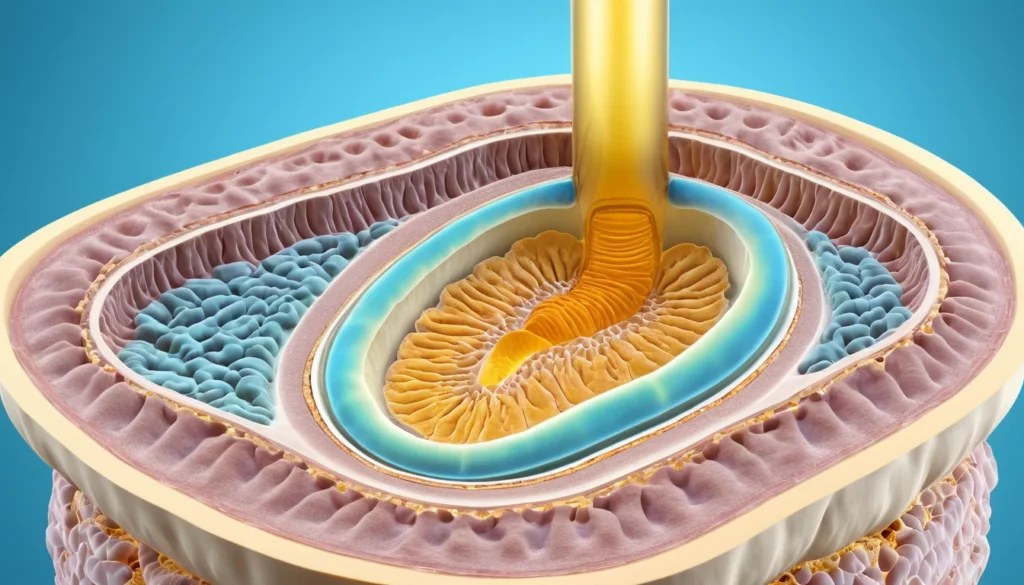
An ascites fluid test is a critical medical procedure that helps doctors in Canada determine why fluid has accumulated inside your abdomen. This abnormal buildup, known as ascites, can signal serious underlying conditions such as liver disease, heart failure, or certain cancers. Understanding what this test involves and what the results reveal empowers you to make informed health decisions.
What Does an Ascites Fluid Test Reveal About Your Health?
Also referred to as peritoneal fluid analysis or diagnostic paracentesis, this test involves drawing a small sample of fluid from your abdominal cavity using a thin needle. The sample is sent to a laboratory where technicians examine it under a microscope and run detailed biochemical tests. For Canadians experiencing unexplained abdominal swelling, this procedure is often one of the first steps toward an accurate diagnosis and effective treatment plan.
What Is an Ascites Fluid Test?
Types of Ascites and What Your Ascites Fluid Test Results Indicate
| Type of Ascites | Key Characteristics | Common Causes | Typical Management |
|---|---|---|---|
| Transudate (SAAG ≥ 1.1 g/dL) | Low protein fluid; caused by pressure imbalances rather than inflammation or infection | Liver cirrhosis, heart failure, portal hypertension | Low-sodium diet, diuretics (spironolactone, furosemide), treating underlying condition |
| Exudate (SAAG < 1.1 g/dL) | High protein fluid; typically indicates inflammation, infection, or malignancy | Peritoneal carcinomatosis, tuberculosis, pancreatitis | Treating underlying cause; may require repeated paracentesis or surgery |
| Chylous Ascites | Milky white fluid with elevated triglycerides (> 200 mg/dL); rare presentation | Lymphoma, abdominal surgery complications, trauma | Low-fat diet, medium-chain triglyceride supplements, treatment of underlying lymphatic disorder |
| Haemorrhagic Ascites | Pink to bloody fluid; red blood cell count > 50,000 cells/µL | Hepatocellular carcinoma, abdominal trauma, coagulation disorders | Urgent investigation for malignancy or bleeding source; may require hospitalization |
| Infected Ascites (SBP) | Neutrophil count ≥ 250 cells/µL; spontaneous bacterial peritonitis confirmed by culture | Bacterial infection in cirrhosis patients; E. coli and Klebsiella most common in Canada | Intravenous antibiotics (cefotaxime or ceftriaxone), albumin infusion, prophylactic norfloxacin |
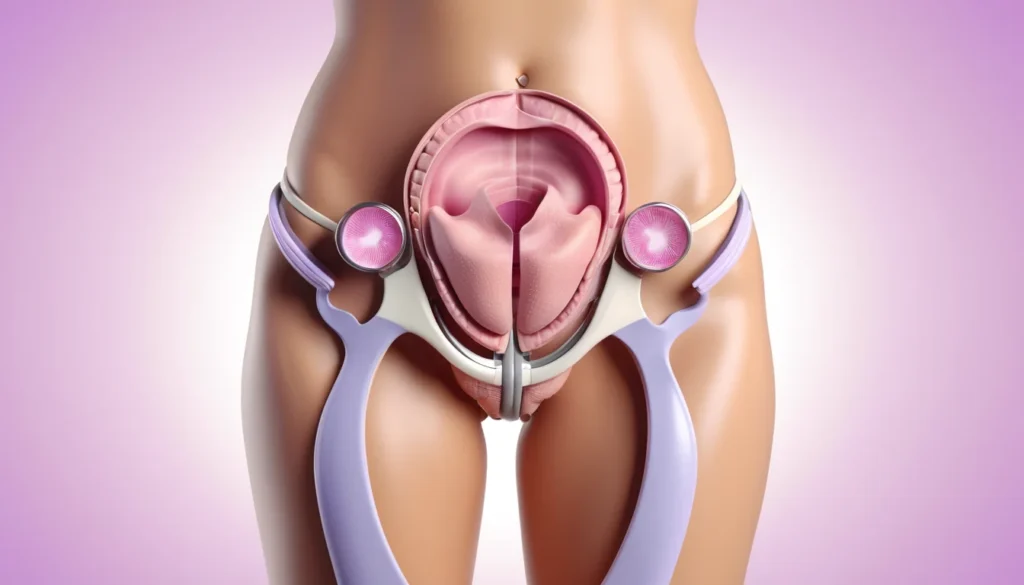
Ascites (pronounced ah-SY-teez) is the abnormal accumulation of fluid in the peritoneal cavity — the space inside your abdomen that surrounds your organs. When a doctor suspects this condition, they may order an ascites fluid test, also called peritoneal fluid analysis or diagnostic paracentesis.
During this procedure, a doctor uses a thin needle to draw a small sample of fluid from the abdomen. That sample is then sent to a laboratory. Technicians examine it under a microscope and run biochemical tests on it.
The results help doctors understand what is causing the fluid buildup. This is important because treatment depends entirely on the underlying cause. For more information on how this procedure works, visit the Mayo Clinic’s guide to paracentesis.
What Causes Fluid to Build Up in the Abdomen?
Fluid buildup in the abdomen does not happen without a reason. Several medical conditions can cause ascites. Knowing the cause is the first step toward the right treatment.
The most common cause is liver cirrhosis — a condition where the liver has become severely scarred and can no longer function properly. However, other conditions can also be responsible.
Common Causes of Ascites
Liver cirrhosis — scarring of the liver, often from alcohol use or viral hepatitis
Peritoneal carcinomatosis — cancer that has spread to the lining of the abdomen
Peritoneal tuberculosis — a form of tuberculosis that affects the abdominal lining
Global heart failure — when the heart cannot pump blood effectively, fluid can back up into the abdomen
Kidney disease — severe kidney problems can also lead to fluid buildup
Pancreatitis — inflammation of the pancreas in some cases
In Canada, liver cirrhosis and heart failure are among the leading reasons doctors order this test. Your provincial health plan typically covers the cost of diagnostic procedures like this when ordered by a physician.
Understanding Liver Cirrhosis: A Leading Cause
Liver cirrhosis is the final stage of long-term liver inflammation. Healthy liver tissue is replaced by scar tissue over time. As a result, the liver gradually loses its ability to perform vital functions like filtering toxins and producing proteins.
There are many different types of liver cirrhosis, depending on what originally damaged the liver.
Types of Liver Cirrhosis
Alcoholic cirrhosis — caused by long-term heavy alcohol use
Viral cirrhosis — caused by chronic hepatitis B or hepatitis C infection
Cholestatic cirrhosis — caused by problems with bile flow, including primary and secondary biliary cirrhosis
Metabolic cirrhosis — caused by conditions like Wilson’s disease, hemochromatosis, or alpha-1 antitrypsin deficiency
Vascular cirrhosis — caused by poor blood flow to the liver, sometimes linked to heart disease
Drug-induced cirrhosis — certain medications can damage the liver over time, including high doses of acetaminophen, aspirin, ibuprofen, naproxen, methotrexate, and amiodarone, among others
Autoimmune cirrhosis — the immune system mistakenly attacks the liver
Nutritional cirrhosis — linked to severe malnutrition or certain surgical procedures like bypass surgery
Cryptogenic cirrhosis — when no clear cause can be identified
It is important to note that many over-the-counter pain medications — including common ones found in Canadian pharmacies — can contribute to liver damage when taken in large amounts or over long periods. Always follow dosage instructions and talk to your pharmacist if you have concerns.
Recognising the Symptoms of Liver Cirrhosis and Ascites
Liver cirrhosis develops slowly. Many people do not notice symptoms until the disease has already progressed significantly. However, once cirrhosis reaches an advanced stage, it can cause a wide range of symptoms that affect daily life.
Physical and Digestive Symptoms
Fatigue and general weakness
Drowsiness or difficulty staying alert
Yellowing of the skin or eyes (jaundice)
Nausea and vomiting
Changes in bowel habits
A bitter taste in the mouth, especially in the morning
Intolerance to fatty foods
Bloating and excess gas
Heartburn and frequent burping
Neurological Symptoms
In more serious cases, liver disease can affect brain function. This happens because the liver can no longer filter toxins from the blood. Those toxins build up and affect the nervous system.
Confusion or agitation
Delirium
In severe cases, loss of consciousness or coma
These neurological symptoms are signs of a condition called hepatic encephalopathy. This is a medical emergency. If you or someone you know shows these signs, seek help immediately by calling 911 or going to your nearest emergency room.
How the Ascites Fluid Test Works
The ascites fluid test involves collecting a sample of the fluid that has accumulated in the abdomen. This is done through a procedure called paracentesis. A doctor inserts a thin, sterile needle through the abdominal wall to draw out the fluid.
Before the procedure, your doctor will recommend that you empty your bladder. This reduces the risk of accidental injury during the needle insertion. The procedure itself is typically done under local anaesthetic and takes only a short time.
What Happens in the Laboratory
Once the fluid reaches the lab, technicians examine it in several ways. They look at it under a microscope to check for signs of infection, cancer cells, or other abnormalities. They also run biochemical tests to measure specific substances in the fluid.
One of the most important measurements is the serum-ascites albumin gradient (SAAG). This compares the level of a protein called albumin in your blood with the level in the ascites fluid. The result helps doctors classify the fluid and narrow down the cause.
Exudate vs. Transudate: What Is the Difference?
Ascites fluid is classified into two main types: exudate and transudate. Understanding the difference helps your doctor find the right diagnosis.
Transudate — fluid that leaks out due to pressure changes in blood vessels, often seen in liver cirrhosis or heart failure. It is generally low in protein.
Exudate — fluid that leaks out due to inflammation, infection, or cancer. It is generally higher in protein and may contain white blood cells or other cellular material.
According to Healthline’s overview of ascites, identifying the type of fluid is a critical step in guiding treatment. Furthermore, the lab may also test for bacteria to detect spontaneous bacterial peritonitis — a serious infection that can develop in people with liver disease.
Who Needs an Ascites Fluid Test?
Doctors typically recommend this test when a patient shows signs of fluid buildup in the abdomen. These signs include a noticeably swollen belly, sudden weight gain, or discomfort in the abdominal area.
In addition, the test is used to monitor people who already have a known diagnosis of liver cirrhosis or heart failure. It helps doctors check whether an infection has developed in the fluid — a complication that requires prompt treatment.
The test is also recommended when doctors need to evaluate bacterial infections of the serosal cavities — the fluid-filled spaces surrounding organs. Early detection of such infections can be life-saving.
The Health Canada patient resource centre provides additional guidance on navigating diagnostic tests through your provincial health system.
When to See a Doctor
Do not ignore a swollen or distended abdomen. While it can sometimes have a simple explanation like bloating, it can also signal a serious underlying condition. It is always better to get checked.
You should contact your family doctor if you notice:
Persistent or growing abdominal swelling
Unexplained weight gain over a short period
Abdominal pain or discomfort
Yellowing of the skin or whites of the eyes
Extreme fatigue combined with any of the above
If you do not have a family doctor, a walk-in clinic can assess your symptoms and refer you for further testing if needed. Most provincial health plans cover diagnostic bloodwork and imaging when a doctor orders it. In urgent situations — especially if you feel severe pain, confusion, or shortness of breath — go to your nearest emergency department right away.
Always speak with a qualified healthcare provider before drawing any conclusions from medical test results. Only your doctor has the full picture of your health history and can interpret results in the right context.
Frequently Asked Questions About the Ascites Fluid Test
What is an ascites fluid test used for?
An ascites fluid test helps doctors find out why fluid has built up in the abdomen. It can identify infections, cancer, or conditions like liver cirrhosis or heart failure. The results guide doctors toward the most appropriate treatment plan.
Is the ascites fluid test painful?
Most people experience minimal discomfort during an ascites fluid test. The area is numbed with a local anaesthetic before the needle is inserted. You may feel some pressure, but the procedure is generally well tolerated and takes only a few minutes.
What does it mean if ascites fluid is classified as an exudate?
If your ascites fluid is classified as an exudate, it usually suggests inflammation, infection, or cancer is involved. Exudate fluid tends to have higher protein levels and may contain immune cells. Your doctor will order further tests to identify the exact cause.
Can ascites go away on its own?
Ascites does not typically resolve on its own without treating the underlying cause. Depending on the diagnosis, treatment may include medication, dietary changes, fluid drainage, or other medical interventions. A doctor should always evaluate and manage this condition.
Does provincial health insurance in Canada cover ascites testing?
In most Canadian provinces, diagnostic procedures like the ascites fluid test are covered under provincial health plans when ordered by a licensed physician. However, coverage details can vary by province. Check with your provincial health authority or speak to your family doctor for specific information.
What conditions are commonly diagnosed using an ascites fluid test?
According to Mayo Clinic’s overview of ascites causes and symptoms, this information is supported by current medical research.
For more information, read our guide on kidney stones and other conditions that affect abdominal health in Canada.
The ascites fluid test is commonly used to diagnose liver cirrhosis, spontaneous bacterial peritonitis, peritoneal tuberculosis, heart failure-related fluid buildup, and certain cancers. It is a key diagnostic tool for any condition involving abnormal fluid accumulation in the abdomen.
Key Takeaways
An ascites fluid test identifies the cause of abnormal fluid buildup in the abdomen.
The most common cause of ascites in Canada is liver cirrhosis, often related to alcohol use or viral hepatitis.
The fluid sample is examined under a microscope and classified as either exudate or transudate to help guide diagnosis.
Symptoms of liver cirrhosis range from fatigue and jaundice to serious neurological signs like confusion and delirium.
Before the test, emptying your bladder is recommended to ensure safety during the procedure.
If you notice abdominal swelling, see your family doctor or visit a walk-in clinic promptly.
Most provincial health plans cover this test when a doctor determines it is medically necessary.
Always consult a qualified healthcare professional to understand your test results and next steps.
Frequently Asked Questions
What is an ascites fluid test?
An ascites fluid test, also called diagnostic paracentesis, is a medical procedure where a needle is inserted into the abdomen to withdraw and analyze fluid buildup. The test determines the cause of ascites by measuring protein levels, cell counts, and albumin, helping doctors diagnose conditions like liver cirrhosis, cancer, or infection.
What are the symptoms of ascites in Canada?
Common ascites symptoms include abdominal swelling or bloating, unexplained weight gain, shortness of breath, nausea, reduced appetite, and a feeling of heaviness in the belly. As fluid accumulates, you may notice your abdomen becoming visibly distended and tender. Ankle swelling often accompanies these symptoms.
What do ascites fluid test results mean?
Ascites fluid test results are interpreted using the Serum-Ascites Albumin Gradient (SAAG). A SAAG score of 1.1 g/dL or higher suggests portal hypertension from liver disease. A lower score may indicate cancer, tuberculosis, or infection. Your doctor uses these results alongside other diagnostics to confirm a diagnosis.
When should I see a doctor about abdominal fluid buildup?
See a doctor immediately if you experience rapid abdominal swelling, severe abdominal pain, fever, difficulty breathing, or sudden weight gain of more than 2 kg in a few days. These signs may indicate infected ascites (spontaneous bacterial peritonitis), which is a serious medical emergency requiring urgent treatment.
Can ascites be treated or prevented?
Ascites treatment includes a low-sodium diet, diuretic medications, and therapeutic paracentesis to drain excess fluid. Treating the underlying cause, such as liver disease or heart failure, is essential. Prevention focuses on limiting alcohol consumption, managing chronic liver conditions, and following your doctor’s dietary and medication recommendations consistently.