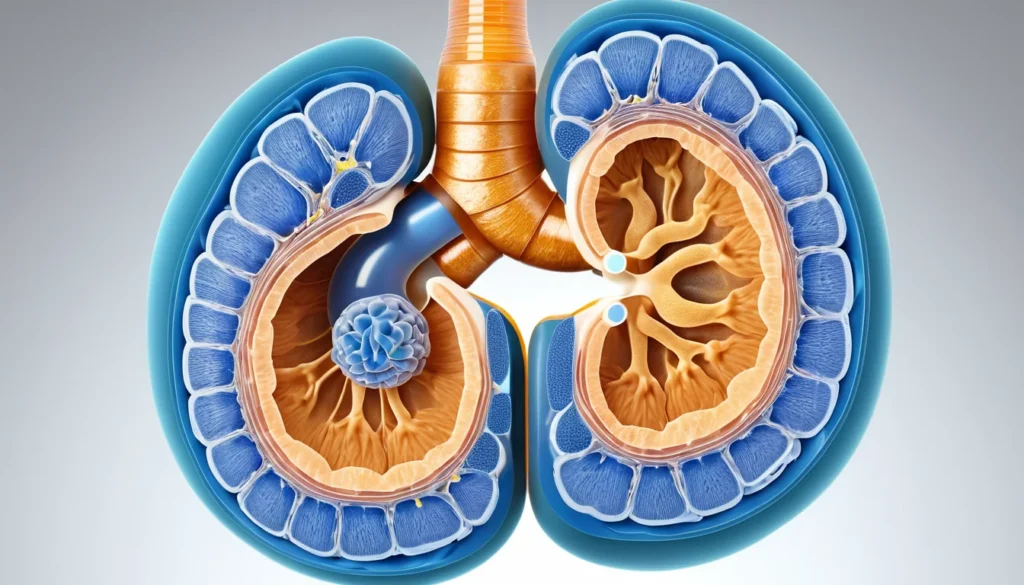
Ascites is a condition where fluid builds up inside your abdomen. It is most often a sign of serious liver disease, such as cirrhosis. In Canada, ascites affects thousands of people living with chronic liver conditions. This article explains what ascites is, what causes it, how it is diagnosed, and what treatment options are available to Canadians.
What Is Ascites?
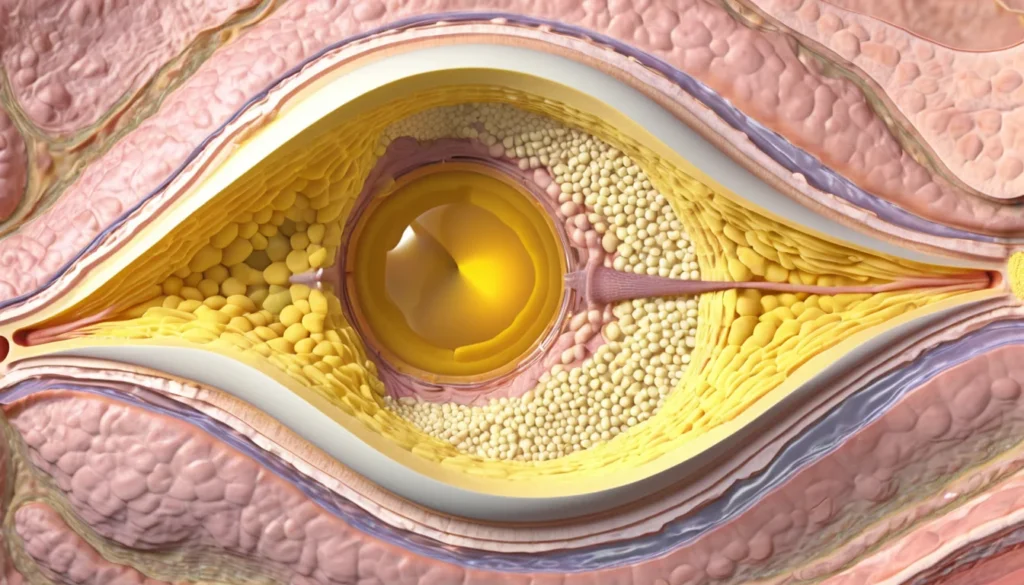
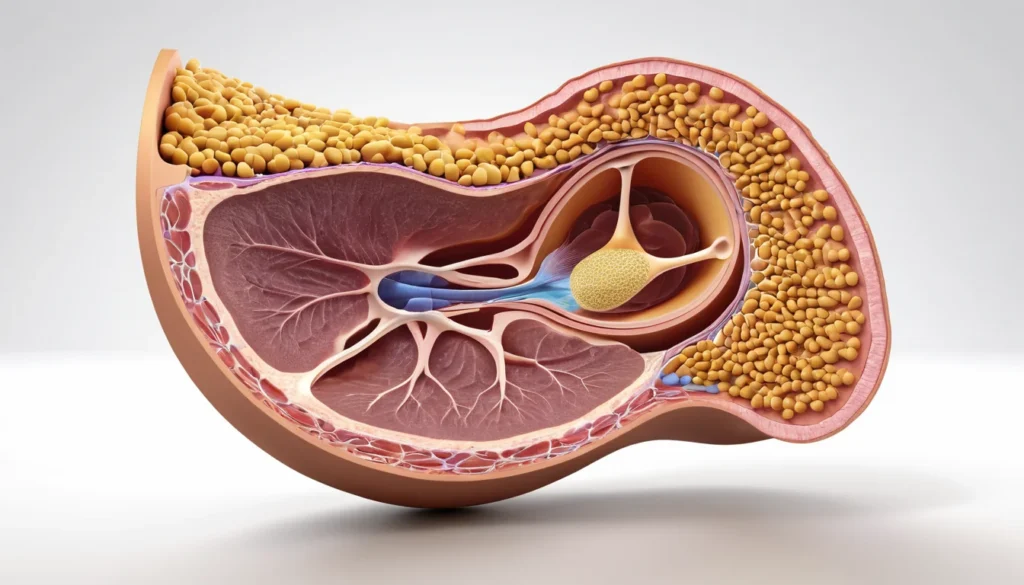
Your abdominal cavity is lined by a thin, two-layered membrane called the peritoneum. Normally, the space between these two layers is almost non-existent. However, when ascites develops, fluid collects between these layers and causes the belly to swell.
This fluid build-up is not a disease on its own. Rather, it is a sign that something else is wrong in your body. In most cases, that something is a liver problem.
Common Causes of Ascites
Many health conditions can lead to ascites. Liver diseases that cause cirrhosis are the most common trigger. Cirrhosis is advanced scarring of the liver. It severely affects how your liver works.
Liver-Related Causes
The following liver conditions can progress to cirrhosis and, as a result, lead to ascites:
Non-alcoholic fatty liver disease (NAFLD) — a growing concern in Canada linked to obesity and poor diet
Hepatitis B — a viral liver infection preventable by vaccine
Hepatitis C — a common chronic liver infection in Canada
Chronic alcohol use — long-term heavy drinking damages liver tissue
Autoimmune hepatitis — where your immune system attacks your liver
Genetic liver diseases — such as hemochromatosis, Wilson’s disease, or alpha-1 antitrypsin deficiency
Cirrhosis is responsible for up to 80% of all ascites cases. It is, therefore, the leading cause of this condition. For more on how liver disease progresses, visit Mayo Clinic’s overview of cirrhosis.
Other Causes of Ascites
Not all ascites comes from liver disease. Other causes include:
Congestive heart failure — fluid backs up throughout the body, including the abdomen
Kidney failure — the kidneys cannot filter fluid properly
Cancers of abdominal or pelvic organs
Infections inside the abdominal cavity
How Common Is Ascites?
Ascites rarely appears in healthy people. It almost always signals an underlying health condition. About half of all people with decompensated cirrhosis — meaning their liver is no longer functioning well enough — will develop ascites.
Furthermore, ascites is considered the most common serious complication of cirrhosis. The five-year survival rate for people with ascites is around 40%. This sobering figure reflects how advanced the underlying liver disease usually is by the time ascites appears.
Signs and Symptoms of Ascites
The most obvious signs of ascites are a swollen belly and unexplained weight gain. The abdomen grows progressively larger, and it feels fluid-filled rather than firm. If you roll onto your side, you may notice the fluid shifting with gravity.
Other Symptoms to Watch For
In addition to belly swelling, you may experience:
Swollen ankles and legs — fluid pools in the lower body
Shortness of breath — a large amount of fluid pushes up the diaphragm, making breathing harder
Digestive problems — bloating, loss of appetite, indigestion, abdominal pain, or constipation
Back pain — from the added pressure and weight in the abdomen
Fatigue — feeling unusually tired or weak
These symptoms can develop slowly over weeks or appear more quickly. If you notice your belly growing larger without an obvious reason, do not wait to get it checked out.
How Is Ascites Diagnosed?
A doctor will start with a physical exam and ask about your symptoms and medical history. They will check for signs of liver disease and look for fluid in your abdomen. Based on this initial exam, they will likely order further tests.
Diagnostic Tests for Ascites
Abdominal ultrasound or CT scan — these imaging tests let doctors see your liver, other organs, and the fluid inside your abdomen clearly
Paracentesis — a doctor uses a thin needle, after applying local anaesthetic, to draw fluid from your abdomen. The fluid is then sent to a lab to check for infection, cancer, or signs of portal hypertension
Blood tests — certain markers in your blood can point to the underlying cause of ascites
According to Health Canada, early detection of liver disease significantly improves treatment outcomes. Catching ascites early gives you more treatment options.
Treatment Options for Ascites in Canada
Treatment for ascites focuses on two goals: reducing the fluid in your abdomen and treating the underlying cause. Your care team will tailor a plan to your specific situation.
Low-Sodium Diet
The first step in managing ascites is cutting back on salt. Most people with ascites are advised to consume no more than 4 grams of sodium per day. A registered dietitian can help you build a practical meal plan that works for your lifestyle.
Diuretics (Water Pills)
Diuretics are medications that help your kidneys remove extra fluid from your body. They are a common and effective treatment for ascites. Your doctor will choose the right type and dose based on your health history and how well your kidneys are working.
Paracentesis (Fluid Drainage)
When diet and medication are not enough, paracentesis can drain the fluid directly. This procedure can be done once or repeated regularly in a hospital or clinic setting. It provides relief quickly, though the fluid may return if the underlying cause is not controlled.
Transjugular Intrahepatic Portosystemic Shunt (TIPS)
In some cases, a specialist may recommend a TIPS procedure. A small tube (shunt) is placed inside the liver to redirect blood flow. This lowers the pressure in the portal vein, which reduces fluid build-up in the abdomen.
Liver Transplant
In advanced cases, a liver transplant may be the best long-term option. In Canada, liver transplants are covered under provincial health plans for eligible patients. Your specialist will discuss whether you qualify and how to get on a transplant waiting list.
For a broader overview of liver disease management, Healthline’s guide to ascites offers additional detail on treatment approaches.
Prevention: Reducing Your Risk
You can lower your risk of developing ascites by protecting your liver and managing related health conditions. The following steps make a real difference:
Monitor your weight — if you are at risk, weigh yourself daily to catch sudden gains early. A quick weight gain often signals fluid retention
Limit or avoid alcohol — there is no truly safe level of alcohol for people with liver disease. Cutting it out completely is the safest choice
Use anti-inflammatory medications with care — drugs like ibuprofen can harm your kidneys and liver. Always check with your doctor or pharmacist before taking them regularly
Follow a low-sodium diet — keeping salt intake below 4 grams per day helps reduce fluid build-up
Get vaccinated — hepatitis B vaccination is available across Canada and can prevent one of the main causes of liver disease
Manage your weight — maintaining a healthy weight reduces your risk of non-alcoholic fatty liver disease
When to See a Doctor
You should see a doctor promptly if your belly is swelling without a clear reason, or if you are gaining weight quickly without changes in your diet. These can be early signs of ascites.
Start with your family doctor if you have one. They can order initial tests and refer you to a gastroenterologist or hepatologist (liver specialist) if needed. If you do not have a family doctor, a walk-in clinic is a good first step. Many provinces also offer Telehealth lines where a registered nurse can advise you on next steps.
If you experience sudden severe abdominal pain, fever with a swollen belly, or difficulty breathing, go to your nearest emergency department right away. These can be signs of a serious complication called spontaneous bacterial peritonitis, which needs immediate treatment.
Always speak with a qualified healthcare professional before making changes to your diet, medications, or treatment plan. The information in this article is for general awareness only and does not replace medical advice.
Frequently Asked Questions About Ascites
What does ascites feel like?
Ascites often feels like a tight, full, or heavy sensation in your abdomen. Your belly may look visibly swollen and feel fluid-filled rather than firm. Some people with ascites also notice their abdomen shifts when they roll onto their side.
Is ascites always caused by liver disease?
No, though liver disease — especially cirrhosis — is responsible for up to 80% of ascites cases. Other causes of ascites include heart failure, kidney failure, abdominal cancers, and infections. Your doctor will run tests to find the exact cause.
Can ascites go away on its own?
Ascites does not typically go away without treatment. However, with proper care — such as a low-sodium diet, diuretics, or drainage procedures — the fluid can be controlled. Treating the underlying cause is key to long-term management of ascites.
How serious is ascites?
Ascites is considered a serious condition because it usually signals advanced disease, most often cirrhosis. The five-year survival rate for people with ascites is around 40%. Early diagnosis and treatment can improve outcomes significantly.
How is ascites treated in Canada?
In Canada, ascites is treated through a combination of low-sodium diet, diuretic medications, and paracentesis (fluid drainage). More advanced cases may require a TIPS procedure or a liver transplant, which is covered under provincial health plans for eligible patients.
What foods should I avoid if I have ascites?
If you have ascites, you should avoid high-sodium foods such as processed meats, canned soups, fast food, salty snacks, and table salt. Keeping your daily sodium intake below 4 grams is a key part of managing ascites. A registered dietitian can help you build a practical, low-salt meal plan.
Key Takeaways
Ascites is a build-up of fluid in the abdominal cavity. It is a sign of an underlying health problem, not a disease on its own.
Cirrhosis — advanced liver scarring — is the most common cause of ascites, accounting for up to 80% of cases.
Key symptoms include a swollen belly, rapid weight gain, swollen legs, shortness of breath, and fatigue.
Diagnosis involves physical examination, blood tests, imaging (ultrasound or CT), and paracentesis.
Treatment includes a low-sodium diet, diuretics, paracentesis, and in advanced cases, a liver transplant covered by Canadian provincial health plans.
Prevention focuses on protecting your liver: limit alcohol, maintain a healthy weight, eat less salt, and get vaccinated against hepatitis B.
See your family doctor, a walk-in clinic, or call your provincial Telehealth line if you notice unexplained abdominal swelling or rapid weight gain.