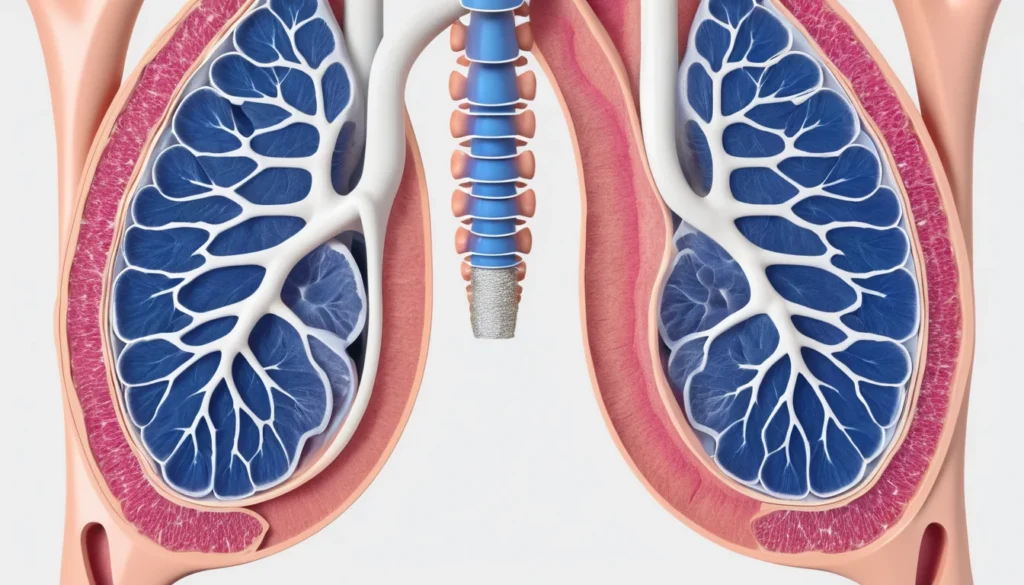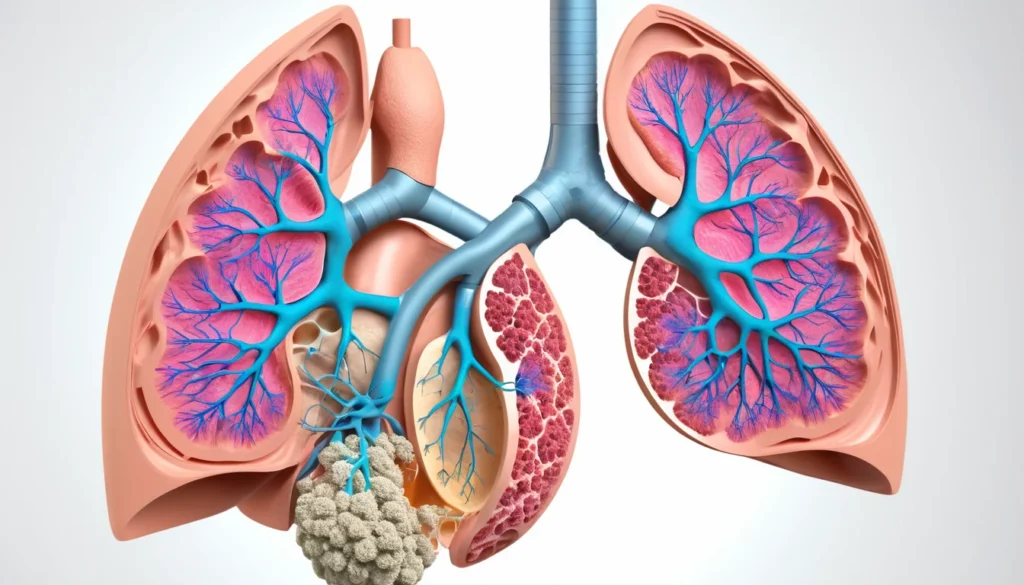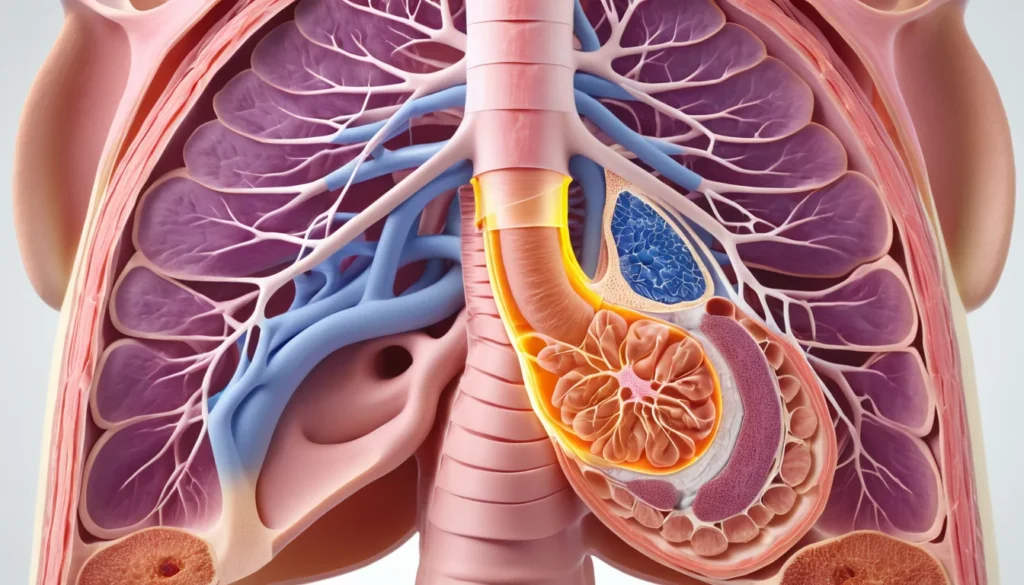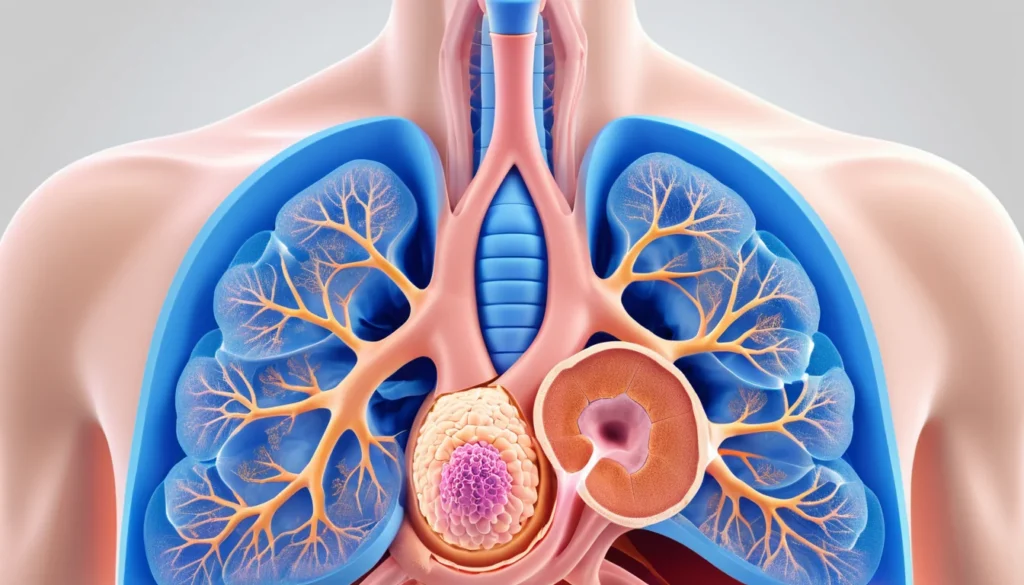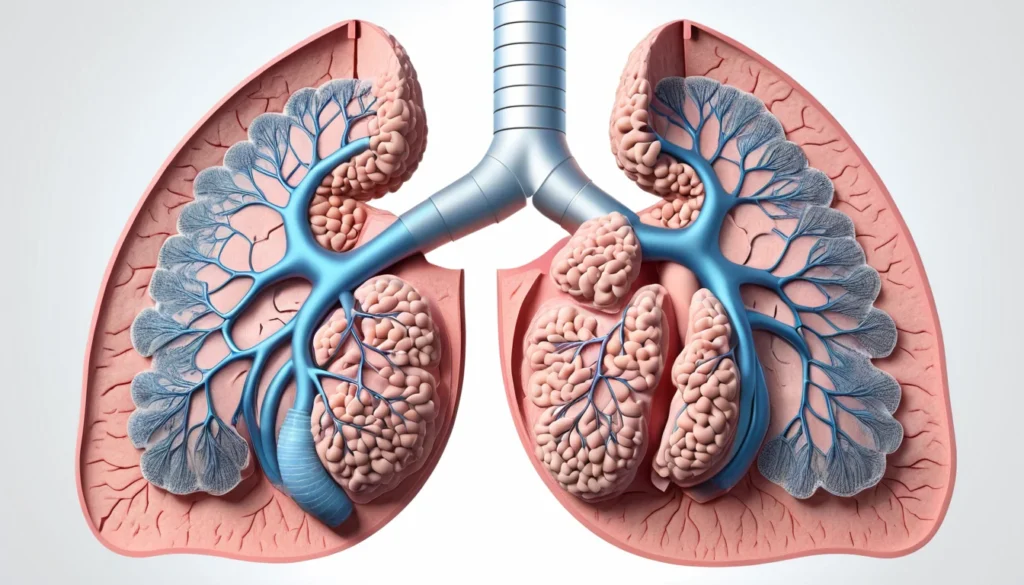
Asbestosis is a serious lung disease caused by breathing in asbestos fibres over a long period of time. It leads to scarring deep inside the lungs, making it harder to breathe. In Canada, older buildings and certain workplaces still carry a risk of asbestos exposure. Understanding this condition can help you protect yourself and your family.
What Is Asbestosis?
Asbestosis is a type of lung disease called pulmonary fibrosis. It belongs to a group of conditions known as pneumoconioses — lung diseases caused by breathing in mineral dust over many years. Occupational health specialists often manage these conditions, as they are closely tied to workplace exposure.
The word “asbestosis” comes from the Greek word for “indestructible.” This is fitting, because asbestos fibres are extremely resistant to heat and physical damage. They are very difficult to break down or remove from the environment — or from the lungs.
Doctors first noticed a link between asbestos exposure and lung scarring as far back as the 1940s. As more patients were diagnosed, researchers also found that asbestosis significantly raises the risk of lung cancer and a rare cancer called malignant mesothelioma. Health Canada recognizes asbestos as a known human carcinogen.
Types of Asbestos Fibres
Not all asbestos fibres are the same. There are two main groups: serpentine fibres, which are curved, and amphibole fibres, which are straight. Chrysotile is the most common serpentine fibre and, as a result, is the type most often linked to lung disease.
Researchers have identified five types of amphibole fibres: amosite, anthophyllite, tremolite, actinolite, and crocidolite. Crocidolite amphiboles, in particular, have a strong ability to affect the lining around the lungs, called the pleura.
Fibre size also matters. Smaller fibres — under 3 microns in diameter — can pass directly through cell membranes, causing fibrosis from within. Larger fibres, over 5 microns, cannot be broken down by the body’s immune cells. They stay in the air sacs of the lungs and trigger long-term inflammation.
What Causes Asbestosis?
Asbestosis develops when asbestos fibres are inhaled and become permanently lodged in the lung tissue. Over time, the body tries to fight off these fibres by sending immune cells called macrophages to the area. Unfortunately, this response damages the surrounding lung tissue and leads to scarring, or fibrosis.
A scarred lung loses its ability to expand and contract properly during breathing. Gas exchange — the process by which your lungs take in oxygen and release carbon dioxide — becomes seriously impaired. In severe cases, this affects the entire body.
The severity of asbestosis depends on two main factors: how long a person was exposed to asbestos, and how much they inhaled. The more fibres that accumulate in the lungs over time, the greater the risk of serious disease. Furthermore, the type of fibre also plays a role in how aggressively the disease progresses.
Who Was Most at Risk?
Asbestos was widely used as a building material up until around the 1970s. Workers in mining, construction, and building insulation faced the highest levels of exposure. However, the risk did not stop at the worksite.
Asbestos dust often settled on workers’ clothing. When they came home, they unknowingly exposed their families to the fibres. In many documented cases, family members who never set foot on a worksite developed asbestosis — simply from contact with a worker’s dusty clothes.
Today, people who renovate or demolish older buildings in Canada may still encounter asbestos. If you live or work in a building constructed before the mid-1980s, it may contain asbestos-containing materials. The Mayo Clinic provides detailed information on asbestosis risk factors for those who want to learn more.
How Asbestosis Affects the Body
Asbestosis causes progressive scarring of the lung tissue. This scarring stiffens the lungs, making each breath more difficult. Symptoms typically do not appear until 20 or more years after the initial exposure. This long delay is one reason the disease can be so difficult to diagnose early.
In addition to breathing problems, asbestosis can lead to several serious complications:
Pleural fibrosis: Thickening and scarring of the lining around the lungs.
Pleural effusion: A build-up of fluid around the lungs.
Atelectasis: Partial or complete collapse of a lung.
Mesothelioma: A rare and aggressive cancer of the lung lining.
Lung cancer: Asbestos exposure alone can increase the risk of lung cancer by up to six times.
Asbestos has also been linked to cancers beyond the lungs — including cancers of the upper airways, oesophagus, kidneys, and bile system. These findings underscore just how dangerous prolonged asbestos exposure can be.
The Role of Smoking
Smoking makes asbestosis significantly worse. On their own, both smoking and asbestos exposure increase the risk of lung cancer. However, when combined, they work together in a way that multiplies the overall risk far beyond what either factor causes alone.
Smoking also increases the chances of developing obstructive lung diseases and recurring lung infections in people with asbestosis. If you have a history of asbestos exposure and you smoke, quitting is one of the most important steps you can take for your health. Talk to your family doctor about smoking cessation programmes available through your provincial health plan.
Asbestos Exposure in Canada Today
Canada has taken strong steps to reduce asbestos exposure in recent decades. Asbestos-containing materials are now banned from use in new buildings. Older buildings are monitored and tested for airborne asbestos levels. However, enforcement can vary, and asbestos remains present in many structures built before the 1980s.
Experts believe it will take many more years before the overall risk of asbestosis becomes truly minimal. Asbestos is a highly durable material and is not easily replaced or removed. Therefore, ongoing vigilance is still essential — especially for tradespeople, renovation workers, and anyone working in older buildings across Canada.
If you are concerned about asbestos in your home or workplace, contact your provincial health authority or a certified asbestos inspector. The World Health Organization has published guidance on eliminating asbestos-related diseases globally, including recommendations for safer workplaces.
When to See a Doctor
You should speak with your family doctor if you have a history of asbestos exposure — even if you feel fine right now. Because symptoms can take 20 or more years to appear, early monitoring is very important. Your doctor may recommend chest X-rays or breathing tests to check on your lung health over time.
Watch for these warning signs and seek medical attention promptly if you notice them:
Shortness of breath, especially during physical activity
A persistent dry cough that does not go away
Chest tightness or chest pain
Fatigue that is getting worse over time
Clubbing of the fingers or toes (widening and rounding of the fingertips)
If you do not have a family doctor, a walk-in clinic can be a good first step. Walk-in clinics can order basic lung function tests and refer you to a specialist if needed. Do not wait for symptoms to become severe before reaching out. Early detection gives you more options for managing your health.
Please note: This article is for general information only. Always consult a qualified healthcare provider for advice about your personal health situation.
Frequently Asked Questions About Asbestosis
What are the first signs of asbestosis?
The first signs of asbestosis are often a persistent dry cough and shortness of breath during physical activity. These symptoms develop slowly and may not appear until 20 or more years after asbestos exposure. If you have a history of asbestos exposure, talk to your doctor even before symptoms appear.
Is asbestosis the same as mesothelioma?
No, asbestosis and mesothelioma are two different conditions, although both are caused by asbestos exposure. Asbestosis is a fibrotic lung disease caused by scarring of lung tissue, while mesothelioma is a rare and aggressive cancer that affects the lining of the lungs or abdomen. However, having asbestosis does increase your risk of developing mesothelioma.
Can asbestosis be cured?
There is currently no cure for asbestosis. Once lung scarring develops, it cannot be reversed. Treatment focuses on managing symptoms, slowing progression, and improving quality of life. Your doctor may recommend breathing exercises, pulmonary rehabilitation, or oxygen therapy depending on how advanced the disease is.
How much asbestos exposure causes asbestosis?
Asbestosis typically results from prolonged, heavy exposure to asbestos fibres over many years — not a single brief contact. However, the risk increases with the total amount of asbestos inhaled over a lifetime. There is no known completely “safe” level of asbestos exposure, which is why prevention and protective measures are so important.
Is asbestos still found in Canadian homes?
Yes, asbestos can still be found in many Canadian homes and buildings constructed before the mid-1980s. It was commonly used in insulation, floor tiles, roofing, and ceiling materials. If you plan to renovate an older home, have it inspected by a certified asbestos professional before starting any work that could disturb existing materials.
Does smoking make asbestosis worse?
Yes, smoking significantly worsens the outlook for people with asbestosis. Smoking and asbestos exposure together greatly multiply the risk of developing lung cancer — far beyond the risk of either factor alone. Quitting smoking is one of the most effective steps a person with asbestos exposure history can take to protect their lung health.
Key Takeaways
Asbestosis is a serious, progressive lung disease caused by long-term inhalation of asbestos fibres.
Symptoms — including shortness of breath and chronic cough — often appear 20 or more years after exposure.
Workers in construction, mining, and insulation were historically at the highest risk, but family members could also be affected through contact with contaminated clothing.
Asbestos exposure significantly raises the risk of lung cancer and mesothelioma, especially in people who also smoke.
There is no cure for asbestosis, but early detection and symptom management can improve quality of life.
Older Canadian buildings may still contain asbestos. Always have a certified inspection done before renovating.
If you have a history of asbestos exposure, speak with your family doctor or visit a walk-in clinic — even if you feel well.