Arthritis in Canada is one of the most common chronic health conditions, affecting millions of people across every province and territory. It causes inflammation and swelling in one or more joints, leading to pain, stiffness, and reduced movement. Arthritis is not a single disease — it is an umbrella term that covers more than 100 different conditions, each with unique causes and challenges.
Understanding Arthritis in Canada: Causes and Risk Factors
Understanding the types of arthritis, recognising early symptoms, and exploring the right treatment options can help you take better control of your joint health. Whether you are dealing with osteoarthritis symptoms after years of wear and tear or managing an autoimmune form like rheumatoid arthritis, early action is key to protecting your mobility and quality of life.
What Is Arthritis?
Common Types of Arthritis in Canada: Characteristics and Management
| Type of Arthritis | Key Characteristics | Who Is Affected | Management Approach |
|---|---|---|---|
| Osteoarthritis (OA) | Gradual breakdown of joint cartilage; affects knees, hips, and hands; worsens with age and activity | Most common form; affects over 4.4 million Canadians, primarily adults over 50 | Physical therapy, weight management, NSAIDs, joint replacement surgery in severe cases |
| Rheumatoid Arthritis (RA) | Autoimmune disease causing joint inflammation, swelling, and morning stiffness lasting over 30 minutes | Affects approximately 300,000 Canadians; more common in women aged 30–60 | DMARDs (e.g., methotrexate), biologics, corticosteroids, occupational therapy |
| Psoriatic Arthritis (PsA) | Inflammatory arthritis linked to psoriasis; causes joint pain, swelling, and skin plaques | Affects up to 30% of Canadians living with psoriasis; onset typically between ages 30–50 | NSAIDs, DMARDs, biologic therapies (TNF inhibitors), skin and joint symptom management |
| Gout | Caused by uric acid crystal buildup in joints; sudden intense pain attacks, most often in the big toe | More prevalent in men over 40; affects roughly 1 in 40 Canadians | Colchicine, NSAIDs during flares, urate-lowering therapy (allopurinol), dietary modifications |
| Ankylosing Spondylitis (AS) | Chronic inflammatory arthritis primarily affecting the spine; causes stiffness, pain, and potential spinal fusion | Affects approximately 150,000–300,000 Canadians; more common in men under 45 | NSAIDs, biologic agents (IL-17 or TNF inhibitors), physiotherapy, regular low-impact exercise |
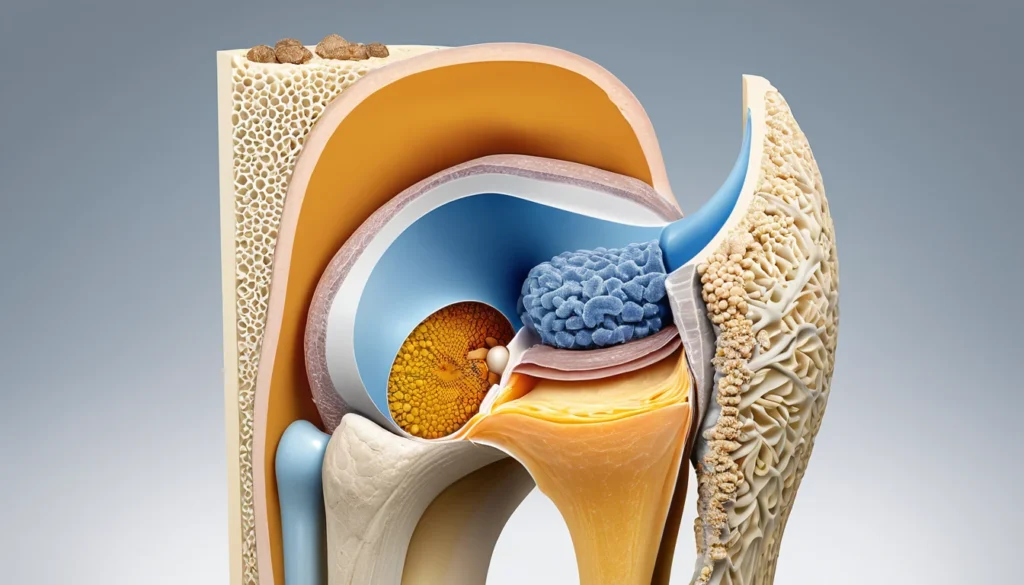
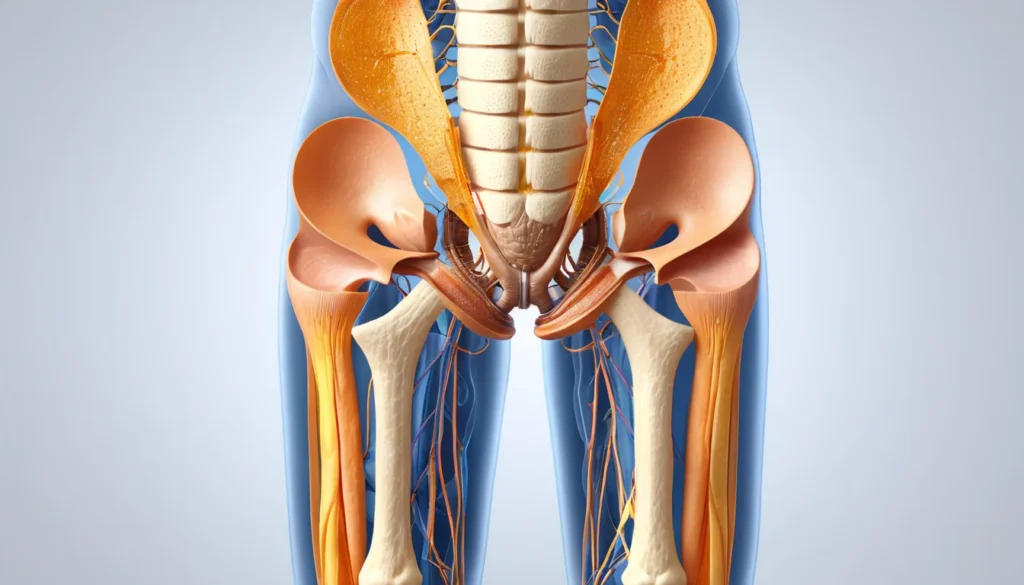
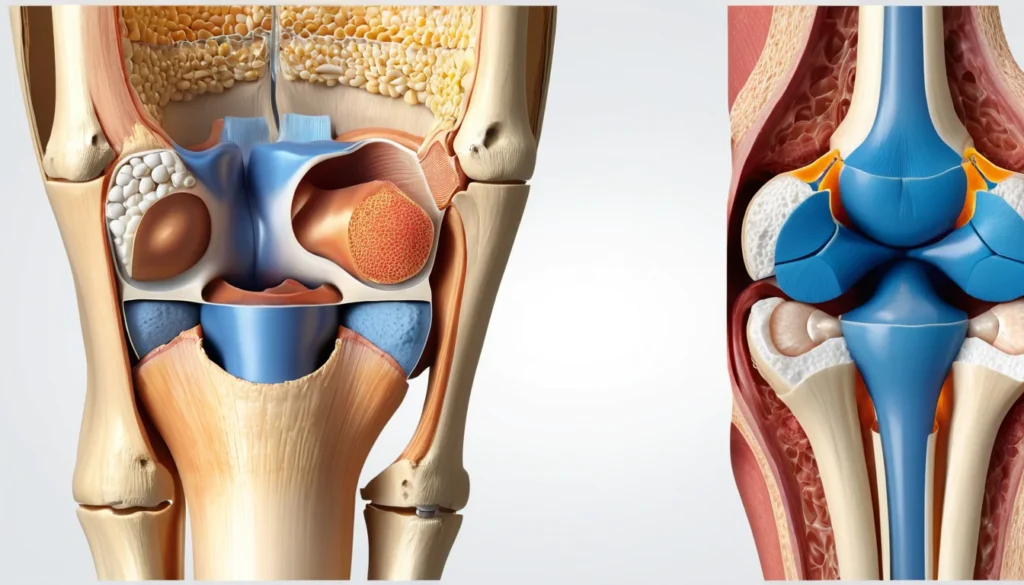
Arthritis affects the joints — the places where two bones meet, such as your knees, hips, hands, and wrists. Inflammation causes the tissue around the joint to swell, which leads to pain and stiffness. Over time, this inflammation can damage the cartilage that cushions the ends of your bones.
When cartilage wears down, bones can begin to rub against each other. This causes more pain and can limit how well you move the joint. In severe cases, the joint may change shape entirely. However, early treatment can slow this process and protect your quality of life.
Common Types of Arthritis
There are many forms of arthritis, but a few types are most commonly seen in Canadian clinics and hospitals. Each type has its own causes and treatment needs. Knowing which type you have is the first step toward effective care.
Osteoarthritis
Osteoarthritis is the most common type of arthritis. It happens when the cartilage in a joint gradually breaks down with age and use. It most often affects the knees, hips, hands, and spine. Many older Canadians live with osteoarthritis and manage it successfully with the right support.
Rheumatoid Arthritis
Rheumatoid arthritis is an autoimmune disease. This means your immune system mistakenly attacks the lining of your own joints. As a result, the joints become swollen, painful, and stiff — especially in the morning. Rheumatoid arthritis can affect people at any age, including younger adults.
Psoriatic Arthritis
Psoriatic arthritis affects some people who have psoriasis, a skin condition that causes red, scaly patches. This type of arthritis can affect any joint in the body. It can range from mild to severe, and it often follows an unpredictable pattern of flare-ups and remissions.
Gout
Gout is caused by a build-up of uric acid crystals in a joint. It often strikes suddenly, causing intense pain, redness, and swelling — most commonly in the big toe. Certain foods, alcohol, and some medications can trigger a gout attack. Furthermore, gout is highly treatable when properly managed.
Juvenile Arthritis
Juvenile arthritis refers to arthritis that begins in children and teenagers under the age of 16. It can affect joints, eyes, skin, and other organs. Like adult forms of arthritis, juvenile arthritis requires early diagnosis and ongoing care to prevent long-term damage.
Reactive Arthritis
Reactive arthritis develops after an infection in another part of the body, such as the digestive or urinary tract. The joints become inflamed as a reaction to that infection. In many cases, reactive arthritis improves on its own, but some people develop longer-lasting symptoms.
Risk Factors for Arthritis
Some risk factors for arthritis can be changed, while others cannot. Understanding both types helps you make informed choices about your health.
Risk Factors You Can Change
Excess weight: Carrying extra body weight puts more stress on your joints, especially the knees and hips.
Smoking: Smoking is linked to a higher risk of developing rheumatoid arthritis and can make symptoms worse.
Infections: Certain bacterial or viral infections can trigger some types of arthritis.
Occupational hazards: Jobs that involve repetitive movements or heavy lifting can increase joint wear over time.
Risk Factors You Cannot Change
Age: The risk of most types of arthritis increases with age.
Sex: Women are more likely to develop rheumatoid arthritis, while gout is more common in men.
Family history: Genetics play a role in your chances of developing certain types of arthritis.
Recognising the Symptoms of Arthritis
Arthritis symptoms can vary depending on the type, but there are several common warning signs to watch for. Catching these signs early gives you the best chance of slowing the condition’s progress.
The most common symptoms of arthritis include:
Joint pain, which may be constant or may come and go
Stiffness in the morning that lasts longer than 30 minutes
Swelling around one or more joints
Redness and warmth around a joint
Reduced range of movement in the affected joint
Fatigue and a general feeling of being unwell
Morning stiffness is a particularly telling sign. In inflammatory arthritis, the joints become easier to move only after you have been active for a while. The longer the stiffness lasts each morning, the more inflammation may be present. This is useful information for your doctor when making a diagnosis.
In addition, some people experience nighttime pain that wakes them from sleep. Swelling in the joint can also be a sign of excess fluid building up inside. A doctor can draw a small sample of this fluid with a needle — a procedure called joint aspiration — to help identify the type and cause of arthritis.
Treatment Options for Arthritis
There is no single treatment that works for every type of arthritis. However, a wide range of options can help reduce pain, protect the joints, and improve your day-to-day life. Your treatment plan will depend on which type of arthritis you have and how severe your symptoms are.
Medications
Many people with arthritis use medications to manage their symptoms. Common options include:
Pain relievers (analgesics): These reduce pain but do not address inflammation directly.
Anti-inflammatory drugs (NSAIDs): These reduce both pain and swelling. Examples include ibuprofen and naproxen.
Corticosteroids: These are stronger anti-inflammatory medicines, sometimes given as an injection directly into the joint.
Disease-modifying antirheumatic drugs (DMARDs): Used for rheumatoid arthritis, these medications slow the disease and protect the joints from further damage.
Biologic agents: A newer class of DMARDs that target specific parts of the immune system involved in inflammation.
Uric acid-lowering drugs: Used for gout to prevent future attacks by reducing uric acid levels in the blood.
Antibiotics: Essential for treating septic arthritis, which is caused by a bacterial infection in the joint.
Physiotherapy and Exercise
Staying active is one of the most effective ways to manage arthritis. Regular, gentle exercise helps keep joints flexible and strengthens the muscles around them. A physiotherapist can create a safe exercise programme tailored to your needs and abilities.
Low-impact activities such as swimming, walking, and cycling are often recommended. These put less stress on the joints while still building strength and improving range of motion. Therefore, even moderate regular activity can make a meaningful difference in how you feel each day.
Lifestyle Changes
Making changes to your daily habits can also help manage arthritis. Reaching and maintaining a healthy weight reduces pressure on your joints. Eating a balanced diet rich in fibre, vegetables, and omega-3 fatty acids may help lower inflammation in the body.
Quitting smoking is also strongly recommended, especially for those with rheumatoid arthritis. Assistive devices — such as braces, splints, or specially designed grips — can make everyday tasks easier and protect affected joints from further strain.
Surgical Options
In severe cases of arthritis, surgery may be considered. The most common procedure is joint replacement (arthroplasty), where a damaged joint is replaced with an artificial one. Hip and knee replacements are among the most frequently performed surgeries in Canada.
Another surgical option is joint fusion (arthrodesis), where two bones in a joint are permanently joined together. This eliminates pain but also removes movement in that joint. Your specialist will discuss whether surgery is appropriate for your specific situation.
When to See a Doctor About Arthritis
You should see a doctor if you notice joint pain, swelling, or stiffness that lasts for more than a few weeks. Early diagnosis and treatment are especially important for inflammatory types of arthritis, such as rheumatoid arthritis. Without treatment, joint damage can become permanent within a matter of weeks in some cases.
In Canada, your first point of contact is usually your family doctor. They can assess your symptoms, order blood tests or imaging, and refer you to a rheumatologist (a joint specialist) if needed. If you do not have a family doctor, a walk-in clinic can be a good starting point — most provincial health plans cover these visits.
Seek care promptly if a joint becomes suddenly hot, swollen, and very painful. This could be a sign of septic arthritis (a joint infection), which requires immediate antibiotic treatment. Delays in treating a joint infection can lead to serious, irreversible damage.
For more information, visit Health Canada’s official health resources or review the Mayo Clinic’s arthritis overview. You can also explore the WHO’s guidance on musculoskeletal conditions for a global perspective on joint health.
Always speak with a qualified healthcare provider before starting or changing any treatment for arthritis. This article is for informational purposes only and does not replace professional medical advice.
Frequently Asked Questions About Arthritis
What is the most common type of arthritis in Canada?
Osteoarthritis is the most common type of arthritis in Canada. It affects millions of Canadians, particularly those over the age of 50. It develops when the cartilage that cushions the joints gradually wears away over time.
Can arthritis be cured?
Most forms of arthritis cannot be completely cured, but they can be effectively managed. With the right treatment plan, many people with arthritis live active and fulfilling lives. Early diagnosis gives you the best chance of slowing the disease and protecting your joints.
Is arthritis only a condition that affects older people?
No — arthritis can affect people of all ages, including children and young adults. Rheumatoid arthritis and juvenile arthritis, for example, can develop at any age. However, the risk of osteoarthritis does increase as you get older.
What foods should I avoid if I have arthritis?
Some people with arthritis find that certain foods worsen their symptoms. Processed foods, red meat, sugar, and alcohol may increase inflammation in some individuals. A diet rich in fibre, vegetables, and omega-3 fatty acids is generally recommended to support joint health.
Does exercise make arthritis worse?
In most cases, exercise actually helps arthritis rather than making it worse. Gentle, low-impact activities like walking, swimming, and cycling strengthen the muscles around the joints and reduce stiffness. A physiotherapist can help you find the right exercise programme for your condition.
Is arthritis covered by provincial health plans in Canada?
According to Public Health Agency of Canada’s overview of arthritis, this information is supported by current medical research.
For more information, read our guide on managing anxiety disorders alongside chronic joint pain and stiffness.
Yes — visits to your family doctor, walk-in clinic, and specialist referrals for arthritis are generally covered by provincial health plans across Canada. Some treatments, such as biologic medications, may require additional coverage through private insurance or provincial drug benefit programmes. Check with your provincial health authority for details specific to your province.
Key Takeaways
Arthritis covers more than 100 conditions affecting the joints, with osteoarthritis and rheumatoid arthritis being the most common.
Common symptoms include joint pain, morning stiffness, swelling, and reduced movement.
Some risk factors — such as excess weight and smoking — can be reduced with lifestyle changes.
Treatment options range from medications and physiotherapy to surgery, depending on the type and severity.
Early diagnosis leads to better outcomes, so see your family doctor or visit a walk-in clinic if symptoms persist.
Most arthritis-related medical care is covered by provincial health plans in Canada.
Frequently Asked Questions
What is arthritis in Canada and how common is it?
Arthritis is a condition causing joint inflammation, pain, and stiffness. In Canada, over 6 million people live with arthritis, making it one of the most prevalent chronic diseases. It encompasses more than 100 types, including osteoarthritis and rheumatoid arthritis, affecting Canadians of all ages, though it becomes more common after age 45.
What are the most common symptoms of arthritis in Canada?
The most common arthritis symptoms include persistent joint pain, swelling, stiffness, and reduced range of motion. Many Canadians also experience warmth or redness around affected joints, fatigue, and difficulty performing daily tasks. Symptoms may fluctuate between flare-ups and periods of remission, varying in severity depending on the arthritis type.
How is arthritis treated in Canada?
Arthritis treatment in Canada typically includes medications such as NSAIDs, DMARDs, or biologics, alongside physiotherapy and occupational therapy. Lifestyle changes like regular low-impact exercise, weight management, and a balanced diet also help manage symptoms. In severe cases, joint replacement surgery may be recommended through the Canadian public healthcare system.
Can arthritis be prevented through lifestyle changes?
While arthritis cannot always be fully prevented, certain lifestyle changes significantly reduce your risk. Maintaining a healthy weight, staying physically active, avoiding repetitive joint stress, eating an anti-inflammatory diet, and not smoking are key preventive measures. Early intervention and regular health screenings also help slow disease progression and protect long-term joint health.
When should you see a doctor for joint pain and arthritis symptoms?
You should see a doctor if joint pain, swelling, or stiffness lasts longer than two weeks, worsens over time, or significantly limits daily activities. Early medical evaluation is critical, as prompt diagnosis and treatment can prevent permanent joint damage. In Canada, start with your family physician, who may refer you to a rheumatologist.