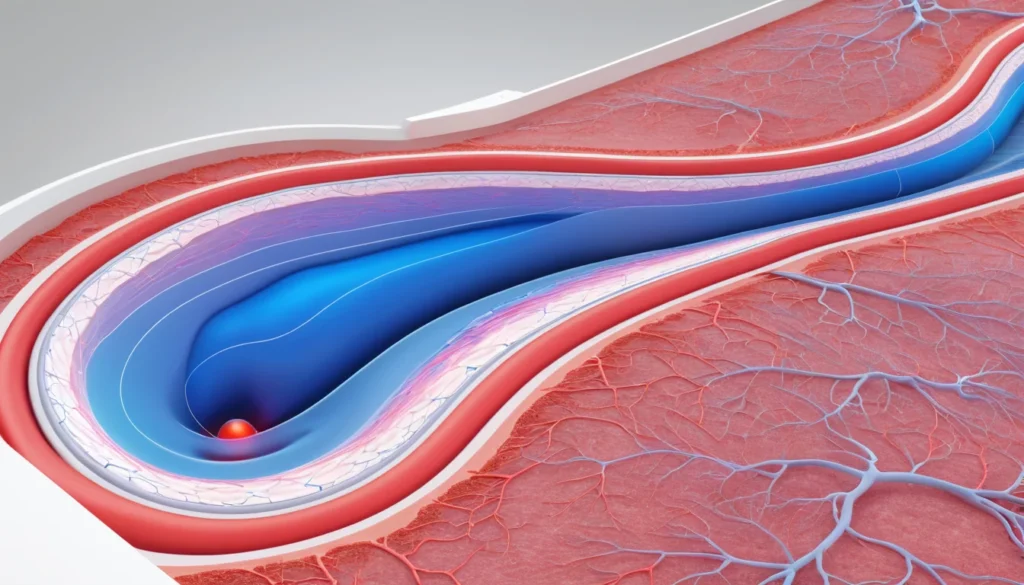
Your artery health plays a central role in keeping your heart, brain, and entire body working properly. Arteries are the blood vessels that carry oxygen-rich blood from your heart to every organ and tissue in your body. When arteries become damaged or blocked, the results can be life-threatening. The good news is that many of the risk factors are within your control.
What Do Your Arteries Actually Do?
Arteries are part of your circulatory system. Their main job is to carry oxygen-rich blood away from your heart and deliver it throughout your body. This keeps your organs and muscles fuelled and functioning.
Most arteries carry oxygenated blood. However, two important exceptions exist. The pulmonary artery carries oxygen-poor blood from the right side of your heart to your lungs, where it picks up fresh oxygen. The umbilical artery carries deoxygenated blood from a developing baby back to the mother during pregnancy.
The Role of Your Coronary Arteries
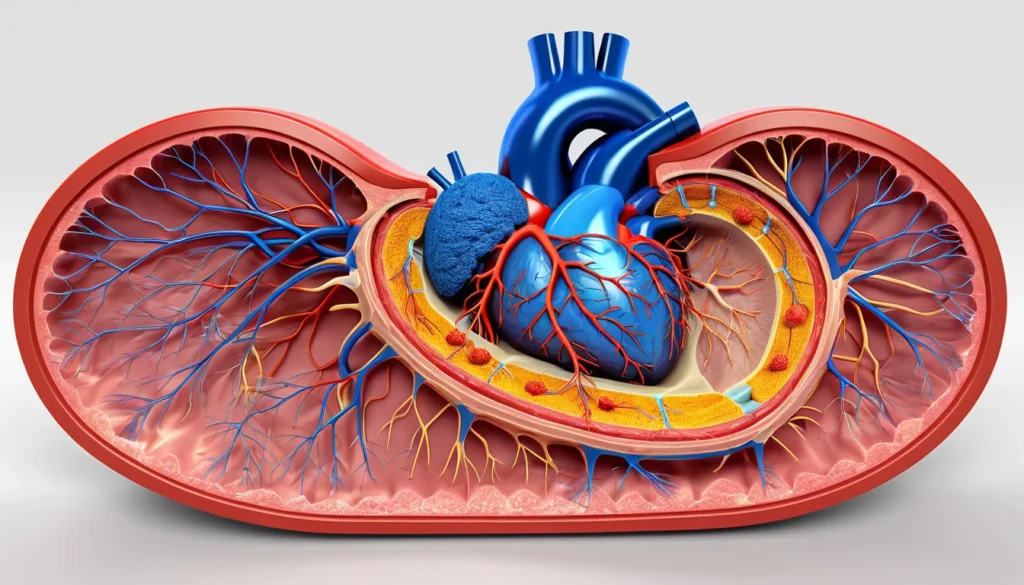
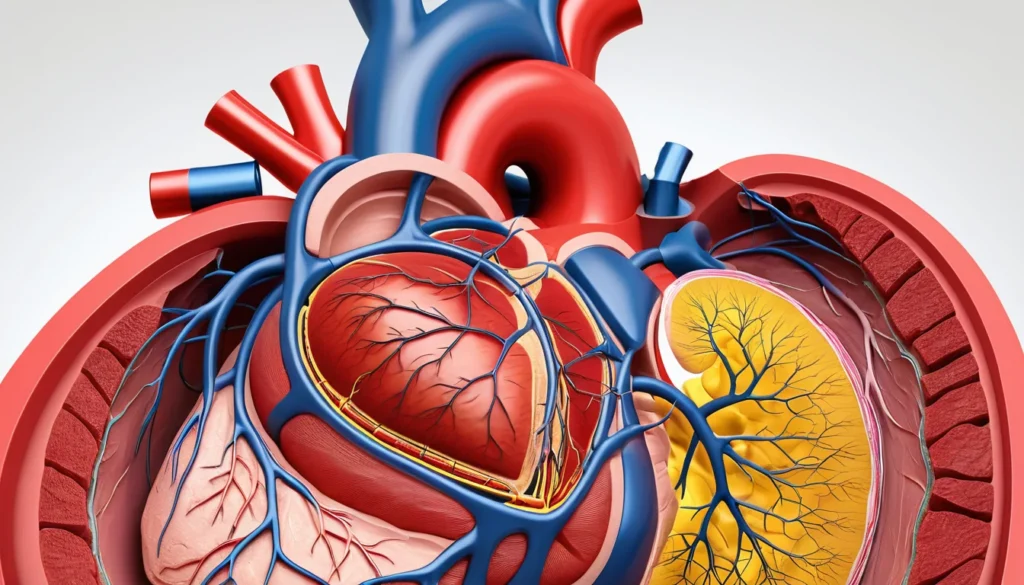
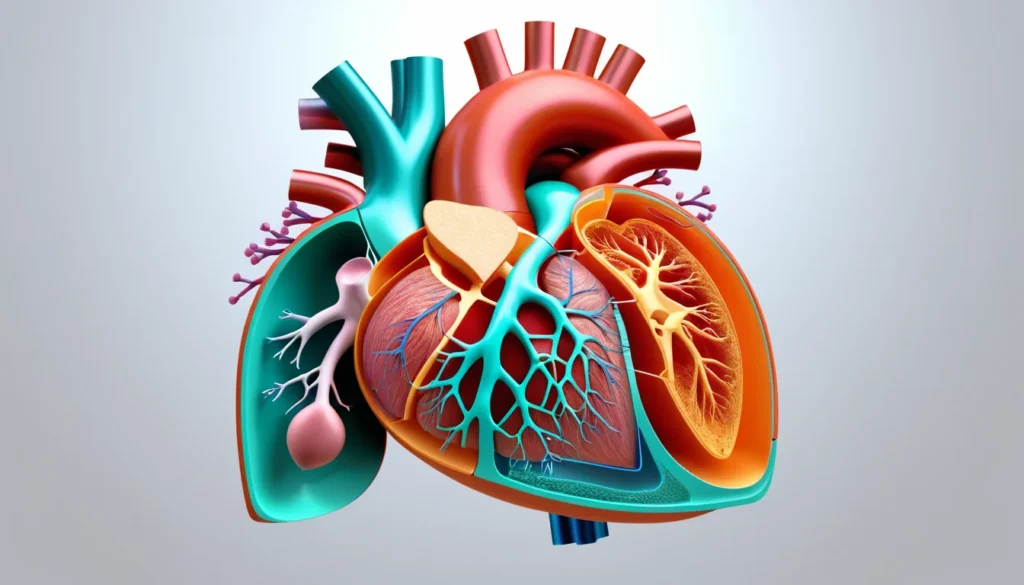
Your coronary arteries are especially important. They supply oxygen-rich blood directly to your heart muscle, giving it the energy it needs to keep beating. Without healthy coronary arteries, your heart cannot do its job.
When the coronary arteries become partially or fully blocked, serious problems follow. A partial blockage can cause angina — chest pain or pressure that happens during physical activity. A complete blockage causes a heart attack. This is why protecting your coronary arteries is one of the most important things you can do for your health.
Understanding Atherosclerosis: The Main Threat to Artery Health
Atherosclerosis is the process where fatty deposits, called plaque, build up inside the walls of your arteries. Over time, this narrows the arteries and restricts blood flow. Think of it like rust slowly building up inside a pipe.
Atherosclerosis does not only affect the coronary arteries. It can also develop in the aorta (the body’s largest artery), the renal arteries that supply your kidneys, the arteries supplying your digestive system, and the arteries in your arms and legs. As a result, poor artery health can affect your whole body, not just your heart.
The good news is that lifestyle changes can slow or even partially reverse this process. Health Canada highlights that healthy habits are the cornerstone of preventing cardiovascular disease.
How Alcohol Affects Your Arteries
Excessive alcohol use is a well-known trigger for arterial disease. Drinking too much on a regular basis damages blood vessel walls, raises blood pressure, and increases your risk of heart attack and stroke.
However, research has also shown that moderate alcohol consumption may have a protective effect on artery health. Health organisations define “moderate” very specifically. For men, that means no more than two standard drinks per day. For women, it means no more than one standard drink per day.
What Counts as One Standard Drink?
In Canada, one standard drink contains about 13.6 grams of pure alcohol. Here are some common examples:
Beer (5% alcohol): 341 mL (about one bottle)
Wine (12% alcohol): 142 mL (a standard glass)
Spirits (40% alcohol): 43 mL (one shot)
One important point: saving up your “allowance” and drinking heavily on weekends does not protect your arteries. In fact, binge drinking — even occasionally — significantly raises your risk of stroke and heart attack. Irregular, heavy drinking is just as harmful as daily excess.
Quitting Smoking Is One of the Best Things You Can Do for Artery Health
Both the Mayo Clinic’s guide to atherosclerosis and the Heart and Stroke Foundation of Canada agree: quitting smoking is one of the single most powerful steps you can take to protect your artery health.
Smoking damages your arteries in several important ways. Understanding these effects can be a strong motivator to quit.
How Smoking Damages Your Blood Vessels
It damages the inner lining of arteries. This creates the ideal conditions for plaque to build up inside vessel walls.
It thickens the blood. Smoking raises levels of fibrinogen and platelets, making your blood more likely to clot. Dangerous clots can block arteries and cause heart attacks or strokes.
It thickens artery walls. Over time, smoking weakens the structure of artery walls. This can lead to aneurysms — dangerous bulges in the wall of a blood vessel that can rupture.
It multiplies risk for people with diabetes. People living with diabetes already face a higher risk of heart disease. Smoking makes that risk significantly worse.
Research shows that quitting smoking cuts your risk of stroke in half and adds years to your life. One in five cardiovascular deaths is directly linked to smoking. Even exposure to second-hand smoke carries serious risks for your artery health.
If you are ready to quit, your family doctor or a walk-in clinic can connect you with free resources. In most provinces, smoking cessation programmes and nicotine replacement therapy are covered through provincial health plans.
Preventing Respiratory Infections to Protect Your Arteries
It may surprise you to learn that respiratory infections can directly affect your artery health. Illnesses like influenza, bronchitis, and pneumonia can actually double the risk of stroke or heart attack in people who already have vulnerable arteries.
Here is why this happens. When your body fights an infection, it triggers widespread inflammation. This inflammation affects your entire circulatory system, including your blood vessels. If plaque already exists inside an artery wall, that inflammation can cause the plaque to rupture. A ruptured plaque leads to a blood clot, which can block blood flow and cause a heart attack or stroke.
How to Reduce This Risk
If you have a heart condition or have had a stroke, minimising your exposure to respiratory infections is especially important. Here are some practical steps:
Get your annual flu shot. In Canada, the seasonal flu vaccine is free for most residents through provincial health programmes. It is one of the most effective ways to reduce your risk.
Eat plenty of fruits and vegetables. A diet rich in fibre and vitamins supports a strong immune system.
Wash your hands regularly, especially during cold and flu season.
Stay away from people who are sick if you are at higher cardiovascular risk.
Talk to your family doctor about your specific risks. Preventing a respiratory infection can, in some cases, prevent a far more serious cardiovascular event.
The Role of Vitamin D and Sunlight in Artery Health
Lack of sun exposure is another factor that can negatively affect your artery health. Sunlight triggers your skin to produce vitamin D, a nutrient that plays a protective role in cardiovascular health.
Research from the United Kingdom — a country known for its cloudy climate — has linked low vitamin D levels to higher rates of stroke and heart attack. Vitamin D deficiency has also been associated with high blood pressure, diabetes, and certain types of cancer. In Canada, many people — especially those living in northern regions — are at risk of low vitamin D levels during the long winter months.
Furthermore, the World Health Organization’s overview of cardiovascular disease highlights the broader impact of lifestyle and environmental factors on heart health.
Getting Enough Vitamin D in Canada
Health Canada recommends that adults over 50 take a daily vitamin D supplement of at least 400 IU. Younger adults may also benefit, particularly during winter. Your family doctor can check your vitamin D levels with a simple blood test and recommend the right dose for you.
Safe sun exposure during warmer months also helps. Aim for short periods in the sun without sunscreen — around 10 to 15 minutes — before applying protection. Balance is key, as too much sun carries its own health risks.
When to See a Doctor About Your Artery Health
Many artery problems develop silently over years, without obvious symptoms. This makes regular check-ups with your family doctor especially important. If you do not have a family doctor, a walk-in clinic can help with initial assessments and referrals.
See a doctor promptly if you experience any of the following:
Chest pain or pressure, especially during physical activity
Shortness of breath that is new or getting worse
Pain, cramping, or numbness in your legs when walking
Sudden weakness, confusion, or trouble speaking (call 911 immediately — these are signs of stroke)
Unexplained fatigue or dizziness
Your doctor can assess your cardiovascular risk using simple tests — including blood pressure, cholesterol, and blood sugar checks — and recommend a plan to protect your arteries. Many provincial health plans cover these routine screenings at no cost to you.
Always speak with a qualified healthcare provider before making significant changes to your diet, exercise routine, or medications. This article is for informational purposes only and does not replace professional medical advice.
Frequently Asked Questions About Artery Health
What are the early warning signs of artery problems?
Early signs of poor artery health can include chest discomfort, leg pain when walking, and unexplained fatigue. Many people have no symptoms at all until a serious event like a heart attack or stroke occurs. Regular check-ups with your family doctor are the best way to catch problems early.
Can you reverse atherosclerosis and improve artery health?
You cannot fully reverse atherosclerosis, but you can slow its progression significantly and improve overall artery health. Quitting smoking, eating a heart-healthy diet, exercising regularly, and managing blood pressure and cholesterol all make a real difference. In some cases, medication prescribed by your doctor can also help stabilise or reduce plaque buildup.
What foods are bad for your arteries?
Foods high in saturated fat, trans fat, added sugars, and excess sodium are the most harmful to artery health. These include processed meats, fried foods, packaged snacks, and sugary drinks. Replacing these with whole grains, vegetables, fruits, and healthy fats like those found in fish and olive oil supports healthier arteries.
How does high blood pressure damage the arteries?
High blood pressure puts constant extra force against artery walls, causing them to stiffen, thicken, and become more vulnerable to plaque buildup. Over time, this damage significantly raises your risk of heart attack and stroke. Keeping your blood pressure in a healthy range is one of the most effective ways to protect your artery health.
Is artery disease covered by provincial health plans in Canada?
Yes, diagnosis and treatment of arterial disease — including heart attacks, stroke, and related conditions — is covered under provincial and territorial health plans across Canada. Routine screenings like blood pressure checks, cholesterol tests, and blood sugar tests are also covered in most provinces. Talk to your family doctor or visit a walk-in clinic to understand what is available to you.
At what age should I start worrying about my artery health?
Atherosclerosis can begin developing as early as your twenties, so artery health is relevant at any age. However, risk increases significantly after age 45 for men and after age 55 for women. Starting healthy habits early — and having regular check-ups with your doctor — gives your arteries the best long-term protection.
Key Takeaways
Arteries carry oxygen-rich blood from your heart to your entire body. Keeping them healthy is essential for your overall wellbeing.
Atherosclerosis — plaque buildup in artery walls — is the main cause of heart attack and stroke. Lifestyle changes can slow this process.
Quitting smoking is the single most impactful step you can take to protect your artery health. Free support is available through most provincial health programmes.
Drink alcohol in moderation if you choose to drink. No more than two standard drinks per day for men and one for women. Binge drinking is harmful, even occasionally.
Prevent respiratory infections through annual flu vaccination and a diet rich in fruits and vegetables, especially if you already have a heart condition.
Maintain healthy vitamin D levels, particularly during Canadian winters. Ask your doctor about testing and supplementation.
See your family doctor regularly for cardiovascular screenings. Early detection saves lives.