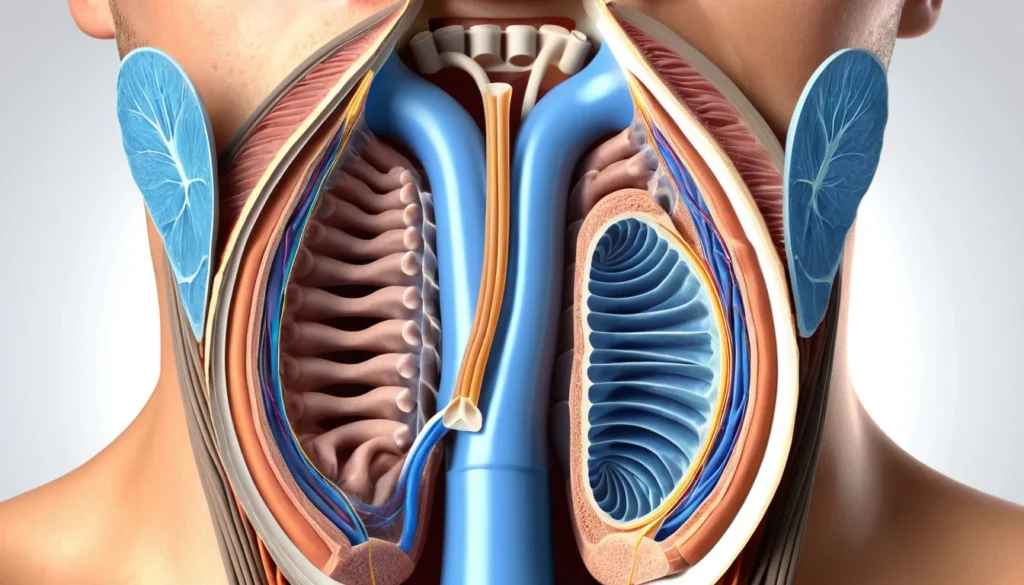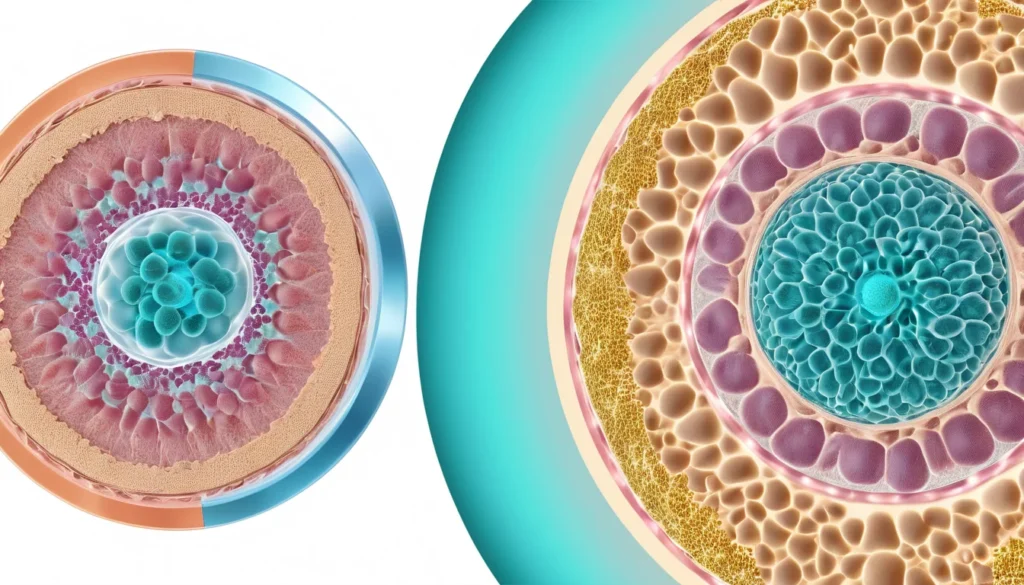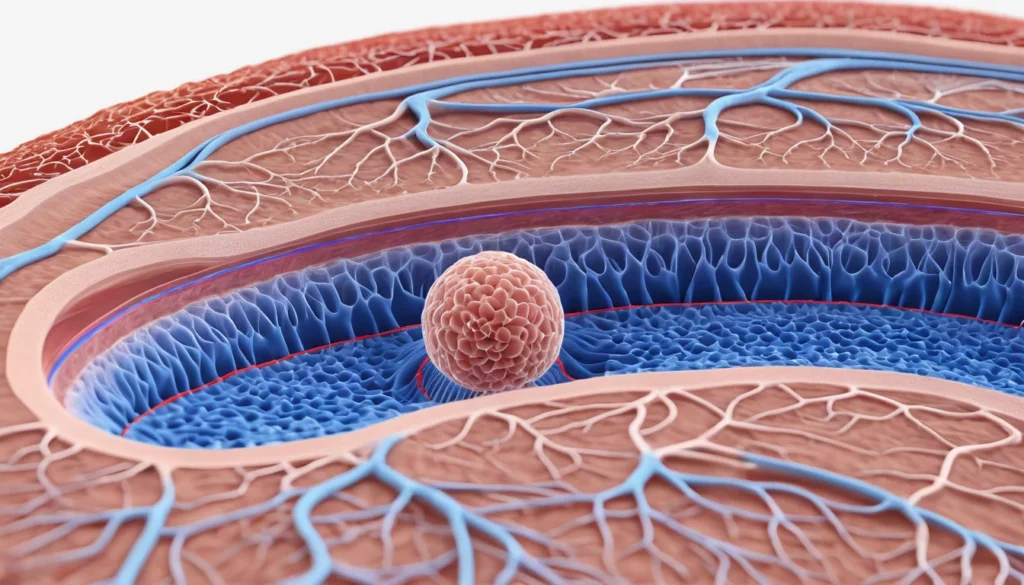
Arterioles are tiny blood vessels that play a huge role in keeping your body healthy. They sit between your larger arteries and the even smaller capillaries, acting like control valves for your blood flow. Understanding how arterioles work can help you make sense of conditions like high blood pressure and heart disease. This article explains what arterioles are, what they do, and why keeping them healthy matters for every Canadian.
What Are Arterioles?
Arterioles are very small blood vessels. They branch off from arteries and lead directly into capillaries, which are the smallest blood vessels in the body.
Think of your circulatory system like a river system. Large arteries are like wide rivers. As those rivers split into smaller and smaller streams, you eventually reach the tiniest trickles — those are your arterioles and capillaries.
Arterioles are so small that you cannot see them without a microscope. However, even though they are tiny, they have a powerful job. They help control how much blood reaches different tissues and organs throughout your body.
How Small Are Arterioles?
Arterioles typically measure between 10 and 100 micrometres in diameter. To put that in perspective, a single human hair is about 70 micrometres wide. So arterioles are roughly the width of a strand of hair — or even narrower.
Despite their small size, arterioles have muscular walls. These walls can squeeze tighter or relax, changing the width of the vessel. This ability is key to how your body manages blood pressure and blood flow.
How Arterioles Control Blood Flow
Arterioles act as the main regulators of blood flow in your body. They do this through a process called vasoconstriction and vasodilation. These are just medical terms for narrowing and widening of the blood vessel.
When an arteriole narrows (vasoconstriction), less blood passes through. When it widens (vasodilation), more blood flows to the area. Your body constantly adjusts arterioles based on what your tissues need at any given moment.
For example, when you exercise, your muscles need more oxygen. As a result, arterioles in your muscles widen to allow more blood — and therefore more oxygen — to reach those muscles. At the same time, arterioles in less active areas may narrow slightly.
What Controls Arteriole Width?
Several factors tell arterioles whether to widen or narrow. These include:
Hormones — such as adrenaline, which narrows arterioles during stress
Nerve signals — your nervous system sends direct commands to arteriole walls
Local chemical signals — tissues release chemicals when they need more blood
Temperature — cold temperatures cause arterioles to narrow, which is why your fingers go pale in the cold
Oxygen and carbon dioxide levels — low oxygen causes arterioles to widen to bring more blood
This constant fine-tuning happens automatically. You do not have to think about it. Your body manages it every second of every day.
Arterioles and Blood Pressure
Arterioles have a direct connection to your blood pressure. In fact, they are one of the most important factors in determining what your blood pressure reading will be.
When arterioles throughout your body narrow, it becomes harder for your heart to push blood through them. This raises your blood pressure. When arterioles relax and widen, blood flows more easily, and pressure drops.
This is why many blood pressure medications work by targeting arterioles. Drugs called vasodilators, for example, help arterioles relax. As a result, blood pressure comes down. Health Canada provides detailed guidance on managing high blood pressure and the medications available to Canadians through provincial health plans.
Arterioles and Hypertension
Hypertension simply means high blood pressure. It is one of the most common health conditions in Canada. Many cases of hypertension involve problems with arteriole function.
When arterioles stay too narrow for too long, blood pressure stays high. Over time, this puts extra strain on the heart and damages blood vessels throughout the body. Furthermore, it raises the risk of heart attack, stroke, and kidney disease.
In some people, the walls of arterioles thicken over time. This is called arteriosclerosis of the small vessels. It makes arterioles less flexible and less able to respond to the body’s signals. Therefore, blood pressure becomes harder to control.
Arterioles and Your Overall Cardiovascular Health
Healthy arterioles are a sign of a healthy cardiovascular system. When arterioles function well, every organ in your body gets the blood it needs — no more, no less.
However, several lifestyle factors can damage arterioles over time. These include smoking, a diet high in salt and saturated fat, physical inactivity, and uncontrolled diabetes. All of these can make arteriole walls stiffer and less responsive.
In addition, chronic stress can keep arterioles in a narrowed state for long periods. This contributes to sustained high blood pressure and increases cardiovascular risk. The Mayo Clinic explains how lifestyle factors affect blood pressure and what you can do to protect your heart health.
The Role of Arterioles in Diabetes
Diabetes can cause serious damage to small blood vessels, including arterioles. This is known as microvascular disease. It affects many Canadians living with both Type 1 and Type 2 diabetes.
High blood sugar damages the walls of arterioles. Over time, this leads to reduced blood flow in areas like the kidneys, eyes, and feet. Therefore, managing blood sugar carefully is essential to protecting your arterioles and preventing long-term complications.
Regular check-ups with your family doctor can help catch early signs of arteriole damage. Your doctor can order simple tests — like a urine test to check for kidney function — that give clues about arteriole health.
How to Keep Your Arterioles Healthy
The good news is that many of the steps you take to protect your heart also protect your arterioles. Small, consistent changes in your daily habits can make a real difference.
Here are some evidence-based steps to support healthy arterioles:
Stay physically active — aim for at least 150 minutes of moderate activity per week, as recommended by Canada’s physical activity guidelines
Eat a heart-healthy diet — focus on vegetables, fruits, whole grains, and fibre, and limit salt and processed foods
Quit smoking — smoking directly damages arteriole walls and raises blood pressure
Limit alcohol — heavy drinking raises blood pressure and stresses the cardiovascular system
Manage stress — regular relaxation, sleep, and social connection all support healthy blood vessel function
Control blood sugar — especially important if you have diabetes or prediabetes
Monitor your blood pressure — many pharmacies and walk-in clinics across Canada offer free blood pressure checks
Furthermore, maintaining a healthy weight reduces strain on your arterioles. Even modest weight loss can improve blood pressure and arteriole flexibility. Healthline offers additional information on blood vessel health and lifestyle changes that can help protect your cardiovascular system.
Diet and Arteriole Health
What you eat directly affects how your arterioles behave. Foods high in sodium cause arterioles to narrow, raising blood pressure. In contrast, foods rich in potassium — like bananas, sweet potatoes, and leafy greens — help arterioles relax.
Eating more fibre is also linked to lower blood pressure and better cardiovascular health overall. The Heart and Stroke Foundation of Canada recommends a diet rich in whole foods and low in ultra-processed items to protect your heart and blood vessels.
When to See a Doctor
Many problems involving arterioles do not cause obvious symptoms until they become serious. This is why regular check-ups with your family doctor are so important.
You should speak with your doctor or visit a walk-in clinic if you notice any of the following:
Consistently high blood pressure readings (above 130/80 mmHg)
Frequent headaches, especially at the back of your head
Blurred vision or sudden changes in your eyesight
Swelling in your legs or feet
Chest pain or shortness of breath
Numbness or coldness in your hands or feet
Difficulty with memory or concentration (which can be linked to reduced blood flow to the brain)
In Canada, your provincial health plan covers most visits related to blood pressure and cardiovascular health. If you do not have a family doctor, walk-in clinics are available in most cities and towns. A nurse practitioner or walk-in physician can check your blood pressure, order basic bloodwork, and refer you to a specialist if needed.
Always consult a qualified healthcare provider before making changes to your medications or treatment plan. This article is for general information only and is not a substitute for professional medical advice.
Frequently Asked Questions About Arterioles
What is the main function of arterioles in the body?
Arterioles regulate blood flow by widening or narrowing to control how much blood reaches different tissues. They act as the primary pressure-control valves of your circulatory system. Because of this, arterioles play a key role in maintaining healthy blood pressure.
What is the difference between arteries and arterioles?
Arteries are large vessels that carry blood away from the heart, while arterioles are much smaller branches that connect arteries to capillaries. Arterioles have muscular walls that can adjust their width, giving them more control over local blood flow. Arteries, by contrast, mainly act as conduits for high-pressure blood from the heart.
Can damaged arterioles cause high blood pressure?
Yes — when arterioles become stiff or narrowed due to damage, they raise resistance to blood flow, which pushes blood pressure up. Conditions like diabetes, smoking, and chronic stress can all damage arterioles over time. Managing these risk factors helps protect arteriole health and keeps blood pressure in a healthy range.
How do arterioles relate to capillaries?
Arterioles feed directly into capillaries, which are the tiniest blood vessels in the body. Capillaries are where oxygen and nutrients actually pass into your tissues. Arterioles control how much blood enters the capillary network, so they directly influence how well your tissues are supplied.
What diseases affect the arterioles?
Several conditions can affect arterioles, including hypertension, diabetes, kidney disease, and autoimmune disorders like lupus. Arteriosclerosis — the stiffening of small vessel walls — is also common with age. Early detection through regular check-ups with your family doctor is the best way to catch arteriole problems before they become serious.
Can lifestyle changes improve arteriole health?
Yes — healthy habits can significantly improve how arterioles function. Regular exercise, a diet rich in fibre and low in salt, quitting smoking, and managing stress all support flexible, responsive arterioles. These changes also lower blood pressure and reduce the risk of heart disease and stroke.
Key Takeaways
Arterioles are tiny blood vessels that connect arteries to capillaries throughout your body.
They regulate blood flow by widening and narrowing in response to hormones, nerve signals, and local tissue needs.
Arterioles are a major factor in controlling blood pressure — when they narrow, pressure rises; when they widen, pressure falls.
Damage to arterioles is linked to hypertension, diabetes complications, kidney disease, and cardiovascular disease.
Healthy habits — including regular exercise, a fibre-rich diet, not smoking, and managing stress — protect arteriole health.
Regular check-ups with your family doctor or a visit to a walk-in clinic can catch early signs of arteriole damage.
If you notice signs of high blood pressure or poor circulation, speak with a healthcare provider. Most provincial health plans in Canada cover these visits.