The arteries in the body are the essential blood vessels that carry oxygen-rich blood from your heart to every organ and tissue, forming a branching network that reaches from your chest all the way to your fingertips and toes. Understanding how your arterial system works can help you make better choices for your cardiovascular health and catch warning signs early before they become serious.
Understanding the Major Arteries in the Body and Their Functions
For Canadians, knowing about the major arteries in the human body is an important step toward preventing heart disease — the second leading cause of death in Canada. This guide explains what arteries are, how they function, the most important arteries you should know about, and when to talk to your family doctor or visit a walk-in clinic about artery-related concerns.
What Are Arteries and How Do They Work?
Major Types of Arteries in the Body and Their Characteristics
| Type of Artery | Characteristics | Key Examples | Management & Health Tips |
|---|---|---|---|
| Elastic (Conducting) Arteries | Large, thick-walled vessels closest to the heart; contain high levels of elastin to withstand high pressure blood flow | Aorta, pulmonary artery, common carotid artery | Regular blood pressure monitoring; limit sodium intake to under 2,300 mg/day as recommended by Health Canada |
| Muscular (Distributing) Arteries | Medium-sized arteries with thick smooth muscle layers; regulate blood flow to specific organs and tissues | Femoral artery, brachial artery, coronary arteries | Regular cardiovascular exercise (150 minutes/week per Canadian Physical Activity Guidelines); avoid smoking |
| Arterioles | Smallest arterial vessels; primary regulators of blood pressure and blood flow distribution throughout the body | Arterioles supplying kidneys, skin, and intestines | Maintain healthy weight; manage stress; follow a heart-healthy diet rich in fibre and unsaturated fats |
| Coronary Arteries | Specialized arteries supplying oxygen-rich blood directly to the heart muscle; highly susceptible to atherosclerosis | Left anterior descending (LAD), right coronary artery (RCA), circumflex artery | Cholesterol screening every 1–3 years for adults over 40 (Canadian Cardiovascular Society); statin therapy if indicated |
| Cerebral Arteries | Supply blood to brain tissue; blockage or rupture can result in stroke, a leading cause of disability in Canada | Middle cerebral artery, anterior cerebral artery, basilar artery | Control blood pressure and blood sugar; recognize FAST stroke symptoms (Face, Arms, Speech, Time) and call 9-1-1 |
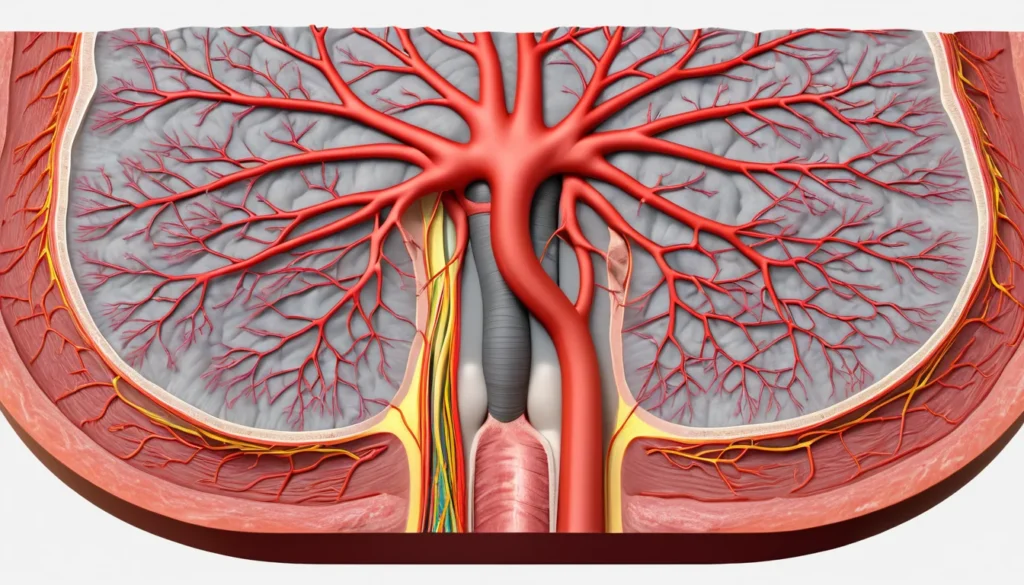
Arteries are flexible, thick-walled tubes that transport blood away from the heart. As they move further from the heart, they branch into smaller and smaller vessels. This branching structure allows blood to reach even the most distant parts of your body.
Most arteries carry bright red, oxygen-rich blood. However, there is one important exception. The pulmonary arteries carry dark, carbon dioxide-rich blood from the heart to the lungs, where it picks up fresh oxygen.
Arteries can be damaged in several ways. A traumatic injury — like a deep cut — can cause serious, rapid bleeding. Degenerative and inflammatory conditions like atherosclerosis (plaque build-up inside artery walls) and arteritis (inflammation of the arteries) are also common. Any arterial wound needs immediate pressure and urgent medical attention to prevent dangerous blood loss.
For more information on blood vessel health, visit Health Canada’s official health resources.
The Structure of Artery Walls
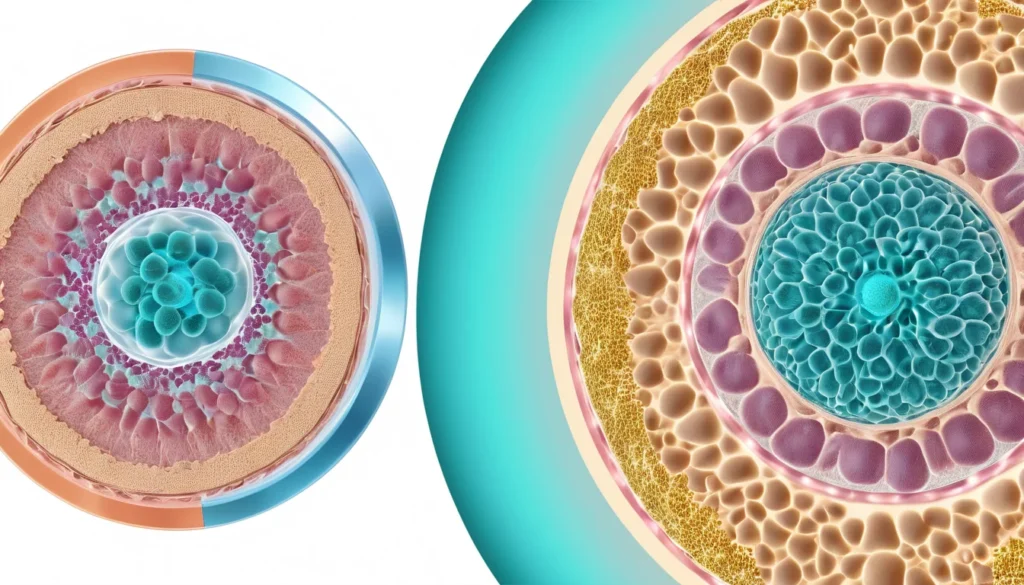
Every artery wall is made up of three layers. Together, these layers give arteries both strength and flexibility.
Tunica intima — the smooth inner lining that allows blood to flow easily
Tunica media — the thick middle layer made of muscle and elastic fibres
Tunica adventitia — the tough outer layer made of connective tissue
The elastic fibres in artery walls allow the vessel to expand when the heart pumps blood. They also spring back to prevent over-stretching. This is why you can feel your pulse — it is your arteries expanding and contracting with each heartbeat.
The Major Arteries in the Human Body
There are several key arteries that your body relies on every second of every day. Each one serves a specific region or set of organs. Here is a look at the most important ones.
The Aorta — Your Body’s Largest Artery
The aorta is the largest artery in the body. It begins at the left ventricle of the heart and arches upward before descending through the chest and abdomen. The aorta has three main sections:
Ascending aorta — rises from the heart and gives rise to the coronary arteries
Aortic arch — curves over the heart and branches into vessels supplying the head, neck, and arms
Descending aorta — travels down through the chest (thoracic region) and abdomen before splitting into the iliac arteries
In the abdominal region, the aorta gives rise to many vital branches. These include the celiac trunk (supplying the stomach, liver, and spleen), the mesenteric arteries (supplying the intestines), the renal arteries (supplying the kidneys), and the iliac arteries (supplying the pelvis and legs).
According to the Mayo Clinic’s guide to aortic conditions, problems with the aorta — such as an aortic aneurysm — can be life-threatening and often have no symptoms until they become serious.
The Brachiocephalic Artery
The brachiocephalic artery branches directly off the aortic arch. It is a short but important vessel. It quickly divides into two branches:
The right common carotid artery — supplying the right side of the head and neck
The right subclavian artery — supplying the right arm and shoulder
In addition to these two branches, the aortic arch also gives rise directly to the left common carotid artery and the left subclavian artery on the other side of the body.
The Carotid Arteries
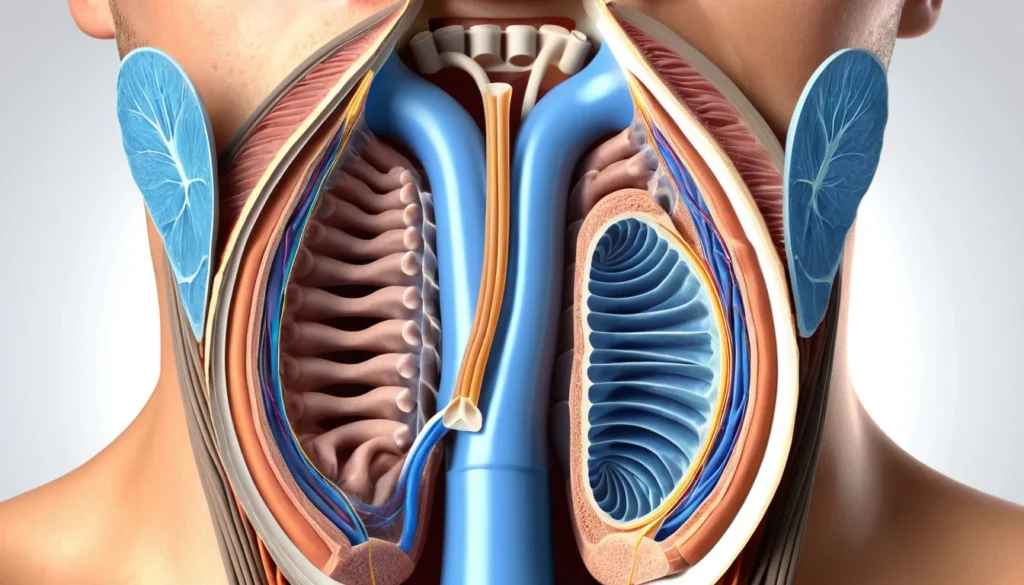
The carotid arteries are a pair of major arteries that supply blood to the head and neck. The right common carotid artery comes from the brachiocephalic artery. The left common carotid artery branches directly from the aortic arch.
Near the thyroid gland, each carotid artery divides into two branches:
Internal carotid artery — carries oxygen-rich blood to the brain and eyes
External carotid artery — supplies blood to the neck glands, tongue, face, mouth, ears, scalp, and the outer covering of the brain (dura mater)
The carotid arteries are a common site for atherosclerosis. Plaque build-up here can raise the risk of stroke. Therefore, keeping your blood pressure and cholesterol in a healthy range is very important for carotid artery health.
The Coronary Arteries
The coronary arteries are the first vessels to branch off the ascending aorta. They sit on the surface of the heart and supply the heart muscle itself with oxygen and nutrients. Without them, the heart cannot function.
There are two main coronary arteries:
Right coronary artery — supplies the right ventricle and right atrium walls
Left coronary artery — divides into two branches:
The left anterior descending artery — supplies the front of the heart
- The circumflex artery — wraps around the left side of the heart
When a coronary artery becomes blocked, the result is a heart attack. Heart disease remains one of the leading causes of death in Canada. Knowing your risk factors — such as high blood pressure, high cholesterol, smoking, and diabetes — is the first step toward prevention.
The Pulmonary Artery
The pulmonary artery works differently from all other arteries. It carries carbon dioxide-rich blood — not oxygen-rich blood — away from the right ventricle toward the lungs. Once in the lungs, this blood releases carbon dioxide and picks up fresh oxygen.
The main pulmonary artery splits into the right and left pulmonary arteries. Each branch supplies one lung. After the blood is re-oxygenated, it returns to the heart through the pulmonary veins, ready to be pumped back out to the body through the aorta.
Furthermore, conditions like pulmonary hypertension — high blood pressure in the pulmonary arteries — can put serious strain on the right side of the heart. This condition requires specialist care, which Canadians can access through referrals from their family doctors.
The Subclavian Arteries
The subclavian arteries run beneath the collarbones and supply oxygen-rich blood to the arms, shoulders, and part of the brain. The right subclavian artery comes from the brachiocephalic artery. The left subclavian artery branches directly from the aortic arch.
As a result of their location, these arteries also contribute to blood flow in the neck and upper back. They continue into the arms as the axillary and brachial arteries.
The Iliac Arteries — Supplying the Lower Body
At the bottom of the abdomen, the aorta divides into the two common iliac arteries. Each common iliac artery then splits into two branches:
Internal iliac artery (also called the hypogastric artery) — supplies blood to the pelvis and pelvic organs
External iliac artery — continues downward to become the femoral artery, which supplies the legs and feet
In addition, the ovarian arteries (in females) and testicular arteries (in males) branch from the abdominal aorta to supply the reproductive organs. Poor circulation in the iliac or femoral arteries can cause leg pain during walking — a condition known as peripheral artery disease.
For a deeper look at how the circulatory system works as a whole, the Healthline guide to the circulatory system offers clear, reliable information.
Common Artery Problems to Know About
Arteries can develop problems over time, especially with age, poor diet, smoking, or lack of physical activity. Here are the most common conditions affecting arteries in Canada:
Atherosclerosis — plaque (made of fat, cholesterol, and calcium) builds up inside artery walls, narrowing them and restricting blood flow
Hypertension (high blood pressure) — puts extra stress on artery walls, causing them to stiffen and thicken over time
Arteritis — inflammation of the artery walls, which can reduce blood flow to vital organs
Aneurysm — a bulge or weak spot in an artery wall that can rupture if left untreated
Peripheral artery disease — narrowed arteries in the legs reduce blood flow, causing pain and cramping
However, many of these conditions can be managed or even prevented with healthy lifestyle choices and regular medical check-ups. Provincial health plans across Canada cover many of the screening tests used to detect artery disease early.
When to See a Doctor About Your Arteries
Many artery problems develop slowly and silently. That is why regular check-ups with your family doctor are so important. Your doctor can check your blood pressure, cholesterol levels, and other risk factors as part of a routine visit.
You should contact your family doctor or visit a walk-in clinic if you notice any of the following:
Chest pain or tightness, especially during physical activity
Sudden numbness or weakness in your face, arm, or leg
Unexplained leg pain or cramping when walking
Shortness of breath that is new or getting worse
A pulsing sensation or lump in your abdomen
Sudden, severe headache with no clear cause
Call 911 immediately if you think you or someone else is having a heart attack or stroke. These are medical emergencies. Do not drive to the hospital — call for an ambulance.
As always, this article is for general information only. Please speak with a qualified healthcare provider before making any decisions about your health or treatment.
Frequently Asked Questions About Arteries
What is the difference between arteries and veins?
Arteries carry blood away from the heart, while veins carry blood back toward the heart. Most arteries carry oxygen-rich blood, but the pulmonary arteries are an exception — they carry carbon dioxide-rich blood to the lungs. Veins generally have thinner walls and carry blood at lower pressure than arteries.
What is the largest artery in the human body?
The aorta is the largest artery in the body. It begins at the left ventricle of the heart and carries oxygenated blood to the rest of the body through its many branches. The aorta is roughly 2 to 3 centimetres wide in a healthy adult.
How can I keep my arteries healthy?
Keeping your arteries healthy involves eating a balanced diet low in saturated fats, staying physically active, not smoking, and managing your blood pressure and cholesterol. Regular check-ups with your family doctor are also key to catching artery problems early. Provincial health plans in Canada cover many of the routine tests that screen for cardiovascular risk.
What are the warning signs of blocked arteries?
Blocked arteries can cause chest pain, shortness of breath, leg pain when walking, or sudden numbness in the face or limbs. However, many people have no symptoms at all until a heart attack or stroke occurs. That is why regular health screenings are so important for detecting arterial disease early.
What do the carotid arteries supply?
The carotid arteries supply oxygen-rich blood to the head and neck, including the brain, eyes, face, and scalp. There are two common carotid arteries — one on each side of the neck. Blockages in the carotid arteries are a major cause of stroke in Canada.
What is atherosclerosis and how does it affect the arteries?
According to Mayo Clinic’s guide to atherosclerosis and artery disease, this information is supported by current medical research.
For more information, read our guide on what your LDL cholesterol numbers mean for artery health.
Atherosclerosis is a condition where plaque — made of fat, cholesterol, and calcium — builds up inside artery walls, making them narrower and less flexible. This reduces blood flow and can lead to heart attack or stroke if an artery becomes fully blocked. Lifestyle changes and medications prescribed by your doctor can help slow or manage this condition.
Key Takeaways
Arteries are blood vessels that carry blood from the heart to the rest of the body. Most arteries carry oxygen-rich blood; the pulmonary arteries are the exception, carrying carbon dioxide-rich blood to the lungs. The aorta is the body’s largest artery and the starting point for the entire arter
Frequently Asked Questions
What are arteries in the body and what do they do?
Arteries in the body are muscular blood vessels that carry oxygen-rich blood away from the heart to tissues and organs. The aorta is the largest artery. They have thick, elastic walls to withstand high pressure from each heartbeat, keeping blood flowing efficiently throughout your entire body.
What are the warning signs of blocked arteries in the body?
Warning signs of blocked arteries include chest pain or tightness, shortness of breath, leg pain or cramping during walking, numbness or weakness in limbs, and fatigue. In some cases, blocked arteries cause no symptoms until a serious event like a heart attack or stroke occurs.
How can Canadians prevent artery disease naturally?
Preventing artery disease involves eating a heart-healthy diet low in saturated fats, exercising at least 150 minutes weekly, quitting smoking, managing blood pressure and cholesterol, and maintaining a healthy weight. Regular checkups with your family doctor are essential, especially if you have a family history of cardiovascular disease.
What treatments are available for narrowed or damaged arteries?
Treatments for narrowed arteries include lifestyle changes, medications like statins or blood thinners, angioplasty with stenting to open blockages, or bypass surgery for severe cases. Your doctor will recommend the appropriate treatment based on the location and severity of arterial damage, your overall health, and existing risk factors.
When should I see a doctor about artery health concerns?
See a doctor immediately if you experience sudden chest pain, difficulty breathing, numbness, or signs of stroke like facial drooping or slurred speech. Schedule a routine appointment if you have risk factors like high blood pressure, diabetes, high cholesterol, or a family history of heart disease or stroke.