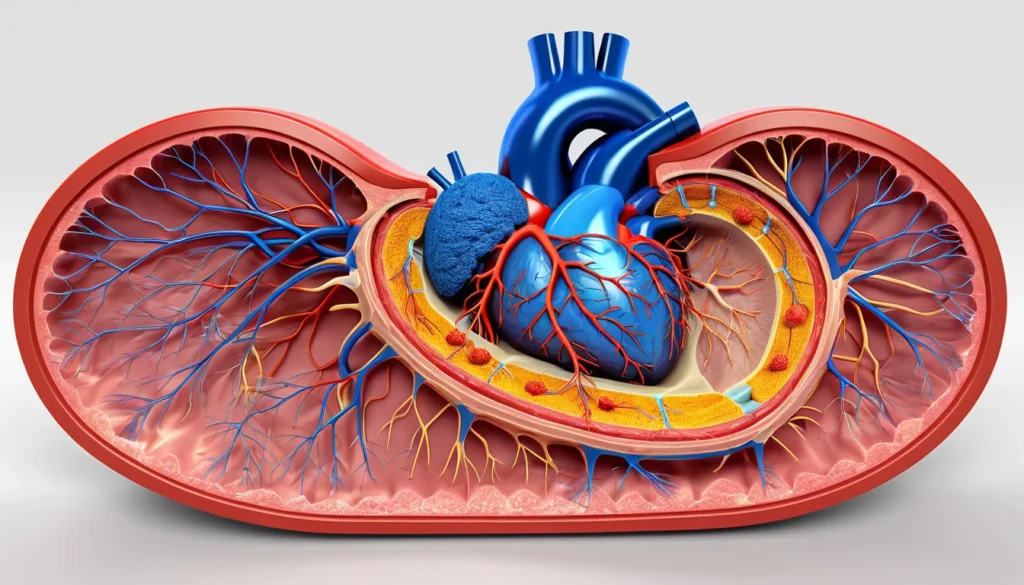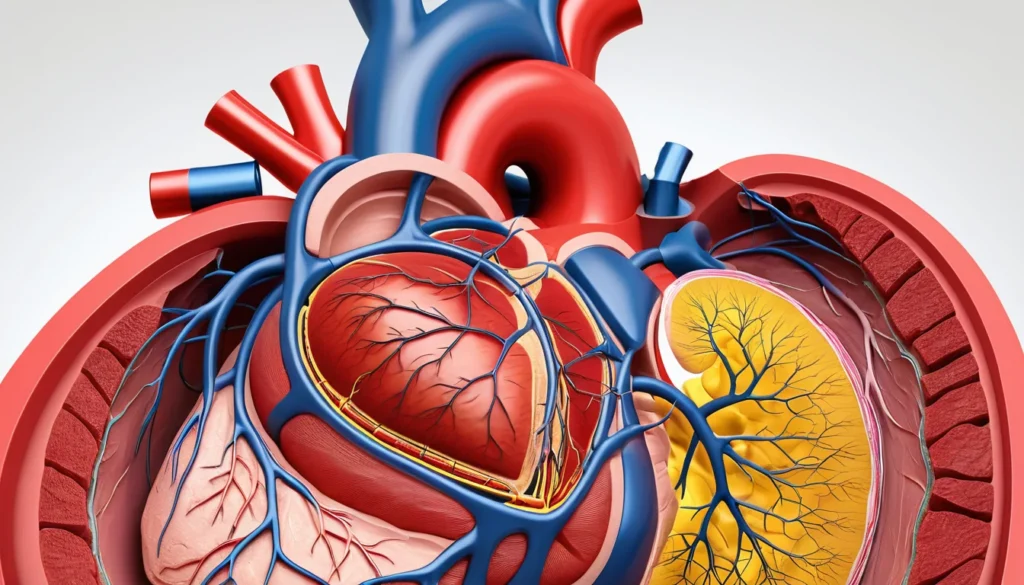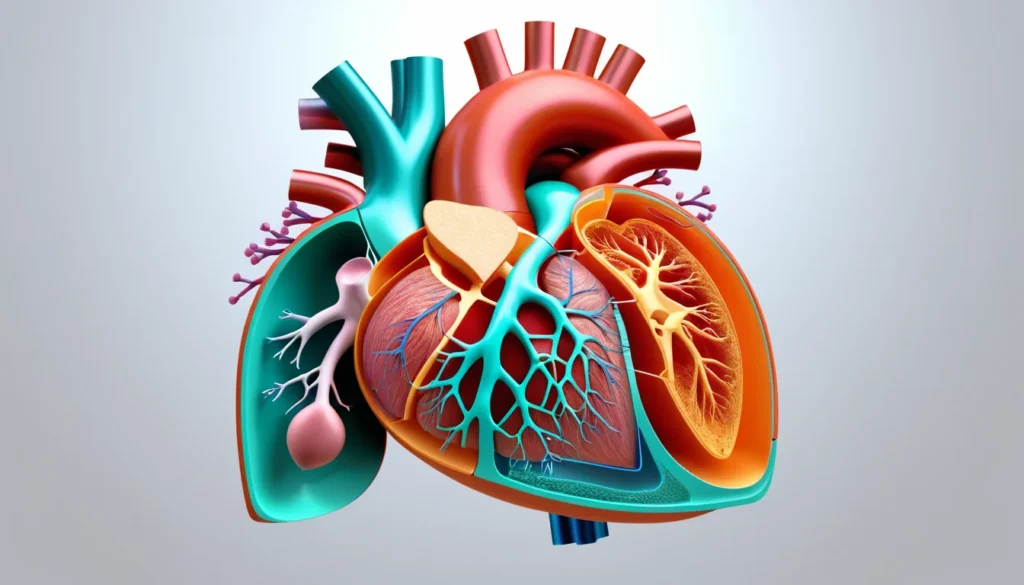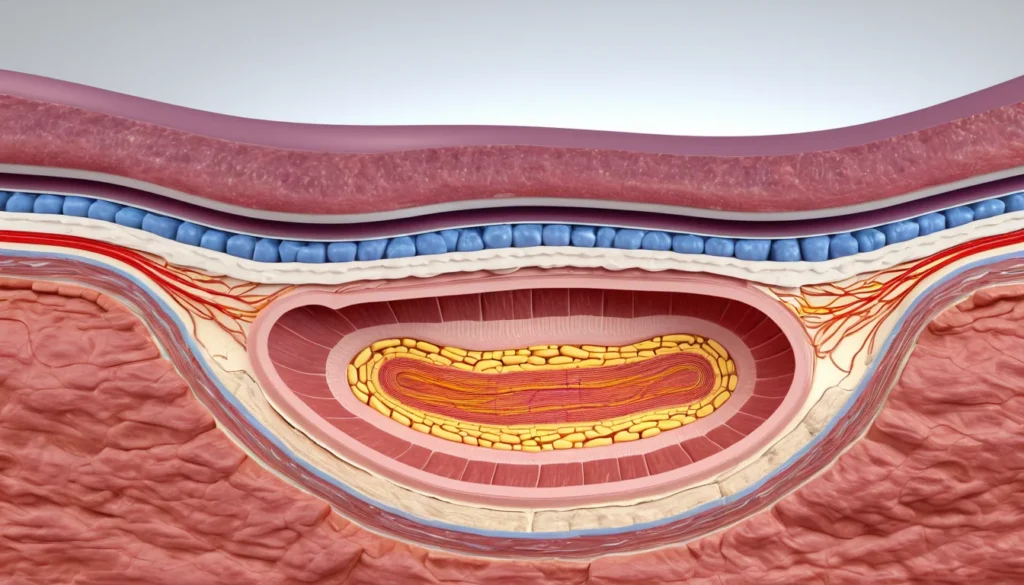
Arterial stiffness — also called atherosclerosis or hardening of the arteries — is a serious condition that affects the health of your heart and blood vessels. It happens when cholesterol and other substances build up inside your arteries, forming deposits that harden over time. As a result, your arteries become narrower and less flexible, making it harder for blood to flow through them. Left untreated, arterial stiffness can lead to life-threatening conditions like heart attack and stroke.
What Is Arterial Stiffness?
Your arteries are blood vessels that carry oxygen-rich blood from your heart to the rest of your body. When you have arterial stiffness, fatty deposits — called plaque — build up along the inner walls of these vessels. Over time, this plaque turns into fibrous tissue and hardens through a process called calcification.
As plaque builds up, it narrows the opening inside the artery (called the lumen). This reduces the supply of blood and oxygen to the organs and tissues the artery serves. In severe cases, the artery can become completely blocked.
According to Health Canada, cardiovascular disease remains one of the leading causes of death and disability for Canadians. Understanding arterial stiffness is an important step in protecting your heart health.
What Causes Arterial Stiffness?
Plaque builds up gradually over many years. This slow process makes the arteries both narrower and less flexible, which reduces healthy blood flow. However, several factors can speed up this process and raise your risk.
Lifestyle Risk Factors
High cholesterol levels in the blood
Smoking
Drinking too much alcohol
Not getting enough physical activity
Being overweight or obese
An unhealthy diet high in saturated fats
Medical and Genetic Risk Factors
Diabetes
High blood pressure (hypertension)
A family history of hardening of the arteries
Older age — arterial stiffness naturally increases as we age
Arterial stiffness often goes hand in hand with getting older. However, high cholesterol and other unhealthy habits can cause it to develop much earlier in life. Therefore, it is never too early to start protecting your arteries.
How Arterial Stiffness Can Harm Your Body
When plaque narrows or blocks an artery, the tissues that rely on that artery are starved of blood and oxygen. This can cause lasting damage or even tissue death. Furthermore, arterial stiffness can lead to several serious complications.
Blood Clots
Narrowed arteries are prone to forming blood clots. A clot can block blood flow completely. Pieces of plaque can also break off and travel through the bloodstream, blocking smaller vessels farther along.
Heart Attack and Stroke
If a coronary artery (which supplies blood to the heart) becomes blocked, a heart attack can occur. If an artery supplying blood to the brain is affected, a stroke can result. In some cases, sudden cardiac death may be the first sign of serious heart disease.
Pulmonary Embolism
A blood clot that travels to an artery in the lungs can cause a pulmonary embolism. This is a medical emergency that requires immediate care.
Aneurysm
In some cases, plaque buildup weakens the wall of an artery. This can cause the wall to bulge outward, forming what is called an aneurysm. An aneurysm can rupture and cause life-threatening internal bleeding.
Recognising the Symptoms of Arterial Stiffness
Arterial stiffness often causes no symptoms in its early stages. Many people do not know they have it until a serious problem occurs. However, as the arteries become more severely narrowed, symptoms begin to appear. These symptoms depend on which arteries are affected.
Heart Symptoms
If the coronary arteries that supply your heart are narrowed, you may experience chest pain or tightness (called angina), shortness of breath, anxiety, and sweating. Angina typically appears during physical activity and eases with rest. If chest pain occurs at rest, this may signal unstable plaque and a higher risk of heart attack — seek emergency care right away.
Brain Symptoms
When the carotid or vertebral arteries that supply blood to the brain are affected, you may notice numbness, weakness, trouble speaking or swallowing, sudden vision loss, or paralysis on one side of the body. These are warning signs of a possible stroke and require immediate medical attention.
Leg Symptoms
If the arteries supplying your legs are narrowed, you may develop severe leg pain during walking. This pain usually goes away when you stop and rest — a condition known as intermittent claudication. In more advanced cases, pain may occur even at rest or during the night. If skin breakdown and open wounds develop, serious infection can follow. In severe cases, amputation may be necessary.
Treatment and Prevention of Arterial Stiffness
The good news is that many of the risk factors for arterial stiffness are within your control. Lifestyle changes can slow or even help prevent the progression of this condition. In addition, your doctor may recommend medications to lower your risk further.
Healthy Lifestyle Changes
Eat a heart-healthy diet. Choose foods low in saturated fat and cholesterol. Eat plenty of fruits, vegetables, and fibre-rich whole grains. Add fish to your meals at least twice a week — but avoid fried fish.
Limit alcohol. Women should have no more than one drink per day. Men should limit themselves to two drinks per day.
Get regular exercise. Aim for at least 30 minutes of moderate activity each day. If you are overweight, aim for 60 to 90 minutes daily.
Quit smoking. This is likely the single most important change you can make to protect your heart and lower your stroke risk.
Manage your weight. Reaching and maintaining a healthy weight reduces the strain on your cardiovascular system.
Blood Pressure Monitoring
Check your blood pressure every one to two years if you are under 50. After age 50, check it every year. If you have high blood pressure, heart disease, diabetes, or kidney disease, monitor it more frequently.
Most adults should aim to keep their blood pressure below 140/90 mmHg. If you have diabetes, kidney disease, or a history of heart attack or stroke, your doctor may recommend a lower target of 130/80 mmHg.
Medications Your Doctor May Recommend
Your doctor may suggest taking low-dose aspirin or clopidogrel to help prevent blood clots from forming inside your arteries. These are called antiplatelet medications. Always take medications as prescribed and do not start or stop them without speaking to a healthcare provider first.
The Mayo Clinic’s overview of atherosclerosis provides additional detail on how these medications work and when they may be appropriate.
Managing Underlying Conditions
If you have diabetes, keeping your blood sugar under control is essential. Check your blood glucose daily and keep a record of your results to share with your doctor. Treating high cholesterol and managing high blood pressure are also key parts of preventing arterial stiffness from getting worse.
For more information on heart disease risk factors, visit the World Health Organization’s cardiovascular disease fact sheet.
Possible Complications of Arterial Stiffness
Without treatment, arterial stiffness can lead to a range of serious health problems. These complications can affect many parts of the body, not just the heart.
Heart disease (coronary artery disease)
Stroke
Peripheral artery disease (affecting the legs and feet)
Abdominal aortic aneurysm
Kidney disease
Renal artery stenosis (narrowing of the kidney arteries)
Mesenteric artery ischaemia (reduced blood flow to the intestines)
When to See a Doctor
If you have any risk factors for arterial stiffness — such as high cholesterol, high blood pressure, diabetes, or a family history of heart disease — speak with your family doctor as soon as possible. Regular check-ups are the best way to catch problems early before they become serious.
If you do not have a family doctor, a walk-in clinic is a great option for getting your blood pressure and cholesterol checked. Most provincial health plans in Canada cover these routine screenings, so there should be no cost to you.
Call 9-1-1 or go to your nearest emergency room right away if you experience sudden chest pain, difficulty breathing, weakness or numbness on one side of your body, or sudden trouble speaking. These may be signs of a heart attack or stroke and require immediate care.
Frequently Asked Questions About Arterial Stiffness
What is arterial stiffness and is it serious?
Arterial stiffness is a condition where the walls of your arteries become harder and narrower due to plaque buildup. It is a serious condition because it can reduce blood flow to vital organs. Without treatment, it can lead to heart attack, stroke, or other life-threatening complications.
Can arterial stiffness be reversed?
While existing plaque cannot always be fully removed, arterial stiffness can be slowed and its effects reduced with the right lifestyle changes and medication. Quitting smoking, eating a heart-healthy diet, exercising regularly, and managing cholesterol and blood pressure all help. Talk to your doctor about the best treatment plan for your situation.
What are the warning signs of hardening of the arteries?
Arterial stiffness often has no symptoms in the early stages. As the condition progresses, warning signs may include chest pain or tightness, shortness of breath, leg pain during walking, and numbness or weakness in the face, arm, or leg. If you notice any of these symptoms, see a doctor promptly.
What foods cause arterial stiffness?
Foods high in saturated fat, trans fat, and cholesterol can contribute to plaque buildup and arterial stiffness. These include fried foods, processed meats, full-fat dairy products, and packaged baked goods. Replacing these with fruits, vegetables, whole grains, and healthy fats can help protect your arteries.
Does arterial stiffness increase with age?
Yes, arterial stiffness naturally increases as we get older, which is why cardiovascular risk tends to rise with age. However, unhealthy habits like smoking, poor diet, and lack of exercise can cause this process to happen much earlier in life. The good news is that healthy lifestyle choices can significantly slow this process at any age.
How is arterial stiffness diagnosed in Canada?
Your family doctor or a specialist can assess your risk for arterial stiffness through blood pressure measurements, cholesterol blood tests, and other cardiovascular screening tools. Imaging tests such as ultrasound or CT scans may also be used in some cases. Most of these tests are covered under provincial health plans — speak with your doctor or visit a walk-in clinic to get started.
Key Takeaways
Arterial stiffness happens when plaque builds up inside the arteries, making them narrower and harder.
It can lead to serious complications including heart attack, stroke, aneurysm, and kidney disease.
Risk factors include high cholesterol, high blood pressure, diabetes, smoking, inactivity, and family history.
Many cases have no symptoms until a major event occurs — regular check-ups are essential.
Lifestyle changes like quitting smoking, eating well, and exercising can slow or help prevent arterial stiffness.
Your doctor may prescribe medications such as antiplatelet drugs to reduce your risk of blood clots.
Canadians can access blood pressure and cholesterol screenings through their family doctor or a walk-in clinic, often at no cost under their provincial health plan.
Always speak with a qualified healthcare provider before making changes to your diet, exercise routine, or medications.