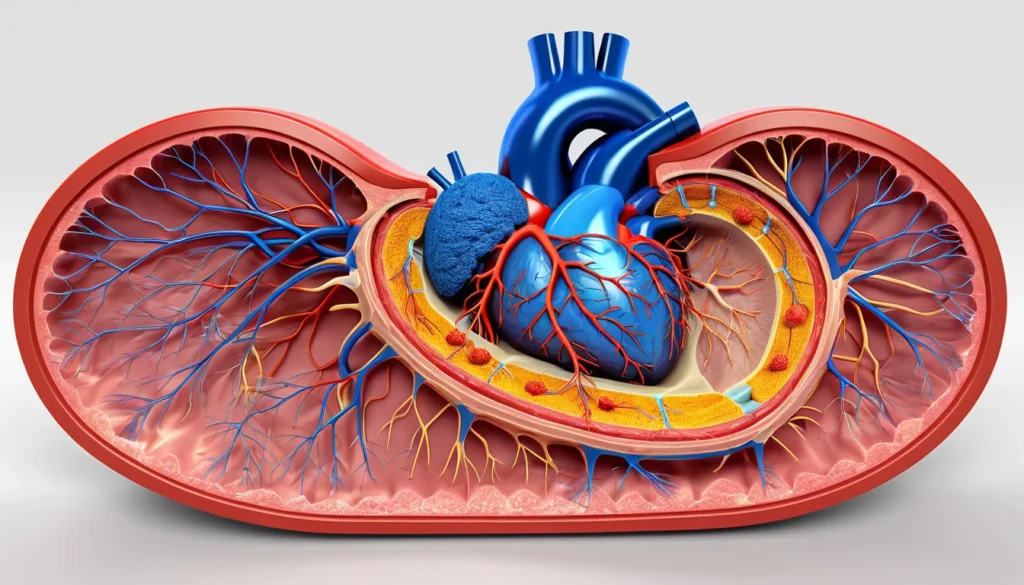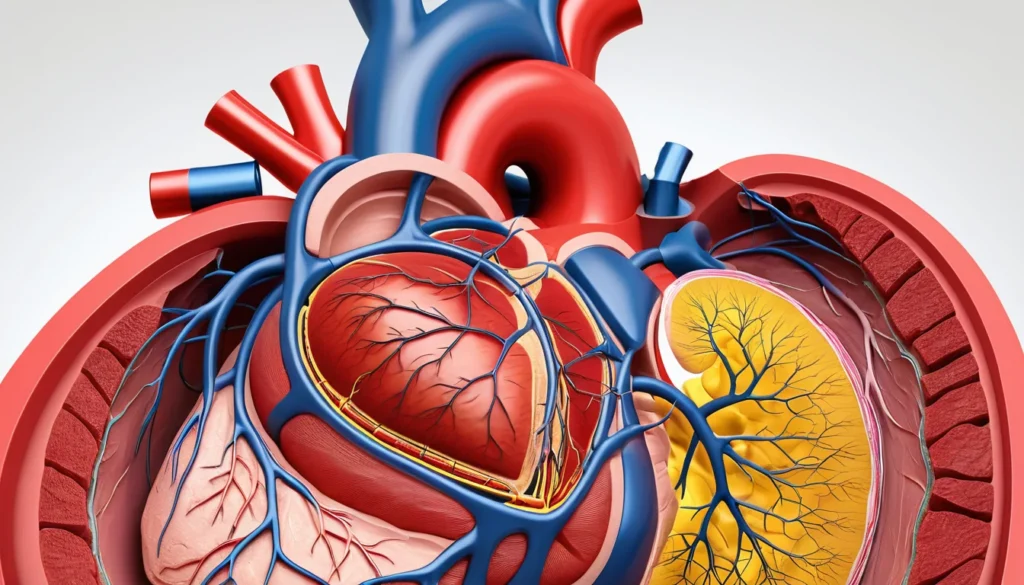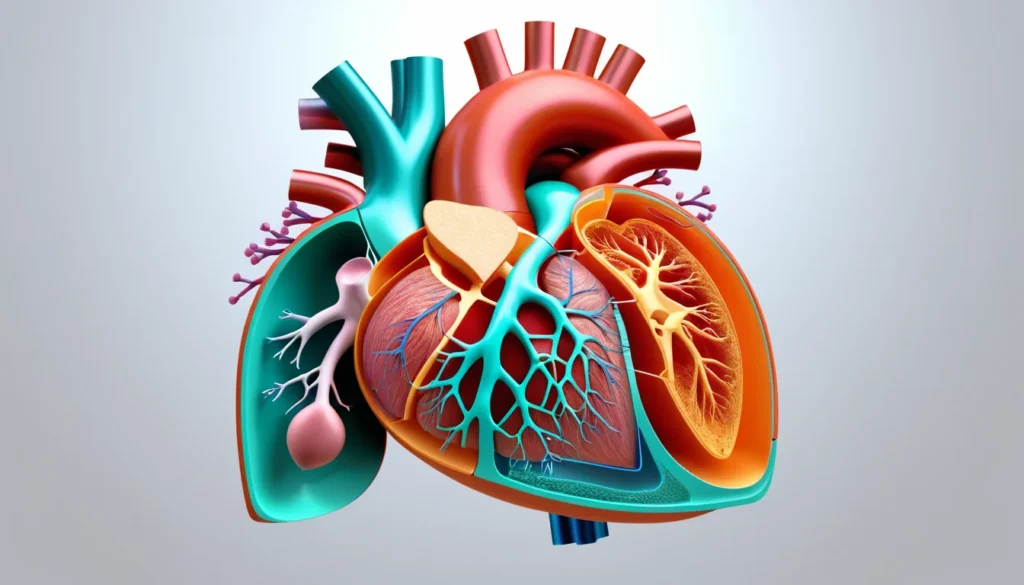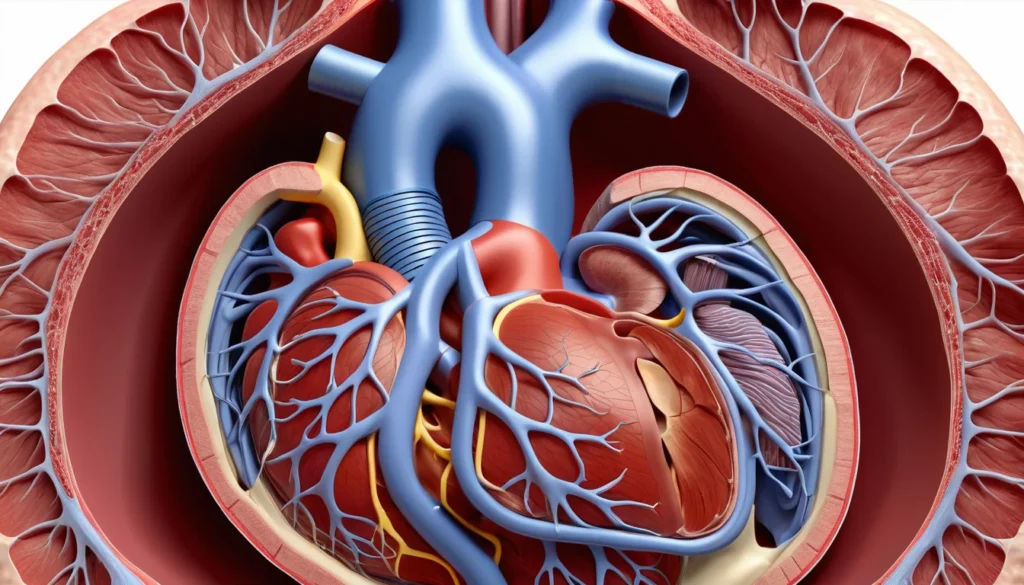
Arrhythmogenic right ventricular cardiomyopathy (ARVC) is a rare but serious heart condition that mostly affects young people and athletes. In ARVC, the normal muscle tissue in the right side of the heart is slowly replaced by fatty or fibrous tissue. This weakens the heart’s ability to pump blood and causes dangerous irregular heartbeats. This article explains what ARVC is, how it is diagnosed, and what treatment options are available to Canadians living with this condition.
What Is Arrhythmogenic Right Ventricular Cardiomyopathy?
Arrhythmogenic right ventricular cardiomyopathy is a form of heart muscle disease, also called a cardiomyopathy. The right ventricle is the chamber of the heart that pumps blood to the lungs. In ARVC, fatty or fibrous tissue gradually replaces the healthy muscle in this chamber.
As a result, the right ventricle loses its ability to contract and relax properly. This abnormal tissue also disrupts the heart’s electrical system, which leads to arrhythmias — irregular or dangerously fast heartbeats. ARVC is sometimes called arrhythmogenic right ventricular dysplasia, or ARVD.
According to Mayo Clinic’s overview of ARVC, this condition is one of the leading causes of sudden cardiac arrest in young athletes worldwide.
Stages of Arrhythmogenic Right Ventricular Cardiomyopathy
ARVC tends to progress through several stages over time. Understanding these stages helps doctors catch the condition early and manage it more effectively.
Stage 1: The Silent Stage
In the earliest stage, you may have no symptoms at all. However, arrhythmias can still occur during physical activity. Test results often appear normal at this point, and there is no visible damage to the right ventricle yet.
Stage 2: The Electrical Stage
During this stage, the risk of dangerous ventricular arrhythmias increases. These abnormal heart rhythms can be detected on an electrocardiogram (ECG). The risk of sudden cardiac arrest and death becomes a real concern at this point.
Stage 3: The Structural Stage
In this advanced stage, the structure of the heart muscle is visibly changed. Imaging tests such as an echocardiogram will clearly show damage to the right ventricle. The risk of life-threatening arrhythmias is significantly higher at this stage.
How Common Is ARVC in Canada?
ARVC is considered a rare condition. Globally, it affects between 1 in 1,000 and 1 in 5,000 people. In Canada, as in other countries, it is seen most often in teenagers and young adults.
Studies show that ARVC is more common in men than in women. It is also one of the most frequent causes of sudden cardiac death in young athletes. Furthermore, ARVC can appear in people who are otherwise completely healthy, with no personal or family history of heart disease.
For more on heart health in Canada, visit Health Canada’s heart health resource page.
Signs and Symptoms of ARVC
ARVC can be silent for years. However, the risk of arrhythmias is present from the very first changes in the heart muscle. Symptoms tend to appear between the ages of 20 and 50, with most people diagnosed before age 40.
Heart Rhythm Symptoms
The most serious and often the first noticeable symptom of arrhythmogenic right ventricular cardiomyopathy is a ventricular arrhythmia. These irregular rhythms start in the right ventricle and can be life-threatening. Ventricular tachycardia — a very fast heartbeat — affects up to 77% of people with ARVC.
In addition, some people experience supraventricular arrhythmias, which start in the upper chambers of the heart. These are less dangerous and rarely fatal.
Other Common Symptoms
Beyond irregular heart rhythms, people with ARVC may also notice:
Palpitations — a fluttering or pounding sensation in the chest
Dizziness or fainting, especially during or after exercise
Chest pain or tightness
Shortness of breath
Swelling in the legs, ankles, or abdomen
Heart failure in advanced cases
It is important to note that some people with ARVC never experience any symptoms at all. This is why family screening is so critical when a close relative is diagnosed.
Causes and Risk Factors
Researchers have found that approximately 60% of people diagnosed with ARVC carry a genetic mutation. Scientists have identified at least 13 genes that can carry mutations linked to this condition. These abnormal genes affect the proteins that hold heart muscle fibres together. Over time, the muscle fibres separate and are replaced by fatty or fibrous tissue.
Family History and Genetics
Family history plays a major role in ARVC. Between 30% and 50% of cases involve a family history of the condition. For this reason, first- and second-degree relatives of anyone diagnosed with ARVC should undergo cardiac screening — even if they feel completely fine.
ARVC can be inherited in two ways:
Autosomal dominant inheritance: Only one parent carries the mutated gene. Each child in the family has a 50% chance of inheriting it. The parent who carries the gene may show no symptoms themselves.
Autosomal recessive inheritance: Both parents must carry the mutated gene for a child to develop the condition. This pattern is less common.
Other Possible Causes
In some cases, ARVC may also be linked to other factors, including:
Congenital heart defects present from birth
Viral or inflammatory myocarditis (inflammation of the heart muscle)
Other causes that researchers are still working to understand
How Is Arrhythmogenic Right Ventricular Cardiomyopathy Diagnosed?
Your doctor will diagnose arrhythmogenic right ventricular cardiomyopathy based on your medical history, a physical exam, blood tests, and imaging results. There is no single definitive test for ARVC. Instead, doctors use a combination of criteria to reach a diagnosis.
Key diagnostic criteria include:
Fatty or fibrous tissue found in the right ventricular wall
Abnormal ECG results
Ventricular or supraventricular arrhythmias, especially during exercise
A family history of ARVC
Structural changes seen in imaging tests
Diagnostic Tests Used
Your cardiologist may order one or more of the following tests:
Electrocardiogram (ECG): Records the heart’s electrical activity
Echocardiogram: Uses sound waves to create images of the heart
Holter monitor: A portable ECG worn for 24–48 hours to track heart rhythms
Cardiac MRI: Provides detailed images of heart tissue and structure
Cardiac CT scan: Another imaging option to assess heart structure
Electrophysiology study: Tests the heart’s electrical pathways directly
Genetic testing: May be recommended to identify specific mutations
In some cases, a right ventricular angiogram may also be used, though this is less common today.
Treatment Options for ARVC in Canada
There is currently no cure for arrhythmogenic right ventricular cardiomyopathy. However, several treatments can control arrhythmias, prevent blood clots, and manage heart failure symptoms. Your cardiologist will build a treatment plan based on your specific stage and symptoms.
Medications
Doctors may prescribe one or more of the following medications:
Antiarrhythmic drugs to prevent dangerous ventricular arrhythmias
Beta-blockers to slow the heart rate and reduce strain on the heart
Diuretics to reduce fluid build-up and ease the heart’s workload
Anticoagulants (blood thinners) to prevent blood clots
Procedures and Devices
For people whose arrhythmias do not respond to medication, other options are available:
Radiofrequency ablation: A minimally invasive procedure where a cardiologist uses heat energy to destroy the small areas of heart tissue causing the abnormal rhythm.
Implantable cardioverter-defibrillator (ICD): A small device placed under the skin that detects dangerous heart rhythms and delivers a shock to restore a normal beat. This is one of the most effective ways to prevent sudden cardiac death in people with ARVC.
Heart transplant: In very severe or end-stage cases, a heart transplant may be considered.
Lifestyle Changes
People diagnosed with ARVC are generally advised to avoid intense competitive sports and high-endurance physical activity. Exercise can trigger arrhythmias in people with this condition. Your cardiologist will guide you on what level of activity is safe for you.
For more information on managing heart conditions, the Healthline guide to ARVD provides a helpful overview of lifestyle considerations.
When to See a Doctor
If you experience palpitations, fainting, dizziness, or chest pain — especially during exercise — see your family doctor as soon as possible. These symptoms can be signs of a serious heart rhythm problem that needs prompt attention.
If you do not have a family doctor, a walk-in clinic can assess your symptoms and refer you to a cardiologist if needed. Most provincial health plans in Canada cover cardiac investigations when medically necessary.
If you have a close family member diagnosed with ARVC, speak with your family doctor about cardiac screening. Catching this condition early can be life-saving. Always consult a qualified healthcare provider before making any decisions about your heart health or treatment plan.
Frequently Asked Questions About ARVC
What is arrhythmogenic right ventricular cardiomyopathy?
Arrhythmogenic right ventricular cardiomyopathy (ARVC) is a rare heart muscle disease where normal muscle in the right ventricle is replaced by fatty or fibrous tissue. This weakens the heart and causes dangerous irregular heartbeats. It is one of the leading causes of sudden cardiac arrest in young athletes.
Is arrhythmogenic right ventricular cardiomyopathy hereditary?
Yes, ARVC is often hereditary. About 60% of people with arrhythmogenic right ventricular cardiomyopathy carry a known genetic mutation, and 30–50% of cases involve a family history of the condition. If a close relative has been diagnosed, you should speak with your doctor about genetic testing and cardiac screening.
Can ARVC cause sudden cardiac death?
Yes, ARVC is a known cause of sudden cardiac death, particularly in young athletes. The dangerous ventricular arrhythmias associated with arrhythmogenic right ventricular cardiomyopathy can lead to cardiac arrest if not treated. An implantable defibrillator (ICD) is often recommended to prevent this outcome.
How is ARVC diagnosed in Canada?
In Canada, ARVC is diagnosed through a combination of tests including an ECG, cardiac MRI, echocardiogram, Holter monitor, and sometimes genetic testing. Your family doctor can refer you to a cardiologist, and most diagnostic tests are covered by provincial health plans when medically necessary.
Is there a cure for arrhythmogenic right ventricular cardiomyopathy?
Currently, there is no cure for arrhythmogenic right ventricular cardiomyopathy. However, treatments such as antiarrhythmic medications, ICDs, and radiofrequency ablation can effectively manage symptoms and significantly reduce the risk of sudden cardiac death. Early diagnosis and ongoing care are essential.
Can people with ARVC exercise or play sports?
Most people with ARVC are advised to avoid competitive sports and high-intensity exercise, as physical exertion can trigger dangerous arrhythmias. However, light to moderate activity may be appropriate for some individuals. Always follow your cardiologist’s specific recommendations regarding exercise and physical activity.
Key Takeaways
Arrhythmogenic right ventricular cardiomyopathy is a rare heart condition where muscle tissue in the right ventricle is replaced by fatty or fibrous tissue. ARVC causes dangerous heart