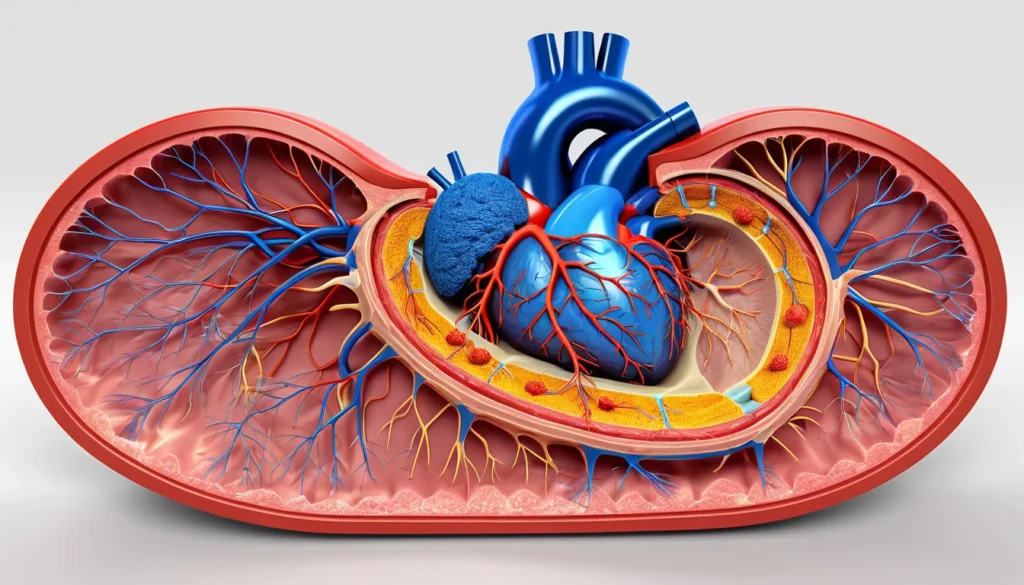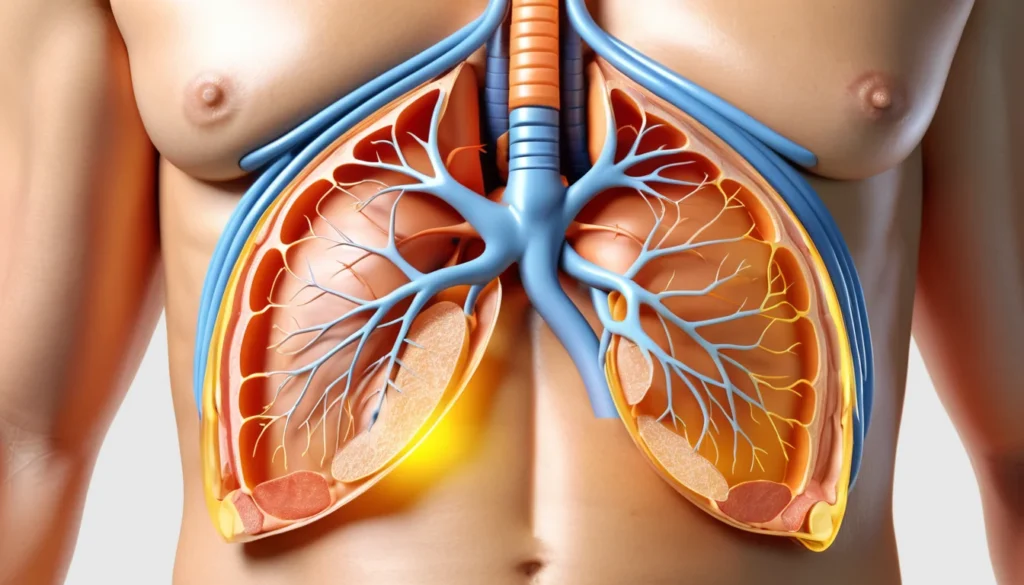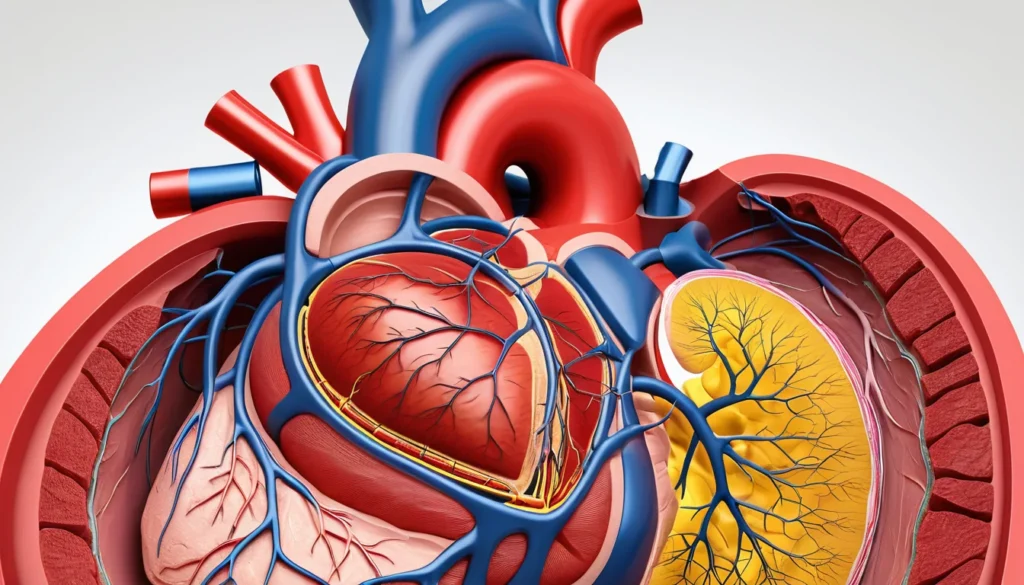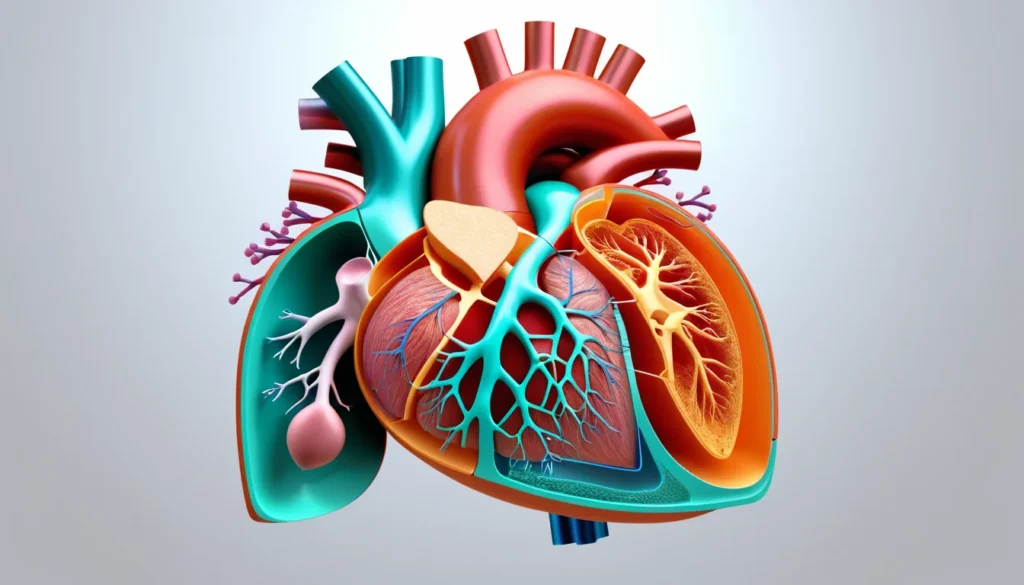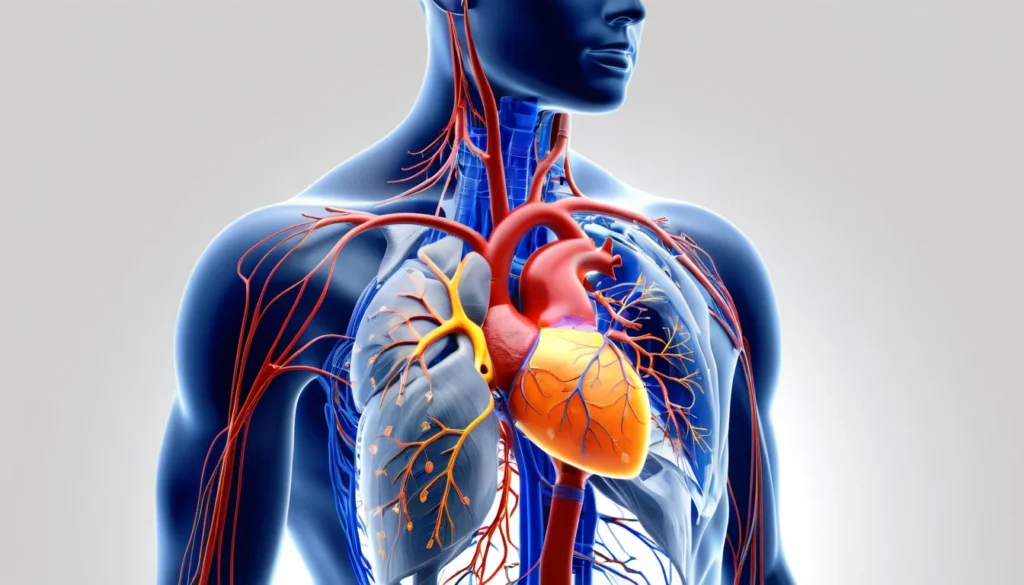
Most Canadians know that chest pain can signal a heart problem. However, many people don’t realize that arm pain and heart attack are closely connected — and that the warning signs can be easy to miss or confuse with other conditions. This article explains what to watch for, how symptoms can differ between men and women, and when to call 911 or visit your nearest emergency centre.
How Arm Pain and Heart Attack Are Connected
During a heart attack, the heart muscle is starved of oxygen. This can send pain signals along nerve pathways that also serve the arm, shoulder, and neck. As a result, you may feel pain, pressure, or discomfort in your arm even if your chest feels fine.
Many people assume left arm pain is the only warning sign. In fact, pain can develop in either arm — or both arms — depending on what part of the heart is affected. It is important to understand that arm pain alone does not always mean a heart attack. However, it should never be ignored, especially when other symptoms appear alongside it.
The link between arm pain and heart attack is well established in medical research. According to the Mayo Clinic, arm discomfort is one of the classic warning signs of a heart attack and should be taken seriously at any age.
Which Arm Hurts During a Heart Attack?
The left arm is most commonly associated with heart attack pain. This is because the heart sits slightly to the left side of the chest, and pain often radiates in that direction. However, right arm pain can also occur, and some people feel discomfort in both arms at the same time.
The pain may feel like a dull ache, a heavy pressure, or a tingling sensation. It can come and go, or it can be steady and persistent. Pain that lasts longer than 10 minutes or does not ease with rest is a serious warning sign that requires immediate medical attention.
Furthermore, arm pain related to a heart attack is often accompanied by other symptoms. These include tightness or pain in the centre of the chest, shortness of breath, nausea, dizziness, or unusual fatigue. If you notice these symptoms together, do not wait — call 911 right away.
Other Heart Attack Warning Signs to Know
A heart attack does not always look the way it does in the movies. Many people expect sudden, crushing chest pain. In reality, the symptoms can be much more subtle — especially in the early stages.
Common heart attack warning signs include:
Chest discomfort — pressure, squeezing, fullness, or pain in the centre of the chest
Arm, shoulder, or back pain — often on the left side, but can affect either side
Shortness of breath — with or without chest discomfort
Nausea or stomach upset — sometimes mistaken for indigestion
Cold sweats — breaking into a sweat without physical activity
Dizziness or lightheadedness — feeling faint or unsteady
Unusual fatigue — feeling exhausted for no clear reason
Changes in heart rhythm — a fluttering or racing heartbeat
It is also worth knowing that most heart attacks happen between 4:00 a.m. and 10:00 a.m. This is when the body releases higher levels of adrenaline, which can put extra stress on the heart. Higher adrenaline levels may cause fatty plaques in the arteries to rupture, leading to blood clots and triggering a heart attack.
Heart Disease Can Be Silent
Arm pain can sometimes be an early warning sign of heart disease — not just a full heart attack. Heart disease develops over time, and it can quietly damage the heart before any obvious symptoms appear. In some cases, a person may have significant heart disease and feel completely fine.
When symptoms do appear, they may include breathlessness during mild activity, occasional chest tightness, or unexplained arm discomfort. Health Canada notes that heart disease is one of the leading causes of death in Canada, making early detection critical.
How Heart Attack Symptoms Differ in Women
Heart attack symptoms in women are often different from those in men. This is an important distinction — and one that leads to many women being misdiagnosed or delaying treatment. Women are more likely to experience symptoms that seem unrelated to the heart, which can cause confusion.
In addition to arm pain, women may experience:
Pain between the shoulder blades
Jaw, neck, or throat discomfort
Nausea, vomiting, or indigestion-like feelings
Heartburn that does not respond to antacids
Unusual or extreme fatigue — sometimes for days before the event
Shortness of breath without chest pain
Heart palpitations (a racing or fluttering heartbeat)
Pain in or around the left breast area
Weakness or a general feeling that something is wrong
Loss of appetite
Women often describe their heart attack as feeling like the flu, extreme exhaustion, or a pulled muscle. Because these symptoms are less “classic,” women sometimes wait too long before seeking help. If something feels off — especially alongside arm pain and heart attack-related symptoms — trust your instincts and seek care immediately.
Why Timing Matters for Women and Men Alike
For both men and women, getting treatment within the first hour of a heart attack dramatically improves survival and recovery outcomes. Medical professionals call this the “golden hour.” The sooner the blocked artery is opened, the less damage occurs to the heart muscle.
Do not drive yourself to the hospital. Call 911 so that paramedics can begin assessment and treatment on the way. Every minute counts during a cardiac event.
Other Causes of Arm Pain That Are Not Heart-Related
Not all arm pain points to the heart. It is helpful to understand the other common causes so you can better assess your situation — though a healthcare provider should always make the final call.
Other reasons for arm pain include:
Muscle strain — from exercise, lifting, or repetitive movements
Rotator cuff injury — pain in the shoulder that travels down the arm
Pinched nerve — pressure on a nerve in the neck or spine
Tendinitis — inflammation in a tendon, often from overuse
Arthritis — joint inflammation that causes aching in the arm or shoulder
Carpal tunnel syndrome — tingling and pain in the wrist and hand
Anxiety — physical tension from stress can cause arm discomfort
However, if your arm pain comes on suddenly, is unexplained, or is paired with any of the heart attack warning signs listed above, do not assume it is muscular. The connection between arm pain and heart attack is too important to dismiss without a proper evaluation.
When to See a Doctor in Canada
If you experience sudden or severe arm pain alongside chest tightness, shortness of breath, nausea, or sweating, call 911 immediately. Do not wait to see if it passes on its own. In Canada, ambulance services can begin life-saving care before you even reach the hospital.
For arm pain that is mild, comes and goes, or follows physical activity, book an appointment with your family doctor. If you do not have a family doctor, a walk-in clinic is a good first step. Your doctor can perform an ECG (electrocardiogram), check your blood pressure, and order bloodwork to rule out any heart concerns.
If you are already managing a heart condition, follow your cardiologist’s guidance closely. Many provincial health plans in Canada — including those in Ontario, British Columbia, Alberta, and Quebec — cover cardiology referrals and diagnostic testing when ordered by a physician. Ask your family doctor or walk-in clinic provider about accessing these services.
Healthline offers additional guidance on recognizing arm pain as a potential heart attack symptom, which may help you better understand what to look for before speaking with your doctor.
Always consult a qualified healthcare professional if you have concerns about your heart health. This article is for informational purposes only and is not a substitute for medical advice.
Frequently Asked Questions About Arm Pain and Heart Attack
Can arm pain be the only symptom of a heart attack?
Yes, in some cases arm pain and heart attack can occur with minimal or no chest pain — particularly in women and older adults. However, arm pain alone is rarely the only sign. It is most often accompanied by fatigue, shortness of breath, nausea, or a general sense that something is wrong. Always seek medical attention if your arm pain is sudden, unexplained, or unusual for you.
Does heart attack arm pain feel different from muscle pain?
Heart-related arm pain often feels like a dull ache, heaviness, or pressure that spreads from the chest or shoulder down the arm. Muscle pain, by contrast, is usually tied to a specific movement or physical activity and tends to feel sore or tender to the touch. If your arm pain came on suddenly without physical cause and does not improve with rest, it is worth getting checked right away.
Can right arm pain signal a heart attack?
Yes. While left arm pain is the more commonly known warning sign, right arm pain and heart attack have also been documented. Pain can radiate to either arm depending on which area of the heart is affected. Never dismiss arm pain on the right side, especially if it comes with other heart attack symptoms like chest tightness or breathlessness.
How long does arm pain last during a heart attack?
Arm pain related to a heart attack may come and go, or it may be constant. Pain that lasts longer than 10 minutes or does not ease with rest is a strong warning sign. The connection between persistent arm pain and heart attack risk means you should not wait — call 911 or get to an emergency centre as quickly as possible.
Are heart attack symptoms different for women in Canada?
Yes. Women in Canada — and worldwide — often experience heart attack symptoms that are less typical than the classic chest-clutching image most people picture. Women are more likely to feel jaw pain, back pain, nausea, unusual fatigue, and shortness of breath rather than intense chest pain. Recognizing these differences can save lives, as women are more likely to delay seeking care when symptoms seem unclear.
Should I go to a walk-in clinic or the emergency room for arm pain?
If your arm pain is sudden, severe, or accompanied by any other heart attack warning signs, go directly to the emergency room or call 911 — do not go to a walk-in clinic. Walk-in clinics are appropriate for mild or ongoing arm pain that is not urgent, where a doctor can assess you and refer you for further testing if needed. When in doubt, it is always safer to seek emergency care.
Key Takeaways
Arm pain and heart attack are closely linked — pain can occur in the left arm, right arm, or both.
Heart attack arm pain often comes with chest tightness, shortness of breath, nausea, sweating, or dizziness.
Women may experience different and less obvious heart attack symptoms, including jaw pain, back pain, and extreme fatigue.
Most heart attacks occur in the early morning hours, between 4:00 a.m. and 10:00 a.m.
Heart disease can be present without any symptoms — arm pain may be an early warning signal worth investigating.
Getting treatment within the first hour of a heart attack greatly improves survival and recovery.
If symptoms are severe or sudden, call 911 immediately. For mild or ongoing concerns, see your family doctor or visit a walk-in clinic.
Most provincial health plans in Canada cover heart-related testing and cardiology referrals — ask your doctor about your coverage.
Always speak with a healthcare professional for a proper diagnosis. This article is not a substitute for medical advice.