Arcuate keratotomy is a type of eye surgery used to reduce astigmatism. A surgeon makes small, curved cuts at the outer edge of the cornea — the clear front surface of your eye. These cuts help reshape the cornea so that light focuses more clearly on the retina. This article explains what arcuate keratotomy is, how it works, who it may help, and what to expect before and after the procedure.
What Is Arcuate Keratotomy?
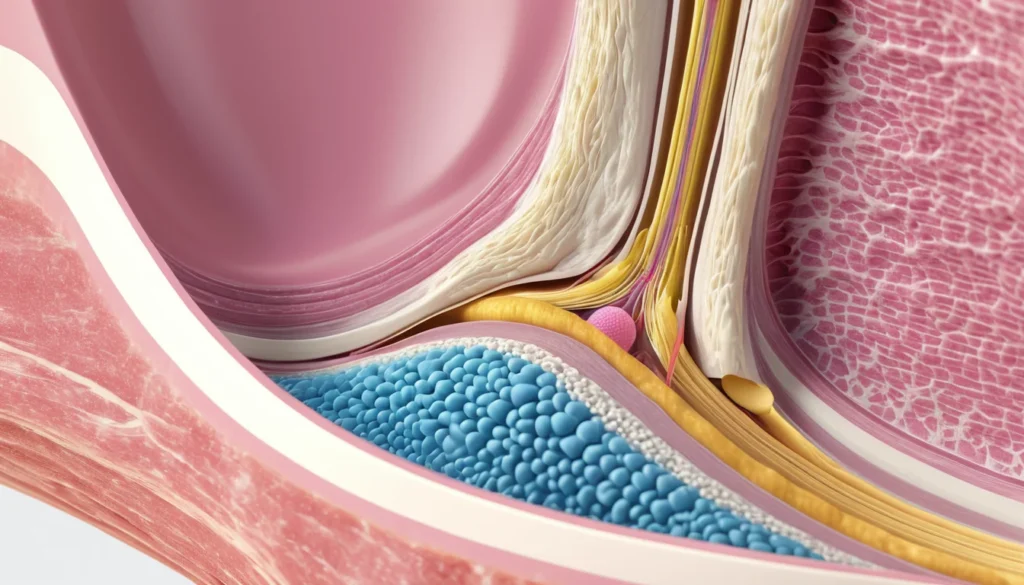
Arcuate keratotomy is a surgical technique that corrects astigmatism by making precise curved incisions in the cornea. The word “arcuate” simply means arc-shaped or curved. These small cuts are placed at the periphery — the outer ring — of the cornea, not in the centre of your vision.
When the incisions are made, the cornea relaxes and reshapes itself. This change in curvature helps correct the uneven shape that causes astigmatism. As a result, light entering the eye can focus more accurately, improving vision clarity.
The procedure is often performed alongside other eye surgeries, such as cataract removal. However, it can also be done as a standalone treatment in some cases. Your eye specialist will decide the best approach based on your specific needs.
Understanding Astigmatism: The Problem Arcuate Keratotomy Treats
To understand why arcuate keratotomy helps, it is useful to first understand astigmatism. Astigmatism is a very common vision problem. It happens when the cornea or lens of the eye has an irregular shape — more like a rugby ball than a perfect sphere.
Because of this uneven curve, light entering the eye bends unevenly. This causes blurry or distorted vision at both near and far distances. Many Canadians live with astigmatism without even realising it, especially if the degree is mild.
According to the Mayo Clinic’s overview of astigmatism, the condition is often present from birth and can also develop after an eye injury or surgery. It is usually diagnosed during a routine eye exam. Glasses and contact lenses can manage the symptoms, but surgery like arcuate keratotomy can offer a more lasting correction.
How Does Arcuate Keratotomy Work?
Before the Procedure
Before surgery, your eye specialist will perform a detailed assessment of your cornea. This includes measuring the exact shape, thickness, and curvature of the cornea. These measurements help the surgeon plan where to place the incisions for the best outcome.
You will likely be asked to stop wearing contact lenses for a period before the assessment. Contact lenses can temporarily alter the shape of the cornea, which could affect measurements. Your doctor will give you specific instructions based on the type of lenses you wear.
During the Procedure
Arcuate keratotomy is typically performed as an outpatient procedure. This means you go home the same day. The surgeon uses either a fine surgical blade or a laser to make the curved incisions in the outer cornea.
Numbing eye drops are applied before the procedure, so you should not feel pain during surgery. The entire process usually takes only a few minutes per eye. Many surgeons today use a femtosecond laser for greater precision — this is called laser arcuate keratotomy or LRI (limbal relaxing incisions) when done at the very edge of the cornea.
After the Procedure
After arcuate keratotomy, your eye may feel slightly uncomfortable or sensitive for a few days. Your surgeon will prescribe antibiotic and anti-inflammatory eye drops to aid healing and prevent infection. Most people notice an improvement in vision within days, though full stabilisation can take several weeks.
You will need to avoid rubbing your eyes and protect them from water and dust during the healing period. Driving is not recommended immediately after surgery. A responsible adult should drive you home after the procedure.
Who Is a Good Candidate for Arcuate Keratotomy?
Arcuate keratotomy is most commonly recommended for people with low to moderate astigmatism. It is frequently used for patients who are already undergoing cataract surgery, as it allows the surgeon to address both issues at the same time.
Good candidates generally have stable vision, healthy corneas, and no active eye infections or diseases. People with certain conditions — such as keratoconus (a progressive thinning of the cornea) — may not be suitable for this type of surgery. Your eye specialist will assess your individual situation carefully before making a recommendation.
Age is also a factor. Most surgeons prefer to perform this procedure on adults whose prescription has been stable for at least one to two years. For more information on eye health and surgery eligibility, you can visit Healthline’s guide to astigmatism surgery options.
Benefits and Risks of Arcuate Keratotomy
Potential Benefits
The main benefit of arcuate keratotomy is a reduction in astigmatism, which can lead to clearer, sharper vision. For many patients, this means less dependence on glasses or contact lenses after surgery. When combined with cataract surgery and a premium intraocular lens, results can be especially satisfying.
The procedure is minimally invasive and relatively quick. Recovery time is generally short compared to more complex eye surgeries. Furthermore, it is a well-established technique with a long track record of safety and effectiveness.
Possible Risks and Complications
Like all surgical procedures, arcuate keratotomy carries some risks. These can include overcorrection or undercorrection of astigmatism, meaning the vision may not be perfectly corrected on the first attempt. In some cases, a second procedure may be needed.
Other possible risks include infection, dry eyes, glare, halos around lights, and fluctuating vision during the healing period. Serious complications are uncommon, but they are possible. It is important to discuss all risks honestly with your eye surgeon before agreeing to the procedure.
The Health Canada information on regulated medical devices and surgical tools provides helpful context on how surgical instruments used in eye procedures are regulated in Canada.
Arcuate Keratotomy in the Canadian Healthcare Context
In Canada, eye surgery is typically provided through private ophthalmology clinics, as most refractive and elective eye procedures are not covered under provincial health plans. However, when arcuate keratotomy is performed as part of medically necessary cataract surgery, some coverage may apply depending on your province or territory.
It is worth checking with your provincial health authority about what eye surgery costs may be covered. For example, in Ontario, British Columbia, and Alberta, basic cataract surgery is covered, but premium lens options and add-on procedures like arcuate keratotomy may involve out-of-pocket costs. Private health insurance plans may cover some of these additional expenses.
Always speak with your family doctor or an ophthalmologist for a referral through the public system if you believe you have a medical need for eye surgery. Walk-in clinics can also refer you to a specialist if you do not currently have a family doctor.
When to See a Doctor
If you experience blurry vision, frequent headaches, or difficulty seeing clearly at night, it may be time to have your eyes checked. These can be signs of astigmatism or other refractive errors that may benefit from treatment, including arcuate keratotomy.
Start by visiting your family doctor or an optometrist. They can perform an initial assessment and refer you to an ophthalmologist — an eye surgeon — if needed. If you do not have a family doctor, a walk-in clinic can help connect you with the right care.
After any eye surgery, contact your eye care provider immediately if you notice sudden vision loss, severe pain, increasing redness, or discharge from the eye. These symptoms could signal a complication that needs prompt attention. Always follow your surgeon’s post-operative instructions carefully.
Frequently Asked Questions About Arcuate Keratotomy
What is arcuate keratotomy used for?
Arcuate keratotomy is used to reduce astigmatism by making small curved cuts in the outer edge of the cornea. These incisions allow the cornea to reshape itself so that light focuses more accurately on the retina. It is often performed alongside cataract surgery to improve overall vision outcomes.
Is arcuate keratotomy painful?
Most patients do not feel pain during arcuate keratotomy because numbing eye drops are applied before the procedure begins. After surgery, you may experience mild discomfort, sensitivity to light, or a gritty sensation for a few days. Your eye surgeon will recommend appropriate drops or pain relief to manage any post-operative discomfort.
How long does recovery from arcuate keratotomy take?
Most people notice improved vision within a few days after arcuate keratotomy, but full healing and vision stabilisation can take several weeks. During recovery, you should avoid rubbing your eyes, swimming, and exposure to dust or smoke. Your eye surgeon will schedule follow-up appointments to monitor your progress.
Is arcuate keratotomy covered by provincial health insurance in Canada?
In most Canadian provinces, arcuate keratotomy performed as an elective standalone procedure is not covered by provincial health plans and involves out-of-pocket costs. However, if it is performed as part of medically necessary cataract surgery, partial coverage may apply depending on your province. Check with your provincial health authority or private insurer to understand what costs may be covered in your situation.
What is the difference between arcuate keratotomy and LASIK?
Arcuate keratotomy corrects astigmatism by making curved incisions at the outer edge of the cornea to reshape it, while LASIK uses a laser to reshape the central corneal tissue to correct a broader range of vision problems including nearsightedness and farsightedness. Arcuate keratotomy is typically used for lower degrees of astigmatism and is commonly combined with cataract surgery. Your eye specialist can help you determine which option is most appropriate for your vision needs.
Can arcuate keratotomy be repeated if the first procedure does not fully correct astigmatism?
Yes, in some cases a second arcuate keratotomy procedure can be performed if the first one did not achieve the desired correction. This is known as an enhancement procedure, and your eye surgeon will reassess your cornea before recommending it. However, repeated incisions carry slightly higher risks, so your surgeon will carefully weigh the benefits and risks with you.
Key Takeaways
Arcuate keratotomy is a surgical procedure that reduces astigmatism through small curved incisions in the outer cornea.
It is commonly performed alongside cataract surgery but can also be done as a standalone procedure.
The procedure is quick and minimally invasive, with most patients experiencing improved vision within days.
Good candidates have stable vision, healthy corneas, and low to moderate astigmatism.
Risks include overcorrection, undercorrection, dry eyes, glare, and — rarely — infection.
In Canada, coverage varies by province. Check with your provincial health plan or private insurer about potential costs.
Start with your family doctor, optometrist, or walk-in clinic if you think you may benefit from this procedure.
Always consult a qualified eye care professional before making any decisions about eye surgery.
As with any medical procedure, it is essential to speak with a qualified healthcare provider before moving forward. Your family doctor, optometrist, or ophthalmologist can help you understand whether arcuate keratotomy is the right choice for your vision and overall eye health.