Arachidonic acid is a type of essential fatty acid that plays a major role in how your body responds to injury and illness. It is found naturally in your body and in many foods you likely eat every day. Understanding arachidonic acid can help you make smarter choices about your diet and overall health. This article covers what it is, what it does, where it comes from, and when to talk to your family doctor about it.
What Is Arachidonic Acid?
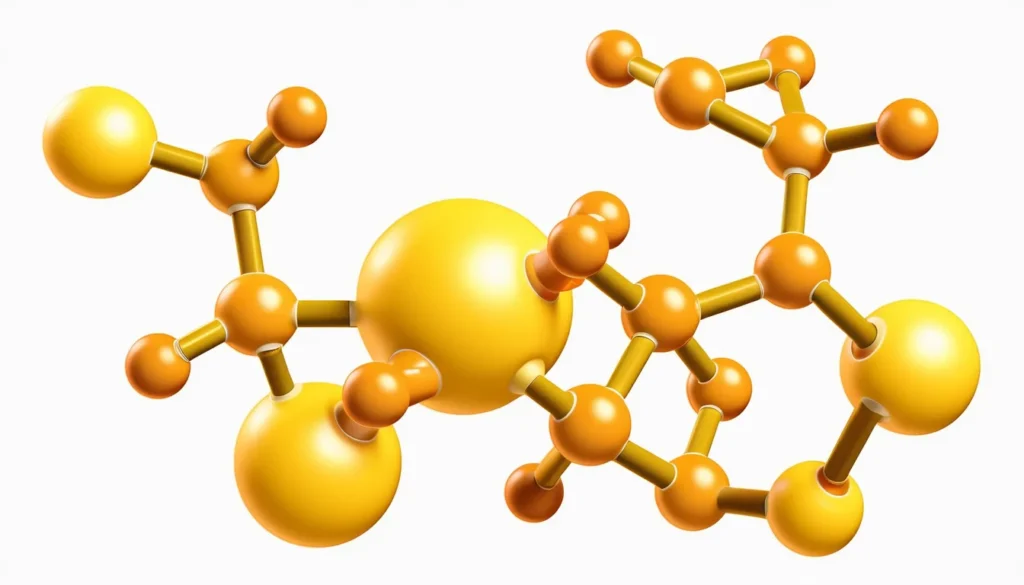
Arachidonic acid is a long-chain omega-6 fatty acid. Your body produces some of it on its own, but you also get it from the foods you eat. It is stored in cell membranes throughout your body and released when your body needs it.
This fatty acid belongs to a group called polyunsaturated fatty acids, or PUFAs. These are fats with more than one double bond in their chemical structure. That structure makes them highly active in your body’s chemical processes.
Arachidonic acid is considered “essential” in a broader sense because your body cannot produce enough of it without the right dietary building blocks. Your body makes it from linoleic acid, another omega-6 fat found in vegetable oils and nuts. Healthline provides a detailed overview of arachidonic acid and its dietary sources.
How Arachidonic Acid Works in Your Body
Arachidonic acid has several important jobs inside your body. It is most well known for its role in the inflammatory response. When your body detects an injury or infection, it releases arachidonic acid from cell membranes to trigger inflammation.
Inflammation is not always a bad thing. In fact, it is your body’s natural defence system. Short-term inflammation helps your body heal wounds and fight off bacteria or viruses.
The Role of Arachidonic Acid in Inflammation
Once released, arachidonic acid gets converted into chemical messengers called eicosanoids. These include prostaglandins, thromboxanes, and leukotrienes. Each of these plays a specific role in regulating pain, swelling, fever, and blood clotting.
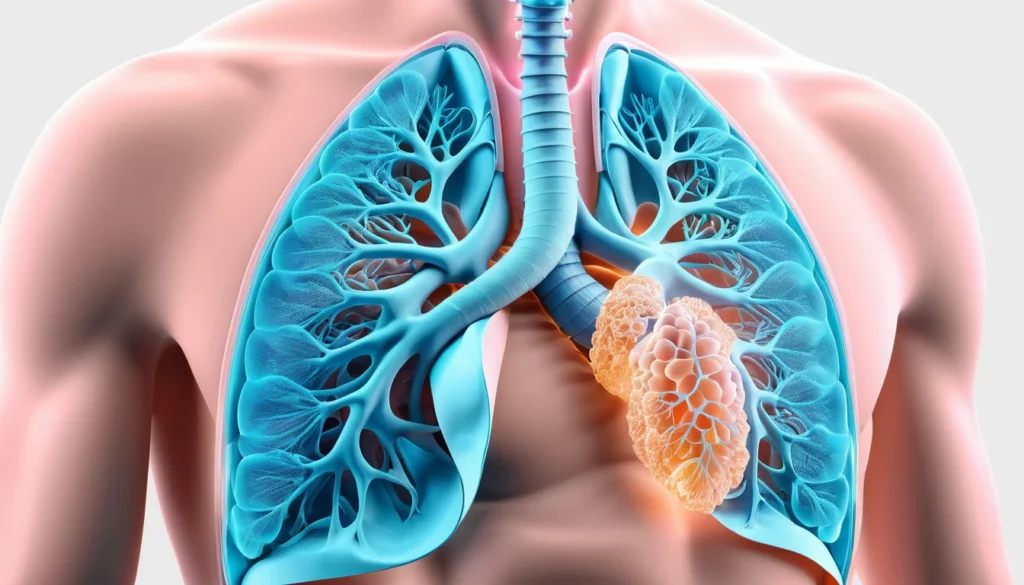
For example, prostaglandins help control pain signals and promote healing. Thromboxanes help your blood clot when you have a cut. Leukotrienes are involved in allergic reactions and asthma. Therefore, arachidonic acid sits at the centre of many important biological processes.
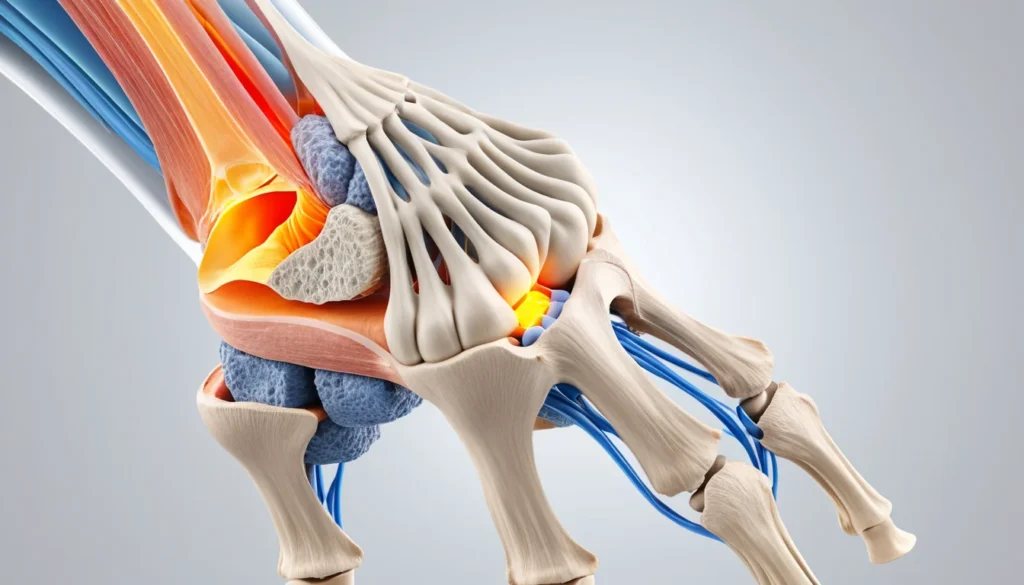
However, when arachidonic acid activity becomes excessive or prolonged, it can contribute to chronic inflammation. Chronic inflammation is linked to conditions like heart disease, arthritis, and type 2 diabetes. This is why researchers continue to study how diet affects arachidonic acid levels in the body.
Arachidonic Acid and Brain Health
Arachidonic acid is also found in high concentrations in the brain. It plays a key role in brain development, especially in infants and young children. Furthermore, it helps maintain the structure of nerve cell membranes throughout life.
Some research suggests that arachidonic acid supports learning and memory. It works alongside another fatty acid called DHA (docosahexaenoic acid), which is an omega-3 fat. Together, these two fatty acids help keep brain cells healthy and communicating properly.
Food Sources of Arachidonic Acid
You get arachidonic acid from animal-based foods. It is not found in significant amounts in plant foods. Here are the most common dietary sources:
Meat: Chicken, beef, and pork are among the richest sources.
Eggs: Especially egg yolks, which contain concentrated amounts.
Fish: Some fish like salmon contain moderate amounts.
Dairy products: Milk, cheese, and butter contain smaller amounts.
Organ meats: Liver and kidney are particularly high in arachidonic acid.
In Canada, most people consume adequate amounts of arachidonic acid through a typical diet. You do not need to seek it out in supplement form unless your doctor has recommended it for a specific health reason.
What About Plant-Based Diets?
People who follow vegan or vegetarian diets consume very little arachidonic acid directly. However, their bodies can still produce it from linoleic acid found in plant oils, seeds, and nuts. In addition, the body regulates this conversion process carefully.
Some health professionals note that vegans and vegetarians often have lower blood levels of arachidonic acid. Whether this has meaningful health effects is still being studied. If you follow a plant-based diet and have concerns, speak with your family doctor or a registered dietitian.
Arachidonic Acid and Chronic Inflammation: What You Should Know
One of the most common questions about arachidonic acid is whether eating too much of it causes harmful inflammation. The answer is more nuanced than a simple yes or no.
Research does show that high arachidonic acid levels in cell membranes can increase the body’s inflammatory response. However, the overall balance of fats in your diet matters more than any single nutrient. The Mayo Clinic explains how dietary fats affect your overall health.
The Omega-6 to Omega-3 Ratio
Many nutrition experts focus on the ratio of omega-6 to omega-3 fatty acids in the diet. Arachidonic acid is an omega-6 fat. Omega-3 fats, found in fatty fish, flaxseed, and walnuts, have anti-inflammatory effects.
A diet high in omega-6 fats and low in omega-3 fats may tip the balance toward more inflammation. The typical Canadian diet tends to contain far more omega-6 fats than omega-3 fats. As a result, many health experts recommend increasing omega-3 intake through food or supplements.
This does not mean you need to avoid arachidonic acid entirely. It means balancing your overall fat intake. Eating more fatty fish, flaxseeds, chia seeds, and walnuts can help restore a healthier balance.
Arachidonic Acid and Heart Health
Some studies have linked high arachidonic acid levels to an increased risk of cardiovascular disease. However, other research suggests it may actually be neutral or even protective in certain amounts. The science here is still evolving.
What is clear is that eating a varied, whole-food diet — rich in vegetables, fruits, whole grains, and healthy fats — supports heart health overall. Health Canada’s healthy eating guidelines offer practical advice for Canadians.
Arachidonic Acid Supplements: Are They Necessary?
Arachidonic acid is available as a dietary supplement, but most Canadians do not need it. If you eat a balanced diet that includes meat, eggs, or dairy, you likely get enough through food alone.
Some athletes and bodybuilders have used arachidonic acid supplements in the past, believing they help build muscle. The theory is that increased inflammation after exercise promotes muscle repair and growth. However, the evidence for this is limited and mixed.
Furthermore, taking high doses of arachidonic acid without medical supervision could tip your body’s inflammatory balance in an unhealthy direction. Always talk to your doctor before starting any new supplement. This applies especially if you have a chronic condition like arthritis, heart disease, or an inflammatory bowel condition.
When to See a Doctor
Most people do not need to worry about arachidonic acid specifically. However, there are times when it is worth bringing up with a healthcare provider.
You should speak to your family doctor or visit a walk-in clinic if you:
Have signs of chronic inflammation, such as persistent joint pain, swelling, or fatigue.
Have been diagnosed with an inflammatory condition like rheumatoid arthritis, Crohn’s disease, or cardiovascular disease.
Are considering arachidonic acid supplements or high-dose omega-6 supplements.
Follow a strict vegan or vegetarian diet and are concerned about fatty acid balance.
Are pregnant or breastfeeding and want to know more about fatty acid intake for your baby’s development.
Your family doctor can order blood tests to assess your fatty acid profile if needed. They can also refer you to a registered dietitian through your provincial health plan. In many provinces, dietitian services are covered under public health insurance, so be sure to ask.
Remember, this article is meant to inform — not replace professional medical advice. Always consult your doctor before making significant changes to your diet or supplement routine.
Frequently Asked Questions About Arachidonic Acid
What is arachidonic acid and why is it important?
Arachidonic acid is an omega-6 fatty acid found in cell membranes throughout your body. It is important because it helps regulate inflammation, supports brain development, and plays a key role in blood clotting and immune responses. Your body both produces it and absorbs it from animal-based foods.
Is arachidonic acid bad for you?
Arachidonic acid is not inherently bad for you — it is a natural and necessary part of your body’s chemistry. However, very high levels may contribute to chronic inflammation when your diet lacks balance, particularly if you consume too few omega-3 fats. Eating a varied, whole-food diet helps keep arachidonic acid levels in a healthy range.
What foods are high in arachidonic acid?
Foods high in arachidonic acid include chicken, beef, pork, egg yolks, organ meats like liver, and some types of fish. Dairy products also contain smaller amounts. Plant foods do not contain arachidonic acid directly, but your body can produce it from omega-6 fats found in vegetable oils and nuts.
Should I take arachidonic acid supplements?
Most Canadians do not need arachidonic acid supplements if they eat a balanced diet with meat, eggs, or dairy. Supplements are sometimes marketed to athletes, but the evidence supporting their use is limited. Always speak with your doctor before adding arachidonic acid or any new supplement to your routine.
Does arachidonic acid cause inflammation?
Arachidonic acid is a key trigger in your body’s inflammatory process, but that is not always harmful. Short-term inflammation is essential for healing injuries and fighting infections. The concern arises when arachidonic acid levels are consistently high and omega-3 intake is low, which may promote chronic inflammation over time.
How does arachidonic acid affect brain health?
Arachidonic acid is concentrated in brain tissue and plays an important role in brain development, particularly in infants. It helps maintain the structure of nerve cell membranes and supports communication between brain cells. It works together with the omega-3 fat DHA to keep brain function healthy throughout life.
Key Takeaways
Arachidonic acid is an omega-6 fatty acid found in your cell membranes and many animal-based foods.
It plays a central role in inflammation, helping your body heal and defend itself from harm.
It also supports brain health, blood clotting, and immune function.
Most Canadians get enough arachidonic acid through a regular diet — supplements are rarely necessary.
Balancing omega-6 and omega-3 fats in your diet is more important than focusing on arachidonic acid alone.
If you have a chronic inflammatory condition or follow a restrictive diet, talk to your family doctor or visit a walk-in clinic for personalized guidance.
Provincial health plans in many parts of Canada cover referrals to registered dietitians — ask your doctor if this is available to you.