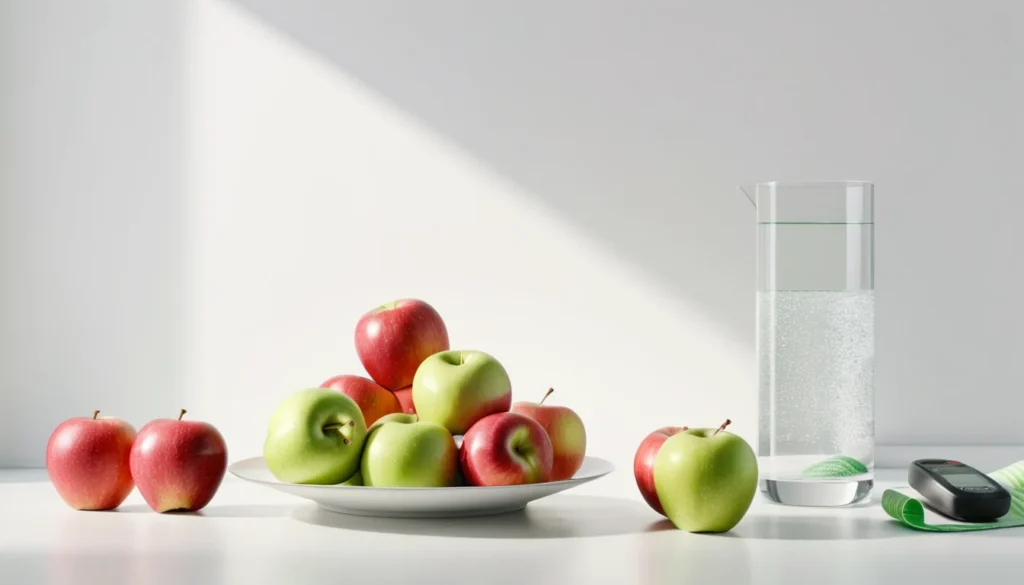
The apple diet is a simple, flavourful approach to losing weight without extreme hunger or bland meals. It centres on apples — one of Canada’s most popular and affordable fruits — and uses their natural fibre, vitamins, and minerals to support healthy weight loss. In this article, we’ll walk you through several apple diet options, sample menus, and important safety tips so you can decide if this approach is right for you.
What Is the Apple Diet?
The apple diet is a type of mono-diet, meaning it focuses on one key food — in this case, apples — as the main part of your eating plan. However, it doesn’t have to mean eating only apples. There are several versions, ranging from a strict one-week plan to a simple one-day-per-week reset.
Apples are an excellent choice for a weight-loss diet. They contain vitamins A, C, and P, along with iron, magnesium, calcium, copper, folic acid, and fructose. Most importantly, they are high in fibre, which supports healthy digestion and helps you feel full longer. According to Health Canada’s guidance on dietary fibre, getting enough fibre each day supports digestive health and may reduce the risk of chronic disease.
The diet can be used for one to two days per week, ideally on a regular basis over three months. This approach may help you lose weight gradually while also supporting your metabolism.
Health Benefits of Apples
Before starting any apple diet plan, it helps to understand why apples are such a powerful food for weight loss and overall health.
High in Fibre
Apples are rich in soluble and insoluble fibre. Fibre slows digestion, which keeps you feeling satisfied after eating. It also supports regular bowel movements and may help relieve constipation. The skin of the apple contains the most nutrients, so it’s best to eat apples unpeeled whenever possible.
Rich in Vitamin C
Vitamin C is one of the most important nutrients in apples. It supports your immune system and plays a role in fat metabolism. In addition, Vitamin C helps your body break down fat more efficiently during physical activity. Healthline’s overview of apple nutrition highlights how the antioxidants in apples support both heart health and weight management.
Pectin and Detoxification
Baked apples are especially rich in pectin, a natural fibre that binds to heavy metals and salts in the digestive tract. The body then eliminates these substances naturally. As a result, baked apples are a great choice for detox-focused diet days.
The Apple Mono-Diet: One Week Plan
The one-week apple mono-diet is the most demanding version of the apple diet. It requires strong willpower, but it can produce noticeable results. If a full week feels like too much, the one-day version (described below) is a gentler and equally beneficial option.
During the one-week plan, you eat only apples, unsweetened green tea, and still water. Here is the daily breakdown:
Day 1 and Day 7: 1 kilogram (about 2.2 lbs) of apples
Day 2 and Day 5: 500 grams (about 1.1 lbs) of apples
Day 3 and Day 4: 2 kilograms (about 4.4 lbs) of apples
Apples can be eaten raw or baked. Baked apples are particularly recommended because heat increases the available pectin content. Furthermore, this plan may help regulate blood pressure, reduce water retention (edema), and support steady weight loss.
It’s important to note that this is a very restrictive plan. Always speak with your family doctor before attempting a full mono-diet of any kind.
The Apple Diet: One-Day Plans and Sample Menus
If a full week feels too restrictive, the one-day apple diet is a practical and effective alternative. You choose one day per week to follow the plan. This approach is much easier to maintain and still delivers real health benefits over time.
One-Day Apple Diet Menu (Up to 500g Weight Loss)
This menu combines apples with lean proteins and vegetables for a balanced day of eating:
8:00 AM: One slice of whole grain bread, 50g low-fat cheese, one apple
10:00 AM: One green apple
1:00 PM: Sauté 175g turkey breast with 250g spinach, one onion, and two apples. Garnish with fresh mint.
3:00 PM: One green apple
5:00 PM: 250ml fresh apple juice
7:00 PM: Grated apple and carrot salad with low-fat yogurt
Low-Calorie Apple Diet Menu
This version of the apple diet aims to support losing up to one kilogram per day on diet days. It introduces slightly more variety while keeping calories low:
8:00 AM: Corn or wheat flakes with apple slices, raisins, and one teaspoon of honey
11:00 AM: One green apple
1:00 PM: Five lettuce leaves, two grated apples, 50g low-fat yogurt, one tablespoon olive oil, and one teaspoon apple cider vinegar
5:00 PM: One green apple with 50g unsalted goat or sheep cheese
7:00 PM: One grated apple with fresh lemon juice
Apple Detox Diet Menu (One Day Per Week)
This detox plan uses apple cider vinegar and baked apples to gently cleanse the digestive system. It may support a loss of around 300 grams on the day it is followed:
7:00 AM: One glass of warm water with one tablespoon of apple cider vinegar. Sip slowly.
8:00 AM: One baked green apple
9:00 AM: One glass of apple juice with pulp
11:00 AM: One baked green apple
1:00 PM: Two sweet baked apples with honey and raisins
3:00 PM: One green apple
5:00 PM: One glass of fresh apple juice with pulp and two unsalted crackers
7:00 PM: Two baked apples with honey
9:00 PM: One glass of warm water with one tablespoon of apple cider vinegar. Sip slowly.
Beauty Breakfast: Apple and Oat Salad
This quick breakfast works beautifully as part of your apple diet routine. It takes less than ten minutes to prepare and provides a great start to your morning.
Grate one apple and mix it with one tablespoon of rolled oats and one tablespoon of low-fat yogurt. Let it sit for five to ten minutes so the oats soften slightly. That’s it — your breakfast is ready.
If you feel hungry between meals, reach for a small glass of fresh apple juice. If you experience acid sensitivity, try mixing grated apple with grated carrot to reduce the acidity. This combination is gentler on the stomach.
Important Safety Tips for the Apple Diet
The apple diet is generally safe for healthy adults, but there are a few important precautions to keep in mind.
Acid sensitivity and stomach conditions: If you have hyperacidity, gastritis, or a stomach ulcer, stick to sweet apples only. Avoid tart or green apples, as these have higher acid content. Always follow your doctor’s guidance if you have a stomach condition.
Don’t eat large amounts of apples before bed: Eating too many apples close to bedtime can cause bloating and abdominal discomfort. This may disrupt your sleep.
Keep the skin on: The most nutritious parts of the apple are found just beneath the skin. Peeling apples removes many of the beneficial compounds, so eat them unpeeled when you can.
Stay hydrated: Drink plenty of still water and unsweetened green tea throughout the day, especially on stricter diet days.
Don’t overdo it: Mono-diets are meant to be short-term tools, not permanent eating plans. The World Health Organization’s healthy diet guidelines recommend a varied diet rich in fruits, vegetables, whole grains, and lean protein for long-term health.
When to See a Doctor
Before starting the apple diet — especially the stricter mono-diet version — it’s a good idea to speak with your family doctor. If you don’t have a family doctor, a walk-in clinic is a convenient option available in most Canadian communities. Many provincial health plans cover these visits at no direct cost to you.
You should speak with a healthcare provider if you have any of the following:
A history of stomach ulcers, gastritis, or acid reflux
Diabetes or blood sugar concerns
A history of disordered eating
Any chronic health condition being managed with medication
Your doctor can help you decide which version of the apple diet — if any — is appropriate for your individual health needs. Losing weight safely and sustainably is always more important than losing it quickly.
Frequently Asked Questions About the Apple Diet
How much weight can you lose on the apple diet?
Results vary depending on which version of the apple diet you follow. The one-day plan may support a loss of up to 500 grams, while the low-calorie version can help you lose close to one kilogram on diet days. However, sustainable weight loss happens gradually over time, not in a single day.
Is the apple diet safe to follow?
For most healthy adults, the apple diet is safe when followed short-term and as directed. However, people with stomach conditions like gastritis, acid reflux, or ulcers should consult a doctor first. Always listen to your body and stop if you feel unwell.
Can I do the apple diet if I have acid reflux?
If you have hyperacidity or acid reflux, you should only eat sweet apples on the apple diet and avoid tart or green varieties. Mixing grated apple with grated carrot can also help reduce acidity. Speak with your doctor or a walk-in clinic provider before starting.
What can you drink on the apple diet?
On most versions of the apple diet, you can drink unsweetened green tea, still water, and fresh apple juice. Some plans also allow small amounts of low-fat yogurt. Avoid sugary drinks, alcohol, and caffeinated beverages during diet days.
How often should you do the apple diet?
The one-day apple diet can be done once or twice a week, ideally on a consistent schedule over about three months. The stricter one-week mono-diet is meant to be done occasionally, not repeatedly. Talk to your family doctor about what frequency makes sense for your health goals.
Does apple cider vinegar help with weight loss?
Apple cider vinegar is used in the detox version of the apple diet to support digestion and gentle cleansing. Some research suggests it may have modest effects on appetite and blood sugar, but evidence is still limited. Always dilute apple cider vinegar in water before drinking to protect your tooth enamel and stomach lining.
Key Takeaways
The apple diet is a short-term, low-calorie eating plan built around the natural fibre, vitamins, and minerals found in apples.
There are several versions: a one-week mono-diet, a one-day reset, a low-calorie menu, and a detox plan using apple cider vinegar.
Apples are rich in fibre, Vitamin C, and pectin — all of which support digestion, fat metabolism, and overall health.
Always eat apples with the skin on to get the most nutritional benefit.
People with stomach conditions should choose sweet apples and speak with a healthcare provider before starting.
For best results, pair the apple diet with regular physical activity and a balanced, varied diet on non-diet days.
Speak with your family doctor or visit a walk-in clinic before beginning any new diet plan — especially if you have existing health conditions covered under your provincial health plan.