Appendicitis symptoms can appear suddenly and escalate quickly, making this condition the most common abdominal surgical emergency in Canada. The appendix — a small, finger-shaped pouch attached to the large intestine — becomes inflamed and, without prompt treatment, can rupture and become life-threatening. Recognizing the early warning signs is critical for every Canadian.
How to Recognize Appendicitis Symptoms at Every Age
Understanding the causes and treatment of appendicitis helps you act fast when it matters most. Acute appendicitis diagnosis typically requires urgent medical assessment, and surgery remains the standard of care across Canadian hospitals. This article explains what appendicitis is, what triggers it, how to spot the symptoms at every age, and when to seek emergency care.
What Is Appendicitis?
Common Appendicitis Symptoms: Description, Location, and Severity Guide
| Symptom | Description | Location / Onset | Severity Level |
|---|---|---|---|
| Abdominal Pain | Pain that typically begins around the navel and shifts to the lower right abdomen; the hallmark appendicitis symptom | Starts near navel, moves to lower right (McBurney’s point) within 12–24 hours | Severe — worsens with movement, coughing, or deep breathing |
| Nausea and Vomiting | Persistent nausea often followed by one or more episodes of vomiting, usually appearing after abdominal pain begins | Generalized abdominal discomfort; systemic | Moderate — may interfere with eating or drinking |
| Fever | Low-grade fever (37.5°C–38.5°C) in early stages; high fever may indicate a ruptured appendix requiring emergency care | Systemic; temperature measured orally or rectally | Moderate to Severe — high fever (above 39°C) is a medical emergency |
| Loss of Appetite | Sudden disinterest in food, often one of the earliest warning signs before intense pain develops | Systemic symptom with generalized abdominal unease | Mild to Moderate — early indicator not to be ignored |
| Bloating and Gas | Abdominal swelling or inability to pass gas, which can signal bowel obstruction related to inflammation | Throughout the abdomen, often more pronounced on the right side | Moderate — may accompany constipation or diarrhea |
| Rebound Tenderness | Increased pain when pressure on the lower right abdomen is suddenly released; a key clinical sign assessed by Canadian emergency physicians | Lower right quadrant of the abdomen | Severe — strongly suggests peritoneal irritation; seek immediate care |
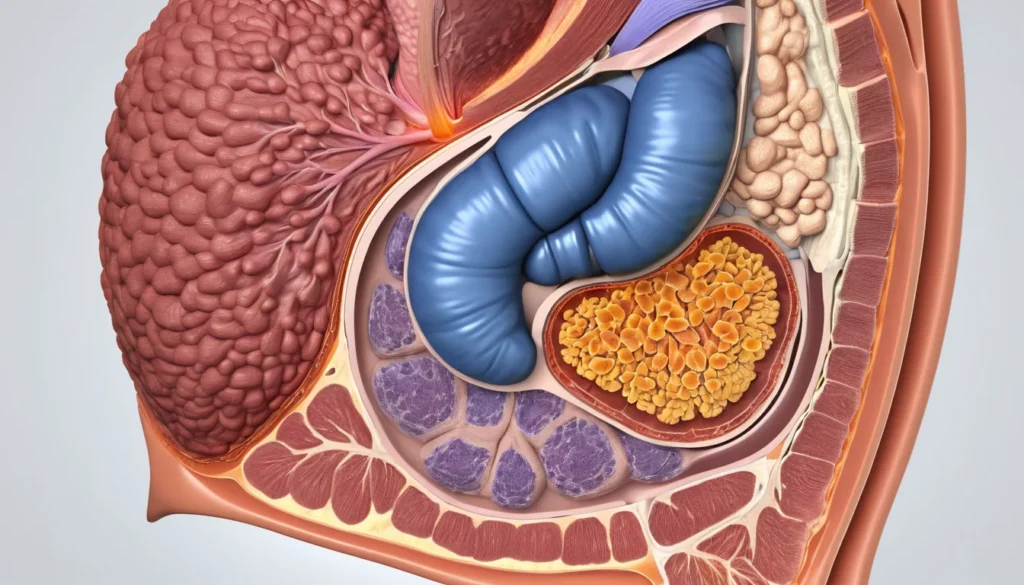
The appendix sits in the lower right side of the abdomen. It connects to the first section of the large intestine, called the cecum. Doctors consider it a remnant of early human development, and removing it does not affect digestion.
When the appendix becomes inflamed, the condition is called acute appendicitis. Once inflammation begins, it cannot be stopped with medication alone. Surgery is always required. The sooner surgery happens, the better the outcome for the patient.
Appendicitis most often affects people between the ages of 10 and 30. However, it can occur at any age — including in young children and older adults. Each age group can present with different symptoms, which sometimes makes diagnosis more challenging.
What Causes Appendicitis?
In many cases, appendicitis starts with a blockage inside the appendix. This blockage raises pressure inside the organ and cuts off normal blood flow. As a result, the walls of the appendix become inflamed.
Common causes of this blockage include:
A buildup of hardened stool or mucus
A bacterial infection that causes the lymph tissue inside the appendix to swell
A small foreign object, such as a fruit pit or seed
If left untreated, the inflamed appendix can progress through several stages. It moves from early inflammation, to a swollen and infected state, and eventually to gangrene — where the tissue begins to die. The final and most dangerous stage is perforation, or rupture, which can cause a serious infection throughout the abdomen called peritonitis. Learn more about appendicitis causes from the Mayo Clinic.
Is There a Genetic Link?
Some research suggests a genetic factor may play a role. Families where multiple members have had appendicitis appear more often than would be expected by chance. However, scientists have not yet confirmed a specific gene responsible for this pattern.
Recognizing the Symptoms of Appendicitis
The symptoms of appendicitis can vary from person to person. However, there are common warning signs that Canadians should know. Recognizing them early can make a real difference in outcomes.
The most telling symptom is pain that starts near the belly button or upper abdomen, then moves to the lower right side. This shift in pain location is a key sign that helps doctors identify appendicitis. The pain often gets worse over time and may feel sharp or constant.
Other common symptoms include:
Nausea and vomiting
Constipation or diarrhoea
A low-grade fever
A hard or tender abdomen when touched
In some cases, appendicitis can develop quickly with very few clear symptoms. This is especially true in people with weakened immune systems, those living with HIV, people with diabetes, patients receiving chemotherapy, and those who are obese. For these individuals, even mild abdominal discomfort warrants urgent medical attention.
Symptoms in Pregnant Women
Pregnant women may experience pain, nausea, and vomiting as normal parts of pregnancy. However, when these symptoms are unusually intense or persistent, appendicitis must be ruled out. The growing uterus can shift the position of the appendix, which sometimes changes where the pain is felt. Any pregnant woman with severe abdominal pain should go to the emergency room immediately.
Symptoms in Young Children
Young children often cannot describe their pain clearly. Instead, they may show signs such as vomiting, unusual sleepiness, difficulty eating, or constipation. Parents and caregivers should take these signs seriously. In young children, appendicitis can progress to rupture very quickly — sometimes without the typical stages seen in adults.
Symptoms in Older Adults
Older adults may have less obvious symptoms, which can delay diagnosis. In this age group, appendicitis can sometimes mimic an intestinal blockage or a tumour near the cecum. Furthermore, older adults often have other health conditions — such as heart disease, high blood pressure, type 2 diabetes, or kidney disease — that can make treatment more complex and recovery more difficult.
How Doctors Diagnose Appendicitis
Diagnosing appendicitis involves a combination of steps. Your doctor will start by asking about your symptoms — when they started, where the pain is, how severe it feels, and how it has changed over time. They will also ask about your medical history, any medications you take, and any allergies you have.
A physical examination follows. The doctor will gently press on your abdomen to check for tenderness, especially in the lower right area. Muscle guarding — where the abdomen feels rigid — is an important sign of more advanced inflammation.
Additional tests typically include:
Blood tests — to look for signs of infection, such as an elevated white blood cell count
Urine tests — to rule out a urinary tract infection or kidney stone
Imaging — an ultrasound or CT scan can confirm the diagnosis and check for complications
In Canada, these tests are covered under your provincial health plan when ordered by a physician in an emergency or hospital setting. Health Canada provides guidance on accessing insured health services in your province.
Treatment: Surgery Is the Standard
The standard treatment for appendicitis is surgery to remove the appendix, called an appendectomy. This is one of the most common surgical procedures performed in Canadian hospitals. Removing the appendix does not affect your ability to digest food or live a healthy life.
There are two main surgical approaches:
Laparoscopic surgery — the surgeon makes small incisions and uses a tiny camera. This is the most common method. Recovery time is shorter and scarring is minimal.
Open surgery — a larger incision is made. This approach may be used if the appendix has ruptured or if there are complications.
In cases where the appendix has already ruptured, treatment becomes more complex. Surgeons may need to drain the abdominal cavity and prescribe antibiotics before or after surgery. Recovery in these cases takes longer and carries more risk.
The key message is this: the sooner surgery happens, the simpler and safer the procedure. Delaying treatment increases the risk of rupture and serious complications. Healthline offers a detailed overview of appendectomy recovery and what to expect.
When to See a Doctor for Appendicitis
Appendicitis is a medical emergency. Do not wait to see if the pain improves on its own. If you or someone in your family has sudden abdominal pain — especially pain that moves to the lower right side — seek care right away.
In Canada, you have several options for urgent care:
Call 911 or go to your nearest emergency room — this is always the right choice when you suspect appendicitis
Walk-in clinics — suitable for mild or unclear abdominal symptoms that do not seem severe, but staff there will refer you to emergency care if needed
Your family doctor — can assess and refer you quickly, but do not wait for a scheduled appointment if pain is worsening
Never take laxatives, use a heating pad on your abdomen, or take pain medication before being assessed by a doctor. These actions can mask symptoms and make diagnosis harder. As always, speak with a qualified healthcare provider if you have any concerns about your symptoms or your health.
Frequently Asked Questions About Appendicitis
What does appendicitis pain feel like?
Appendicitis pain typically starts as a dull ache near the belly button or upper abdomen. Over several hours, it usually moves to the lower right side and becomes sharper and more constant. Many people describe the pain as unlike anything they have felt before, and it tends to get worse with movement.
Can appendicitis go away on its own without surgery?
In rare cases, a mild episode of appendicitis may temporarily settle with antibiotics. However, most doctors — including those following Canadian surgical guidelines — recommend surgery as the safest and most reliable treatment for appendicitis. Without surgery, the condition can return and the risk of rupture remains.
How long does recovery take after an appendectomy?
Most people recover from laparoscopic appendectomy within one to three weeks. Open surgery or surgery after a ruptured appendix may require four to six weeks of recovery. Your surgical team will give you specific instructions about activity levels, diet, and follow-up care.
Is appendicitis covered by provincial health insurance in Canada?
Yes. Appendicitis treatment — including emergency assessment, diagnostic imaging, surgery, and hospital care — is covered under provincial and territorial health plans across Canada. You do not pay out of pocket for medically necessary appendicitis care when treated in a publicly funded hospital.
Can children get appendicitis?
Yes, appendicitis can affect children of any age, though it is more common in older children and teenagers. Young children are at higher risk of a ruptured appendix because their symptoms are harder to identify and the condition can progress very quickly. Parents should seek emergency care immediately if a child has persistent abdominal pain, vomiting, or unusual drowsiness.
What happens if appendicitis is not treated in time?
According to Mayo Clinic’s overview of appendicitis, this information is supported by current medical research.
For more information, read our guide on what your CBC blood test results mean during diagnosis.
Untreated appendicitis can lead to a ruptured appendix, which spills bacteria into the abdominal cavity. This causes a serious condition called peritonitis — an infection of the abdominal lining — which can be fatal if not treated immediately. This is why appendicitis is always considered a medical emergency requiring prompt surgical care.
Key Takeaways
Appendicitis is an inflammation of the appendix and is the most common abdominal surgical emergency in Canada.
It most often affects people aged 10 to 30, but can occur at any age.
The main symptom is pain that starts near the belly button and moves to the lower right abdomen.
Surgery — called an appendectomy — is the standard and most effective treatment.
Acting quickly reduces the risk of the appendix rupturing and causing life-threatening complications.
Children, pregnant women, and older adults may have atypical symptoms and should be assessed urgently.
If you suspect appendicitis, go to your nearest emergency room or call 911. Do not wait.
Always consult your family doctor or a qualified healthcare provider with any questions about your digestive health.
Frequently Asked Questions
What is appendicitis?
Appendicitis is inflammation of the appendix, a small finger-shaped pouch attached to the large intestine in the lower right abdomen. It occurs when the appendix becomes blocked and infected. It is a medical emergency requiring prompt treatment, typically surgery, to prevent the appendix from rupturing and causing life-threatening complications.
What are the first signs and symptoms of appendicitis?
The earliest appendicitis symptoms include sudden pain that begins around the navel and shifts to the lower right abdomen, along with nausea, vomiting, loss of appetite, and low-grade fever. Pain typically worsens with movement, deep breathing, or pressure. Symptoms usually develop quickly over 12 to 24 hours.
What are the warning signs of appendicitis in adults?
Key appendicitis symptoms in adults include sharp, persistent pain in the lower right abdomen, fever between 38°C and 39°C, nausea, vomiting, bloating, and inability to pass gas. Pain that intensifies when you release pressure from the abdomen, known as rebound tenderness, is a particularly serious warning sign requiring immediate emergency care.
How is appendicitis treated in Canada?
Appendicitis is most commonly treated with an appendectomy, a surgical procedure to remove the appendix. Canadian hospitals perform this either laparoscopically or as open surgery. In some mild cases, antibiotics alone may manage the condition. Treatment is covered under provincial health insurance plans. Prompt treatment prevents life-threatening rupture.
When should I go to the emergency room for appendicitis?
Go to the emergency room immediately if you experience sudden, severe abdominal pain, especially in the lower right side, accompanied by fever, vomiting, or rigidity in the abdomen. Do not eat, drink, or take pain medication before being assessed. A ruptured appendix can be fatal, so do not delay seeking emergency care.