An appendectomy in Canada is one of the most common emergency surgeries performed each year, involving the surgical removal of the appendix before it causes serious complications. Appendicitis — the infection and swelling of the appendix — can become life-threatening if left untreated, making timely diagnosis and intervention critical for patients across the country.
What to Expect During an Appendectomy in Canada
Understanding appendicitis symptoms and knowing when to seek emergency care can make the difference between a straightforward procedure and a dangerous medical crisis. This article explains what causes appendicitis, how Canadian doctors diagnose it, what happens during surgery, and what to expect throughout your recovery — so you and your family can be prepared if appendicitis strikes.
What Is the Appendix and Why Does It Get Infected?
Appendectomy in Canada: Recognizing Appendicitis Symptoms and Their Severity
| Symptom | Description | Severity Level |
|---|---|---|
| Pain in the lower right abdomen | Begins around the navel and shifts to the lower right side; worsens with movement, coughing, or deep breathing | Severe — seek emergency care immediately |
| Nausea and vomiting | Often follows the onset of abdominal pain; may be accompanied by loss of appetite and general discomfort | Moderate — a warning sign requiring prompt medical attention |
| Fever | Low-grade fever (37.5°C–38.5°C) is common early on; a high fever may indicate a ruptured appendix | Moderate to Severe — high fever warrants emergency evaluation |
| Rebound tenderness | Pain that intensifies when pressure on the abdomen is suddenly released; a key clinical sign assessed by emergency physicians | Severe — strongly associated with appendicitis and peritoneal irritation |
| Bloating and inability to pass gas | Abdominal swelling and difficulty passing gas, which may suggest bowel obstruction related to a perforated appendix | Severe — may indicate rupture; go to the nearest Canadian emergency department |
| Diarrhea or constipation | Changes in bowel habits may occur alongside abdominal pain, particularly in children and older adults | Mild to Moderate — monitor closely and seek care if combined with other symptoms |
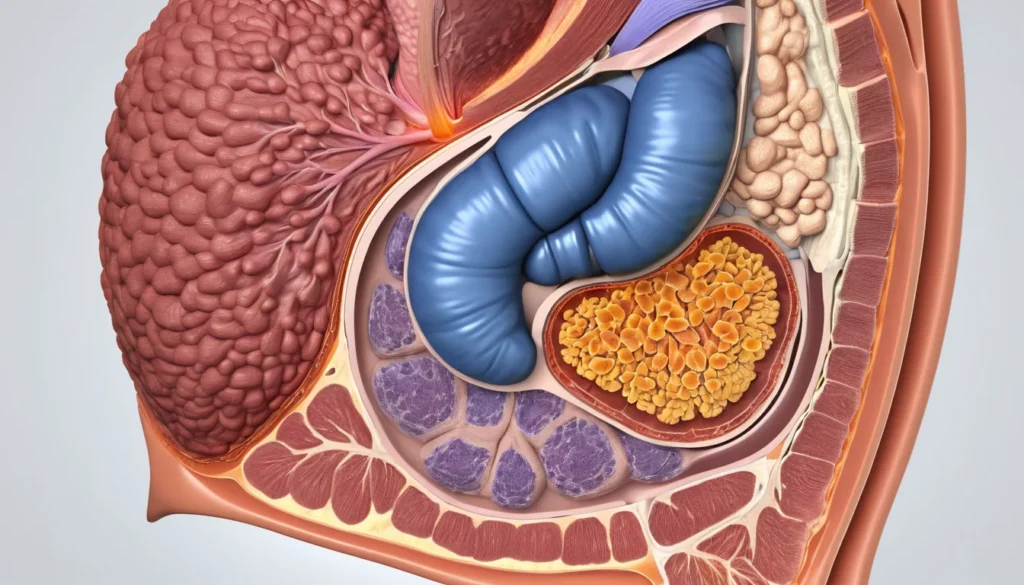
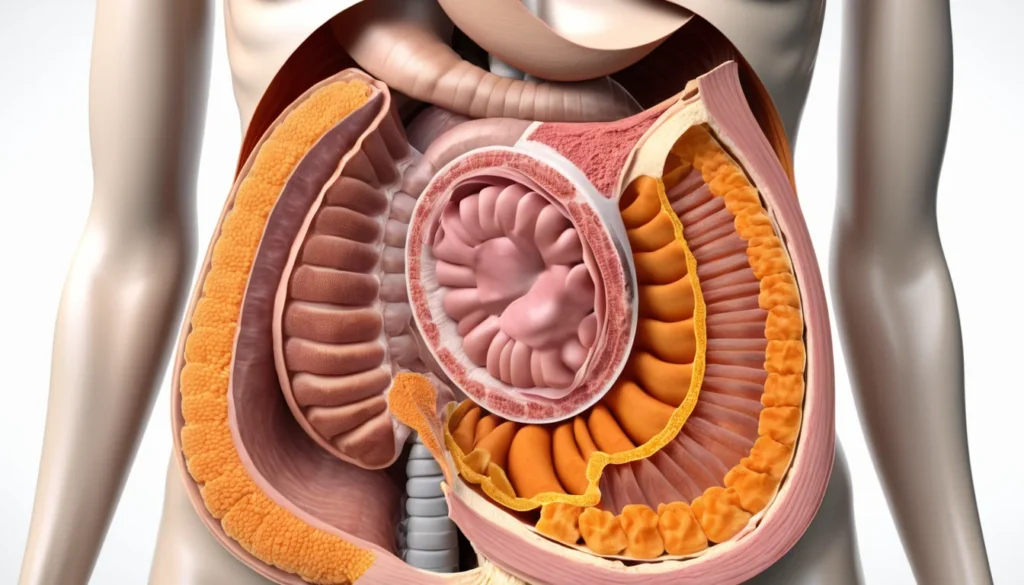
The appendix is a small, finger-shaped pouch attached to the large intestine, located in the lower right side of your abdomen. Experts are not entirely sure what role it plays in the body. For most people, it causes no problems at all.
However, bacteria can sometimes build up inside the appendix. When this happens, it becomes swollen and infected — a condition called appendicitis. If the infected appendix is not removed in time, it can burst.
A burst appendix spreads infection throughout the abdominal cavity. This leads to a serious condition called peritonitis, which requires emergency medical treatment. About 8 in every 100 people will develop appendicitis at some point in their lives.
Who Gets Appendicitis?
Appendicitis is most common in people between the ages of 10 and 30. However, it can happen at any age. Younger children, older adults, and pregnant women may experience different or less obvious symptoms, which can make diagnosis more difficult.
In Canada, appendicitis accounts for a significant number of emergency room visits each year. It does not discriminate — it affects people of all backgrounds and health histories.
What Causes Appendicitis?
Doctors do not always know exactly why appendicitis develops. In many cases, the appendix becomes blocked. This blockage can be caused by several things, including:
Hardened stool or a piece of food
Fruit seeds or pits
Constipation
Swollen tissue in the area
Parasites or bacteria that travel from another part of the body
Once the appendix is blocked, bacteria multiply rapidly inside it. This leads to swelling, increased pressure, and eventually infection. Without treatment, the appendix can rupture within 24 to 72 hours of symptoms beginning.
Symptoms of Appendicitis
The main symptom of appendicitis is abdominal pain. At first, the pain may feel like indigestion, gas, or a general stomachache. It can be easy to dismiss in the early stages.
How the Pain Progresses
The pain typically starts around the belly button. Over a few hours, it shifts to the lower right side of the abdomen. It becomes sharper and more intense over time.
Unlike a typical stomachache, this pain does not go away. It often gets worse when you move, cough, or take a deep breath. This pattern is a key warning sign.
Other Symptoms to Watch For
In addition to abdominal pain, appendicitis can also cause:
Nausea and repeated vomiting
A mild fever
Constipation or bloating
Back pain
Fatigue and low energy
Some people do not show the classic symptoms. Pregnant women, young children under 2 years old, and older adults may feel pain in different areas of the abdomen. Furthermore, some people have an appendix that sits in an unusual position, which changes where the pain appears.
Symptoms That May Not Be Appendicitis
Cramping pain combined with diarrhea is less likely to be appendicitis. However, these symptoms can still occur with appendicitis, especially in children. Therefore, it is always best to get checked by a healthcare provider if you are unsure.
Abdominal pain is very common and has many possible causes. Because appendicitis can worsen quickly, do not wait to seek medical attention if you notice these warning signs.
How Is Appendicitis Diagnosed?
Diagnosing appendicitis involves a combination of your medical history, a physical examination, lab tests, and sometimes imaging. Doctors may also need to rule out other conditions that cause similar symptoms.
Physical Examination
Your doctor will ask about your symptoms and when they started. They will press on your abdomen to check for pain, especially in the lower right area. In some cases, a rectal examination may be performed to help identify the source of pain.
For women, a pelvic examination may also be done to rule out conditions involving the reproductive organs. Your doctor may also check your temperature, since a rising fever can suggest the appendix has already burst.
Lab Tests
There is no single blood test that confirms appendicitis. However, your doctor may order a complete blood count (CBC) to look for signs of infection. A urine test may also be done to rule out a urinary tract infection or kidney stones.
Women of childbearing age will typically receive a pregnancy test. An ectopic pregnancy can cause similar symptoms and needs to be ruled out right away.
Imaging Tests
In some cases, your doctor may order imaging to get a clearer picture. Common options include:
Abdominal X-ray: Often used first to rule out other causes of pain
Ultrasound: Particularly useful for women and children; it helps identify problems with nearby organs
CT scan (computed tomography): More accurate than ultrasound for confirming appendicitis; used when the diagnosis is uncertain
A normal appendix seen on ultrasound measures 6 mm or less in diameter. However, the appendix is not always visible on ultrasound, which is why a CT scan is sometimes needed. As a result, your doctor will choose the most appropriate test based on your situation.
In rare cases, a laparoscopy may be needed. This involves inserting a tiny camera through a small incision in the abdomen to directly view the appendix and surrounding tissue. This procedure also allows the surgeon to remove the appendix during the same operation if needed. For more information on diagnostic imaging, visit Health Canada’s official health information page.
What Is an Appendectomy?
An appendectomy is the standard treatment for appendicitis. It is the surgical removal of the infected appendix. The operation is performed under general anaesthesia, meaning you will be fully asleep during the procedure.
Laparoscopic Appendectomy
Most appendectomies in Canada are done laparoscopically. The surgeon makes two or three small cuts in the abdomen and inserts a tiny camera and surgical tools. This approach leads to a faster recovery, less post-operative pain, and smaller scars.
Most patients who have a laparoscopic appendectomy can go home within one to two days. Full recovery typically takes one to three weeks.
Open Appendectomy
In some cases, an open appendectomy is necessary. This involves a single larger incision in the lower right abdomen. Your surgeon may choose this approach if the appendix has already burst or if there are complications.
Recovery from an open appendectomy takes longer — usually two to four weeks. You may need to stay in hospital for a few extra days as well. According to the Mayo Clinic’s guide to appendicitis treatment, both types of appendectomy are safe and effective when performed promptly.
What Happens If the Appendix Has Burst?
If your appendix has already ruptured, treatment becomes more involved. You will likely receive intravenous (IV) antibiotics first to control the infection. Surgery will follow once the infection is more stable.
In some cases, surgeons may drain the abscess before performing the appendectomy. Recovery after a ruptured appendix takes longer and requires close medical monitoring.
When to See a Doctor
If you or someone in your family experiences sudden, worsening abdominal pain — especially in the lower right side — do not wait. This type of pain needs to be assessed by a medical professional as soon as possible.
In Canada, you have several options for getting care quickly. You can go to your nearest hospital emergency department, visit a walk-in clinic, or contact your family doctor. If the pain is severe or comes on very suddenly, call 911 or go directly to the emergency room.
Do not eat, drink, or take pain medication before being assessed, as this can make it harder for doctors to accurately diagnose the problem. Time matters with appendicitis — treatment is much simpler when the appendix has not yet burst.
Always speak with a qualified healthcare provider for a proper diagnosis. The information in this article is meant to inform, not replace professional medical advice.
Frequently Asked Questions About Appendectomy
How long does an appendectomy take?
A laparoscopic appendectomy typically takes between 30 and 60 minutes. An open appendectomy may take slightly longer, depending on the complexity of the case. Your surgical team will give you a more specific estimate based on your situation.
Is an appendectomy covered by provincial health plans in Canada?
Yes, an appendectomy is a medically necessary procedure and is covered by provincial and territorial health insurance plans across Canada. You should not face out-of-pocket costs for the surgery itself. However, some associated costs, such as prescription medications after discharge, may not be fully covered depending on your province.
Can appendicitis be treated without surgery?
In some mild cases of appendicitis, antibiotics alone may be used as an initial treatment. However, surgery remains the standard and most reliable treatment for appendicitis in Canada. Without an appendectomy, there is a risk of the condition returning or worsening.
What are the signs that an appendix has burst?
Signs that the appendix may have burst include a sudden, brief relief of pain followed by the pain spreading across the entire abdomen. The abdomen may also feel hard or rigid, and a high fever often develops. This is a medical emergency — go to the nearest emergency room immediately.
How long is recovery after an appendectomy?
Recovery after a laparoscopic appendectomy is usually one to three weeks. Recovery after an open appendectomy may take two to four weeks. Your doctor will advise you on when it is safe to return to work, exercise, and normal activities.
Can children have an appendectomy safely?
Yes, appendectomy is performed safely in children and is one of the most common emergency surgeries in pediatric care. Children may show different symptoms than adults, so it is important to seek care quickly if your child complains of persistent abdominal pain. Paediatric surgeons in Canadian hospitals are experienced in performing this procedure in younger patients.
Key Takeaways
An appendectomy is the surgical removal of the appendix and is the standard treatment for appendicitis
Appendicitis affects about 8 in 100 people and is most common between ages 10 and 30
The main symptom is pain that starts near the belly button and moves to the lower right abdomen
Other symptoms include nausea, vomiting, fever, and loss of appetite
Diagnosis involves physical examination, blood tests, urine tests, and sometimes imaging such as ultrasound or CT scan
Most appendectomies in Canada are done laparoscopically, with a recovery time of one to three weeks
If the appendix bursts, treatment becomes more complex and recovery takes longer
Seek emergency care immediately if you suspect appendicitis — do not wait for symptoms to worsen
Appendectomy is fully covered by provincial health plans across Canada
Always consult your family doctor, a walk-in clinic, or go to an emergency department if you have concerns about abdominal pain
According to Mayo Clinic’s overview of appendicitis, this information is supported by current medical research.
For more information, read our guide on complete blood count (CBC) test results.
For additional trusted information, visit Healthline’s comprehensive guide to appendectomy and recovery.
Frequently Asked Questions
What is an appendectomy in Canada?
An appendectomy in Canada is a surgical procedure to remove the appendix, typically performed as an emergency when appendicitis occurs. It is one of the most common surgeries performed in Canadian hospitals. The procedure is fully covered under provincial health insurance plans and is conducted by a general surgeon, usually within hours of diagnosis.
What are the symptoms of appendicitis that require emergency care?
Key symptoms of appendicitis include sudden pain beginning around the navel that shifts to the lower right abdomen, nausea, vomiting, fever, and loss of appetite. Pain typically worsens over 12 to 24 hours. If you experience these symptoms, go to your nearest emergency department immediately, as a ruptured appendix can be life-threatening.
How is an appendectomy performed in Canadian hospitals?
In Canadian hospitals, an appendectomy is most commonly performed laparoscopically using small incisions and a camera, allowing faster recovery. In complicated cases, open surgery may be required. The procedure takes approximately one hour under general anesthesia. Most patients are discharged within one to two days and resume normal activities within two to four weeks.
Can appendicitis be prevented?
There is no guaranteed way to prevent appendicitis, as its exact cause is not always known. However, a high-fibre diet rich in fruits, vegetables, and whole grains may reduce risk by preventing intestinal blockages. Regular bowel habits and staying hydrated may also help. Early medical attention when symptoms arise prevents dangerous complications like rupture.
When should Canadians see a doctor about appendectomy recovery complications?
Canadians should seek immediate medical attention after an appendectomy if they experience persistent fever above 38°C, increasing abdominal pain, redness or discharge from the incision site, vomiting, or inability to pass gas. These may indicate infection or internal complications. Contact your surgeon or visit the nearest emergency department without delay if these symptoms develop.