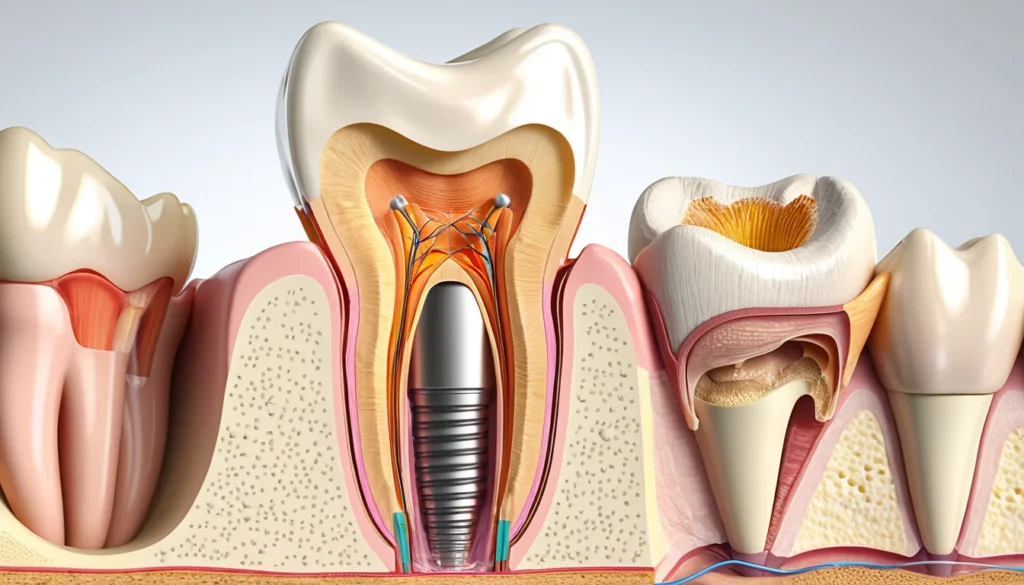
An apicoectomy is a minor surgical procedure that can save a tooth when a regular root canal treatment is not enough. It involves removing the very tip of a tooth’s root, along with any infected tissue around it. For many Canadians, this procedure offers a way to keep a natural tooth rather than having it pulled. If your dentist or endodontist has mentioned this option, here is everything you need to know.
What Is an Apicoectomy?
Modern dentistry focuses on saving your natural teeth whenever possible. Tooth extraction used to be the go-to solution for badly infected teeth, but today, endodontic surgery — including the apicoectomy — gives patients more options. These surgical techniques support conservative care, meaning dentists try to preserve as much of your natural tooth as they can.
An apicoectomy is sometimes called apical resection or root-end surgery. The word “apical” refers to the apex, which is the very tip of a tooth’s root. During the procedure, the surgeon removes that tip along with the surrounding infected bone and tissue. This allows the area to heal properly when other treatments have not worked.
Not every tooth infection requires this procedure. However, when pulp gangrene — a serious infection inside the tooth — and its complications cannot be resolved with standard root canal therapy, an apicoectomy becomes necessary. According to Mayo Clinic’s dental health resources, preserving natural teeth has significant long-term benefits for your overall oral health.
When Is an Apicoectomy Needed?
Your dentist or endodontist may recommend an apicoectomy for several different reasons. Understanding these reasons can help you feel more confident about the decision.
Anatomy That Blocks Standard Treatment
Sometimes the shape of a tooth’s root makes it impossible to clean and seal the canal properly. Severe curves in the root, very narrow canals, or calcium deposits inside the canal can all create blockages. When these anatomical problems prevent proper root canal treatment, removing the untreated portion of the root and sealing the remaining stump is the best solution.
Failed Root Canal Treatments
Root canals do not always succeed the first time. In some cases, retreating the canal does not produce better results than the original attempt. Furthermore, if the cause of the failure cannot be identified, a surgical approach becomes necessary. An apicoectomy allows the surgeon to directly address the problem at the source.
Teeth With Crowns or Posts
Some teeth have been restored with dental crowns or metal post-and-core devices. Trying to redo a root canal through an existing crown can weaken or damage it. Removing a metal post can even crack the root itself. In these situations, an apicoectomy protects your existing dental work while still treating the infection.
Large Infections at the Root Tip
Large infections around the root tip, called periapical lesions, sometimes cannot heal with canal treatment alone. In fact, cleaning the canal without surgical support can occasionally stir up a chronic infection and make it worse. Therefore, removing the infected tissue surgically is the safer and more effective approach. In some cases, the removed tissue is sent for a biopsy to confirm the diagnosis.
Broken Instruments or Foreign Objects
Occasionally, small dental instruments — such as file tips — break off inside a canal during treatment. Filling material or pieces of broken posts can also become lodged there. If an infection develops around a tooth with one of these blockages, the foreign object must be removed surgically along with a portion of the root.
Procedural Errors in Root Canal Treatment
Sometimes errors occur during root canal treatment. These can include incomplete fillings, overfilled canals, or false pathways created inside the root. Persistent cysts, called residual granulomas, can also continue to grow even after a complete root canal because they wall themselves off and carry on independently. An apicoectomy corrects these problems directly.
How the Apicoectomy Procedure Works
An apicoectomy is typically performed right in a dental office or specialist clinic. It does not require a hospital stay and uses relatively straightforward surgical instruments. Here is a step-by-step look at what happens.
Anaesthesia and Comfort
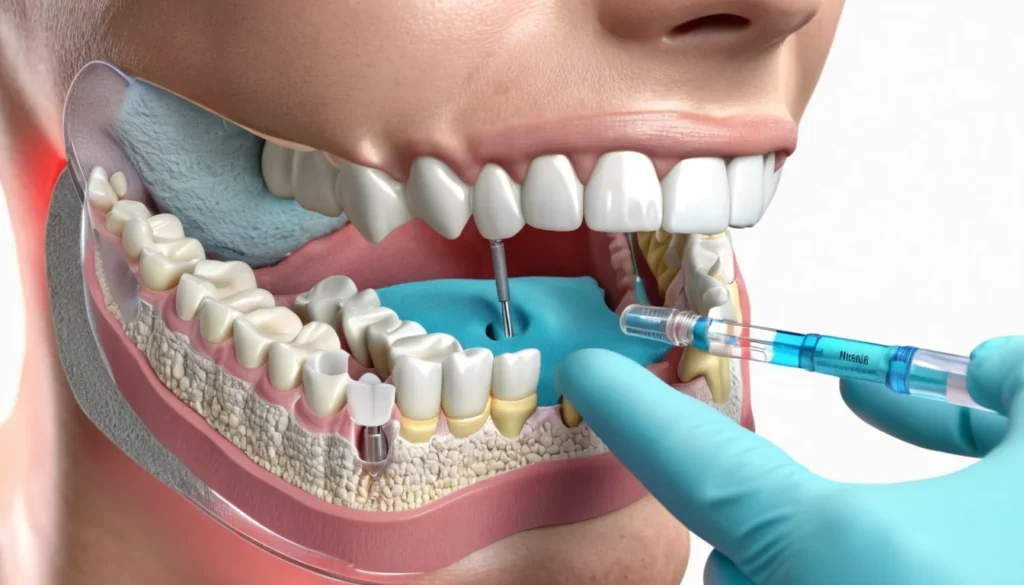
The procedure is performed under local anaesthesia, which numbs the area completely. You will be awake but will not feel pain. For patients who experience significant dental anxiety, general anaesthesia is sometimes available. Even with local anaesthesia only, the procedure itself is painless.
Accessing the Root
The surgeon makes a small incision in the gum tissue and gently folds it back to expose the underlying bone. This is called a mucoperiosteal flap. A small opening is then made in the bone to reach the infected area around the root tip.
Removing the Infected Tissue and Root Tip
The surgeon carefully removes the infected bone and tissue. The very tip of the root — usually about three millimetres — is then cut away. This portion often contains the most complex branching of the root canal system, which is very difficult to clean any other way.
Sealing the Root End
The remaining root end is then cleaned, shaped, and sealed with a small filling. The surgeon can see exactly what they are doing, which allows for a very precise seal. If the canal cannot be accessed from inside, the root stump is sealed with a hard dental material from the outside.
Bone Grafting When Needed
Sometimes the infection leaves behind a significant hole in the bone. When the body’s natural healing ability may not be enough to fill this gap on its own, the surgeon can add synthetic bone or bio-bone material. This stimulates new bone growth and supports full healing of the area.
Closing the Wound
The gum tissue is folded back into place and closed with non-dissolvable stitches. These are removed after six to seven days. For the first few weeks after surgery, it is important to avoid hard foods and to chew gently on the treated side.
Recovery: What to Expect
Knowing what is normal during recovery helps you heal comfortably and spot any problems early.
Swelling in the area is completely normal after an apicoectomy. It usually peaks in the first 24 to 48 hours and then begins to go down. Applying a cold pack to the outside of your face in the first day can help manage the swelling. Most people return to their regular routine within a few days.
However, you should watch for certain warning signs. If the swelling gets worse after the second day, or if you develop new pain a few days after surgery, contact your dental provider right away. These signs may suggest a post-surgical infection that needs treatment. Your surgeon will typically prescribe a short course of antibiotics and pain relief medication to support your recovery and prevent complications.
According to Healthline’s guide to apicoectomy recovery, most patients experience only mild to moderate discomfort and recover fully within one to two weeks. Long-term success rates for the procedure are generally high when performed by a qualified specialist.
Which Teeth Can Be Treated?
In general, an apicoectomy can be performed on almost any tooth in the mouth. However, the suitability of the procedure depends on the position of the tooth and its relationship to nearby structures.
Upper and lower second molars can be more challenging to treat surgically. Lower premolars also require extra care because of their closeness to the mental foramen — a small opening in the jawbone where an important nerve and blood vessels pass through. A skilled oral surgeon will assess these factors carefully before recommending the procedure.
Health Canada’s oral health guidelines encourage Canadians to discuss all treatment options with a qualified dental professional before making decisions about complex dental procedures.
When to See a Doctor or Dentist
If you are experiencing tooth pain, swelling around a tooth, or have been told a previous root canal has not healed, it is time to speak with a professional. Start by contacting your family doctor or dentist. They can refer you to an endodontist — a root canal specialist — through your provincial health system.
If you do not have a family dentist, a walk-in dental clinic can provide an initial assessment. Most provincial health plans cover some dental services for children, seniors, and those on social assistance. Adults should check their private insurance or ask about payment plans when discussing treatment costs with their dental office.
Do not ignore lingering tooth pain or swelling. Untreated dental infections can spread to other parts of the face and neck and become a serious medical emergency. Always consult your dentist or a qualified healthcare provider before making any decisions about your oral health.
Frequently Asked Questions About Apicoectomy
Is an apicoectomy painful?
An apicoectomy is performed under local anaesthesia, so you should not feel pain during the procedure itself. After the anaesthesia wears off, some soreness and swelling are normal for a few days. Your dental surgeon will recommend appropriate pain relief to keep you comfortable during recovery.
How long does an apicoectomy take?
Most apicoectomy procedures take between 30 and 90 minutes, depending on the tooth involved and the complexity of the case. Front teeth tend to take less time than back teeth. Your endodontist or oral surgeon will give you a more specific estimate at your consultation.
What is the success rate of an apicoectomy?
The success rate of an apicoectomy is generally high, ranging from 85 to 97 percent depending on the tooth and the reason for the procedure. Teeth treated for specific anatomical issues or failed root canals tend to respond well. Regular follow-up with your dentist is important to monitor healing.
How long is recovery after an apicoectomy?
Most patients recover from an apicoectomy within one to two weeks. Swelling and mild discomfort are common in the first 48 hours. Stitches are usually removed after six to seven days, and full bone healing can take several months.
Is an apicoectomy covered by insurance in Canada?
Coverage for an apicoectomy varies depending on your dental insurance plan. Some private insurance plans cover a portion of endodontic surgery, while others may not. Check with your insurance provider directly, and ask your dental office about payment options if coverage is limited.
What happens if I do not get an apicoectomy when recommended?
Leaving a tooth infection untreated after an apicoectomy has been recommended can allow the infection to grow and spread. This may eventually lead to tooth loss or, in serious cases, the infection spreading to nearby tissues. It is always best to discuss your options with your dentist as soon as possible.
Key Takeaways
An apicoectomy is a minor surgical procedure that removes the tip of a tooth’s root and infected surrounding tissue.
It is recommended when standard root canal treatment has failed or is not possible due to anatomy, dental restorations, or blockages.
The procedure is performed under local anaesthesia and is not painful during surgery.
Recovery typically takes one to two weeks, with swelling being most noticeable in the first 48 hours.
Success rates are high, and the procedure is a reliable way to save a natural tooth.
If you have ongoing tooth pain or a failed root canal, speak with your family dentist or ask for a referral to an endodontist through your provincial health system.
Always consult a qualified dental professional before making any decisions about your oral health treatment.