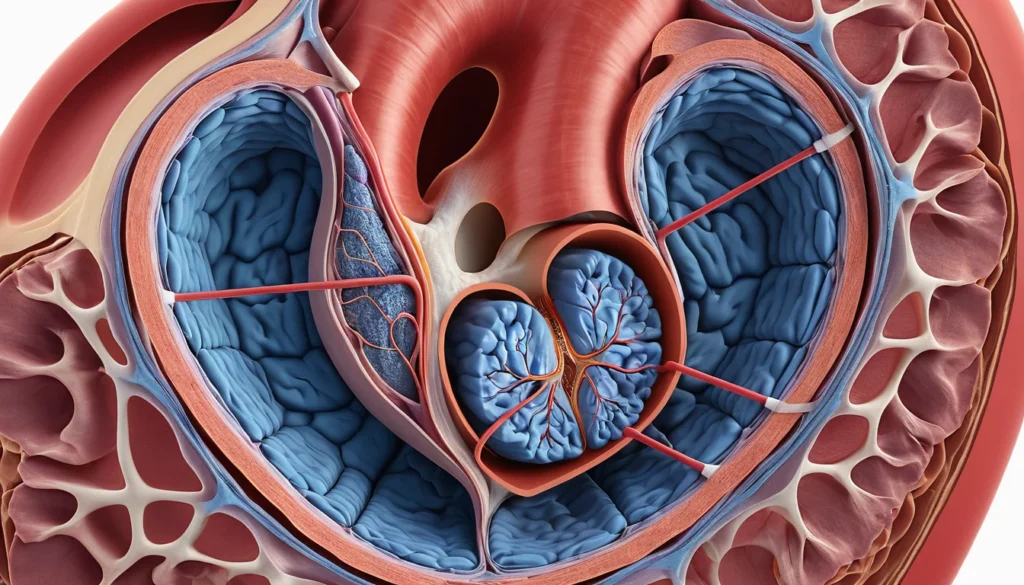
Aortic stenosis is a serious heart valve condition that affects many Canadians, particularly as they age. It happens when the aortic valve in your heart becomes narrow and cannot open fully. This forces your heart to work much harder to pump blood — and over time, that extra strain can lead to heart failure if left untreated. In this article, we explain what aortic stenosis is, what causes it, and when to seek care from your family doctor or a heart specialist.
What Is Aortic Stenosis?
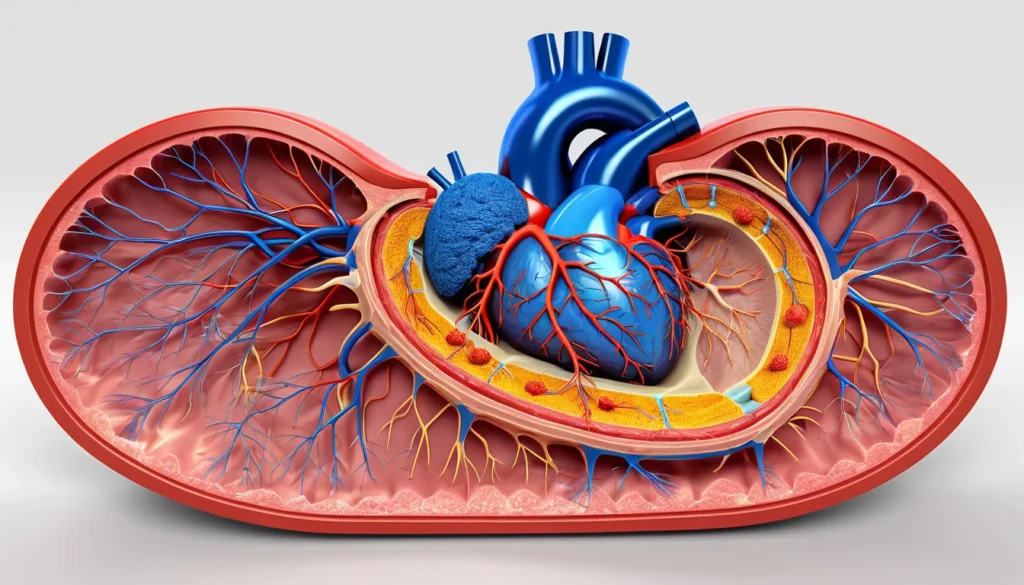
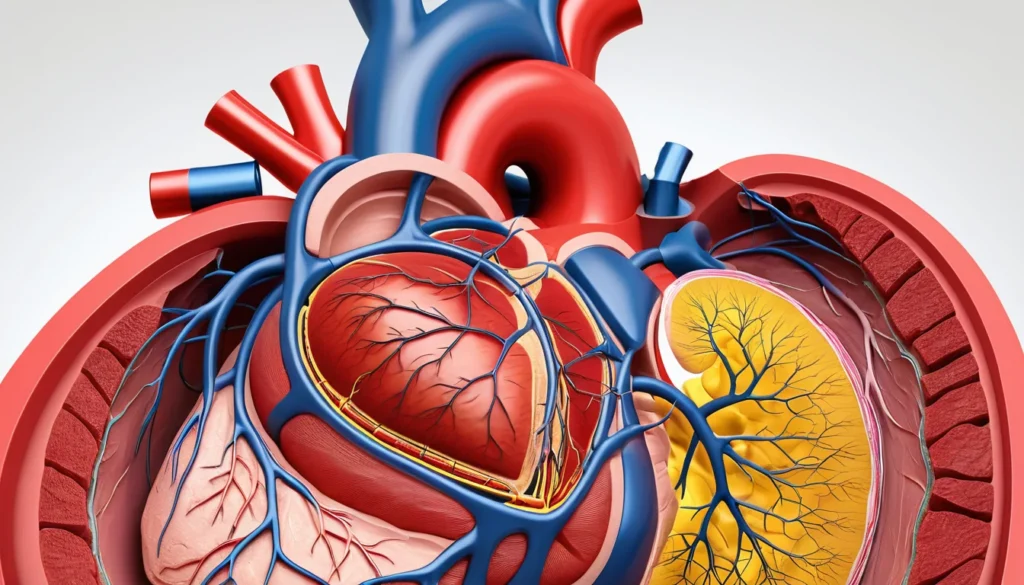
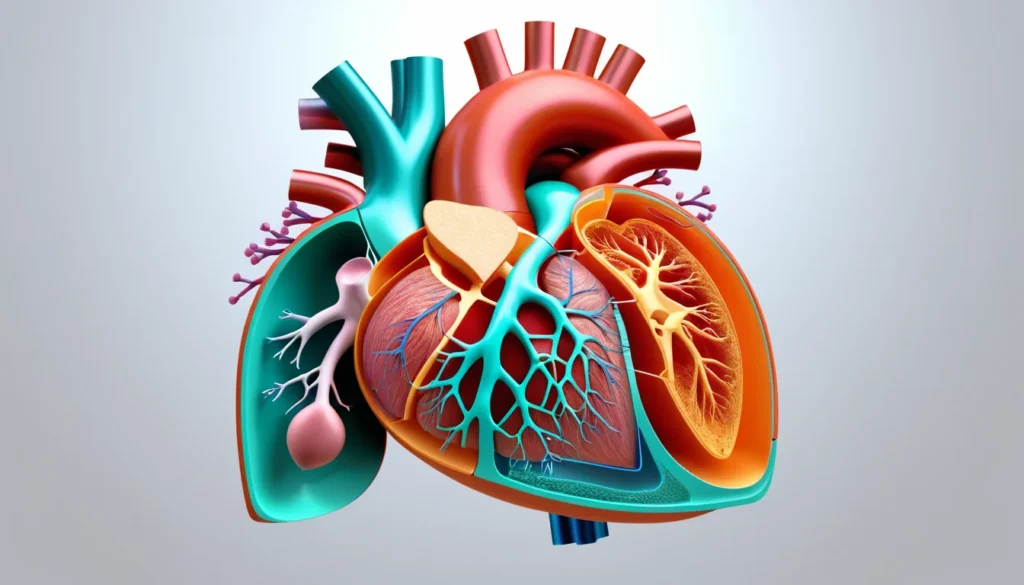
Your heart has four chambers: two ventricles and two atria. The left ventricle is responsible for pumping blood out to your entire body through the aorta, which is your body’s largest artery. Between the left ventricle and the aorta sits the aortic valve — a one-way gate that keeps blood moving in the right direction.
When your heart rests between beats, the aortic valve closes tightly. This prevents blood from flowing backward into the heart. In a healthy valve, this process happens smoothly thousands of times a day.
With aortic stenosis, the valve opening becomes abnormally narrow. Blood has a harder time getting through. As a result, your left ventricle must pump with much greater force. Over time, the heart muscle thickens — a condition called left ventricular hypertrophy — as it tries to compensate. However, the heart can only manage this extra effort for so long. Eventually, if the valve narrows too much, the heart can no longer keep up, and heart failure can develop.
According to Mayo Clinic’s overview of aortic stenosis, this condition is one of the most common and serious heart valve problems in adults over the age of 65.
What Causes Aortic Stenosis?
Most people with aortic stenosis are born with a normal aortic valve. The condition usually develops slowly over many years. There are several known causes.
Age-Related Calcium Build-Up
As we age, calcium can deposit around the aortic valve. This causes the valve’s thin, flexible leaflets — the flaps that open and close — to become thick and stiff. The valve can no longer open fully, and blood flow becomes restricted.
This form of aortic stenosis is sometimes called degenerative or calcific aortic stenosis. It is the most common cause in adults over 65. Researchers now believe this process may be closely linked to atherosclerosis — the same disease that causes plaque to build up inside arteries. For example, high cholesterol, high blood pressure, and diabetes may all increase the risk of calcium build-up on the valve.
Congenital Bicuspid Aortic Valve
A normal aortic valve has three leaflets. Some people are born with only two — a condition called a bicuspid aortic valve. With just two leaflets, the valve may not open as wide as it should. This creates a narrower opening for blood to pass through.
People born with a bicuspid valve often develop aortic stenosis earlier in life, sometimes in their 40s or 50s, rather than in old age. This is an inherited condition, so it can run in families.
Rheumatic Fever
In the past, rheumatic fever was a common cause of aortic valve damage. It develops as a complication of untreated strep throat (streptococcal pharyngitis). The infection triggers inflammation that causes scar tissue to form on the valve leaflets. This scar tissue can fuse the leaflets together, limiting how far they open.
Fortunately, since antibiotics became widely used to treat strep throat — particularly after the 1970s — rheumatic fever has become much less common in Canada. However, it remains a concern in some populations.
Other Causes
Less commonly, aortic stenosis can result from kidney (renal) dialysis, certain metabolic conditions, or systemic diseases. These causes are rarer but important to know about.
Risk Factors for Aortic Stenosis
Certain factors can increase your chances of developing aortic stenosis. Being aware of these risks can help you have a more informed conversation with your family doctor.
Older age: The risk increases significantly after age 65. Calcium deposits on the valve become more common with age.
Male sex: Men are at a higher risk of developing aortic stenosis than women.
High cholesterol: Elevated LDL cholesterol is linked to both atherosclerosis and valve calcification.
High blood pressure (hypertension): Chronic high blood pressure puts extra stress on heart valves.
Diabetes: People with diabetes have a higher risk of calcium build-up on the aortic valve.
Smoking: Smoking accelerates atherosclerosis and may contribute to valve disease.
Congenital bicuspid aortic valve: Being born with a two-leaflet valve significantly raises your lifetime risk.
History of rheumatic fever: Past rheumatic fever can cause lasting damage to the aortic valve.
Kidney disease or dialysis: These conditions are associated with abnormal calcium and mineral deposits.
Prosthetic (replacement) valves: Even artificial valves, especially those made from animal tissue, can develop stenosis over time.
For a broader look at heart valve disease risk factors, visit Healthline’s guide to aortic valve stenosis.
Symptoms of Aortic Stenosis
One of the challenging things about aortic stenosis is that it often causes no symptoms in its early stages. The heart is remarkably good at adapting. For years, it may compensate by pumping harder — without you feeling anything unusual.
Symptoms typically appear only when the valve has narrowed significantly, or when the heart begins to struggle under the extra workload. At that point, the following signs may develop:
Chest Pain or Discomfort
Many people describe this as a heaviness, tightness, pressure, or burning sensation in the chest. It may spread to the arms, shoulders, or neck. This type of chest pain — called angina — is often triggered by physical activity, when the heart has to work even harder.
Dizziness, Fainting, or Loss of Consciousness
These symptoms usually occur during or after a period of physical effort. When the narrowed valve cannot supply enough blood to meet the body’s demands, blood pressure can drop suddenly. This reduces blood flow to the brain, causing lightheadedness or fainting (syncope).
Shortness of Breath and Fatigue
As aortic stenosis progresses, signs of heart failure may appear. You might feel unusually tired or notice that everyday activities — like climbing stairs or walking to the car — leave you breathless. Fluid can also build up in the lungs, making breathing more difficult, especially when lying down.
Heart Rhythm Problems
Some people experience irregular or rapid heartbeats, known as arrhythmia. You might feel your heart flutter, race, or pound in your chest. These sensations — called palpitations — can be unsettling and should always be assessed by a healthcare provider.
How Is Aortic Stenosis Diagnosed and Treated?
Doctors often detect aortic stenosis first by listening to the heart with a stethoscope. A narrowed valve produces a distinctive sound called a heart murmur. If a murmur is heard, your doctor will likely order further tests.
Common diagnostic tests include an echocardiogram (ultrasound of the heart), an electrocardiogram (ECG), a chest X-ray, and sometimes a cardiac CT scan. These tests help confirm the diagnosis and measure how severe the narrowing is.
Treatment Options
There is no medication that can reverse aortic stenosis or widen the valve. However, medicines may be used to manage symptoms — for example, to control blood pressure or heart rhythm. The only definitive treatment is to repair or replace the aortic valve.
There are two main approaches:
Surgical aortic valve replacement (SAVR): Open-heart surgery to remove the damaged valve and replace it with a mechanical or tissue valve. This is a well-established procedure with strong long-term outcomes.
Transcatheter aortic valve replacement (TAVR): A less invasive procedure where a new valve is inserted through a catheter, usually via the groin. This option is now available in many Canadian cardiac centres and is often recommended for patients who are at higher surgical risk.
Your cardiologist and cardiac surgery team will recommend the best approach based on your age, overall health, and the severity of your aortic stenosis. For more detailed information, see the World Health Organization’s fact sheet on cardiovascular diseases.
When to See a Doctor
If you notice any symptoms of aortic stenosis — such as chest pain, fainting, shortness of breath, or an irregular heartbeat — do not wait. Contact your family doctor as soon as possible. If you do not have a family doctor, a walk-in clinic can assess your symptoms and refer you to a specialist if needed.
In Canada, referrals to cardiologists are covered under provincial health plans. Your family doctor or walk-in clinic physician can arrange an echocardiogram and a referral to a heart specialist. Early diagnosis makes a significant difference in outcomes.
If your symptoms are severe — especially sudden chest pain, loss of consciousness, or extreme difficulty breathing — call 911 or go to your nearest emergency department immediately. These can be signs of a medical emergency.
It is always a good idea to speak with your doctor about any heart-related concerns, even if you feel your symptoms are mild. Early detection of aortic stenosis gives you and your healthcare team the most options for treatment and care.
Frequently Asked Questions About Aortic Stenosis
What is aortic stenosis and how serious is it?
Aortic stenosis is a narrowing of the aortic heart valve that restricts blood flow from the heart to the rest of the body. It is a serious condition because, if left untreated, it can lead to heart failure, fainting, and even sudden cardiac death. However, with timely diagnosis and treatment — including valve replacement — most people can live well with this condition.
What are the first signs of aortic stenosis?
The earliest signs of aortic stenosis often include chest tightness or pain during physical activity, unusual fatigue, and mild shortness of breath. Many people have no symptoms at all in the early stages, which is why regular check-ups with your family doctor are so important. A simple stethoscope exam can sometimes detect the condition through a characteristic heart murmur.
Can aortic stenosis be treated without surgery?
Unfortunately, there is no medication that can reverse or cure aortic stenosis — the valve must eventually be repaired or replaced. Medicines can help manage symptoms in the short term, but they do not stop the valve from narrowing further. The good news is that both surgical and minimally invasive options (like TAVR) are now widely available in Canadian cardiac centres.
Is aortic stenosis hereditary?
In some cases, yes. People born with a bicuspid aortic valve — a congenital condition where the valve has two leaflets instead of three — are at a much higher risk of developing aortic stenosis, and this trait can run in families. If a close family member has been diagnosed with a bicuspid aortic valve or aortic stenosis, speak with your family doctor about whether you should be screened.
How is aortic stenosis diagnosed in Canada?
Aortic stenosis is usually first suspected when a doctor hears a heart murmur during a routine exam. Your family doctor will then refer you for an echocardiogram — an ultrasound of the heart — which confirms the diagnosis and shows how severe the narrowing is. This referral process is covered under provincial health plans across Canada.
What happens if aortic stenosis is left untreated?
If aortic stenosis is not treated, the heart must keep working harder and harder against a narrowing valve opening. Over time, this leads to heart failure, serious arrhythmias, and a significantly reduced quality of life. Research shows that once symptoms like fainting, chest pain, or breathlessness appear, outcomes decline rapidly without intervention — making early treatment essential.
Key Takeaways
Aortic stenosis is a narrowing of the aortic heart valve that makes the heart work harder to pump blood. The most common cause in Canada is age-related calcium build-up on the valve, often linked to atherosclerosis. Other causes include a congenital bicuspid aortic valve and past rheumatic fever. Risk factors include older age, male sex, high cholesterol, high blood pressure, diabetes, and smoking. Common symptoms include chest pain, fainting, shortness of breath, fatigue, and palpitations — but many people have no symptoms early on. There is no medication to reverse aortic stenosis. Valve replacement — either surgical (SAVR) or minimally invasive (TAVR) — is the definitive treatment. In Canada, diagnosis and specialist referrals are covered under provincial health plans. Start with your family doctor or a walk-in clinic. Always consult your doctor if you notice